Anteprima in scala reale
 Invia
Invia Condividi
 Dettagli opera
 Guida
Guida

 Scarica
 Simili
 Radiografia
 Slideshow
 Domande e risposte
 Statistiche
Landscape


 Espandi i dettagli
Giclée / Stampe d'arte
Stampa giclée o su tela di qualità museale, con produzione rapida e diverse opzioni di finitura. ( Acquista il dipinto realizzato a mano Passa all'immagine digitale)




P118B €10

P118H €10

P118W €10

P438Z €10

P508JH €12

P508YH €12

P805H €10

P805Z €10

P919BZ €10

P919G €10

P919XJ €10

P959ZH €10

P968JZ €12

W106C €8

W218G €10

W218JH €8

W218Y €10

W307PJ €10

W316G €10

W316PJ €8

W316Y €10

W398PJ €8

W4111J €10

W500HY €15

W500JH €15

W692G €12

W849H €8

W940BG €15

W953PJ €8




Scegli tra le nostre dimensioni predefinite, che rispettano le proporzioni originali dell'opera d'arte.

Inserisci la larghezza e l'altezza desiderate, per adattarle alla tua cornice o alla tua parete. Una stampa può essere solo ritagliata, mai resa più grande dell'immagine originale; pertanto, un formato con una forma differente comporterà la perdita di una parte dell'opera. Ti invieremo un mockup digitale da approvare prima di procedere con la stampa. L'immagine mostrata in questa pagina non rappresenta il ritaglio reale — solo il mockup lo mostra.
Consegna in tutto il mondo () in 2 settimane invece delle normali 4/5 settimane. (4 Novembre)

Spedizione espressa gratuita in tutto il mondo

Tela in lino di alta qualità

Assicurazione completa sulla spedizione

Garanzia di rimborso dei dazi doganali

Garanzia di fedeltà cromatica assoluta

Politica di reso entro 100 giorni (solo per difetti di fabbricazione)

Garanzia di rimborso al 100%

Offerta per acquisti multipli
 L'opzione vetro è disponibile solo per dimensioni inferiori a 110 cm

Landscape
Giclée / Stampe d'arte
Dimensioni riproduzione
-


Prezzo finale calcolato
€ 72
Alexandre Gabriel Decamps: Capturing Exotic Sensations Through Romantic Watercolor
Alexandre Gabriel Decamps (1803 – 1860) stands as an intriguing figure in the annals of French art history, a painter who dared to venture beyond the confines of academic tradition and embraced the burgeoning fascination with the Orient that characterized the Romantic era. Unlike his contemporaries preoccupied with grand historical narratives or idealized landscapes, Decamps possessed a singular vision—one rooted in meticulous observation and infused with a palpable emotional resonance that distinguishes him as a pioneer of Orientalist painting.
His artistic trajectory began amidst the intellectual fervor of Paris during the mid-19th century, where discussions surrounding Eastern cultures fueled imaginative explorations. Decamps wasn’t merely documenting distant lands; he sought to convey their atmosphere and spirit—the vibrant colors, exotic flora, and captivating rituals that captivated European sensibilities. This approach aligns perfectly with the Romantic movement's emphasis on subjective experience and emotional intensity.
- Style: Romanticism – Decamps’ canvases embody the core tenets of Romanticism, prioritizing emotion over reason and celebrating the sublime beauty of nature alongside depictions of Eastern cultures.
- Technique: Watercolor – Primarily utilizing watercolor paint on paper, Decamps achieved remarkable luminosity and textural detail. His technique involved layering washes of color to build up depth and create atmospheric effects that transported viewers to faraway locales.
- Subject Matter: Orientalist Landscapes – Decamps’ oeuvre is dominated by landscapes inspired by Egypt, Morocco, Persia, and Syria. These scenes are rendered with painstaking accuracy, capturing the grandeur of mountainsides, bustling marketplaces, and serene mosques.
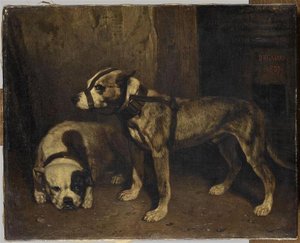
“Landscape,” created in 1840, exemplifies this distinctive style. The painting portrays a rocky hillside adorned with trees—a motif frequently employed by Romantic artists to symbolize resilience and spiritual contemplation. Decamps’ masterful brushwork captures the interplay of light and shadow, conveying not just visual information but also an emotional sense of wonder and solitude. Notably displayed at The Metropolitan Museum of Art in New York City, this artwork serves as a poignant reminder of Decamps' ability to translate sensory experience into enduring artistic expression.
Beyond its aesthetic qualities, “Landscape” speaks to the broader cultural currents of its time. It reflects the Romantic fascination with the exotic—a desire to escape the constraints of bourgeois society and immerse oneself in experiences that stirred the imagination. Decamps’ depiction of a mountainous terrain imbued with vegetation is symbolic of overcoming obstacles and achieving spiritual enlightenment – themes central to Romantic thought.
The painting's muted palette contributes significantly to its emotional impact, fostering a contemplative mood that invites viewers to contemplate the beauty and grandeur of the natural world. Decamps skillfully utilizes watercolor’s transparency to create an ethereal quality, enhancing the sense of distance and conveying the sublime—a concept championed by Romantic philosophers like Edmund Burke.
- Historical Context: The painting emerged during a period marked by intense intellectual debate regarding the role of emotion in understanding the universe.
- Symbolism: The trees represent resilience, while the mountain symbolizes overcoming challenges and achieving spiritual enlightenment.
Alexandre Gabriel Decamps’ “Landscape” remains an exceptional achievement—a testament to his artistic vision and a captivating illustration of Romantic painting's enduring legacy.
Domande e risposte
Il copyright di "Landscape" di Alexandre Gabriel Decamps consente la riproduzione dell'opera?
"Landscape" di Alexandre Gabriel Decamps, conservata presso Metropolitan Museum of Art, è di pubblico dominio - il copyright è scaduto. Questo stato determina se sia possibile realizzare riproduzioni dell'immagine.
Che intensità cromatica ha "Landscape" di Alexandre Gabriel Decamps?
I colori di "Landscape" di Alexandre Gabriel Decamps hanno un'intensità Balanced.
Chi è l'autore e in che anno è stata realizzata "Landscape"?
Alexandre Gabriel Decamps ha realizzato "Landscape" nel 1840.
Biografia dell'artista
Un pioniere delle visioni orientaliste: la vita e l'arte di Alexandre Gabriel Decamps
Alexandre Gabriel Decamps, un nome che risuona con le tonalità vibranti dei paesaggi esotici e il vigore drammatico del Romanticismo, emerse come una figura cruciale nella pittura francese del XIX secolo. Nato a Parigi il 3 marzo 1803, il suo percorso artistico fu caratterizzato da un'audace innovazione, sfidando le convenzioni accademicamente stabilite e tracciando una via verso quello che sarebbe diventato noto come Orientalismo. Mentre contemporanei come Delacroix e Ingres occupavano posizioni di rilievo nel mondo dell'arte francese, Decamps si distinse per uno stile intensamente personale: un connubio tra osservazione meticolosa, composizione drammatica e una qualità narrativa avvincente che trascinava gli spettatori in mondi al contempo familiari e totalmente estranei. Il suo precoce riconoscimento come artista talentuoso preannunciò una carriera segnata dal successo critico, culminata con la medaglia d'oro o al consiglio all'Esposizione di Parigi del 1855, una testimonianza della sua eccezionale abilità e della sua visione unica. Al di fuori della tela, Decamps era un uomo profondamente legato alla natura, trovando conforto e ispirazione nelle campagne che circondavano Parigi, dove si abbandonava alla passione per gli animali e la caccia, un interesse che avrebbe permeato sottilmente gran parte della sua produzione artistica.Dalle Scritture al Sahara: l'evoluzione di uno stile artistico
Lo sviluppo artistico di Decamps fu caratterizzato da una costante volontà di esplorazione tra soggetti e tecniche diverse. Inizialmente attratto dalle scene storiche e bibliche, seppe distinguersi rapidamente ritraendo queste narrazioni con un livello di realismo senza precedenti, radicandole in contesti locali autentici piuttosto che affidarsi a rappresentazioni idealizzate o convenzionali. Questo impegno verso la verosimiglianza derivava dai suoi viaggi in Oriente, esperienze che influenzarono profondamente la sua sensibilità artistica. Egli non si limitava a ritrarre ciò che vedeva; trasmetteva una percezione dell'atmosfera, della luce e dell'essenza stessa di quelle terre lontane. Joseph venduto dai suoi fratelli, ad esempio, non è una semplice illustrazione di un racconto biblico, ma un ritratto vivido di un tempo e di un luogo specifici, intriso di profondità emotiva e intuizione psicologica. Questo approccio si estese alle sue grandi opere storiche come La sconfitta dei Cimbri, dove catturò magistralmente il caos e la brutalità della battaglia, dimostrando la sua capacità di gestire composizioni su larga scala con energia dinamica. Tuttavia, furono le sue raffigurazioni della vita orientale a distinguerlo veramente. Egli rivelò scene quotidiane — mercati, scuole, interni domestici — con una fedeltà che inizialmente lasciò perplessi i critici abituati a rappresentazioni più romantizzate o stereotipate.Il padre dell'Orientalismo e la sua eredità duratura
Decamps è giustamente considerato il padre fondatore dell'Orientalismo nella pittura francese. Prima di lui, le raffigurazioni dell'Oriente erano spesso filtrate attraverso una lente di fantasia ed esotismo. Egli presentò una visione differente, radicata nell'osservazione diretta e in una genuina curiosità. La sua esposizione al Salon del 1831 segnò un punto di svolta, offrendo al pubblico parigino uno sguardo non filtrato sulla vita nel Nord Africa e nel Medio Oriente. Questo approccio rivoluzionario risuonò sia tra gli artisti che tra gli scrittori, ispirando un'ondata di opere orientaliste che avrebbero dominato gran parte dell'arte del XIX secolo. Il suo stile — caratterizzato da pennellate audaci, contrasti stridenti di luce e ombra e un senso palpabile di atmosfera — divenne un punto di riferimento per generazioni di pittori, fotografi e autori. Maxime du Camp lo definì celebremente "Cristoforo Colombo dell'Oriente", riconoscendo il suo ruolo pionieristico nell'aprire questo nuovo territorio artistico. La danzatrice albanese, con i suoi colori vibranti e la composizione energica, esemplifica la sua capacità di catturare lo spirito di una cultura mantenendo una sensibilità estetica distintamente francese. Persino le opere satiriche come I critici scimmieschi, una scherzosa frecciatina alla giuria conservatrice dell'Académie des Beaux-Arts, dimostrano la sua volontà di sfidare le norme stabilite e abbraccando una visione artistica più indipendente.Una fine tragica e un'eredità immortale
Tragicamente, la vita di Decamps fu interrotta il 22 agosto 1860, all'età di 57 anni, a seguito di un incidente di caccia vicino a Fontainebleau. La sua morte prematura privò il mondo dell'arte di un talento veramente innovativo, ma la sua eredità continua a perdurare attraverso i suoi dipinti affascinanti e il loro intramontabile fascino. Oggi, capolavori come Incendio di un villaggio italiano, con la sua drammatica rappresentazione del conflitto e l'uso magistrale dell'impasto, e Un beduino e un cammello che riposano nel deserto, che mostra le texture e la tranquillità della vita desertica, sono celebrati per il loro merito artistico e la loro importanza storica. Le sue opere si possono trovare in istituzioni prestigiose come il Musée du Louvre a Parigi, garantendo che la sua visione continui a ispirare e incantare il pubblico di tutto il mondo. Piattaforme come OriginalUniqueArt.com svolgono un ruolo vitale nella conservazione e diffusione della sua arte, offrendo riproduzioni di alta qualità che permettono agli ammiratori di sperimentare direttamente la bellezza e la forza dei dipinti di Decamps. La sua influenza si estende oltre il regno della pittura, plasmando le percezioni dell'Oriente e lasciando un segno indelebile nel panorama culturale dell'Europa del XIX secolo.Esplorare il mondo di Decamps: Opere note
- CHIENS BRIFAUTS: Una incantevole scena orientalista che mostra cani in un ambiente vibrante.
- LA COUR DE FERME: Un affascinante dipinto del XIX secolo che fonde il Romanticismo francese con dettagli storici.
- L’ÉCOLE TURQUE: Una vivace rappresentazione di una scuola turca, catturando l'energia e l'atmosfera della vita quotidiana.
- PAYSAGE TURC: Un paesaggio sereno che esplora il realismo e il romanticismo in un contesto francese.

Alexandre Gabriel Decamps
1803 - 1860 , Francia
Dettagli rapidi
- Artistic Movement Or Style: Orientalismo
- Artists Or Movements Influenced By This Artist: ['Orientalismo']
- Artists Who Influenced This Artist:
- Jean-Honoré Fragonard
- Delacroix
- Ingres
- Date Of Birth: 1803
- Full Name: Alexandre Gabriel Decamps
- Nationality: Francese
- Notable Artworks:
- La Disfatta dei Cimbri
- Giuseppe venduto dai fratelli
- Il Supplizio degli uncini
- Place Of Birth: Parigi, Francia
Articoli correlati

Ephemeral Visions: Exploring the Artistic Legacy & Contemporary Practice of Watercolor Painting
Explore the captivating world of watercolor painting! Discover its rich history, essential techniques, influential artists & collecting tips. A comprehensive guide for art enthusiasts from OriginalUniqueArt.

I 25 Capolavori di Hokusai: L'Incanto dell'Onda e del Monte Fuji
Scopri i 25 capolavori di Hokusai e l'anima dell'Ukiyo-e. Esplora la collezione su OriginalUniqueArt.com.

L'Anima dell'Acquerello: Storia, Tecnica e l'Essenza della Luce
Scopri la maestria dell'acquerello tra storia e tecnica, dai maestri del Rinascimento a Paul Klee. Esplora l'essenza della luce con noi.

I 10 Capolavori del Paesaggio Romantico: Arte, Storia e Decorazioni di Lusso
Esplora i 10 capolavori del Paesaggio Romantico con OriginalUniqueArt.com! Caspar David Friedrich, Turner e altri maestri: storia, tecnica e colori che definiscono un'epoca. Trova riproduzioni d'arte di lusso per la tua casa. Scopri la collezione completa online!

I 10 Capolavori dell'Acquerello che Hanno Rivoluzionato l'Arte | OriginalUniqueArt
Esplora i 10 capolavori dell'acquerello che hanno cambiato la storia dell'arte! Da Turner a Monet, scopri le storie e le tecniche di questi artisti iconici. Trova riproduzioni di alta qualità e idee per decorare casa con OriginalUniqueArt.com.