
 Anteprima in scala reale
 Invia
Invia Condividi
 Dettagli opera
 Guida
Guida

 Scarica
 Simili
 Radiografia
 Slideshow
 Domande e risposte
 Statistiche
Dramatic Scene with Monks in a Crypt

- 73.0 x 91.0 cm


 Espandi i dettagli
Giclée / Stampe d'arte
Stampa giclée o su tela di qualità museale, con produzione rapida e diverse opzioni di finitura. ( Acquista il dipinto realizzato a mano Passa all'immagine digitale)




P118B €10

P118H €10

P118W €10

P438Z €10

P508JH €12

P508YH €12

P805H €10

P805Z €10

P919BZ €10

P919G €10

P919XJ €10

P959ZH €10

P968JZ €12

W106C €8

W218G €10

W218JH €8

W218Y €10

W307PJ €10

W316G €10

W316PJ €8

W316Y €10

W398PJ €8

W4111J €10

W500HY €15

W500JH €15

W692G €12

W849H €8

W940BG €15

W953PJ €8




Scegli tra le nostre dimensioni predefinite, che rispettano le proporzioni originali dell'opera d'arte.

Inserisci la larghezza e l'altezza desiderate, per adattarle alla tua cornice o alla tua parete. Una stampa può essere solo ritagliata, mai resa più grande dell'immagine originale; pertanto, un formato con una forma differente comporterà la perdita di una parte dell'opera. Ti invieremo un mockup digitale da approvare prima di procedere con la stampa. L'immagine mostrata in questa pagina non rappresenta il ritaglio reale — solo il mockup lo mostra.
Consegna in tutto il mondo () in 2 settimane invece delle normali 4/5 settimane. (3 Novembre)

Spedizione espressa gratuita in tutto il mondo

Tela in lino di alta qualità

Assicurazione completa sulla spedizione

Garanzia di rimborso dei dazi doganali

Garanzia di fedeltà cromatica assoluta

Politica di reso entro 100 giorni (solo per difetti di fabbricazione)

Garanzia di rimborso al 100%

Offerta per acquisti multipli
 L'opzione vetro è disponibile solo per dimensioni inferiori a 110 cm

Dramatic Scene with Monks in a Crypt
Giclée / Stampe d'arte
Dimensioni riproduzione
-


Prezzo finale calcolato
€ 72
A Gothic Encounter in Shadows and Light
In the hauntingly atmospheric Dramatic Scene with Monks in a Crypt, Alexandre-Évariste Fragonard invites the viewer into a moment of profound cinematic tension. The canvas captures a chilling, staged drama set within the subterranean depths of a Gothic crypt. As a procession of monks enters this hallowed, stone-walled space, they carry an open casket containing a corpse, only to be met with a shocking revelation: a tomb has already been opened, revealing that the deceased is not alone in their final resting place. This sudden discovery sparks a wave of agitation and dread among the brethren, creating a palpable sense of movement and psychological unrest. The composition is masterfully orchestrated to draw the eye through the flickering light, leading us from the solemnity of the procession to the chaotic stir of the discovery.
The painting serves as a masterful example of the Troubadour style, a movement that looked back with romanticized longing toward the Middle Ages. While the precise literary origin of this ghoulish scenario remains one of the many mysteries surrounding Fragonard’s work, the scene perfectly encapsulates the era's fascination with historical melodrama and the macabre. The artist utilizes a chiaroscuro technique—the dramatic interplay between deep, swallowing shadows and sharp, localized light—to heighten the emotional stakes. This lighting does more than just illuminate the figures; it sculpts the heavy textures of the stone walls and the somber habits of the monks, lending a tactile reality to this supernatural encounter.
Beyond the central human drama, subtle details enrich the narrative depth of the piece. The presence of two dogs—one positioned near the center and another toward the periphery—adds an unexpected layer of life and instinctual reaction to the scene, perhaps mirroring the heightened alertness of the monks themselves. For collectors and interior designers, this artwork offers a profound sense of history and mystery. It is not merely a depiction of a historical event, but an exploration of the thin veil between life and death, and the sudden intrusion of the unexpected into the sacred. A high-quality reproduction of this masterpiece brings a sophisticated, moody elegance to any space, serving as a powerful conversation piece that evokes the grandeur and the shadows of a bygone era.
Domande e risposte
In che modo lo stile e l'epoca si incontrano in "Dramatic Scene with Monks in a Crypt" di Alexandre Évariste Fragonard?
In "Dramatic Scene with Monks in a Crypt" di Alexandre Évariste Fragonard, il movimento Troubadour style incontra l'epoca XIX secolo.
Qual è la tecnica utilizzata per "Dramatic Scene with Monks in a Crypt" e quali sono le sue dimensioni?
"Dramatic Scene with Monks in a Crypt" è stata realizzata in Oil e misura 73 x 91 cm nella sua forma originale.
È disponibile una presentazione a diapositiva per "Dramatic Scene with Monks in a Crypt" di Alexandre Évariste Fragonard?
Il diaporama di "Dramatic Scene with Monks in a Crypt" è disponibile nella pagina Slideshow dell'opera.
Biografia dell'artista
A Legacy Bridging Eras: Alexandre-Évariste Fragonard
Born into the radiant world of Rococo artistry in Grasse, France, on October 26, 1780, Alexandre-Évariste Fragonard inherited a legacy that both propelled and subtly challenged his artistic path. As the son of Jean-Honoré Fragonard, the great rococo painter, and Marie-Anne Fragonard, he was immersed from infancy in an atmosphere of creative fervor, where brushstrokes danced with light and emotion. This familial connection wasn’t merely one of lineage; it was a foundational education, a direct transmission of technical skill and a sensibility for evocative subject matter that would shape his early development. He passed away in Paris on November 10, 1850, leaving behind a body of work that offers valuable insights into an era defined by political upheaval and shifting aesthetic ideals.Formative Years and Artistic Education
Alexandre-Évariste’s initial artistic training was, unsurprisingly, guided by his father. Jean-Honoré Fragonard instilled in him a mastery of drawing and painting techniques, nurturing an innate talent for capturing form and expression. This early tutelage laid the groundwork for a fluid and graceful style that would remain characteristic throughout his career. Recognizing the changing artistic climate, Jean-Honoré also encouraged his son to broaden his horizons. This led Alexandre-Évariste to study under Jacques-Louis David, the leading figure of Neoclassicism—a pivotal moment in his development. David’s influence introduced a new discipline and rigor to Fragonard's approach, emphasizing structured composition, precise draftsmanship, and a focus on historical accuracy. This exposure wasn’t about abandoning the Rococo entirely; rather, it was about synthesizing its inherent grace with the Neoclassical emphasis on order and clarity. The result was an artistic sensibility uniquely positioned between two worlds—a blend of emotional resonance and intellectual control. He began his formal education at the École des Beaux-Arts in Paris at a young age, absorbing the lessons of David and mastering the techniques demanded by the neoclassical style.The Troubadour Style and Major Works
Alexandre-Évariste Fragonard found his niche within the *Troubadour* style, a popular movement in 19th-century France that romanticized historical and literary subjects. This genre allowed him to explore narratives rich with drama, emotion, and nationalistic fervor. His paintings are not merely depictions of past events; they are carefully constructed scenes designed to evoke a specific mood or convey a particular message. François I armé chevalier par Bayard exemplifies this approach perfectly—a masterful portrayal of the knighting ceremony, capturing both regal grandeur and chivalric honor. Vivant Denon Replacing El Cid's Remains in their Tombs is equally poignant, confronting themes of mortality and grief with unflinching realism. Cardinal Mazarin at the Deathbed of Eustache Le Sueur illustrates a tender yet somber moment from French history, utilizing subtle lighting effects to heighten emotional impact. Beyond painting, Fragonard also excelled as a sculptor, notably creating the pediment for the Chambre des Députés (French Chamber of Deputies) and a colossal statue of General Pichegru—demonstrating his versatility and skill across different artistic mediums.Historical Context and Artistic Commissions
Alexandre-Évariste Fragonard’s career unfolded during a period of profound transformation in France, marked by the French Revolution and the subsequent Napoleonic era. These turbulent events profoundly influenced his artistic output, shaping his subject matter and informing his stylistic choices. He received significant commissions from Napoleon Bonaparte himself—a testament to his growing reputation as an artist capable of capturing historical narratives with both grandeur and sensitivity. These commissions weren’t merely about fulfilling royal patronage; they were statements of power and national identity, reflecting the prevailing artistic tastes of the time. His works often resonated with themes of heroism, patriotism, and moral virtue—qualities that aligned seamlessly with Napoleon’s ambitions for France. The stylistic conventions of the Troubadour style—characterized by dramatic gesture, vibrant color palettes, and idealized figures—were perfectly suited to conveying these sentiments.A Lasting Impression
Despite not achieving the same level of fame as his father Jean-Honoré Fragonard, Alexandre-Évariste Fragonard nonetheless left an indelible mark on 19th-century French art. He skillfully bridged the gap between Rococo elegance and Neoclassical formality, creating a distinctive style that captivated audiences during his lifetime and continues to inspire admiration today. His paintings and sculptures serve as invaluable records of an era defined by artistic innovation and political upheaval—a legacy rooted in his unwavering dedication to craftmanship and his profound understanding of the human condition. He wasn’t merely imitating past masters; he was synthesizing influences, forging a singular vision that cemented his place among the most important artists of his time.
Alexandre Évariste Fragonard
1780 - 1850 , Francia
Dettagli rapidi
- Artistic Movement Or Style: *Troubadour*
- Artists Who Influenced This Artist:
- Jean-Honoré Fragonard
- Jacques-Louis David
- Date Of Birth: Ottobre 26, 1780
- Date Of Death: Novembre 10, 1850
- Full Name: Alexandre-Évariste Fragonard
- Nationality: Francese
- Notable Artworks:
- François Ier armé chevalier
- Vivant Denon Replacing El Cid
- Cardinal Mazarin at Deathbed
- Place Of Birth: Grasse, Francia
Articoli correlati
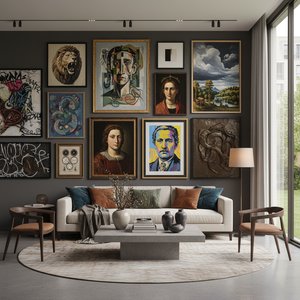
Le 10 Opere d'Arte Più Drammatiche di Sempre | .it
Esplora le 10 opere d'arte più drammatiche di Caravaggio, Munch e altri maestri. Scopri storie, tecniche e colori intensi che evocano emozioni profonde. Trova la riproduzione perfetta per la tua casa su !
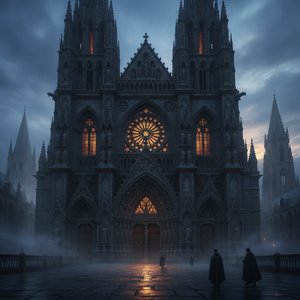
Gothic Art Guide for Hotel Designers: Leveraging Dramatic Shadows and Architectural Grandeur in Luxury Interiors
Elevate hospitality interiors with our expert guide to Gothic art. Discover how to leverage dramatic shadows, architectural grandeur, and high-end reproductions to create sophisticated, atmospheric hotel spaces that captivate guests.

Gothic Vibes: From Dark Shadows to Bold Modern Edge | The Ultimate Trend Forecast
Explore the evolution of Gothic vibes, from historical shadows to bold modern edge. Discover how dark aesthetics, noir interiors, and contemporary subcultures are redefining modern design through a high-impact, trend-focused lens.
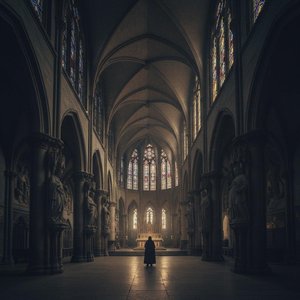
Gothic Art Unveiled: The Dark Beauty and Drama of a Timeless Era
Embark on a journey through the dramatic era of Gothic art. Discover the profound beauty of illuminated manuscripts, sacred gold leaf masterpieces, and the transition to naturalism in this expert-led exploration of medieval artistry and historical grandeur.
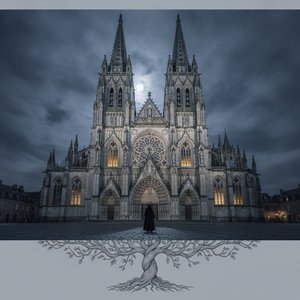
Shadows & Splendor: A Journey Through the Soul of Gothic Art and Architectural Grandeur
Embark on a profound journey through the spiritual intensity of Gothic art. Explore the architectural marvels, luminous stained glass, and sacred sculptures that define this era of grandeur and human devotion.


