

 Anteprima in scala reale
 Invia
Invia Condividi
 Dettagli opera

 Scarica immagine
 Simili
 Radiografia
 Slideshow
The Nymph Echo


 Espandi i dettagli
Giclée / Stampe d'arte
Stampa giclée o su tela di qualità museale, con produzione rapida e diverse opzioni di finitura. ( Acquista il dipinto realizzato a mano Acquista immagine)




P118B $10

P118H $10

P118W $10

P438Z $10

P508JH $12

P508YH $12

P805H $10

P805Z $10

P919BZ $10

P919G $10

P919XJ $10

P959ZH $10

P968JZ $12

W106C $8

W218G $10

W218JH $8

W218Y $10

W307PJ $10

W316G $10

W316PJ $8

W316Y $10

W398PJ $8

W4111J $10

W500HY $15

W500JH $15

W692G $12

W849H $8

W940BG $15

W953PJ $8




Scegli tra le nostre dimensioni predefinite, che rispettano le proporzioni originali dell'opera d'arte.

È possibile inserire dimensioni personalizzate per adattare l'opera a una cornice o a uno spazio specifico. Se la dimensione selezionata non corrisponde alle proporzioni dell'immagine originale, procederemo al ritaglio dell'opera o all'estensione dell'immagine con un bordo specchiato o a tinta unita. Un mockup digitale ti verrà inviato per approvazione prima dell'inizio della produzione.
Si prega di notare che l'anteprima a schermo non riflette il ritaglio o l'estensione effettivi. Solo il mockup mostrerà accuratamente la composizione finale.
Sebbene siano disponibili dimensioni personalizzate, si raccomanda di selezionare una dimensione dall'elenco predefinito per preservare le proporzioni originali.
Consegna in tutto il mondo () in 2 settimane invece delle normali 4/5 settimane. (31 Agosto)

Spedizione espressa gratuita in tutto il mondo

Tela in lino di alta qualità

Assicurazione completa sulla spedizione

Garanzia di rimborso dei dazi doganali

Garanzia di fedeltà cromatica

Politica di reso entro 60 giorni (solo per difetti di fabbricazione)

Garanzia di rimborso al 100%

Offerta per acquisti multipli
 L'opzione vetro è disponibile solo per dimensioni inferiori a 110 cm

The Nymph Echo
Giclée / Stampe d'arte
Dimensioni riproduzione
-


Prezzo totale calcolato
$ 80
A Symphony of Silence: The Soul Within Cabanel’s Echo
In the quietude of Alexandre Cabanel’s 1874 masterpiece, The Nymph Echo, we encounter more than a mere landscape; we enter a sanctuary of profound introspection. The painting presents a woman perched precariously yet peacefully upon rugged rocks, her silhouette framed by the sweeping grandeur of a cliffside vista. There is an immediate, arresting tension in her posture—her hands are pressed firmly against her ears, a gesture that serves as both a shield and a bridge. This movement suggests a desperate attempt to tune out the clamor of the external world to better hear the whispers of her own spirit, or perhaps to block out a sound too haunting to bear. Through this single, evocative motion, Cabanel transforms a classical subject into a deeply relatable study of human vulnerability and the search for inner stillness.
The technical brilliance of the piece lies in Cabanel’s mastery of the Academic style, a tradition that sought to marry anatomical perfection with idealized beauty. Utilizing the dramatic interplay of chiaroscuro, the artist sculpts the woman's form with light and shadow, giving her skin a luminous, porcelain quality that contrasts strikingly against the textured, somber tones of the rocky terrain. The mountains in the distance are rendered with a soft, atmospheric depth, creating a sense of infinite space that mirrors the vastness of the subject's internal thoughts. Every brushstroke serves the purpose of realism, yet there is an ethereal grace to the composition that elevates it above mere documentation, making it a captivating centerpiece for any collection focused on classical elegance.
Historical Resonance and Symbolic Depth
Created during a pivotal moment in art history, The Nymph Echo stands as a defiant testament to tradition amidst the rising tide of Impressionism. While his contemporaries were beginning to dissolve form into fleeting impressions of light, Cabanel remained anchored in the permanence of the figure and the solidity of the landscape. This commitment to structure provides the painting with an enduring weight; it does not flicker or fade like a passing moment but remains as steadfast as the cliffs depicted. The work draws heavily from the wellspring of Greek mythology, specifically the tragic tale of the nymph Echo, whose ability to speak was stripped away, leaving her only able to repeat the words of others. In this painting, we see the psychological aftermath of that loss—the heavy silence of a soul trapped within its own echoes.
For the discerning collector or interior designer, this artwork offers a sophisticated emotional palette. It is a piece that commands attention through subtlety rather than volume. The contrast between the pristine white of her dress and the rugged, natural elements evokes a sense of purity meeting the wildness of nature. Whether placed in a contemporary gallery setting or a classic study, The Nymph Echo invites viewers into a meditative state. It is an exquisite choice for those seeking to infuse a space with themes of contemplation, resilience, and the timeless beauty of the human experience, serving as a window into a world where even silence has a voice.
Biografia dell'artista
Primi anni di vita e formazione
Alexandre Cabanel, noto pittore francese, nacque il 28 settembre 1823 a Montpellier, Hérault. All'età di diciassette anni, entrò all'École des Beaux-Arts di Parigi, dove studiò sotto la guida di François-Édouard Picot.Stile artistico e opere notevoli
Lo stile artistico di Cabanel fu caratterizzato dalla sua adesione allo stile accademico, concentrandosi su soggetti storici, classici e religiosi. Era anche un abile ritrattista. Tra le sue opere più significative si annoverano:- Ophelia (1883), un capolavoro che mette in mostra la sua capacità di catturare l'essenza di una scena.
- La nascita di Venere (1863), un esempio primario della pittura accademica del XIX secolo, acquistata dall'imperatore Napoleone III.
- Ritratto della contessa E. A. Vorontsova Dashkova, che dimostra la sua abilità nel catturare l'essenza dei suoi soggetti.
- L'angelo caduto (1847), un’opera che esplora temi di redenzione e peccato con una maestria tecnica notevole.
- Fedra (1880), un dipinto che incarna la tragedia greca con una rappresentazione intensa e drammatica.
Premi e riconoscimenti
Il lavoro di Cabanel fu ampiamente riconosciuto e vinse numerosi premi, tra cui:- La borsa di studio Prix de Rome nel 1845.
- La medaglia d'onore ai Saloni del 1865, 1867 e 1878.
Insegnamento ed eredità
Cabanel fu nominato professore all'École des Beaux-Arts nel 1864, dove insegnò fino alla sua morte. I suoi studenti includevano numerosi artisti di successo, assicurando la sua eredità nel mondo dell'arte. La sua influenza si estese oltre i suoi studenti diretti, contribuendo a plasmare il gusto artistico del suo tempo e influenzando generazioni successive di pittori accademici. La sua aderenza ai principi classici e la sua abilità tecnica lo resero una figura centrale nel panorama artistico francese del XIX secolo. Ulteriori informazioni:- Esplora le opere di Cabanel su OriginalUniqueArt: https://OriginalUniqueArt.com/@/alexandre-cabanel
- Visita il Musée Fabre, dove molte delle opere di Cabanel sono esposte: https://OriginalUniqueArt.com/@@/a@d3apl9-discover-the-musee-fabre-of-montpellier-france
- Approfondisci il movimento artistico francese accademico: https://OriginalUniqueArt.com/@@/a@d3cqq9-the-french-academic-art-movement

Alexandre Cabanel
1875 - 1889 , Francia
Dati rapidi
- Artisti Influenti: ['François-Édouard Picot']
- Data Di Morte: 23 gennaio 1889
- Data Di Nascita: 28 settembre 1823
- Luogo Di Nascita: Montpellier, Francia
- Movimento Artistico: Academicismo
- Nazionalità: Francese
- Nome Completo: Alexandre Cabanel
- Opere Notevoli:
- Ofelia (1883)
- Nascita di Venere (1863)
Articoli correlati

Mastering Perfection: A Definitive Guide to the Elegance and Precision of Academic Classicism
Explore the rigorous beauty of Academic Classicism. Discover the principles of order, precision, and historical reverence that define this timeless art movement through an expert guide to its enduring legacy and technical mastery.

I 10 Capolavori Bronzei che Hanno Rivoluzionato la Storia dell'Arte | OriginalUniqueArt
Esplora i 10 capolavori bronzei che hanno segnato la storia dell'arte! Da Rodin a Michelangelo, scopri le storie e le tecniche dietro queste sculture iconiche. Trova riproduzioni d'arte di alta qualità per decorare la tua casa con OriginalUniqueArt.com.

I 10 Capolavori in Bronzo che Hanno Rivoluzionato la Storia dell'Arte | OriginalUniqueArt
Esplora i 10 capolavori in bronzo che hanno segnato la storia dell'arte! Da Michelangelo a Rodin, scopri le storie e le tecniche dietro queste statue iconiche. Trova riproduzioni artistiche di alta qualità per decorare casa tua con OriginalUniqueArt.com.

I 10 Capolavori del Paesaggio Romantico: Arte, Storia e Decorazioni di Lusso
Esplora i 10 capolavori del Paesaggio Romantico con OriginalUniqueArt.com! Caspar David Friedrich, Turner e altri maestri: storia, tecnica e colori che definiscono un'epoca. Trova riproduzioni d'arte di lusso per la tua casa. Scopri la collezione completa online!
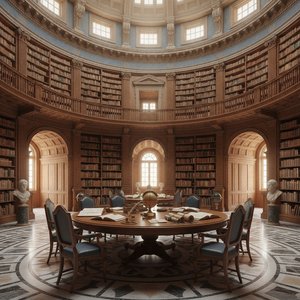
The Timeless Elegance of Academic Classicism: A Journey Through Order, Precision, and the Pursuit of Perfection
Explore the profound beauty of Academic Classicism. Discover how masters used order, precision, and classical ideals to achieve timeless perfection in art history, from Neoclassical portraits to the pursuit of ideal beauty.



