

 Anteprima in scala reale
 Condividi
 Condividi
 Dettagli
 Guida stampabile

 Scarica
 Articoli simili
 Radiografia
 Slideshow
 Statistiche
Robert Burns, 1759 - 1796. Poet


 Leggi tutto
Giclée / Stampe d'arte
Stampa giclée o su tela di qualità museale, con produzione rapida e diverse opzioni di finitura. ( Ordina la riproduzione dipinta a mano Passa all'immagine digitale)




P118B $10

P118H $10

P118W $10

P438Z $10

P508JH $12

P508YH $12

P805H $10

P805Z $10

P919BZ $10

P919G $10

P919XJ $10

P959ZH $10

P968JZ $12

W106C $8

W218G $10

W218JH $8

W218Y $10

W307PJ $10

W316G $10

W316PJ $8

W316Y $10

W398PJ $8

W4111J $10

W500HY $15

W500JH $15

W692G $12

W849H $8

W940BG $15

W953PJ $8




Scegli tra le nostre dimensioni predefinite, che rispettano le proporzioni originali dell'opera d'arte.

È possibile inserire dimensioni personalizzate per adattare l'opera a una cornice o a uno spazio specifico. Se la dimensione selezionata non corrisponde alle proporzioni dell'immagine originale, procederemo al ritaglio dell'opera o all'estensione dell'immagine con un bordo specchiato o a tinta unita. Un mockup digitale ti verrà inviato per approvazione prima dell'inizio della produzione.
Si prega di notare che l'anteprima a schermo non riflette il ritaglio o l'estensione effettivi. Solo il mockup mostrerà accuratamente la composizione finale.
Sebbene siano disponibili dimensioni personalizzate, si raccomanda di selezionare una dimensione dall'elenco predefinito per preservare le proporzioni originali.
Consegna in tutto il mondo () in 2 settimane invece delle normali 4/5 settimane. (27 Settembre)

Spedizione espressa gratuita in tutto il mondo

Tela in lino di alta qualità

Assicurazione completa sulla spedizione

Garanzia di rimborso dei dazi doganali

Garanzia di perfetta fedeltà cromatica

Politica di reso entro 100 giorni (solo per difetti di fabbricazione)

Garanzia di rimborso al 100%

Sconto per acquisti multipli
 L'opzione vetro è disponibile solo per dimensioni inferiori a 110 cm

Robert Burns, 1759 - 1796. Poet
Giclée / Stampe d'arte
Dimensioni della riproduzione
-


Prezzo totale
$ 80
The Enigmatic Figure: Alexander Nasmyth and the Birth of a National Icon
Alexander Nasmyth's 1787 portrait of Robert Burns is more than just a likeness; it’s a pivotal moment in the solidification of Scottish national identity. Painted during a period of burgeoning literary and cultural pride, this intimate depiction captures not merely the physical appearance of the poet but also his spirit – a blend of rustic charm, intellectual curiosity, and profound connection to the land. Nasmyth, a landscape painter as much as a portraitist, brought a unique sensibility to his work, imbuing portraits with a sense of place and atmosphere that transcends simple representation. The painting’s immediate impact was immense; it became, and remains, the most recognizable image of Burns, a symbol inextricably linked to Scotland's heritage.
- Historical Context: The late 18th century witnessed a fervent revival of Scottish culture following centuries of English dominance. The Enlightenment had fostered intellectual debate, while simultaneously fueling a desire to reclaim and celebrate traditional folklore, language, and artistic expression. Burns’s poetry, with its vibrant depictions of rural life and its passionate embrace of Scots dialect, became the cornerstone of this cultural resurgence.
- Nasmyth's Vision: Nasmyth wasn’t simply documenting Burns; he was crafting a narrative. The background – a rugged, mountainous landscape reminiscent of Burns’s native Ayrshire – subtly reinforces the poet’s connection to his roots and his deep understanding of the natural world. The composition itself is carefully balanced, drawing attention to Burns's face while simultaneously suggesting an expansive, almost timeless, setting.
A Study in Light and Shadow: Technique and Style
Nasmyth’s masterful technique reveals a sophisticated understanding of light and shadow – hallmarks of the Neoclassical style he embraced. The portrait is rendered with meticulous detail, particularly in Burns's expressive face, capturing the subtle nuances of his features and conveying a sense of intelligence and warmth. Note the delicate rendering of the fabric of his shirt, the play of light on his beard, and the atmospheric haze that softens the distant landscape. The use of oil paint allows for rich textures and vibrant colors, contributing to the painting’s overall luminosity. The slightly unfinished quality – a deliberate choice by Nasmyth – adds an element of immediacy and intimacy, as if we are witnessing a fleeting moment captured in time.
Key elements of his style include:- Precise observation of detail
- Subtle use of light and shadow to create depth
- A balanced composition that draws the eye
Symbolism and Meaning: Beyond a Simple Portrait
The portrait is laden with symbolic meaning. Burns’s attire – a simple white shirt and dark coat – speaks to his humble origins, while his gaze, directed directly at the viewer, suggests an openness and honesty that resonated deeply with the public. The mountainous backdrop isn't merely decorative; it represents the rugged beauty of Scotland and the poet’s deep connection to its landscape. Furthermore, the inclusion of a small, almost imperceptible, book in Burns’s hand subtly alludes to his intellectual pursuits and his role as a literary figure. It’s a visual shorthand that encapsulates the complex duality of the man – both a passionate poet and a thoughtful scholar.
A Timeless Legacy: Reproduction and Emotional Resonance
Reproductions of Nasmyth's portrait have become ubiquitous, appearing on everything from postage stamps to tea towels. Yet, despite its widespread dissemination, the image retains an undeniable power. It evokes a sense of nostalgia for a bygone era, celebrating Scottish heritage and reminding us of the enduring legacy of Robert Burns. When considering a high-quality reproduction, one should appreciate not only the technical skill involved in creating the original but also the profound cultural significance embedded within its frame. This portrait is more than just an image; it’s a window into the soul of Scotland.
Biografia dell'artista
Alexander Nasmyth: Un Pioniere Scozzese della Pittura di Paesaggio
- Nato: Edimburgo, Regno Unito (1758)
- Morto: 1840
Alexander Nasmyth è stata una figura fondamentale nella storia dell'arte scozzese, rinomata sia come ritrattista che, più significativamente, come pittore di paesaggio. È spesso accreditato come il "padre della pittura di paesaggio scozzese", colmando il divario tra la tradizionale ritrattistica e l'attenzione alla natura crescente del movimento romantico.
Primi Anni e Formazione
- Apprendista presso un carrozziere prima di dedicarsi all'arte.
- Studiò presso la Royal High School e la Trustees’ Academy di Edimburgo.
- Lavorò come assistente di Allan Ramsay, un noto ritrattista, a Londra (1774-1778). Questa esperienza fornì una preziosa formazione tecnica ed esposizione alle tendenze artistiche contemporanee.
- Tornò a Edimburgo nel 1778 e si affermò come ritrattista.
- Viaggiò in Italia (1782-1784) con il sostegno finanziario di Patrick Miller di Dalswinton, dove approfondì la sua comprensione della pittura di paesaggio studiando i maestri italiani e copiando opere, in particolare quelle di Claude Lorrain.
Sviluppo Artistico e Opere Chiave
- Inizialmente dipinse ritratti nello stile di Ramsay ma gradualmente si spostò verso conversazioni con ambientazioni all'aperto.
- Il suo ritratto di Robert Burns (1787) è un'opera notevole della sua prima carriera, che mostra la sua abilità nel catturare carattere e somiglianza.
- Intorno al 1792, Nasmyth abbandonò completamente il ritratto per concentrarsi sulla pittura di paesaggio, influenzato da eventi politici e preferenze artistiche in evoluzione.
- Sviluppò uno stile distintivo caratterizzato da un'osservazione dettagliata delle caratteristiche naturali e degli elementi architettonici. I suoi paesaggi sono tutte rappresentazioni di luoghi reali.
- Progettò anche scenografie per teatri e dipinse panorami, dimostrando la sua versatilità come artista.
- Opere notevoli includono: View of Edinburgh from the West (1822-6), A View Of Edinburgh From The Dean, Pass Of The Cows, Highlands e varie rappresentazioni di laghi e castelli scozzesi.
Interessi Ingegneristici e Innovazioni
- Nasmyth possedeva un vivo interesse per l'ingegneria e propose diverse idee innovative, anche se non le brevettò mai.
- Fu coinvolto nel miglioramento e nell'abbellimento di tenute per membri della nobiltà scozzese.
- Progettò strutture notevoli come il tempio circolare che copre St Bernard's Well (1789) e ponti a Almondell e Tongland.
- Partecipò a una storica prova della nave a vapore di Patrick Miller sul lago Dalswinton nel 1788, dimostrando la sua prospettiva lungimirante.
Eredità e Influenza
- Fondò una scuola di disegno a Edimburgo che influenzò profondamente una generazione di artisti, tra cui David Wilkie, David Roberts, Clarkson Stanfield, John Thomson of Duddingston e persino il giovane John James Ruskin (padre di John Ruskin).
- La sua enfasi sul disegno diretto dalla natura ebbe un impatto duraturo sulla formazione artistica.
- Sei delle sue figlie divennero anche artiste notevoli, contribuendo a un'eredità familiare nell'arte.
- Il lavoro di Nasmyth ha contribuito a stabilire la pittura di paesaggio come genere rispettato in Scozia e ha aperto la strada alle generazioni successive di artisti del paesaggio scozzese.

Alexander Nasmyth
1758 - 1840 , Regno Unito
Informazioni rapide
- Artistic Movement Or Style: Romanticismo
- Artists Or Movements Influenced By This Artist:
- David Wilkie
- J.J. Ruskin
- Artists Who Influenced This Artist:
- Allan Ramsay
- Claude Lorrain
- Date Of Birth: 9 settembre 1758
- Date Of Death: 10 aprile 1840
- Full Name: Alexander Nasmyth
- Nationality: Scozzese
- Notable Artworks:
- Ritratto di Robert Burns
- Vista di Edimburgo dal West
- Passo delle Mucche, Highlands
- Place Of Birth: Edimburgo, Regno Unito
Articoli correlati

David Roberts: Un Pioniere dell'Arte Topografica e la Visione Orientalista di un Paesaggio Perduto
Scopri David Roberts, pioniere dell'arte topografica e maestro dell'Orientalismo. Analizziamo il suo capolavoro 'Il Viaggio in Siria...' e l'influenza su artisti come Carlo Bossoli. Un viaggio nell'arte del XIX secolo.

I 10 Capolavori del Paesaggio Romantico: Arte, Storia e Decorazioni di Lusso
Esplora i 10 capolavori del Paesaggio Romantico con OriginalUniqueArt.com! Caspar David Friedrich, Turner e altri maestri: storia, tecnica e colori che definiscono un'epoca. Trova riproduzioni d'arte di lusso per la tua casa. Scopri la collezione completa online!
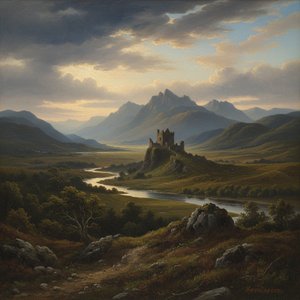
Alexander Nasmyth: Picturing Scotland's Romantic Landscape – Innovation & Identity
Explore the life & art of Alexander Nasmyth, a pivotal figure in Scottish Romantic landscape painting. Discover his iconic works, including portraits of Robert Burns, and learn about his lasting influence on national identity. Fine art reproductions available.
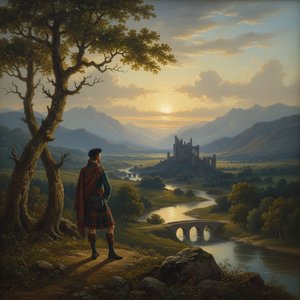
Patrick Nasmyth: A Scottish Romantic's Vision of History & the Grand Manner
Explore the captivating landscapes of Patrick Nasmyth, a key figure in Scottish Romanticism. Discover his Dutch influences, embrace of the Grand Manner, and lasting artistic legacy. Learn more at OriginalUniqueArt.

Evocations of Place: A Historical Journey Through Landscape Art
Explore the rich history of landscape art with OriginalUniqueArt. Discover renowned artists, movements like Impressionism & Romanticism, and expert guidance for collecting timeless pieces. Find your perfect serene escape today!