

 Anteprima in scala reale
 Condividi
 Condividi
 Dettagli
 Guida stampabile

 Scarica
 Articoli simili
 Radiografia
 Slideshow
 Statistiche
Calder's Circus


 Leggi tutto
L'opera d'arte visualizzata in questa pagina è protetta dalle leggi sul diritto d'autore, il che significa che non possiamo legalmente creare o vendere una riproduzione identica. Tale protezione è garantita da accordi internazionali quali la Convenzione di Berna e dalle leggi nazionali, incluse quelle stabilite da Legge sul copyright degli Stati Uniti - Titolo 17. Tutti i diritti riservati. Le immagini presenti su questo sito sono protette da copyright e non possono essere riprodotte o utilizzate senza l'autorizzazione scritta di WahooArt.com o dei rispettivi proprietari del copyright.
Questo metodo è pienamente conforme alle normative sul diritto d'autore poiché non prevede la copia o la duplicazione dell'opera protetta. Si tratta invece di una rielaborazione creativa: un nuovo dipinto che trae ispirazione dall'originale, senza tuttavia esserne identico.
Giclée / Stampe d'arte
Stampa giclée o su tela di qualità museale, con produzione rapida e diverse opzioni di finitura. ( Ordina la riproduzione dipinta a mano Passa all'immagine digitale)




P118B €10

P118H €10

P118W €10

P438Z €10

P508JH €12

P508YH €12

P805H €10

P805Z €10

P919BZ €10

P919G €10

P919XJ €10

P959ZH €10

P968JZ €12

W106C €8

W218G €10

W218JH €8

W218Y €10

W307PJ €10

W316G €10

W316PJ €8

W316Y €10

W398PJ €8

W4111J €10

W500HY €15

W500JH €15

W692G €12

W849H €8

W940BG €15

W953PJ €8




Scegli tra le nostre dimensioni predefinite, che rispettano le proporzioni originali dell'opera d'arte.

È possibile inserire dimensioni personalizzate per adattare l'opera a una cornice o a uno spazio specifico. Se la dimensione selezionata non corrisponde alle proporzioni dell'immagine originale, procederemo al ritaglio dell'opera o all'estensione dell'immagine con un bordo specchiato o a tinta unita. Un mockup digitale ti verrà inviato per approvazione prima dell'inizio della produzione.
Si prega di notare che l'anteprima a schermo non riflette il ritaglio o l'estensione effettivi. Solo il mockup mostrerà accuratamente la composizione finale.
Sebbene siano disponibili dimensioni personalizzate, si raccomanda di selezionare una dimensione dall'elenco predefinito per preservare le proporzioni originali.
Consegna in tutto il mondo () in 2 settimane invece delle normali 4/5 settimane. (13 Ottobre)

Spedizione espressa gratuita in tutto il mondo

Tela in lino di alta qualità

Assicurazione completa sulla spedizione

Garanzia di rimborso dei dazi doganali

Garanzia di perfetta fedeltà cromatica

Politica di reso entro 100 giorni (solo per difetti di fabbricazione)

Garanzia di rimborso al 100%

Sconto per acquisti multipli
 L'opzione vetro è disponibile solo per dimensioni inferiori a 110 cm

Calder's Circus
Giclée / Stampe d'arte
Dimensioni della riproduzione
-


Prezzo totale
€ 69
Alexander Milne Calder's Miniature Circus: A Testament to Precision and Play
Alexander Milne Calder’s “Calder’s Circus,” created in 1931, is more than just a charming miniature scene; it’s a meticulously crafted meditation on movement, spectacle, and the enduring allure of childhood dreams. Born in Aberdeen, Scotland, in 1898, Calder’s journey from architectural sculpture to the creation of these intricate tabletop worlds reveals a lifelong fascination with balance, form, and the expressive potential of space. This particular piece, a testament to his burgeoning skill and artistic vision, captures the vibrant energy of a circus performance within a remarkably compact scale.
The photograph itself presents a world meticulously rendered in miniature. The central circus ring, a three-tiered stage for fantastical acts, immediately draws the eye. Each performer – acrobats poised on ropes, a figure balancing with breathtaking poise, and perhaps even a clown amidst the organized chaos – is imbued with a sense of dynamic action frozen in time. Calder’s genius lies not just in depicting these figures but in conveying their movement through subtle shifts in posture and the carefully considered placement of each element. The dark background serves to amplify the richness of the colors employed, creating a dramatic contrast that enhances the visual impact.
Technique and Materials: A Masterclass in Miniature
Calder’s technique is characterized by an almost obsessive attention to detail. The craftsmanship displayed here is extraordinary, utilizing a variety of materials and textures to achieve remarkable depth within the miniature world. Notice the varied patterns and colors of the performers' costumes – each suggesting a distinct character or act, inviting the viewer to imagine the unfolding spectacle. The flooring, rendered in a realistic wooden texture, contrasts beautifully with the smooth finish of the ropes and banners, further emphasizing the tactile quality of the piece. This careful manipulation of materials speaks to Calder’s dedication to realism within his abstract forms.
The use of bold lettering – “CIRCUS” emblazoned across the flags – adds a layer of theatricality, reinforcing the theme of performance and spectacle. The placement of these banners, along with the surrounding poles, contributes to the overall sense of organized chaos that defines a circus environment. It’s clear Calder wasn't simply replicating a scene; he was constructing an illusion, a carefully orchestrated representation of a beloved tradition.
Symbolism and Historical Context
"Calder’s Circus" reflects the broader artistic trends of the early 20th century, particularly the rise of Surrealism and Dadaism. While Calder wouldn't be formally associated with these movements, his work shares their emphasis on playful distortion, dreamlike imagery, and a rejection of traditional representational norms. The circus itself has long been a potent symbol – representing escape, illusion, and the triumph of imagination over reality. Created in 1931, during the Great Depression, this piece may also be interpreted as a nostalgic yearning for simpler times and a celebration of human ingenuity and entertainment.
This miniature circus is a captivating example of Alexander Milne Calder’s artistic talent and his ability to transform everyday subjects into extraordinary works of art. A hand-painted reproduction offers an unparalleled opportunity to bring this intricate scene into your home, adding a touch of whimsy, elegance, and historical significance to any interior space.
Domande e risposte
Che emozione trasmette "Calder's Circus" come regalo?
Il tono Joyful di "Calder's Circus" di Alexander Milne Calder si sposa perfettamente con l'occasione regalo consigliata: Birthday.
Qual è il posto di "Calder's Circus" di Alexander Milne Calder nella storia dell'arte?
La classificazione storico-artistica di "Calder's Circus" di Alexander Milne Calder è Kinetic Sculpture, nel periodo 19th Century.
Cosa rappresenta "Calder's Circus"?
"Calder's Circus" di Alexander Milne Calder raffigura: circus scene, miniature art, calder sculpture, performance arts, rope act, wooden stage, flags banners.
"Calder's Circus" di Alexander Milne Calder è un'opera d'arte molto conosciuta?
Il livello di popolarità registrato per "Calder's Circus" di Alexander Milne Calder è Recognized.
Quali sono la tecnica e la data di "Calder's Circus" di Alexander Milne Calder?
"Calder's Circus" è stata realizzata nel 1931, con la tecnica Acrylic On Canvas.
Quali colori dominano "Calder's Circus" di Alexander Milne Calder?
"Calder's Circus" è caratterizzato da una tavolozza Earthy dominata dal Black (#020302).
L'opera "Calder's Circus" si trova nel paese del suo creatore?
No - l'opera si trova all'estero. L'artista è nato in Regno Unito; l'opera originale si trova in Stati Uniti d'America.
Chi è l'autore e in che anno è stata realizzata "Calder's Circus"?
L'autore di "Calder's Circus" è Alexander Milne Calder e l'opera risale al 1931.
Biografia dell'artista
Introduzione ad Alexander Milne Calder
Alexander Milne Calder era uno scultore scozzese-americano nato ad Aberdeen, in Scozia, nel 1846. È noto soprattutto per le sue sculture architettoniche del Philadelphia City Hall e sia suo figlio, Alexander Stirling Calder, che suo nipote, Alexander 'Sandy' Calder, divennero scultori importanti nel XX secolo.Primi anni e carriera
Alexander Milne Calder iniziò la sua carriera in Scozia, lavorando per lo scultore John Rhind mentre frequentava la Royal Academy di Edimburgo. Si trasferì a Londra e lavorò al Albert Memorial. Calder immigrò negli Stati Uniti nel 1868 e si stabilì a Philadelphia, dove studiò con Joseph A. Bailly e frequentò lezioni con Thomas Eakins alla Pennsylvania Academy of Fine Arts.Opere significative
Alcune delle opere più importanti di Alexander Milne Calder includono:- Philadelphia City Hall: un incarico che comprendeva più di 250 pezzi in marmo e bronzo, impiegando Calder per 20 anni per completarlo.
- William Penn: una colossale statua in bronzo destinata a coronare la torre del municipio.
- Figura indiana: una scultura antecedente alla sua installazione sul municipio.
- Portale sud e Portale ovest: illuminate con luci colorate, che mostrano l'attenzione di Calder per i dettagli.
Evoluzione artistica e influenze
Lo stile di Calder è fortemente legato all'architettura monumentale del XIX secolo, in particolare al movimento Beaux-Arts. La sua formazione presso la Pennsylvania Academy of Fine Arts sotto Eakins lo influenzò nella sua abilità tecnica e nel suo approccio realistico alla scultura. Tuttavia, il suo lavoro si distingue per l'uso innovativo di materiali come marmo e bronzo su larga scala, creando opere che integrano perfettamente architettura e arte. L’influenza del movimento Arts and Crafts è evidente nell'attenzione ai dettagli artigianali e nella funzionalità delle sue sculture.Eredità e significato storico
L'eredità di Alexander Milne Calder si estende oltre il suo lavoro stesso, poiché sia suo figlio che suo nipote divennero scultori di spicco. Le sue opere monumentali a Philadelphia City Hall sono un esempio significativo dell'arte pubblica americana del XIX secolo e testimoniano la sua capacità di creare opere d'arte su larga scala che integrano architettura e design urbano. Il suo contributo al mondo dell'arte può essere visto in vari musei, tra cui lo Smithsonian American Art Museum e la Galleria Civica d'Arte Moderna e Contemporanea di Torino. Per saperne di più su Alexander Milne Calder e il suo lavoro, visita https://OriginalUniqueArt.com/@/alexander-milne-calder o esplora la cronologia dell'arte Wahoo per una panoramica dettagliata della storia dell'arte. È importante notare che il lavoro di Alexander Milne Calder è stato riconosciuto e apprezzato da appassionati d'arte e studiosi, rendendolo una figura significativa nel mondo dell'arte. I suoi contributi continueranno ad essere celebrati e studiati per le generazioni a venire.
Alexander Milne Calder
1898 - 1976 , Regno Unito
Informazioni rapide
- Artistic Movement Or Style: Beaux-Arts, Architettonico
- Artists Or Movements Influenced By This Artist:
- Alexander Stirling Calder
- Alexander 'Sandy' Calder
- Artists Who Influenced This Artist: ['John Rhind']
- Date Of Birth: 23 agosto 1846
- Date Of Death: 4 giugno 1923
- Full Name: Alexander Milne Calder
- Nationality: Scozzese-Americano
- Notable Artworks:
- Philadelphia City Hall
- William Penn (statua)
- Figura Indiana
- Portale Sud e Ovest
- Place Of Birth (City And Country): Aberdeen, Regno Unito
Articoli correlati

I 10 Capolavori Bronzei che Hanno Rivoluzionato la Storia dell'Arte | OriginalUniqueArt
Esplora i 10 capolavori bronzei che hanno segnato la storia dell'arte! Da Rodin a Michelangelo, scopri le storie e le tecniche dietro queste sculture iconiche. Trova riproduzioni d'arte di alta qualità per decorare la tua casa con OriginalUniqueArt.com.
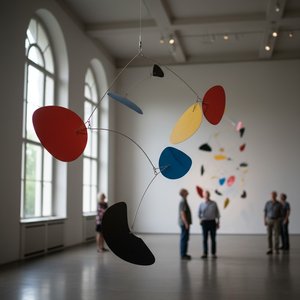
Alexander Calder: Scultura Cinetica, Arte Mobile e la Poetica del Caso – Un’Esplorazione
Esplora l'universo di Alexander Calder: dalle origini ingegneristiche alla rivoluzionaria scultura cinetica e mobile. Approfondimenti sulla poetica del caso e l'eredità artistica di un maestro del modernismo.

The Enduring Form: Sculpture Across History, Technique & Emotional Resonance
Explore the rich history of sculpture with OriginalUniqueArt. Discover key techniques, influential artists & investment potential for discerning collectors. Expert insights into valuing and collecting timeless masterpieces.

The Enduring Form: Exploring Themes & Techniques in Sculpture Across Historical Periods
Explore the rich history of sculpture from ancient masterpieces to contemporary innovations. Discover key techniques, influential artists & investment potential for discerning art collectors.

I 10 Capolavori in Bronzo che Hanno Rivoluzionato la Storia dell'Arte | OriginalUniqueArt
Esplora i 10 capolavori in bronzo che hanno segnato la storia dell'arte! Da Michelangelo a Rodin, scopri le storie e le tecniche dietro queste statue iconiche. Trova riproduzioni artistiche di alta qualità per decorare casa tua con OriginalUniqueArt.com.

