

 Anteprima in scala reale
 Condividi
 Condividi
 Dettagli
 Guida stampabile

 Scarica
 Articoli simili
 Radiografia
 Slideshow
 Statistiche
Self-Portrait
 Acrilico su tela
- Opere da parete
- Renaissance Realism
 1521
1521 127.0 x 117.0 cm
 Kunsthalle
 Leggi tutto
Giclée / Stampe d'arte
Stampa giclée o su tela di qualità museale, con produzione rapida e diverse opzioni di finitura. ( Ordina la riproduzione dipinta a mano Passa all'immagine digitale)




P118B €10

P118H €10

P118W €10

P438Z €10

P508JH €12

P508YH €12

P805H €10

P805Z €10

P919BZ €10

P919G €10

P919XJ €10

P959ZH €10

P968JZ €12

W106C €8

W218G €10

W218JH €8

W218Y €10

W307PJ €10

W316G €10

W316PJ €8

W316Y €10

W398PJ €8

W4111J €10

W500HY €15

W500JH €15

W692G €12

W849H €8

W940BG €15

W953PJ €8




Scegli tra le nostre dimensioni predefinite, che rispettano le proporzioni originali dell'opera d'arte.

Inserisci la larghezza e l'altezza desiderate, per adattarle alla tua cornice o alla tua parete. Una stampa può essere solo ritagliata, mai resa più grande dell'immagine originale; pertanto, un formato con una forma differente comporterà la perdita di una parte dell'opera. Ti invieremo un mockup digitale da approvare prima di procedere con la stampa. L'immagine mostrata in questa pagina non rappresenta il ritaglio reale — solo il mockup lo mostra.
Consegna in tutto il mondo () in 2 settimane invece delle normali 4/5 settimane. (24 Ottobre)

Spedizione espressa gratuita in tutto il mondo

Tela in lino di alta qualità

Assicurazione completa sulla spedizione

Garanzia di rimborso dei dazi doganali

Garanzia di perfetta fedeltà cromatica

Politica di reso entro 100 giorni (solo per difetti di fabbricazione)

Garanzia di rimborso al 100%

Sconto per acquisti multipli
 L'opzione vetro è disponibile solo per dimensioni inferiori a 110 cm

Self-Portrait
Giclée / Stampe d'arte
Dimensioni della riproduzione
-


Prezzo totale
€ 70
A Window into Renaissance Genius: Albrecht Dürer’s Self-Portrait
Albrecht Dürer, a name etched in the annals of art history, stands as arguably the most influential artist of the German Renaissance. Born in Nuremberg in 1471, his life was a testament to unwavering dedication and artistic innovation—a journey that culminated in the creation of one of the most enduring images of introspection and mastery: *Self-Portrait at 22*. Currently residing within the Kunsthalle Bremen’s collection, this drawing transcends mere representation; it embodies the very spirit of humanist inquiry and artistic ambition characteristic of its era.- Subject Matter & Composition: The portrait depicts Dürer in a strikingly candid pose—naked except for a gold ring adorning his finger—a deliberate choice that speaks volumes about Renaissance ideals concerning human dignity and anatomical accuracy. He holds what scholars believe to be an apple or fruit, subtly referencing biblical symbolism and highlighting the artist’s awareness of cultural narratives.
- Style & Technique: Dürer's approach aligns perfectly with the prevailing stylistic trends of his time—a fervent embrace of classical principles combined with meticulous observation of nature. The drawing is executed with unparalleled precision using graphite and chalk, demonstrating a mastery of shading techniques that create an illusion of three-dimensionality. Notice the subtle gradations of tone capturing the contours of Dürer’s face, hair, and torso.
- Historical Context: Created in 1548, *Self-Portrait at 22* reflects the intellectual fervor of the Reformation and the burgeoning humanist movement. Artists like Dürer sought to elevate human experience through art—to portray individuals with psychological depth and anatomical realism—a radical departure from medieval conventions.
- Symbolism & Significance: The inclusion of the apple is particularly noteworthy, referencing Adam and Eve’s expulsion from Paradise – a poignant reminder of mortality and the pursuit of spiritual enlightenment. Furthermore, Dürer's gaze directly confronts the viewer, establishing an intimate connection between artist and audience—a hallmark of Renaissance portraiture intended to convey both physical beauty and inner character.
- Legacy & Reproduction: Today’s reproductions capture the essence of Dürer’s genius, allowing admirers worldwide to experience the profound impact of this seminal artwork. OriginalUniqueArt offers exceptional quality prints that faithfully recreate the drawing's nuanced textures and tonal range—bringing a piece of Renaissance history into your home or studio.
Exploring Dürer’s Innovative Drawing Method
Dürer’s technique wasn’t merely skillful; it was revolutionary for its time. He meticulously studied human anatomy, dissecting cadavers to gain a deeper understanding of musculature and bone structure—a practice considered unorthodox by many contemporaries. This anatomical knowledge informed his drawing process, resulting in depictions that are remarkably accurate and expressive. The artist employed hatching and cross-hatching techniques with astonishing subtlety, creating textures that mimic the appearance of skin and muscle tissue. Consider how these lines convey not only form but also light and shadow—elements crucial to achieving a convincing illusion of reality.A Reflection of Renaissance Humanism
The Kunsthalle Bremen’s careful preservation ensures that future generations can appreciate *Self-Portrait at 22* alongside the masterpieces of Raphael, Leonardo da Vinci, and Michelangelo. This artwork embodies the humanist spirit—a belief in human potential and a fascination with the natural world—values that underpinned the Renaissance's artistic achievements. Dürer’s self-portrait serves as an enduring reminder of the transformative power of art to illuminate both the physical form and the inner soul.Domande e risposte
Dove posso acquistare un'immagine digitale di "Self-Portrait" di Albrecht Dürer?
È possibile acquistare un'immagine digitale di "Self-Portrait" di Albrecht Dürer nella sua pagina Immagine Digitale: download di un'immagine digitale ad alta risoluzione.
"Self-Portrait" è rimasta nel paese d'origine dell'artista?
No - l'opera si trova all'estero. Il paese di nascita di Albrecht Dürer è Italia, mentre il museo che custodisce l'originale di "Self-Portrait" si trova in Germania.
In quale stanza si consiglia di collocare "Self-Portrait" di Albrecht Dürer, considerando i suoi colori?
Con la sua palette Monocromatico, "Self-Portrait" di Albrecht Dürer è consigliato per un/una Zona giorno. I colori sono uno dei motivi di questo suggerimento.
Biografia dell'artista
Albrecht Dürer: Vita e Eredità
Primi Anni di Vita e Formazione
Albrecht Dürer, una figura dominante del Rinascimento tedesco, nacque il 21 maggio 1471 a Norimberga, in Germania. Suo padre, Albrecht Dürer il Vecchio, era un orefice di successo, ed è all'interno di questo ambiente artistico che l'inclino verso l'arte cominciò a fiorire. A tredici anni, iniziò la sua apprendistato con Michael Wolgemut, un artista leader a Norimberga, acquisendo competenze fondamentali in pittura, disegno e tecniche di xilografia. Un autoritratto creato nel 1484, conservato all'Albertina di Vienna, fornisce prove notevoli del suo talento precoce.
Ascesa alla Promozione e Sviluppo Artistico
Entro i suoi vent’anni, Dürer si era affermato come maestro incisore, ottenendo riconoscimento in tutta Europa. Intraprese viaggi in Italia, dove incontrò le opere dei maestri rinascimentali come Raffaello, Giovanni Bellini e Leonardo da Vinci. Queste interazioni hanno profondamente influenzato il suo stile artistico, portandolo a integrare motivi e tecniche classiche nel suo estetica nordica.
Opere Chiave e Stile Artistico
L'opera di Dürer comprende una vasta gamma di media, tra cui dipinti, incisioni, xilografie e scritti teorici. Alcune delle sue opere più celebrate includono:
- La Serie dell’Apocalisse (1498): Una collezione di quattordici xilografie che illustrano il Libro Apocalittico, mostrando la sua abilità in questo mezzo nonostante i suoi elementi stilistici gotici.
- Melencolia I (1514): Forse la sua incisione più enigmatica, Melencolia I continua ad essere un soggetto di intenso studio e interpretazione accademica.
- San Geremia nello Studio (1514): Un'abile incisione che dimostra il comando eccezionale di Dürer della prospettiva, del dettaglio e della rappresentazione simbolica.
Lo stile di Dürer è caratterizzato da un realismo meticoloso, da una precisa disegno e da una profonda comprensione dell'anatomia e della prospettiva. Era anche un pioniere nell'uso dell'acquario come mezzo indipendente.
Contributi Teorici
Oltre alla sua pratica artistica, Dürer ha apportato contributi significativi alla teoria dell’arte. Ha scritto diversi trattati sulla geometria, la proporzione e l’anatomia umana, tra cui Quattro Libri della Proporzione Umana (1528). Questi scritti dimostrano la sua convinzione nelle fondamenta matematiche dell'arte e il suo impegno per stabilire un approccio scientifico alla creazione artistica.
Eredità e Significato Storico
L’impatto di Albrecht Dürer sul mondo dell’arte è innegabile. Ha colmato il divario tra le tradizioni europee del nord e gli ideali del Rinascimento italiano, introducendo motivi classici nell'arte del nord mantenendo al contempo il suo carattere distintivo. I suoi trattati teorici hanno contribuito ad elevare lo status degli artisti e a stabilire un nuovo quadro intellettuale per la pratica artistica. Rimane una figura fondamentale nella storia dell’arte, ispirando generazioni di artisti con la sua abilità tecnica, lo spirito innovativo e la visione profonda.
Influenze
- Michael Wolgemut
- Leonardo da Vinci
- Raffaello
- Giovanni Bellini
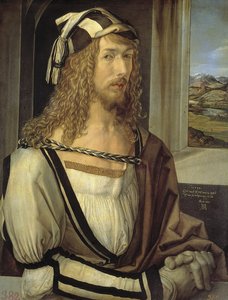
Albrecht Dürer
1471 - 1528 , Italia
Informazioni rapide
- Artisti Influenti:
- Michael Wolgemut
- Raffaello
- Giovanni Bellini
- Leonardo da Vinci
- Data Di Nascita: 21 maggio 1471
- Luogo Di Nascita: Norimberga, Italia
- Movimento Artistico: Rinascimento tedesco
- Nazionalità: Tedesca
- Nome Completo: Albrecht Dürer
- Opere Notevoli:
- Serie dell’Apocalisse
- Melencolia I
- San Geremia nello studio
Articoli correlati
The Nuances of Graphite: Exploring Emotional Depth & Technical Mastery in Pencil Drawing
Explore the captivating world of graphite drawing! Discover its rich history, master essential techniques like chiaroscuro, and learn how artists evoke emotion through this timeless medium. Expert insights for art enthusiasts.
Albrecht Dürer: I 25 Capolavori Essenziali per Amare l'Arte Rinascimentale
Esplora i 25 capolavori di Albrecht Dürer, maestro del Rinascimento tedesco. Scopri la storia, il simbolismo e le tecniche uniche dietro opere iconiche come 'Melencolia I' e 'Adamo ed Eva'. Trova riproduzioni d'arte di alta qualità per decorare la tua casa su OriginalUniqueArt.com.

Albrecht Dürer: Innovazione Rinascimentale tra Arte, Scienza e l'Introspezione dell'Autoritratto
Esplora la vita e le opere di Albrecht Dürer, genio del Rinascimento tedesco. Analisi approfondite su xilografie, autoritratti e l'innovativo connubio tra arte, scienza e spiritualità. Scopri l'eredità di questo maestro.
The Power of Graphite: Mastering Depth, Texture, and Detail in the Art of Pencil Drawing
Explore the profound artistry of graphite drawing. Discover professional techniques for mastering depth, texture, and detail through a lens of art history, from classical sketches to modern masterpieces. Elevate your understanding of the pencil medium with our expert guide.
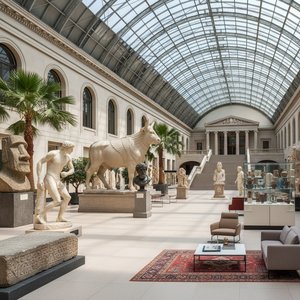
I 25 Capolavori del British Museum: Arte, Storia e Decorazioni Raffinate
Esplora i 25 capolavori del British Museum, da Rosetta Stone ai Moai! Scopri la storia, gli artisti e le emozioni dietro ogni opera. Trova riproduzioni d'arte di alta qualità per decorare casa con OriginalUniqueArt.com.


