
 Anteprima in scala reale
 Invia
Invia Condividi
 Dettagli opera
 Guida
Guida

 Scarica
 Simili
 Radiografia
 Slideshow
 Q&A
Q&A Statistiche
Hercules al Crocicchio

- 22.0 x 32.0 cm


 Espandi i dettagli
Giclée / Stampe d'arte
Stampa giclée o su tela di qualità museale, con produzione rapida e diverse opzioni di finitura. ( Acquista il dipinto realizzato a mano Passa all'immagine digitale)




P118B €10

P118H €10

P118W €10

P438Z €10

P508JH €12

P508YH €12

P805H €10

P805Z €10

P919BZ €10

P919G €10

P919XJ €10

P959ZH €10

P968JZ €12

W106C €8

W218G €10

W218JH €8

W218Y €10

W307PJ €10

W316G €10

W316PJ €8

W316Y €10

W398PJ €8

W4111J €10

W500HY €15

W500JH €15

W692G €12

W849H €8

W940BG €15

W953PJ €8




Scegli tra le nostre dimensioni predefinite, che rispettano le proporzioni originali dell'opera d'arte.

Inserisci la larghezza e l'altezza desiderate, per adattarle alla tua cornice o alla tua parete. Una stampa può essere solo ritagliata, mai resa più grande dell'immagine originale; pertanto, un formato con una forma differente comporterà la perdita di una parte dell'opera. Ti invieremo un mockup digitale da approvare prima di procedere con la stampa. L'immagine mostrata in questa pagina non rappresenta il ritaglio reale — solo il mockup lo mostra.
Consegna in tutto il mondo () in 2 settimane invece delle normali 4/5 settimane. (3 Novembre)

Spedizione espressa gratuita in tutto il mondo

Tela in lino di alta qualità

Assicurazione completa sulla spedizione

Garanzia di rimborso dei dazi doganali

Garanzia di fedeltà cromatica assoluta

Politica di reso entro 100 giorni (solo per difetti di fabbricazione)

Garanzia di rimborso al 100%

Offerta per acquisti multipli
 L'opzione vetro è disponibile solo per dimensioni inferiori a 110 cm

Hercules al Crocicchio
Giclée / Stampe d'arte
Dimensioni riproduzione
-


Prezzo finale calcolato
€ 71
Hercules at the Crossroads: A Dialogue Between Virtue and Vice
Albrecht Dürer’s “Hercules at the Crossroads,” created around 1498, stands as an emblem of Renaissance humanism's fascination with classical mythology—specifically, the tale of Hercules’s agonizing decision between a life of effortless pleasure and one fraught with hardship yet imbued with honor. This monumental engraving, housed in prestigious museums like The Metropolitan Museum of Art and Cleveland Museum of Art, transcends mere visual representation; it embodies a profound philosophical contemplation on human destiny.- Subject Matter: The image depicts Hercules standing before a bifurcated path—one leading to opulent indulgence symbolized by lush vegetation and figures representing sensual desire, the other ascending towards austere nobility represented by barren earth and solemn postures embodying moral fortitude.
- Style & Technique: Dürer’s masterful use of engraving demonstrates unparalleled precision and detail. The artist meticulously etched lines onto a copper plate, transferring them to paper through repeated impressions—a technique that ensured exceptional tonal range and textural complexity. This meticulous process reflects the Renaissance ideal of disegno (drawing), prioritizing careful observation and skillful execution.
- Historical Context: Produced during the burgeoning humanist movement in Nuremberg, “Hercules at the Crossroads” aligns with a broader intellectual preoccupation with reconciling faith and reason. Scholars debated whether earthly pursuits could truly satisfy the soul’s yearning for transcendence—a question mirrored in Hercules's dilemma. The engraving served as a visual commentary on this ongoing philosophical discourse.
- Symbolism: The two women flanking Hercules represent Virtue (Arete) and Vice (Kakia), respectively. Their contrasting poses encapsulate the central conflict of the parable: the allure of immediate gratification versus the pursuit of moral excellence. The barren earth symbolizes the ascetic path, while the flourishing vegetation embodies indulgence—a deliberate juxtaposition designed to provoke contemplation on ethical choices.
- Emotional Impact: Beyond its technical brilliance, “Hercules at the Crossroads” resonates deeply with viewers due to its exploration of fundamental human anxieties. It compels us to confront the question of whether true fulfillment lies in embracing worldly pleasures or cultivating inner virtue—a timeless theme that continues to captivate audiences centuries later.
Further Exploration: Theodore de Bry’s Influence
The engraving's enduring popularity owes much to Theodor de Bry, a Flemish engraver who championed Dürer’s work and disseminated it widely throughout Europe. De Bry’s meticulous reproductions solidified Dürer’s reputation as a visionary artist and ensured that his masterpiece would reach audiences far beyond Nuremberg—a testament to the power of printmaking in shaping cultural perceptions during the Renaissance.Notable Museums Exhibiting “Hercules at the Crossroads”
“Hercules at the Crossroads” can be admired firsthand at The Metropolitan Museum of Art (New York) and Cleveland Museum of Art. Visiting Albrecht Dürer’s House in Nuremberg offers a unique opportunity to immerse oneself in the artist's creative environment and gain insights into the artistic spirit of the era. Guided tours led by ‘Agnes Dürer’ provide an authentic cultural experience, transporting visitors back to the heart of Renaissance art history.Critical Reception & Legacy
Scholars have lauded “Hercules at the Crossroads” for its masterful composition and profound philosophical depth—a work that exemplifies the Renaissance commitment to humanist ideals and continues to inspire artists and thinkers today. Its influence extends beyond visual arts, informing discussions on ethics and moral responsibility across disciplines.Domande e risposte
Con quali altri nomi è noto Albrecht Dürer?
Altri nomi registrati per Albrecht Dürer, autore di "Hercules al Crocicchio", includono Adalbert Ajtósi, Albrecht Duerer.
Quali sono le dimensioni reali di "Hercules al Crocicchio" di Albrecht Dürer?
Le dimensioni dell'opera "Hercules al Crocicchio" di Albrecht Dürer sono 22 x 32 cm. È possibile ordinare riproduzioni in altri formati, mantenendo le stesse proporzioni.
Da dove provengono i visitatori di "Hercules al Crocicchio" di Albrecht Dürer?
La pagina Statistiche di "Hercules al Crocicchio" di Albrecht Dürer presenta le statistiche delle visite pubbliche: il numero di visite mensili di quest'opera, un confronto con le opere dell'artista più visualizzate e la provenienza dei visitatori.
Biografia dell'artista
Albrecht Dürer: Vita e Eredità
Primi Anni di Vita e Formazione
Albrecht Dürer, una figura dominante del Rinascimento tedesco, nacque il 21 maggio 1471 a Norimberga, in Germania. Suo padre, Albrecht Dürer il Vecchio, era un orefice di successo, ed è all'interno di questo ambiente artistico che l'inclino verso l'arte cominciò a fiorire. A tredici anni, iniziò la sua apprendistato con Michael Wolgemut, un artista leader a Norimberga, acquisendo competenze fondamentali in pittura, disegno e tecniche di xilografia. Un autoritratto creato nel 1484, conservato all'Albertina di Vienna, fornisce prove notevoli del suo talento precoce.
Ascesa alla Promozione e Sviluppo Artistico
Entro i suoi vent’anni, Dürer si era affermato come maestro incisore, ottenendo riconoscimento in tutta Europa. Intraprese viaggi in Italia, dove incontrò le opere dei maestri rinascimentali come Raffaello, Giovanni Bellini e Leonardo da Vinci. Queste interazioni hanno profondamente influenzato il suo stile artistico, portandolo a integrare motivi e tecniche classiche nel suo estetica nordica.
Opere Chiave e Stile Artistico
L'opera di Dürer comprende una vasta gamma di media, tra cui dipinti, incisioni, xilografie e scritti teorici. Alcune delle sue opere più celebrate includono:
- La Serie dell’Apocalisse (1498): Una collezione di quattordici xilografie che illustrano il Libro Apocalittico, mostrando la sua abilità in questo mezzo nonostante i suoi elementi stilistici gotici.
- Melencolia I (1514): Forse la sua incisione più enigmatica, Melencolia I continua ad essere un soggetto di intenso studio e interpretazione accademica.
- San Geremia nello Studio (1514): Un'abile incisione che dimostra il comando eccezionale di Dürer della prospettiva, del dettaglio e della rappresentazione simbolica.
Lo stile di Dürer è caratterizzato da un realismo meticoloso, da una precisa disegno e da una profonda comprensione dell'anatomia e della prospettiva. Era anche un pioniere nell'uso dell'acquario come mezzo indipendente.
Contributi Teorici
Oltre alla sua pratica artistica, Dürer ha apportato contributi significativi alla teoria dell’arte. Ha scritto diversi trattati sulla geometria, la proporzione e l’anatomia umana, tra cui Quattro Libri della Proporzione Umana (1528). Questi scritti dimostrano la sua convinzione nelle fondamenta matematiche dell'arte e il suo impegno per stabilire un approccio scientifico alla creazione artistica.
Eredità e Significato Storico
L’impatto di Albrecht Dürer sul mondo dell’arte è innegabile. Ha colmato il divario tra le tradizioni europee del nord e gli ideali del Rinascimento italiano, introducendo motivi classici nell'arte del nord mantenendo al contempo il suo carattere distintivo. I suoi trattati teorici hanno contribuito ad elevare lo status degli artisti e a stabilire un nuovo quadro intellettuale per la pratica artistica. Rimane una figura fondamentale nella storia dell’arte, ispirando generazioni di artisti con la sua abilità tecnica, lo spirito innovativo e la visione profonda.
Influenze
- Michael Wolgemut
- Leonardo da Vinci
- Raffaello
- Giovanni Bellini
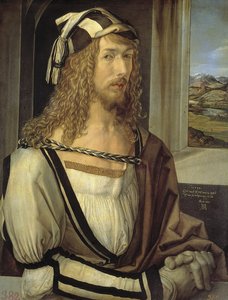
Albrecht Dürer
1471 - 1528 , Italia
Dettagli rapidi
- Artisti Influenti:
- Michael Wolgemut
- Raffaello
- Giovanni Bellini
- Leonardo da Vinci
- Data Di Nascita: 21 maggio 1471
- Luogo Di Nascita: Norimberga, Italia
- Movimento Artistico: Rinascimento tedesco
- Nazionalità: Tedesca
- Nome Completo: Albrecht Dürer
- Opere Notevoli:
- Serie dell’Apocalisse
- Melencolia I
- San Geremia nello studio
Articoli correlati
I 10 Capolavori del Rinascimento che Hanno Definito l'Arte: Scopri la Bellezza senza Tempo
Esplora i 10 capolavori del Rinascimento – Leonardo, Michelangelo, Raffaello e altri maestri. Scopri la storia, le tecniche e l'impatto di queste opere iconiche. Trova riproduzioni d'arte di alta qualità su !
I 10 Capolavori del Rinascimento Iniziale che Hanno Definito l'Arte: Scopri i Maestri
Esplora i 10 capolavori del Rinascimento italiano: Leonardo, Michelangelo, Raffaello e altri maestri. Scopri la storia, il simbolismo e le tecniche di queste opere iconiche. Trova riproduzioni d'arte di alta qualità su !

Rinascita della Bellezza: 10 Capolavori che Incarnano lo Spirito del Rinascimento
Scopri i 10 capolavori che hanno definito il Rinascimento: da Leonardo a Botticelli. Un viaggio tra tecnica, emozione e bellezza senza tempo per ispirare il tuo arredamento. Trova riproduzioni d'arte di qualità museale su OriginalUniqueArt.com. Esplora l'intera collezione online.

I 25 Capolavori di Albrecht Dürer: L'Essenza del Rinascimento Tedesco
Scopri i 25 capolavori di Albrecht Dürer e il Rinascimento tedesco. Esplora la collezione su OriginalUniqueArt.com.
I 10 Capolavori del Rinascimento che Hanno Definito un'Epoca | OriginalUniqueArt
Esplora i 10 capolavori del Rinascimento italiano: Leonardo, Michelangelo, Raffaello e altri maestri. Scopri la storia, le tecniche e l'impatto di queste opere iconiche. Stampe d'arte e riproduzioni su OriginalUniqueArt.com!


