

 Anteprima in scala reale
 Condividi
 Condividi
 Dettagli
 Guida stampabile

 Scarica
 Articoli simili
 Radiografia
 Slideshow
 Statistiche
La foresta d'Arden
 Olio
Olio- Arte da parete
- Paesaggio impressionista
 1908
1908- XIX secolo
 48.0 x 38.0 cm
 Metropolitan Museum of Art
 Leggi tutto
Riproduzione a olio fatta a mano
Olio su tela dipinto a mano nelle tue dimensioni e con la tua cornice, realizzato su ordinazione dai nostri artisti. ( Passa alle stampe Passa all'immagine digitale)




P118B €10

P118H €10

P118W €10

P438Z €10

P508JH €12

P508YH €12

P805H €10

P805Z €10

P919BZ €10

P919G €10

P919XJ €10

P959ZH €10

P968JZ €12

W106C €8

W218G €10

W218JH €8

W218Y €10

W307PJ €10

W316G €10

W316PJ €8

W316Y €10

W398PJ €8

W4111J €10

W500HY €15

W500JH €15

W692G €12

W849H €8

W940BG €15

W953PJ €8




Scegli tra le nostre dimensioni predefinite, che rispettano le proporzioni originali dell'opera d'arte.

Inserisci la larghezza e l'altezza di cui hai bisogno, per adattarle alla tua cornice o alla tua parete. Trattandosi di un'opera dipinta a mano, in caso di dimensioni con una forma differente, l'artista può dipingere un po' più oltre i bordi dell'immagine o ritagliare leggermente — la scelta spetta a te. Ti invieremo un mockup digitale da approvare prima che la pittura abbia inizio. L'immagine mostrata in questa pagina non rappresenta il risultato reale — solo il mockup lo fa.
Dopo l'ordine, il team di OriginalUniqueArt.com contatterà il cliente via e-mail per ricevere le istruzioni e fornirà un'anteprima del mockup
Consegna in tutto il mondo () in 3/4 settimane anziché nelle normali 5 settimane. (25 Ottobre). Nessun compromesso sulla qualità.

Spedizione espressa gratuita in tutto il mondo

Tela in lino di alta qualità

Assicurazione completa sulla spedizione

Garanzia di rimborso dei dazi doganali

Garanzia di perfetta fedeltà cromatica

Politica di reso entro 100 giorni (solo per difetti di fabbricazione)

Garanzia di rimborso al 100%

Sconto per acquisti multipli
 L'opzione vetro è disponibile solo per dimensioni inferiori a 110 cm

La foresta d'Arden
Tecnica di riproduzione
Dimensioni della riproduzione
-


Prezzo totale
€ 263
Un Paesaggio Onirico di Ombre e Solitudine
Nelle profondità silenziose del capolavoro del 1908 di Albert Pinkham Ryder, “La foresta d'Arden”, gli spettatori sono invitati in un regno dove i confini tra realtà e poesia si dissolvono. Questo paesaggio evocativo è molto più di un semplice studio botanico; è una profonda traduzione visiva del pastoralismo shakespeariano. Ispirandosi alle leggendarie selve della commedia del Bardo, Ryder plasma un panorama onirico che cattura l'essenza stessa dell'Arcadia—un santuario per coloro che cercano la fuga dalla marcia implacabile della società. Il dipinto respira con una quiete quasi palpabile, invitando l'osservatore a immergersi in un mondo definito dalla contemplazione e dal potere trasformativo della solitudine.
La composizione è ancorata da un senso di profonda consistenza e permanenza. A differenza dei momenti fugaci e inondati di luce catturati dai suoi contemporanei impressionisti, Ryder privilegia la profondità e la solidità. Gli alberi maestosi dominano la tela, con i loro tronchi resi in ricche tonalità terrose di ocra e marrone profondo, creando una base strutturale che appare antica quanto la terra stessa. Attraverso una magistrale semplificazione della forma, l'artista riduce complessi dettagli botanici in forme astratte e ritmiche. Questa tecnica deliberata allontana l'occhio dalla rappresentazione letterale per condurlo verso la risonanza emotiva della scena, permettendo alla tavolozza smorzata di verdi, blu e ombre di tessere un'atmosfera di serena malinconia.
Simbolismo e il Ciclo della Vita
Al cuore di questa visione boschiva giace un simbolo struggente: un albero abbattuto che riposa in primo piano. Per l'occhio attento, questo elemento funge da potente meditazione sulla dualità della natura. Mentre tradizionalmente rappresenta la mortalità e l'inevitabile decadimento di ogni essere vivente, nella visione di Ryder esso incarna simultaneamente resilienza e rigenerazione. Questa tensione tra vita e morte rispecchia i medesimi temi esplorati da Shakespeare, dove personaggi come Rosalinda e Celia trovano nuove identità e libertà tra la selvaggia natura del bosco. La presenza di due figure sottili che vagano nel paesaggio aggiunge uno strato di intrigo narrativo, suggerendo un legame umano con questo mondo naturale vasto, indifferente eppure protettivo.
Per i collezionisti e gli interior designer, “La foresta d'Arden” offre un'opportunità senza pari per introdurre un senso di profondità intellettuale e dramma silenzioso in uno spazio. La capacità del dipinto di evocare un umore di bellezza "sublime" lo rende un elemento centrale perfetto per stanze progettate per la riflessione, come biblioteche, studi o aree lounge sofisticate. Una riproduzione di alta qualità di quest'opera non si limita a decorare una parete; stabilisce un'atmosfera di atemporalità e mistero. Essa funge da finestra su un periodo dell'arte americana in cui il paesaggio veniva utilizzato per esplorare gli recessi più profondi dell'anima umana, rendendola una scelta duratura per chi apprezza l'arte che parla sia all'occhio che allo spirito.
Domande e risposte
Che orientamento ha "La foresta d'Arden" di Albert Pinkham Ryder?
Il formato di "La foresta d'Arden" è Formato verticale. Questo è utile quando si pianifica dove posizionare una riproduzione.
In che modo i colori di "La foresta d'Arden" si relazionano tra loro?
"La foresta d'Arden" di Albert Pinkham Ryder presenta un'armonia cromatica Tavolozza armoniosa e unitaria.
Quando e con quali materiali è stata realizzata "La foresta d'Arden"?
"La foresta d'Arden" è stata realizzata nel 1908, con la tecnica Olio.
Biografia dell'artista
Primi anni e formazione
Albert Pinkham Ryder, pittore statunitense, nacque il 19 marzo 1847 a New Bedford, Massachusetts. I suoi primi anni sono avvolti nel mistero, ma si sa che iniziò a dipingere paesaggi fin da giovane. Nel 1867 o 1868, la famiglia Ryder si trasferì a New York City, dove il fratello di Albert gestiva l'Hotel Albert, un punto di riferimento del Greenwich Village.Sviluppo artistico e influenze
La prima formazione artistica di Ryder avvenne con il pittore William Edgar Marshall a New York. Dal 1870 al 1873 e poi dal 1874 al 1875, studiò alla National Academy of Design, dove espose il suo primo dipinto nel 1873 e conobbe l'artista Julian Alden Weir, che divenne un amico per tutta la vita. Nel 1877, Ryder intraprese il primo dei suoi quattro viaggi in Europa, studiando la scuola barbizon francese e la scuola dell'Aia olandese, esperienze che influenzarono profondamente il suo lavoro.Stile artistico e opere notevoli
Lo stile distintivo di Ryder è caratterizzato da forme ampie, a volte indistinte, o figure stilizzate immerse in un paesaggio onirico o marino. Le sue scene sono spesso illuminate da una luce solare fioca o da una luna splendente che filtra attraverso nuvole inquietanti. Tra le opere notevoli si annovera *Misty Moonlight* (Crystal Bridges Museum of American Art, Bentonville, Stati Uniti), ispirata ai ricordi della sua infanzia sulla costa di New Bedford, Massachusetts.Gli ultimi anni e l'eredità
Dopo il 1900, la creatività di Ryder diminuì drasticamente. Trascorse il resto della sua vita a rivedere dipinti esistenti, morendo il 28 marzo 1917. Una mostra commemorativa del suo lavoro fu tenuta al Metropolitan Museum of Art di New York nel 1918. Nonostante il passare del tempo, la reputazione artistica di Ryder è rimasta intatta grazie al suo stile unico e lungimirante.- Visualizza le opere di Albert Pinkham Ryder su OriginalUniqueArt
- Acquista riproduzioni d'arte museale di dipinti famosi
- Esplora la Cape Ann Historical Association (Stati Uniti) e la sua collezione d'arte su OriginalUniqueArt

Albert Pinkham Ryder
1847 - 1917 , Stati Uniti d'America
Informazioni rapide
- Artisti Influenti:
- Barbizon School
- Hague School
- Artisti Influenzati: ['Jackson Pollock']
- Data Di Nascita: 19 marzo 1847
- Luogo Di Nascita: New Bedford, USA
- Movimento Artistico: Tonalismo e Simbolismo
- Nazionalità: Americana
- Nome Completo: Albert Pinkham Ryder
- Opere Notevoli: ['Misty Moonlight']
Articoli correlati

Grant Wood e il Regionalismo Americano: Identità, Mito e Paesaggio Rurale
Esplora il Regionalismo Americano con Grant Wood e i suoi capolavori. Analisi approfondita di 'American Gothic', contesto storico, influenze artistiche e l'eredità di questo movimento iconico. Scopri la vera essenza dell'arte rurale americana.

Realismo Americano: 10 Capolavori che Hanno Definito un'Epoca | OriginalUniqueArt
Esplora i 10 capolavori del Realismo Americano con OriginalUniqueArt. Scopri Andrew Wyeth, Edward Hopper e George Bellows. Quadri iconici, storie uniche e riproduzioni di alta qualità per la tua casa. Esplora la collezione online!

The Magic of Pastel Art: A Guide to Soft Colors and Velvately Textures in Impressionist Masterpieces
Explore the ethereal beauty of pastel art. Discover how Impressionist masters used soft hues and velvety textures to capture light. A professional guide for art enthusiasts seeking to understand, collect, and appreciate the delicate magic of this timeless medium.

The Subtleties of Pastel: A Comprehensive Exploration of Technique, History & Emotional Resonance
Explore the captivating world of pastel art! Discover its rich history, Impressionistic masters like Degas, emotional power & unique techniques. Find museum-quality reproductions at OriginalUniqueArt.
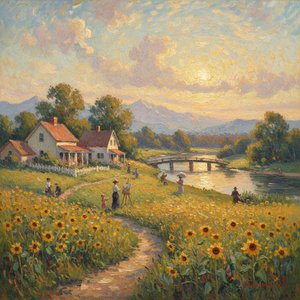
Capturing a Nation's Light: Exploring the American Impressionist Movement
Explore the captivating world of American Impressionism! Discover key artists, techniques & its lasting impact on art history. Find museum-quality reproductions and expert guidance at OriginalUniqueArt.


