

 Anteprima in scala reale
 Condividi
 Condividi
 Dettagli
 Guida stampabile

 Scarica
 Articoli simili
 Radiografia
 Slideshow
 Statistiche
Kitchen Bedroom
 1930
1930 29.0 x 39.0 cm
 Bolton Museum And Art Gallery
 Leggi tutto
Acquista un'immagine digitale ad alta risoluzione e ottimizzata, di qualità nettamente superiore all'anteprima online.
Ogni file è meticolosamente preparato dai nostri specialisti interni attraverso l'uso di strumenti avanzati e un sapiente ritocco manuale. Garantiamo che ogni immagine presenti una chiarezza eccezionale, una precisione cromatica impeccabile e dettagli raffinati.
Il file finale viene consegnato via e-mail entro 72 ore, ottimizzato per un uso immediato in contesti professionali, editoriali e di stampa. Si tratta della stessa qualità affidata ai più prestigiosi studi di design, editori e gallerie d'arte.
Immagine Digitale
Scarica un file ad alta risoluzione per uso personale, per la stampa e per progetti creativi. ( Passa alle stampe Ordina la riproduzione dipinta a mano)
Incluso in ogni acquisto di immagini digitali
Consegna digitale professionale e garantita
Quando scegli OriginalUniqueArt.com, non riceverai solo un'immagine: riceverai un'opera d'arte digitale professionalmente ottimizzata, realizzata con la massima precisione e accompagnata da una garanzia di soddisfazione. Ecco tutto ciò che include il tuo ordine, automaticamente:

Consegna rapida via email
Riceverai il file dell'immagine digitale ad alta risoluzione via email entro 72 ore dall'ordine, pronto per un uso immediato.

File digitale potenziato dall'IA
La tua opera d'arte viene ottimizzata professionalmente attraverso l'uso di strumenti avanzati di intelligenza artificiale e una revisione manuale, garantendo il massimo livello di dettaglio, nitidezza e accuratezza cromatica.

Riconsegna gratuita a vita
Hai eliminato o perso accidentalmente il tuo file? Non preoccuparti: te lo invieremo di nuovo in qualsiasi momento, gratuitamente.

Nessun costo di importazione, mai
Goditi la tua opera d'arte istantaneamente senza costi doganali, dazi o spese di spedizione: i download digitali sono sempre esenti da tasse.

Garanzia di fedeltà cromatica
Garantiamo che la tua immagine digitale rifletta i colori originali con la massima fedeltà, grazie all'uso di strumenti professionali e a una gestione accurata del colore.

Garanzia soddisfatti o rimborsati 100 giorni
Se non sei soddisfatto della tua immagine digitale, la revisioneremo o ti rimborseremo il 100% entro 100 giorni, senza domande.

Garanzia di rimborso al 100%
Non sei soddisfatto? Ricevi un rimborso completo entro 100 giorni dal ricevimento del tuo file digitale, senza dover fornire spiegazioni.

Sconti per ordini multipli
Acquista 3 immagini, risparmia il 10% - Acquista 5, risparmia il 15% - Acquista 10+, risparmia il 20%. Ideale per progetti creativi, gallerie e agenzie.
Biografia dell'artista
Albert Edward Turpin: A Chronicle of the East End in Paint
Albert Edward Turpin’s life and art are inextricably linked to the vibrant, often overlooked, tapestry of Bethnal Green and its surrounding districts during the early 20th century. Born in 1900 into a family struggling with precarious employment – his father a tea-cooper, feather sorter, and occasional docker – Turpin’s early years were defined by economic hardship and a keen awareness of the realities of working-class life. This formative experience would profoundly shape his artistic vision, driving him to capture not just the visual landscape but also the spirit and resilience of his community. His story is one of unexpected talent emerging from humble beginnings, culminating in recognition within a significant, yet often forgotten, art movement.
Turpin’s formal artistic training was modest, primarily consisting of evening classes at the Bethnal Green Working Men's Institute and the Bow & Bromley Commercial Institute. These institutions provided him with foundational skills – perspective, composition, and an introduction to various painting techniques – but it was his own observations and experiences that truly informed his work. Crucially, he found a mentor in John Cooper, a respected artist and teacher who headed the East London Art Club, a collective dedicated to portraying the lives and scenes of the East End.
The East London Group and Turpin’s Style
Turpin's artistic journey truly began with his involvement in the East London Group, an influential collective of artists active from the late 1920s through the mid-1930s. This group sought to document the rapidly changing landscape of London’s East End – a district undergoing significant industrial decline and social transformation. Unlike many contemporary artists who focused on grand historical or mythological subjects, the East London Group prioritized depicting everyday life: street scenes, market stalls, working-class homes, and the faces of ordinary people. Turpin's contribution to this movement was particularly notable for his ability to imbue these scenes with a sense of authenticity and emotional resonance.
Turpin’s style is often described as realist, but it transcends simple imitation. He possessed a remarkable eye for detail, meticulously rendering the textures of brickwork, the folds of clothing, and the expressions on faces. His palette was generally muted – dominated by earthy tones and subtle gradations of color – reflecting the gritty reality of his subject matter. However, he wasn’t afraid to inject moments of vibrancy into his work, particularly in depictions of market scenes or street life, capturing the energy and bustle of these spaces.
Notable amongst Turpin's subjects were poignant portrayals of poverty and hardship – images like *Man Must Eat*, depicting a man scavenging for food from a rubbish bin, served as stark reminders of the struggles faced by many in his community. Yet, even in these difficult scenes, there was an underlying sense of dignity and resilience. He also captured the beauty of everyday moments: a group of men gathered at an alehouse, children playing in the streets, or the simple pleasures of market life.
A Dual Life: Painter and Firefighter
Turpin’s artistic pursuits were often interwoven with his practical profession as a window cleaner. This seemingly mundane occupation provided him with unparalleled access to the streets and buildings he depicted – offering a unique vantage point for observation and inspiration. He famously insisted on finishing all his windows by lunchtime, dedicating the afternoon to painting. This dual life—the physical labor of a window cleaner and the creative pursuit of an artist—became a defining characteristic of Turpin’s existence.
During World War II, Turpin joined the London Fire Brigade, further solidifying his connection to the East End community. He served with distinction, earning commendations for bravery and contributing significantly to the war effort. His wartime experiences undoubtedly influenced his art, adding a layer of urgency and social commentary to his work. Following the war, he was elected Mayor of Bethnal Green in 1946 – an unexpected honor that reflected the respect and affection held for this unassuming artist.
Legacy and Recognition
Despite his significant contributions to the East London Group and his undeniable talent, Turpin’s work remained largely overlooked during his lifetime. His subject matter—the lives of ordinary people—was often deemed unsuitable for the established art market. However, in recent years, there has been a growing appreciation for Turpin's artistic legacy. His paintings are now recognized as important documents of East End life and powerful expressions of social consciousness.
Recent exhibitions, including those organized by Spitalfields Life and the Contemporary Art Society, have brought Turpin’s work to a wider audience, highlighting his unique perspective and enduring appeal. His story serves as a reminder that artistic talent can emerge from unexpected places and that even the most humble of lives can leave a lasting mark on the world.
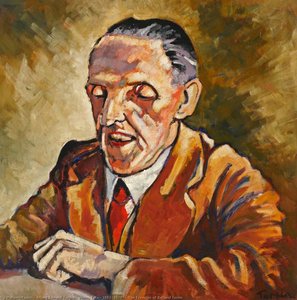
albert edward turpin
1900 - 1964