

 Anteprima in scala reale
 Condividi
 Condividi
 Dettagli
 Guida stampabile

 Scarica
 Articoli simili
 Radiografia
 Slideshow
 Statistiche
Queen Bianca
 Acrylic On Canvas
- WallArt
- Albert Edelfelt, Queen Bianca
 1877
1877- Renaissance
 75.0 x 96.0 cm
 Museo Ateneo d'Arte
 Leggi tutto
Riproduzione a olio fatta a mano
Olio su tela dipinto a mano nelle tue dimensioni e con la tua cornice, realizzato su ordinazione dai nostri artisti. ( Passa alle stampe Passa all'immagine digitale)




P118B €10

P118H €10

P118W €10

P438Z €10

P508JH €12

P508YH €12

P805H €10

P805Z €10

P919BZ €10

P919G €10

P919XJ €10

P959ZH €10

P968JZ €12

W106C €8

W218G €10

W218JH €8

W218Y €10

W307PJ €10

W316G €10

W316PJ €8

W316Y €10

W398PJ €8

W4111J €10

W500HY €15

W500JH €15

W692G €12

W849H €8

W940BG €15

W953PJ €8




Scegli tra le nostre dimensioni predefinite, che rispettano le proporzioni originali dell'opera d'arte.

Inserisci la larghezza e l'altezza di cui hai bisogno, per adattarle alla tua cornice o alla tua parete. Trattandosi di un'opera dipinta a mano, in caso di dimensioni con una forma differente, l'artista può dipingere un po' più oltre i bordi dell'immagine o ritagliare leggermente — la scelta spetta a te. Ti invieremo un mockup digitale da approvare prima che la pittura abbia inizio. L'immagine mostrata in questa pagina non rappresenta il risultato reale — solo il mockup lo fa.
Dopo l'ordine, il team di OriginalUniqueArt.com contatterà il cliente via e-mail per ricevere le istruzioni e fornirà un'anteprima del mockup
Consegna in tutto il mondo () in 3/4 settimane anziché nelle normali 5 settimane. (20 Ottobre). Nessun compromesso sulla qualità.

Spedizione espressa gratuita in tutto il mondo

Tela in lino di alta qualità

Assicurazione completa sulla spedizione

Garanzia di rimborso dei dazi doganali

Garanzia di perfetta fedeltà cromatica

Politica di reso entro 100 giorni (solo per difetti di fabbricazione)

Garanzia di rimborso al 100%

Sconto per acquisti multipli
 L'opzione vetro è disponibile solo per dimensioni inferiori a 110 cm

Queen Bianca
Tecnica di riproduzione
Dimensioni della riproduzione
-


Prezzo totale
€ 262
The Enigmatic Majesty of Queen Bianca
Albert Edelfelt’s “Queen Bianca,” painted in 1877, isn't merely a portrait; it’s a carefully constructed tableau of Victorian ideals and nascent Finnish national identity. The painting captures a woman radiating quiet authority and profound tenderness – a figure both regal and intimately maternal. At first glance, the scene presents a domestic intimacy: a woman, identified as Queen Bianca (a reference to the Shakespearean character), cradles her child in a gesture of unwavering devotion. However, beneath this surface serenity lies a complex layering of symbolism and historical context, reflecting Edelfelt’s ambition to elevate Finnish art onto an international stage.
The composition itself is meticulously balanced. The woman, rendered with a subtle realism that eschews the overly idealized depictions common in court portraits, occupies the central space, her gaze direct yet gentle. Her attire – a flowing white gown and delicate jewelry – speaks to her status while simultaneously conveying an understated elegance. Crucially, she’s not posed dramatically; instead, she appears caught in a moment of quiet contemplation, suggesting a deeper narrative beyond simple motherhood. The child, nestled securely within her arms, mirrors her composure, hinting at a lineage of strength and grace. To the right, a richly upholstered couch provides a sense of domestic comfort, while a chair positioned near the left edge subtly introduces an element of formality, anchoring the scene within a refined setting.
A Painter’s Journey: Edelfelt's Artistic Evolution
Albert Edelfelt’s artistic trajectory is inextricably linked to his evolving understanding of Finnish identity. Born in Porvoo, Finland, in 1854, he initially trained in Antwerp and Paris, immersing himself in the traditions of historical painting – a genre favored by the academies of those eras. However, it was his time in France that exposed him to the burgeoning Impressionist movement, influencing his approach to light, color, and brushwork. Returning to Finland, Edelfelt skillfully blended these diverse influences, creating a style characterized by its naturalism, emotional depth, and meticulous attention to detail. “Queen Bianca” exemplifies this synthesis; it’s both rooted in academic training and infused with the spirit of modern artistic experimentation.
The painting's creation coincided with a period of significant social and political change in Finland. The country was transitioning from Russian rule towards independence, and artists like Edelfelt sought to capture the essence of Finnish culture and values. “Queen Bianca” can be interpreted as an allegory for the nation itself – a symbol of strength, resilience, and maternal care. The woman’s dignified bearing reflects the aspirations of a newly independent Finland, while her tender embrace embodies the enduring values of family and community.
Technique and Material: A Study in Detail
Edelfelt's mastery lies not only in his composition but also in his technical execution. He employed a layering technique, building up the image through numerous thin glazes of oil paint, creating a luminous surface that captures subtle shifts in light and shadow. The brushwork is remarkably delicate, particularly evident in the rendering of the woman’s gown and the child's clothing – each fabric texture meticulously depicted with remarkable precision. The use of color is restrained yet evocative; soft blues, greens, and creams dominate the palette, creating a sense of serenity and warmth.
Notably, Edelfelt utilized a technique known as *alla prima*, working directly onto the canvas without extensive underpainting. This approach allowed him to capture the immediacy of the moment and imbue the painting with a palpable sense of emotion. The subtle variations in tone and color – particularly in the shadows cast by the furniture – contribute significantly to the painting’s atmospheric depth and realism. The choice of canvas, likely linen, further enhanced the richness and texture of the work.
Symbolism and Emotional Resonance
Beyond its technical merits, “Queen Bianca” is rich in symbolic meaning. The child represents not only lineage but also the future – a symbol of hope and continuity for Finland. The woman’s gaze, direct and unwavering, conveys a sense of quiet confidence and authority. She isn't merely a mother; she embodies strength, wisdom, and resilience. The setting itself—a comfortable yet refined room—suggests a stable and secure environment, reflecting the values that Edelfelt sought to promote through his art.
Ultimately, “Queen Bianca” is a powerful meditation on motherhood, national identity, and the enduring human spirit. It’s a painting that invites contemplation, prompting viewers to consider the complex interplay of tradition and modernity, strength and tenderness, and the timeless beauty of family bonds. Reproductions of this iconic work offer a captivating glimpse into Edelfelt's artistic vision and provide a poignant reminder of Finland’s rich cultural heritage.
Domande e risposte
Per quale motivo lo stato del copyright di "Queen Bianca" è questo?
Lo stato del copyright di "Queen Bianca" - di pubblico dominio - il suo copyright è scaduto - deriva dalla morte dell'artista avvenuta nel 1905.
L'opera "Queen Bianca" è complessivamente più luminosa o più scura?
"Queen Bianca" ha una luminosità complessiva di deep_shadow, con una luminanza pari a Soft Shadow.
In che modo lo stile di "Queen Bianca" si relaziona all'epoca del suo autore?
In "Queen Bianca" di Albert Edelfelt, il movimento Albert Edelfelt, Queen Bianca incontra l'epoca XIX secolo.
Biografia dell'artista
La Vita e l'Opera di Albert Edelfelt
Albert Gustaf Aristides Edelfelt (Porvoo, 21 luglio 1854 – Porvoo, 18 agosto 1905) è stato un pittore finlandese considerato uno dei più importanti artisti del suo paese e una figura chiave nel movimento realista finlandese. La sua opera si distingue per la combinazione di influenze francesi con una sensibilità nordica unica.
Primi Anni e Formazione
Nato in Finlandia da genitori di origine svedese, Edelfelt mostrò fin da giovane un talento eccezionale per l'arte. Il padre, Carl Albert Edelfelt, era architetto, mentre la madre, Alexandra Brandt, contribuì a sostenere gli interessi artistici del figlio. Dopo la morte prematura del padre, Edelfelt ricevette una formazione di base presso la Scuola di Disegno della Società Artistica Finlandese ad Helsinki. Nel 1873 ottenne una borsa di studio governativa che lo portò all'Accademia d'Arte di Anversa in Belgio, dove studiò pittura storica sotto la guida di Nicaise de Keyser.
- 1869: Inizia gli studi presso la Scuola di Disegno della Società Artistica Finlandese.
- 1873-1874: Studia all'Accademia d'Arte di Anversa, Belgio.
Periodo Parigino e Sviluppo Artistico
Nel 1874 Edelfelt si trasferì a Parigi, il centro artistico più importante dell'epoca, per frequentare l'École Nationale des Beaux-Arts sotto la guida di Jean-Léon Gérôme. Questo periodo fu cruciale per lo sviluppo del suo stile, influenzato dal realismo francese e dall'attenzione al dettaglio. A Parigi, Edelfelt si dedicò principalmente alla pittura di ritratti e scene storiche, ottenendo un notevole successo e riconoscimenti internazionali.
- 1874-1878: Studia all'École Nationale des Beaux-Arts a Parigi.
- Si dedica alla pittura di ritratti e scene storiche.
Opere Principali e Stile Artistico
Edelfelt è noto per i suoi ritratti realistici, che catturano non solo la somiglianza fisica dei soggetti ma anche la loro personalità e il loro stato d'animo. Tra le sue opere più celebri si annoverano:
- Ritratto di Louis Pasteur (1886): Un ritratto iconico che gli valse il riconoscimento della Legion d'Onore in Francia.
- Giovane donna nel suo boudoir: Un esempio magistrale della sua capacità di rappresentare la femminilità e l'intimità.
- Sotto i Betuli (1882): Una scena paesaggistica che celebra la bellezza della natura finlandese.
- Il Figlio dell'Artista Erik nel suo Carretto: Un’opera impressionista che cattura l'innocenza e la tranquillità.
Lo stile di Edelfelt si caratterizza per un realismo attento ai dettagli, una pennellata fluida e una luce soffusa che conferisce alle sue opere un'atmosfera malinconica e suggestiva.
Influenza e Legacy
Albert Edelfelt è considerato il padre dell'arte realista finlandese e ha avuto un'influenza significativa sulle generazioni successive di artisti finlandesi, tra cui Akseli Gallen-Kallela e Gunnar Berndtson. Il suo successo internazionale contribuì a portare l'attenzione sulla scena artistica finlandese e a promuovere la cultura del suo paese. La sua opera è oggi ammirata in numerosi musei in Finlandia e all'estero, testimoniando il suo ruolo fondamentale nella storia dell'arte.
- Ha influenzato Akseli Gallen-Kallela e Gunnar Berndtson.
- Le sue opere sono esposte in importanti musei finlandesi e internazionali.
Riconoscimenti Postumi
La figura di Edelfelt è stata celebrata anche dopo la sua morte. Nel 2004, la Banca della Finlandia ha emesso una moneta commemorativa da €100 per celebrare il suo 150° anniversario di nascita, a testimonianza del suo impatto duraturo sulla cultura finlandese.

Albert Edelfelt
1854 - 1905 , Finlandia
Informazioni rapide
- Artistic Movement Or Style: Realismo
- Artists Or Movements Influenced By This Artist:
- Akseli Gallen-Kallela
- Gunnar Berndtson
- Artists Who Influenced This Artist: ['Jean-Léon Gérôme']
- Date Of Birth: 21 luglio 1854
- Date Of Death: 18 agosto 1905
- Full Name: Albert Gustaf Aristides Edelfelt
- Nationality: Finlandese
- Notable Artworks:
- Ritratto di Louis Pasteur
- Giovane donna nel suo boudoir
- Sotto i betuli
- Place Of Birth (City And Country): Porvoo, Finlandia
Articoli correlati

Akseli Gallen-Kallela: Identità Finlandese tra Romanticismo Nazionale e Simbolismo – Un’Analisi Visiva del Kalevala
Esplora l'opera di Akseli Gallen-Kallela e il suo ruolo cruciale nel Romanticismo Nazionale Finlandese. Analisi approfondita del Kalevala, del Simbolismo artistico e delle sue opere iconiche. Scopri la sua eredità culturale.

Albert Goodwin: Capturing Victorian Light & Atmosphere – A Study in Landscape Painting
Explore the captivating landscapes of Albert Goodwin (1845-1932), a celebrated Victorian watercolourist influenced by Turner & Ruskin. Discover his techniques, prolific collection, and lasting legacy in British art history.
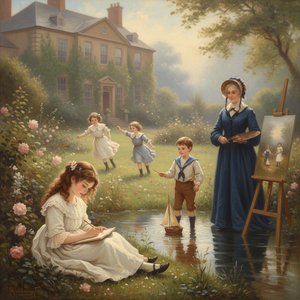
James Sant: Capturing Victorian Childhood & the Evolving Landscape of British Genre Painting
Explore the life & art of James Sant (1820-1916), renowned Victorian portraitist to Queen Victoria. Discover his captivating depictions of childhood, landscapes, and aristocratic society. Learn about his legacy & find fine art reproductions.
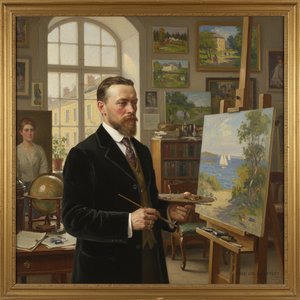
Albert Edelfelt: Un Pioniere del Realismo Finlandese e i Circoli Impressionisti Internazionali
Scopri la vita e le opere di Albert Edelfelt, pioniere del realismo finlandese e figura chiave dell'impressionismo europeo. Analisi approfondita della sua arte, dai ritratti alle scene di genere, e il suo contributo all'identità artistica finlandese.

The Refined Aesthetic of Victorian Illustration: A Study in Narrative & Technique
Explore the captivating world of Victorian illustration! Discover Pre-Raphaelite influences, key artists like Rossetti & Stephens, and the era's rich narrative detail. A deep dive for art enthusiasts.


