Anteprima in scala reale
 Condividi
 Condividi
 Dettagli
 Guida stampabile

 Scarica
 Articoli simili
 Radiografia
 Slideshow
 Statistiche
St. Bartholomew


 Leggi tutto
Riproduzione a olio fatta a mano
Olio su tela dipinto a mano nelle tue dimensioni e con la tua cornice, realizzato su ordinazione dai nostri artisti. ( Passa alle stampe Passa all'immagine digitale)




P118B €10

P118H €10

P118W €10

P438Z €10

P508JH €12

P508YH €12

P805H €10

P805Z €10

P919BZ €10

P919G €10

P919XJ €10

P959ZH €10

P968JZ €12

W106C €8

W218G €10

W218JH €8

W218Y €10

W307PJ €10

W316G €10

W316PJ €8

W316Y €10

W398PJ €8

W4111J €10

W500HY €15

W500JH €15

W692G €12

W849H €8

W940BG €15

W953PJ €8




Scegli tra le nostre dimensioni predefinite, che rispettano le proporzioni originali dell'opera d'arte.

Inserisci la larghezza e l'altezza di cui hai bisogno, per adattarle alla tua cornice o alla tua parete. Trattandosi di un'opera dipinta a mano, in caso di dimensioni con una forma differente, l'artista può dipingere un po' più oltre i bordi dell'immagine o ritagliare leggermente — la scelta spetta a te. Ti invieremo un mockup digitale da approvare prima che la pittura abbia inizio. L'immagine mostrata in questa pagina non rappresenta il risultato reale — solo il mockup lo fa.
Dopo l'ordine, il team di OriginalUniqueArt.com contatterà il cliente via e-mail per ricevere le istruzioni e fornirà un'anteprima del mockup
Consegna in tutto il mondo () in 3/4 settimane anziché nelle normali 5 settimane. (25 Ottobre). Nessun compromesso sulla qualità.

Spedizione espressa gratuita in tutto il mondo

Tela in lino di alta qualità

Assicurazione completa sulla spedizione

Garanzia di rimborso dei dazi doganali

Garanzia di perfetta fedeltà cromatica

Politica di reso entro 100 giorni (solo per difetti di fabbricazione)

Garanzia di rimborso al 100%

Sconto per acquisti multipli
 L'opzione vetro è disponibile solo per dimensioni inferiori a 110 cm

St. Bartholomew
Tecnica di riproduzione
Dimensioni della riproduzione
-


Prezzo totale
€ 263
A Study in Suffering: Bronzino’s St. Bartholomew
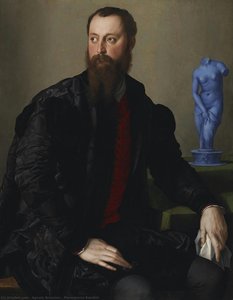
Agnolo Bronzino's "St. Bartholomew," a haunting oil on wood painting dating from the 16th century, offers a profoundly unsettling glimpse into religious martyrdom and the meticulous observation of human anatomy that defined the artist’s legacy. Sold to the Accademia di San Luca in 1821 after decades of misattribution, this work – alongside its counterpart depicting St. Andrew – represents a pivotal moment in art historical understanding. Initially linked to the hands of Alessandro Allori or his master, Bronzino himself is now recognized as the true author, thanks to meticulous conservation efforts undertaken between 1985 and 1987 that revealed the painting’s exquisite detail and technical mastery.
- Subject Matter: The scene depicts St. Bartholomew, a disciple of Christ, enduring his brutal flaying alive – a common motif in early Christian art representing faith and sacrifice.
- Technical Brilliance: Bronzino’s skill is immediately apparent in the shockingly realistic depiction of Bartholomew's musculature. This anatomical precision owes a significant debt to Andreas Vesalius’s groundbreaking “De Humani Corporis Fabrica,” published in 1543, demonstrating Bronzino’s commitment to scientific accuracy within his artistic practice.
- Composition & Figures: The composition is deliberately stark and dramatic, focusing entirely on the suffering of the saint. Secondary figures – a man on the left and another near the upper right corner, along with a third at the bottom right – add layers of complexity, perhaps representing witnesses or participants in this agonizing event.
The Mannerist Aesthetic: Coolness and Detail
Bronzino was a key figure within the Mannerist movement, a style that emerged as a reaction against the High Renaissance’s emphasis on balance and harmony. Unlike the idealized forms of Leonardo or Raphael, Bronzino favored a more restrained, intellectual approach to beauty. His work is characterized by a cool composure, precise detail, and an almost unsettling stillness – qualities perfectly embodied in “St. Bartholomew.” This deliberate lack of emotional exuberance was a hallmark of Mannerism, prioritizing observation and technical skill over passionate expression.
Born in Florence in 1503, Bronzino’s early training under Raffaellino del Garbo and Jacopo da Pontormo laid the groundwork for his distinctive style. While influenced by Pontormo's innovative approach, Bronzino ultimately developed a voice defined by refined detail and a detached observation of the human form – a characteristic that would solidify his reputation as “the Florentine Master of Reserved Elegance.”
Symbolism and Historical Context
The flaying of St. Bartholomew carries profound symbolic weight within Christian iconography. It represents unwavering faith in the face of unimaginable suffering, mirroring Christ’s own sacrifice. The scene's stark realism reflects a shift in artistic sensibilities during the Renaissance, where artists increasingly sought to represent the world with scientific accuracy and emotional depth. Bronzino’s meticulous rendering of Bartholomew’s agony speaks to this desire for both visual truth and spiritual contemplation.
The painting’s eventual attribution to Bronzino after centuries of uncertainty underscores the importance of careful historical research and conservation in art appreciation. The 1985-1987 cleaning revealed the full extent of Bronzino's genius, solidifying his place as one of the most significant artists of the Florentine Renaissance.
A Timeless Masterpiece – Perfect for Display
"St. Bartholomew" is more than just a historical artwork; it’s a powerful meditation on faith, suffering, and the human condition. Its dramatic composition, technical brilliance, and profound symbolism make it a compelling subject for art lovers and collectors alike. A hand-painted reproduction of this iconic piece offers an unparalleled opportunity to bring this masterpiece into your home or office – a testament to Bronzino’s enduring legacy and a captivating addition to any discerning collection.
Domande e risposte
Quali sono i diritti di riproduzione di "St. Bartholomew" presso il Accademia di San Luca?
L'originale "St. Bartholomew" si trova presso Accademia di San Luca e l'opera è di pubblico dominio - il suo copyright è scaduto.
L'immagine di "St. Bartholomew" di Agnolo Bronzino può essere riprodotta liberamente?
Lo stato del copyright per "St. Bartholomew" di Agnolo Bronzino: l'opera è di pubblico dominio - il suo copyright è scaduto. Ciò determina se sia possibile effettuare liberamente riproduzioni dell'immagine.
Che atmosfera trasmette "St. Bartholomew"?
"St. Bartholomew" ha un'atmosfera Elegant.
Biografia dell'artista
La Vita e la Formazione di Agnolo Bronzino
Agnolo di Cosimo, conosciuto come Il Bronzino, nacque a Monticelli, vicino Firenze, il 17 novembre 1503. Figlio di un macellaio, ricevette la sua prima formazione artistica da Raffaellino del Garbo e successivamente fu apprendista presso Pontormo, figura chiave del primo Manierismo. Questa fase formativa fu cruciale per lo sviluppo del suo stile unico.Lo Stile Artistico e le Influenze
Bronzino si distinse per uno stile caratterizzato da figure eleganti, calme e composte, in netto contrasto con l'agitazione emotiva presente nelle opere di Pontormo. I suoi ritratti, in particolare quelli dell’aristocrazia fiorentina, sono rinomati per la minuziosa attenzione ai dettagli e hanno profondamente influenzato la ritrattistica europea per secoli. L'influenza di Michelangelo e Leonardo da Vinci è evidente nella sua capacità di rendere l'anatomia umana con precisione e grazia.Opere Principali e Successi
Bronzino realizzò numerose opere significative, tra cui:- Venere, Cupido, Follia e Tempo (c. 1544-45), un'allegoria complessa conservata alla National Gallery di Londra.
- I ritratti di Cosimo I de’ Medici e sua moglie Eleonora di Toledo, che testimoniano la sua maestria nella ritrattistica manierista e il suo ruolo alla corte medicea.
- Ritratti idealizzati dei poeti Dante (c. 1530) e Petrarca, che dimostrano la sua abilità nel catturare l'essenza intellettuale dei suoi soggetti.
- Deposizione di Cristo (1545), un dipinto a olio su tavola conservato al Musée des Beaux-Arts di Besançon, rivela una profonda spiritualità e maestria tecnica.
La Carriera alla Corte Medicea e l'Eredità
Bronzino divenne il pittore ufficiale della corte del duca di Toscana, ricoprendo questa posizione per gran parte della sua carriera. La sua arte fu strettamente legata al potere e all’immagine dei Medici, contribuendo a definire lo stile visivo dell’epoca. Fu un membro fondatore dell'Accademia delle Arti del Disegno fiorentina nel 1563, testimoniando il suo prestigio artistico e intellettuale. Morì a Firenze il 23 novembre 1572, lasciando un'eredità duratura come uno dei più importanti pittori manieristi italiani. La sua influenza si estese ben oltre la sua morte, continuando ad ispirare artisti e studiosi per secoli.
Agnolo Bronzino
1503 - 1572 , Italia
Informazioni rapide
- Artisti Influenti:
- Pontormo
- Raffaellino del Garbo
- Data Di Nascita: 17 novembre 1503
- Influenze Artistiche: Ritratto europeo, Manierismo
- Luogo Di Nascita: Firenze, Italia
- Movimento Artistico: Mannerismo
- Nazionalità: Italiana
- Nome Completo: Agnolo Bronzino
- Opere Notevoli:
- Venere, Cupido e Tempo
- Ritratti dei Medici
- Dante (ritratto)
- Petrarca (ritratto)
Articoli correlati

The Enduring Legacy of Oil on Canvas: Technique, History & Aesthetic Impact
Explore the rich history & techniques of oil painting – from Renaissance masters to Impressionism. Discover pigments, layering methods, and why this timeless medium endures. Expert insights for artists & art enthusiasts.

Oil on Board: A Historical Survey of Technique, Aesthetic Qualities & Enduring Appeal
Explore the rich history of oil on board painting! Discover techniques, aesthetic qualities & enduring appeal from early masters to modern practice. Expert insights for collectors and art enthusiasts.

Oil on Canvas: A Historical & Technical Exploration of a Timeless Artistic Medium
Explore the rich history & enduring techniques of oil painting on canvas. Discover the science behind its longevity, conservation practices, and contemporary relevance. Expert insights for art enthusiasts.

The Enduring Power of Painting: A Historical & Contemporary Exploration of Form and Emotion
Explore the rich history & enduring techniques of oil painting with OriginalUniqueArt. Discover masterpieces, learn about art collecting, and find authentic handmade reproductions crafted by skilled artists.

The Timeless Charm of Oil on Board: Reimagining Texture and Light through the Impressionist Lens
Discover the profound intimacy of oil on panel. Explore how Impressionist masters used rigid supports to capture light, texture, and impasto depth through exquisite, handmade oil reproductions for discerning collectors.