Anteprima in scala reale
 Condividi
 Condividi
 Dettagli
 Guida stampabile

 Scarica
 Articoli simili
 Radiografia
 Slideshow
 Statistiche
Resurrection


 Leggi tutto
Giclée / Stampe d'arte
Stampa giclée o su tela di qualità museale, con produzione rapida e diverse opzioni di finitura. ( Ordina la riproduzione dipinta a mano Passa all'immagine digitale)




P118B €10

P118H €10

P118W €10

P438Z €10

P508JH €12

P508YH €12

P805H €10

P805Z €10

P919BZ €10

P919G €10

P919XJ €10

P959ZH €10

P968JZ €12

W106C €8

W218G €10

W218JH €8

W218Y €10

W307PJ €10

W316G €10

W316PJ €8

W316Y €10

W398PJ €8

W4111J €10

W500HY €15

W500JH €15

W692G €12

W849H €8

W940BG €15

W953PJ €8




Scegli tra le nostre dimensioni predefinite, che rispettano le proporzioni originali dell'opera d'arte.

Inserisci la larghezza e l'altezza desiderate, per adattarle alla tua cornice o alla tua parete. Una stampa può essere solo ritagliata, mai resa più grande dell'immagine originale; pertanto, un formato con una forma differente comporterà la perdita di una parte dell'opera. Ti invieremo un mockup digitale da approvare prima di procedere con la stampa. L'immagine mostrata in questa pagina non rappresenta il ritaglio reale — solo il mockup lo mostra.
Consegna in tutto il mondo () in 2 settimane invece delle normali 4/5 settimane. (23 Ottobre)

Spedizione espressa gratuita in tutto il mondo

Tela in lino di alta qualità

Assicurazione completa sulla spedizione

Garanzia di rimborso dei dazi doganali

Garanzia di perfetta fedeltà cromatica

Politica di reso entro 100 giorni (solo per difetti di fabbricazione)

Garanzia di rimborso al 100%

Sconto per acquisti multipli
 L'opzione vetro è disponibile solo per dimensioni inferiori a 110 cm

Resurrection
Giclée / Stampe d'arte
Dimensioni della riproduzione
-


Prezzo totale
€ 70
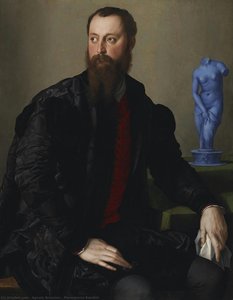
Agnolo Bronzino’s Resurrection: A Study in Mannerist Elegance
The Florentine Renaissance witnessed an explosion of artistic innovation, yet amidst the grandeur and dynamism of figures like Michelangelo and Leonardo da Vinci resided a quieter, more contemplative aesthetic – Mannerism. Agnolo Bronzino embodies this sensibility perfectly, producing works that prioritize refined detail and psychological subtlety over exuberant emotion. His masterpiece, “Resurrection,” completed in 1552, stands as a testament to the artist’s mastery of technique and his profound understanding of humanist ideals.- Subject Matter & Composition: The painting depicts a pivotal biblical scene – the Resurrection of Christ – capturing the moment when Jesus ascends from the tomb, surrounded by grieving mourners who express astonishment and reverence. Bronzino eschews dramatic narrative flourishes typical of earlier Renaissance art; instead, he presents a carefully orchestrated tableau designed to convey spiritual contemplation rather than visceral emotion.
- Style & Technique: Bronzino’s Mannerist style distinguishes itself from its predecessors through elongated figures, stylized poses, and an unsettling sense of artificiality. He employs meticulous anatomical precision—a hallmark of Leonardo da Vinci’s influence—but applies it with a deliberate coolness that prioritizes idealized beauty over naturalism. The artist utilizes sfumato – the subtle blending of colors to create soft transitions – particularly evident in the drapery folds, enhancing the painting's ethereal quality.
Historical Context: Florence Under Medici Patronage
Florence during Bronzino’s lifetime was ruled by Cosimo I de’ Medici, a shrewd diplomat and ambitious ruler who fostered an environment of artistic excellence. The Medicis actively commissioned artists to decorate palaces and churches, elevating Florence to the cultural capital of Europe. This patronage fueled creativity and encouraged experimentation, resulting in a diverse range of artistic styles—from Raphael's harmonious idealism to Michelangelo's monumental grandeur. Bronzino’s “Resurrection” reflects this prevailing spirit of refined taste and intellectual curiosity.- Symbolism: The painting is laden with symbolic significance. The central figure embodies divine grace and triumph over death, while the mourners represent humanity grappling with faith and sorrow. Bronzino’s masterful use of color—primarily earthy tones accented by luminous highlights—contributes to the overall mood of solemn reverence. Notably, the positioning of Christ's body emphasizes his ascension, symbolizing spiritual rebirth and eternal life.
Emotional Impact & Artistic Legacy
Despite its lack of overt emotional expression, “Resurrection” possesses a remarkable ability to evoke contemplation and wonder. Bronzino’s meticulous attention to detail—the subtle nuances of facial expressions, the drapery folds rendered with breathtaking realism—draws viewers into the scene, inviting them to consider profound questions about faith and mortality. The painting's enduring influence can be seen in subsequent Mannerist artists who sought to emulate Bronzino’s stylistic innovations. “Resurrection” remains a cornerstone of Renaissance art history, demonstrating that beauty and intellectual depth could coexist—a testament to Bronzino’s unparalleled artistic vision.Domande e risposte
In che modo il movimento e l'epoca si incontrano in "Resurrection" di Agnolo Bronzino?
"Resurrection" di Agnolo Bronzino si inserisce nel movimento Mannerist Style, all'interno dell'epoca Rinascimento del suo autore.
Chi ha realizzato "Resurrection" e in quale anno?
L'autore di "Resurrection" è Agnolo Bronzino e l'opera risale al 1552.
"Resurrection" è un'opera famosa del Mannerist Style?
"Resurrection" di Agnolo Bronzino è classificata come Recognized e appartiene al movimento Mannerist Style.
Biografia dell'artista
La Vita e la Formazione di Agnolo Bronzino
Agnolo di Cosimo, conosciuto come Il Bronzino, nacque a Monticelli, vicino Firenze, il 17 novembre 1503. Figlio di un macellaio, ricevette la sua prima formazione artistica da Raffaellino del Garbo e successivamente fu apprendista presso Pontormo, figura chiave del primo Manierismo. Questa fase formativa fu cruciale per lo sviluppo del suo stile unico.Lo Stile Artistico e le Influenze
Bronzino si distinse per uno stile caratterizzato da figure eleganti, calme e composte, in netto contrasto con l'agitazione emotiva presente nelle opere di Pontormo. I suoi ritratti, in particolare quelli dell’aristocrazia fiorentina, sono rinomati per la minuziosa attenzione ai dettagli e hanno profondamente influenzato la ritrattistica europea per secoli. L'influenza di Michelangelo e Leonardo da Vinci è evidente nella sua capacità di rendere l'anatomia umana con precisione e grazia.Opere Principali e Successi
Bronzino realizzò numerose opere significative, tra cui:- Venere, Cupido, Follia e Tempo (c. 1544-45), un'allegoria complessa conservata alla National Gallery di Londra.
- I ritratti di Cosimo I de’ Medici e sua moglie Eleonora di Toledo, che testimoniano la sua maestria nella ritrattistica manierista e il suo ruolo alla corte medicea.
- Ritratti idealizzati dei poeti Dante (c. 1530) e Petrarca, che dimostrano la sua abilità nel catturare l'essenza intellettuale dei suoi soggetti.
- Deposizione di Cristo (1545), un dipinto a olio su tavola conservato al Musée des Beaux-Arts di Besançon, rivela una profonda spiritualità e maestria tecnica.
La Carriera alla Corte Medicea e l'Eredità
Bronzino divenne il pittore ufficiale della corte del duca di Toscana, ricoprendo questa posizione per gran parte della sua carriera. La sua arte fu strettamente legata al potere e all’immagine dei Medici, contribuendo a definire lo stile visivo dell’epoca. Fu un membro fondatore dell'Accademia delle Arti del Disegno fiorentina nel 1563, testimoniando il suo prestigio artistico e intellettuale. Morì a Firenze il 23 novembre 1572, lasciando un'eredità duratura come uno dei più importanti pittori manieristi italiani. La sua influenza si estese ben oltre la sua morte, continuando ad ispirare artisti e studiosi per secoli.
Agnolo Bronzino
1503 - 1572 , Italia
Informazioni rapide
- Artisti Influenti:
- Pontormo
- Raffaellino del Garbo
- Data Di Nascita: 17 novembre 1503
- Influenze Artistiche: Ritratto europeo, Manierismo
- Luogo Di Nascita: Firenze, Italia
- Movimento Artistico: Mannerismo
- Nazionalità: Italiana
- Nome Completo: Agnolo Bronzino
- Opere Notevoli:
- Venere, Cupido e Tempo
- Ritratti dei Medici
- Dante (ritratto)
- Petrarca (ritratto)
Articoli correlati
Beyond Perfection: The Dramatic Elegance and Intellectual Tension of Renaissance Mannerism
Explore the captivating world of Renaissance Mannerism. Discover how artists moved beyond High Renaissance harmony into a realm of elegant distortion, psychological tension, and dramatic beauty that bridged the gap to the Baroque era.

Northern Mannerism: The Dramatic Evolution of European Art through Elegant Distortion and Tension
Explore the dramatic evolution of Northern Mannerism. Discover how 16th-century artists moved from Renaissance harmony to elegant distortion, tension, and complex symbolism in European art history.

Mannerism: Bridging Renaissance Harmony & Baroque Drama – A Study of Style & Affectation
Explore the fascinating world of Mannerism! Discover its key characteristics, pioneering artists like Pontormo & Bronzino, and its pivotal role in bridging Renaissance harmony to Baroque drama. A comprehensive guide for art enthusiasts.

The Enduring Legacy of Formal Portraiture: Power, Identity & Artistic Exploration
Explore the rich history of formal portraiture & its enduring power to capture identity and shape perception. Discover investment-worthy artworks, expert appraisals, and custom reproduction services at OriginalUniqueArt.
Agnolo Bronzino: Ritratto di un'Élite e l'Enigma dello Sguardo Rinascimentale Fiorentino
Esplora l'arte di Agnolo Bronzino e il manierismo fiorentino. Analisi approfondita dei suoi ritratti aristocratici, lo sguardo enigmatico e l'eredità artistica. Scopri il collezionismo contemporaneo e la sua influenza.