Anteprima in scala reale
 Condividi
 Condividi
 Dettagli
 Guida stampabile

 Scarica
 Articoli simili
 Radiografia
 Slideshow
 Statistiche
Deposition
 Olio su tela
- Opere da parete
- Mannerist Elegance
 1565
1565 350.0 x 235.0 cm
 Galleria dell’Accademia di Firenze
 Leggi tutto
Giclée / Stampe d'arte
Stampa giclée o su tela di qualità museale, con produzione rapida e diverse opzioni di finitura. ( Ordina la riproduzione dipinta a mano Passa all'immagine digitale)




P118B €10

P118H €10

P118W €10

P438Z €10

P508JH €12

P508YH €12

P805H €10

P805Z €10

P919BZ €10

P919G €10

P919XJ €10

P959ZH €10

P968JZ €12

W106C €8

W218G €10

W218JH €8

W218Y €10

W307PJ €10

W316G €10

W316PJ €8

W316Y €10

W398PJ €8

W4111J €10

W500HY €15

W500JH €15

W692G €12

W849H €8

W940BG €15

W953PJ €8




Scegli tra le nostre dimensioni predefinite, che rispettano le proporzioni originali dell'opera d'arte.

Inserisci la larghezza e l'altezza desiderate, per adattarle alla tua cornice o alla tua parete. Una stampa può essere solo ritagliata, mai resa più grande dell'immagine originale; pertanto, un formato con una forma differente comporterà la perdita di una parte dell'opera. Ti invieremo un mockup digitale da approvare prima di procedere con la stampa. L'immagine mostrata in questa pagina non rappresenta il ritaglio reale — solo il mockup lo mostra.
Consegna in tutto il mondo () in 2 settimane invece delle normali 4/5 settimane. (23 Ottobre)

Spedizione espressa gratuita in tutto il mondo

Tela in lino di alta qualità

Assicurazione completa sulla spedizione

Garanzia di rimborso dei dazi doganali

Garanzia di perfetta fedeltà cromatica

Politica di reso entro 100 giorni (solo per difetti di fabbricazione)

Garanzia di rimborso al 100%

Sconto per acquisti multipli
 L'opzione vetro è disponibile solo per dimensioni inferiori a 110 cm

Deposition
Giclée / Stampe d'arte
Dimensioni della riproduzione
-


Prezzo totale
€ 70
Agnolo Bronzino’s “Deposition”: A Study in Reserved Elegance
“Deposition,” painted in 1565 by the Florentine master Agnolo Bronzino, is not merely a religious scene; it's a meticulously crafted tableau of restrained emotion and profound psychological depth. Commissioned for the Observant Monastery in Cosmopoli, this work transcends simple narrative to become a meditation on grief, loss, and the delicate balance between earthly sorrow and divine grace. Bronzino, renowned for his “reserved elegance,” achieved this through an almost unnervingly controlled composition, favoring subtle gestures and averted gazes over overt displays of feeling – a hallmark of the Mannerist style that defined his career.
The scene depicts the immediate aftermath of Christ’s removal from the cross. Mary Magdalene, rendered with exquisite detail in her flowing robes, gently lowers the lifeless body of Jesus into the arms of Nicodemus, a figure identified by his distinctive cloak and posture. The figures surrounding them are not presented as dramatically distraught but rather as individuals caught in a moment of quiet contemplation. Note the careful positioning – some stand closer to Christ, their faces turned towards him in sorrowful reverence, while others remain further back, observing from a distance, creating a sense of layered grief and shared humanity. The inclusion of several other figures—including John the Evangelist, Joseph of Arimathea, and even a young soldier in green – adds to the scene’s complexity, suggesting a community united in mourning.
Mannerism and Bronzino's Signature Style
Bronzino’s mastery lies not in dramatic brushstrokes or vibrant color palettes, but in his precise rendering of form and texture. Executed primarily in oil on panel, the painting showcases his signature technique: a cool, polished surface achieved through painstaking layering of thin glazes. This creates an almost sculptural effect, emphasizing the smooth contours of the figures’ bodies and clothing. The dark background serves to heighten the luminosity of the subjects, drawing the viewer's eye directly to their faces – each subtly conveying a complex range of emotions without resorting to overt expressions.
The composition itself is deliberately static, reflecting the principles of Mannerism. Figures are arranged in carefully calculated poses, often with elongated limbs and stylized gestures. This deliberate artificiality contrasts sharply with the more naturalistic depictions favored by earlier Renaissance artists like Leonardo da Vinci and Raphael. Bronzino’s approach prioritized intellectual elegance over emotional immediacy, creating a work that demands careful observation and interpretation.
Symbolism and Context
Beyond its religious subject matter, “Deposition” is rich in symbolic detail. The presence of Nicodemus, a figure often associated with wisdom and knowledge, suggests the importance of intellectual understanding in confronting grief. The young soldier’s green cloak, a symbol of Roman authority, subtly references the sacrifice of Christ within the context of imperial power. The careful arrangement of hands—Mary Magdalene's gently cradling Jesus’ head, Nicodemus’ supporting his body—underscores the profound tenderness and respect with which he is being received.
Painted during a period of political instability in Florence – the Medici family’s grip on power was increasingly challenged – “Deposition” can be interpreted as a subtle commentary on mortality and the fragility of human existence. Bronzino, serving as court painter to Cosimo I de' Medici, skillfully navigated the complexities of patronage while maintaining his artistic independence, producing works that were both aesthetically refined and subtly imbued with intellectual and emotional resonance. The painting’s placement in a monastery underscores its intended purpose: a visual meditation on faith, loss, and the enduring power of compassion.
A Reproduction for Your Space
OriginalUniqueArt offers meticulously hand-painted reproductions of Agnolo Bronzino's “Deposition,” capturing the artist’s signature style with exceptional fidelity. Each reproduction is created using traditional techniques and archival-quality materials, ensuring that it will retain its beauty and vibrancy for generations to come. Whether you are a collector of Renaissance art, an admirer of Mannerist elegance, or simply seeking a piece that evokes a sense of quiet contemplation, this reproduction offers a stunning tribute to one of Florence’s most influential artists. Consider how the painting's cool palette and restrained emotion can complement your interior design scheme – creating a space of serene beauty and intellectual depth.
Domande e risposte
Che intensità cromatica ha "Deposition" di Agnolo Bronzino?
"Deposition" di Agnolo Bronzino mostra un'intensità cromatica Equilibrato.
Quanto sono intensi i colori di "Deposition"?
Il colore di "Deposition" presenta una saturazione di Balanced Soft e un'intensità di Equilibrato.
"Deposition" è una delle opere più popolari di Agnolo Bronzino?
"Deposition" di Agnolo Bronzino ha un livello di popolarità Iconici. Questa classificazione riflette l'ampiezza della notorietà dell'opera.
Biografia dell'artista
La Vita e la Formazione di Agnolo Bronzino
Agnolo di Cosimo, conosciuto come Il Bronzino, nacque a Monticelli, vicino Firenze, il 17 novembre 1503. Figlio di un macellaio, ricevette la sua prima formazione artistica da Raffaellino del Garbo e successivamente fu apprendista presso Pontormo, figura chiave del primo Manierismo. Questa fase formativa fu cruciale per lo sviluppo del suo stile unico.Lo Stile Artistico e le Influenze
Bronzino si distinse per uno stile caratterizzato da figure eleganti, calme e composte, in netto contrasto con l'agitazione emotiva presente nelle opere di Pontormo. I suoi ritratti, in particolare quelli dell’aristocrazia fiorentina, sono rinomati per la minuziosa attenzione ai dettagli e hanno profondamente influenzato la ritrattistica europea per secoli. L'influenza di Michelangelo e Leonardo da Vinci è evidente nella sua capacità di rendere l'anatomia umana con precisione e grazia.Opere Principali e Successi
Bronzino realizzò numerose opere significative, tra cui:- Venere, Cupido, Follia e Tempo (c. 1544-45), un'allegoria complessa conservata alla National Gallery di Londra.
- I ritratti di Cosimo I de’ Medici e sua moglie Eleonora di Toledo, che testimoniano la sua maestria nella ritrattistica manierista e il suo ruolo alla corte medicea.
- Ritratti idealizzati dei poeti Dante (c. 1530) e Petrarca, che dimostrano la sua abilità nel catturare l'essenza intellettuale dei suoi soggetti.
- Deposizione di Cristo (1545), un dipinto a olio su tavola conservato al Musée des Beaux-Arts di Besançon, rivela una profonda spiritualità e maestria tecnica.
La Carriera alla Corte Medicea e l'Eredità
Bronzino divenne il pittore ufficiale della corte del duca di Toscana, ricoprendo questa posizione per gran parte della sua carriera. La sua arte fu strettamente legata al potere e all’immagine dei Medici, contribuendo a definire lo stile visivo dell’epoca. Fu un membro fondatore dell'Accademia delle Arti del Disegno fiorentina nel 1563, testimoniando il suo prestigio artistico e intellettuale. Morì a Firenze il 23 novembre 1572, lasciando un'eredità duratura come uno dei più importanti pittori manieristi italiani. La sua influenza si estese ben oltre la sua morte, continuando ad ispirare artisti e studiosi per secoli.
Agnolo Bronzino
1503 - 1572 , Italia
Informazioni rapide
- Artisti Influenti:
- Pontormo
- Raffaellino del Garbo
- Data Di Nascita: 17 novembre 1503
- Influenze Artistiche: Ritratto europeo, Manierismo
- Luogo Di Nascita: Firenze, Italia
- Movimento Artistico: Mannerismo
- Nazionalità: Italiana
- Nome Completo: Agnolo Bronzino
- Opere Notevoli:
- Venere, Cupido e Tempo
- Ritratti dei Medici
- Dante (ritratto)
- Petrarca (ritratto)
Articoli correlati
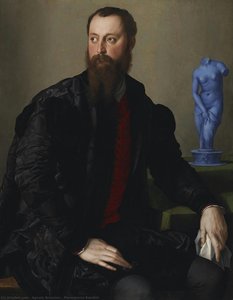
Agnolo Bronzino: Ritratto di un'Élite e l'Enigma dello Sguardo Rinascimentale Fiorentino
Esplora l'arte di Agnolo Bronzino e il manierismo fiorentino. Analisi approfondita dei suoi ritratti aristocratici, lo sguardo enigmatico e l'eredità artistica. Scopri il collezionismo contemporaneo e la sua influenza.
I 25 Capolavori della Galleria degli Uffizi: Arte Rinascimentale per la Tua Casa
Esplora i 25 capolavori della Galleria degli Uffizi a Firenze! Scopri la storia di Botticelli, Leonardo e Raffaello. Trova riproduzioni artistiche di alta qualità per decorare casa con stile su OriginalUniqueArt.com.
Fra Angelico: I 25 Capolavori dell'Arte Rinascimentale per la Tua Casa | OriginalUniqueArt
Esplora i 25 capolavori di Fra Angelico, il pittore rinascimentale dell'Annunciazione e della pittura sacra. Scopri la storia, le tecniche e l'arte religiosa che rendono uniche queste opere. Riproduzioni artistiche su OriginalUniqueArt.com!

Mannerism: Bridging Renaissance Harmony & Baroque Drama – A Study of Style & Affectation
Explore the fascinating world of Mannerism! Discover its key characteristics, pioneering artists like Pontormo & Bronzino, and its pivotal role in bridging Renaissance harmony to Baroque drama. A comprehensive guide for art enthusiasts.
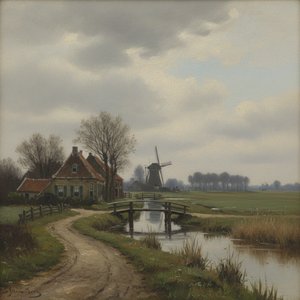
Jacob Maris: Il Maestro del Realismo Atmosferico e dell'Intimo Paesaggio Olandese
Scopri Jacob Maris, il maestro del realismo atmosferico olandese e figura chiave della Scuola dell'Aia. Approfondisci la sua vita, le opere iconiche e l'influenza sulla pittura paesaggistica del XIX secolo.