

 Anteprima in scala reale
 Condividi
 Condividi
 Dettagli
 Guida
Guida

 Scarica
 Articoli simili
 Radiografia
 Slideshow
 Statistiche
PORTRAIT DE FAMILLE


 Leggi tutto
Riproduzione a olio fatta a mano
Olio su tela dipinto a mano nelle tue dimensioni e con la tua cornice, realizzato su ordinazione dai nostri artisti. ( Passa alle stampe Passa all'immagine digitale)




P118B $10

P118H $10

P118W $10

P438Z $10

P508JH $12

P508YH $12

P805H $10

P805Z $10

P919BZ $10

P919G $10

P919XJ $10

P959ZH $10

P968JZ $12

W106C $8

W218G $10

W218JH $8

W218Y $10

W307PJ $10

W316G $10

W316PJ $8

W316Y $10

W398PJ $8

W4111J $10

W500HY $15

W500JH $15

W692G $12

W849H $8

W940BG $15

W953PJ $8




Scegli tra le nostre dimensioni predefinite, che rispettano le proporzioni originali dell'opera d'arte.

È possibile inserire dimensioni personalizzate per adattare l'opera a una cornice o a uno spazio specifico. Se la dimensione selezionata non corrisponde alle proporzioni dell'immagine originale, provvederemo a ritagliare l'opera o a estendere il dipinto con elementi aggiuntivi dipinti a mano. Un mockup digitale ti sarà inviato per approvazione prima dell'inizio della produzione.
Si prega di notare che l'anteprima a schermo non riflette il ritaglio o l'estensione effettivi. Solo il mockup mostrerà accuratamente la composizione finale.
Sebbene siano disponibili dimensioni personalizzate, consigliamo di selezionare una dimensione dall'elenco predefinito per preservare le proporzioni originali.
Dopo l'ordine, il team di OriginalUniqueArt.com contatterà il cliente via e-mail per ricevere le istruzioni e fornirà un'anteprima del mockup
Consegna in tutto il mondo () in 3/4 settimane anziché nelle normali 5 settimane. (21 Settembre). Nessun compromesso sulla qualità.

Spedizione espressa gratuita in tutto il mondo

Tela in lino di alta qualità

Assicurazione completa sulla spedizione

Garanzia di rimborso dei dazi doganali

Garanzia di perfetta fedeltà cromatica

Politica di reso entro 100 giorni (solo per difetti di fabbricazione)

Garanzia di rimborso al 100%

Sconto per acquisti multipli
 L'opzione vetro è disponibile solo per dimensioni inferiori a 110 cm

PORTRAIT DE FAMILLE
Tecnica di riproduzione
Dimensioni della riproduzione
-


Prezzo totale
$ 350
An Echo of Mastery: The Soul of Portrait de Famille
To encounter Aert de Gelder’s “Portrait de Famille” is to step into a profound dialogue with the past, specifically the twilight years of the Dutch Golden Age. Completed around 1720, this evocative oil on canvas serves as a vibrant, breathing echo of Rembrandt van Rijn’s legendary influence. De Gelder, one of Rembrandt's most devoted pupils, does not merely imitate his master; he breathes new life into the dramatic chiaroscuro technique, using light to sculpt emotion from the darkness. The painting captures a family unit—a mother, a father, and an infant—not as static figures in a formal arrangement, but as a cohesive, breathing entity bound by an invisible thread of affection and quiet contemplation.
The composition is masterfully orchestrated in a classic triangular formation, a structural hallmark that directs the viewer’s eye toward the heart of the domestic scene. At the apex of this human pyramid sits the mother, her presence commanding yet tender as she cradles her newborn. To her side, the father completes the triad, his posture providing a stabilizing balance to the group. This arrangement creates an intimate, enclosed space that feels shielded from the outside world, inviting collectors and admirers alike into a private moment of familial serenity. The dark, indistinct background acts as a void that pushes the subjects forward, ensuring that every flicker of light on a cheek or fold of fabric demands our full attention.
Texture, Light, and the Art of Observation
Technically, “Portrait de Famille” is a triumph of the Dutch Baroque tradition. De Gelder employs a palette dominated by rich, earthy tones—deep browns, warm ochres, and soft creams—which lend the work an organic, timeless warmth. Subtle splashes of red and white within the woman’s attire provide necessary focal points, preventing the composition from receding into shadow. What truly distinguishes this piece, however, is the artist's tactile approach to paint. His visible, energetic brushstrokes imbue the canvas with a sense of immediacy and vitality, a deliberate choice that celebrates the physical act of painting itself.
The lighting is nothing short of theatrical. Originating from an unseen source to the left, the light washes over the figures, highlighting the soft contours of the infant’s skin and the weathered textures of the parents' clothing. This interplay of brilliance and deep shadow creates a sense of three-dimensional depth, even within a relatively shallow pictorial space. For the interior designer or art enthusiast, this dramatic use of light offers an unparalleled opportunity to create a focal point in a room, bringing a sense of historical weight and sophisticated drama to any curated collection.
Symbolism and the Eternal Bond
Beyond its aesthetic brilliance, the painting is steeped in profound symbolic meaning. The infant, nestled securely within the mother's arms, serves as a potent symbol of innocence and the enduring continuity of lineage. There is a quiet gravity in the expressions of the parents—a solemnity that suggests they are not merely posing for a portrait, but reflecting on the responsibilities and the sacred nature of their bond. This layer of narrative complexity transforms the work from a mere likeness into a meditation on human connection and the passage of time.
For those seeking to adorn a space with art that speaks to the heart, “Portrait de Famille” offers more than just visual beauty; it offers an atmosphere of contemplative peace. Whether displayed in a grand library or a contemporary living space, this reproduction carries with it the weight of history and the warmth of human intimacy, making it a timeless investment for any lover of fine art.
Biografia dell'artista
L'Eco di un Maestro: La Devozione di Aert de Gelder allo Spirito di Rembrandt
Stare davanti alle opere di Aert de Gelder è incontrare un'eco, una risonanza vibrante e appassionata di uno dei più grandi maestri della storia. Sebbene il suo viaggio terreno sia stato tragicamente breve, De Gelder si è ritagliato una nicchia significativa negli annali dell'arte olandese, legandosi per sempre alla profonda chiaroscuro e profondità emotiva di Rembrandt van Rijn. Nato a Dordrecht intorno al 1645, la sua vita sembra quasi troppo breve per contenere un output artistico così intenso. Eppure, in quegli anni fugaci, assorbì l'essenza stessa della tecnica di un maestro, incanalandola in un corpus di opere che parlano volumi sul dramma umano e sulla fervore spirituale.
La sua formazione non fu semplicemente accademica; fu un'immersione. Studiare nello studio stesso di Rembrandt tra il 1661 e il 1663 lo collocò nel centro dell'innovazione artistica. Questo apprendistato si rivelò formativo, permettendogli di assorbire non solo pennellate, ma una filosofia: un modo di vedere il dramma intrinseco nei momenti quotidiani tanto quanto nelle narrazioni sacre.
Padroneggiare lo Stile Tardo Rembrandt
Lo stile distintivo di De Gelder è inseparabile dallo splendore del periodo tardo del suo mentore. È uno stile caratterizzato da una carica emotiva quasi palpabile. Le sue tele non si limitano a rappresentare scene; le fanno respirare, trascinando lo spettatore in momenti di profonda contemplazione o azione intensa. Che si trattasse di affrontare grandi narrazioni bibliche o ritratti intimi, l'elemento umano rimaneva fondamentale.
Si pensi alla spinta drammatica di opere come "Il Battesimo di Cristo" o la tensione carica catturata in "Ahimelech che dona la spada di Golia a Davide". Queste opere non sono semplici illustrazioni; sono meditazioni sulla fede e sul conflitto. De Gelder possedeva un dono straordinario per la narrazione, utilizzando luce e ombra—quella firma tecnica rembrandtiana—per guidare l'occhio e approfondire la risonanza emotiva di ogni figura.
La sua ritrattistica testimonia ulteriormente questa maestria. In opere come "Estera e Mordecai" o la sua raffigurazione del "Re Davide", si percepisce non solo il seme, ma l'anima. Aveva una capacità innata di trasmettere il tumulto interiore, la quieta dignità o lo spirito trionfante che risiedeva nei suoi modelli.
Significato Storico e Eredità
La carriera di Aert de Gelder funge da affascinante ponte nella storia dell'arte. La sua adesione all'emotività e al peso narrativo dei maestri del Secolo d'Oro olandese gli permise di mantenere un potente legame con l'apogeo di quell'epoca, anche mentre i gusti artistici iniziavano a virare verso il XVIII secolo. Agì da custode dell'eredità di Rembrandt, assicurando che il suo vocabolario drammatico rimanesse vibrante.
La sua significatività duratura risiede in questa continuazione. Dimostrò che si poteva costruire sui monumentali risultati di un maestro senza limitarsi a imitarli; piuttosto, ne interiorizzò lo spirito e se ne appropriò. Il fatto che istituzioni come il Rijksmuseum custodiscano i suoi pezzi sottolinea il suo posto nel canone del genio olandese, consolidando la sua reputazione accanto a giganti come Jan Lievens.
Osservare l'arte di De Gelder è assistere alla devozione resa visibile—un impegno a catturare il dramma sublime inerente alla condizione umana, tutto filtrato attraverso l'inconfondibile lente della visione senza pari di Rembrandt.

Aert De Gelder
1645 - 1645 , Paesi Bassi
Informazioni rapide
- Artistic Movement Or Style: Stile tardo di Rembrandt
- Artists Who Influenced This Artist: ['rembrandt van rijn']
- Date Of Birth: 1645
- Date Of Death: 1645
- Full Name: aert de gelder
- Nationality: Olandese
- Notable Artworks:
- Il battesimo di Cristo
- Re Davide
- Place Of Birth: Dordrecht, Paesi Bassi
Articoli correlati

I 10 Capolavori del Barocco Olandese che Hanno Definito un'Epoca | OriginalUniqueArt
Esplora i 10 capolavori del Barocco olandese con OriginalUniqueArt. Scopri Rembrandt, Vermeer e altri maestri. Quadri antichi, luce intensa e storie affascinanti per decorare la tua casa con arte di qualità museale. Esplora la collezione online!
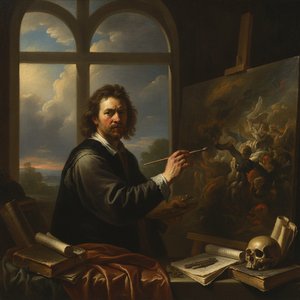
Dutch Baroque Unlocked: Mastering Chiaroscuro, Epic Drama, and the High-Impact Legacy of Rembrandt
Explore the dramatic power of Dutch Baroque art. Master the secrets of Rembrandt’s chiaroscuro, discover the epic scale of the Golden Age, and learn how to bring high-impact, hand-painted historical masterpieces into your modern collection with expert precision.

Chiaroscuro and Character: A Definitive Guide to Light and Shadow in the Dutch Baroque Era
Explore the dramatic mastery of the Dutch Baroque era. Discover how masters like Rembrandt used chiaroscuro to transform everyday life into timeless art. An expert guide for collectors and enthusiasts seeking to understand the profound interplay of light and shadow.

Rembrandt van Rijn: I 25 Capolavori Immortali da Ammirare | OriginalUniqueArt
Esplora i 25 capolavori di Rembrandt van Rijn, da 'La Ronda di Notte' ai suoi intensi autoritratti. Scopri la storia, le tecniche e l'arte barocca del maestro olandese. Riproduzioni di alta qualità su OriginalUniqueArt.com.
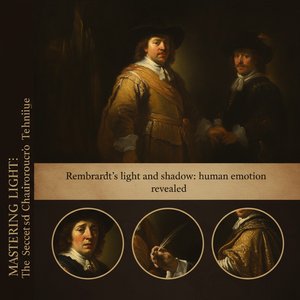
Mastering Light: The Secrets of Rembrandt's Chiaroscuro Technique
Explore the profound mastery of Rembrandt's chiaroscuro technique. Discover how this Dutch Golden Age master used dramatic light and shadow to capture the human soul through iconic Baroque masterpieces.
