
 Anteprima in scala reale
 Invia
Invia Condividi
 Dettagli opera

 Scarica immagine
 Simili
 Radiografia
 Slideshow
 Statistiche
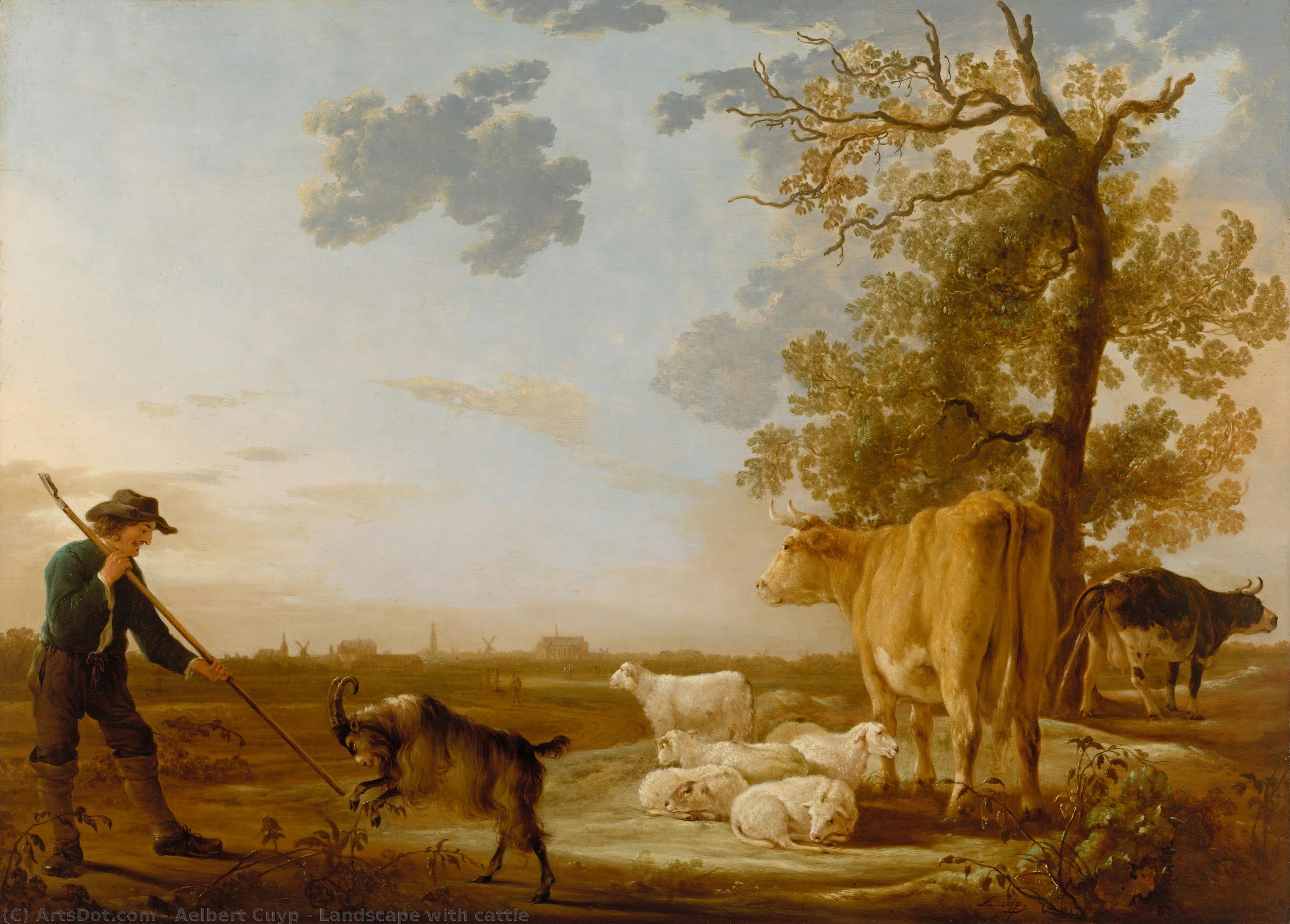
Landscape with cattle
 Oil On Canvas
- WallArt
- Dutch Golden Age
 1649
1649- Early Modern
 65.0 x 90.0 cm
 National Gallery of Victoria
 Espandi i dettagli
Giclée / Stampe d'arte
Stampa giclée o su tela di qualità museale, con produzione rapida e diverse opzioni di finitura. ( Acquista il dipinto realizzato a mano Passa all'immagine digitale)




P118B $10

P118H $10

P118W $10

P438Z $10

P508JH $12

P508YH $12

P805H $10

P805Z $10

P919BZ $10

P919G $10

P919XJ $10

P959ZH $10

P968JZ $12

W106C $8

W218G $10

W218JH $8

W218Y $10

W307PJ $10

W316G $10

W316PJ $8

W316Y $10

W398PJ $8

W4111J $10

W500HY $15

W500JH $15

W692G $12

W849H $8

W940BG $15

W953PJ $8




Scegli tra le nostre dimensioni predefinite, che rispettano le proporzioni originali dell'opera d'arte.

È possibile inserire dimensioni personalizzate per adattare l'opera a una cornice o a uno spazio specifico. Se la dimensione selezionata non corrisponde alle proporzioni dell'immagine originale, procederemo al ritaglio dell'opera o all'estensione dell'immagine con un bordo specchiato o a tinta unita. Un mockup digitale ti verrà inviato per approvazione prima dell'inizio della produzione.
Si prega di notare che l'anteprima a schermo non riflette il ritaglio o l'estensione effettivi. Solo il mockup mostrerà accuratamente la composizione finale.
Sebbene siano disponibili dimensioni personalizzate, si raccomanda di selezionare una dimensione dall'elenco predefinito per preservare le proporzioni originali.
Consegna in tutto il mondo () in 2 settimane invece delle normali 4/5 settimane. (11 Settembre)

Spedizione espressa gratuita in tutto il mondo

Tela in lino di alta qualità

Assicurazione completa sulla spedizione

Garanzia di rimborso dei dazi doganali

Garanzia di fedeltà cromatica

Politica di reso entro 100 giorni (solo per difetti)

Garanzia di rimborso al 100%

Offerta per acquisti multipli
 L'opzione vetro è disponibile solo per dimensioni inferiori a 110 cm

Landscape with cattle
Giclée / Stampe d'arte
Dimensioni riproduzione
-


Prezzo totale calcolato
$ 80
A Golden Vision of the Dutch Golden Age
In the heart of the seventeenth century, as the Dutch Republic ascended to unprecedented heights of maritime power and economic prosperity, a new kind of visual poetry emerged from the studios of Dordrecht. Aelbert Jacobsz Cuyp, a titan of the Dutch Golden Age, captured this era not through grand historical battles or royal portraits, but through the quiet, breathing majesty of the countryside. His masterpiece, Landscape with Cattle, serves as a luminous window into a world defined by peace and abundance. The painting invites the viewer to step into a pastoral tableau where time seems to suspend itself, held in the amber glow of a setting sun.
The scene unfolds with a masterful use of atmospheric perspective, drawing the eye across a lush, undulating landscape. In the foreground, the heavy, rhythmic forms of cattle and sheep graze with a profound sense of contentment, their textures rendered with such sensitivity that one can almost feel the soft wool and the warmth of their hides. A shepherd and his faithful dog move through the meadow, adding a touch of human connection to the wilder elements of nature. As the gaze wanders toward the horizon, the landscape softens into a hazy, ethereal distance, where the silhouette of a town—anchored by the recognizable spire of the Marekerk church—emerges from the mist, suggesting a civilization in perfect harmony with its environment.
The Alchemy of Light and Technique
What truly distinguishes Cuyp’s work is his unparalleled ability to act as an interpreter of light. Influenced by the tonal mastery of Jan van Goyen and the luminous, Mediterranean-inspired glow of Jan Both, Cuyp developed a signature style that many have compared to the classical elegance of Claude Lorrain. In Landscape with Cattle, he employs a palette dominated by earthy ochres, deep mossy greens, and soft cerulean blues, all unified by a pervasive, golden radiance. This light is not merely an illumination; it is a character in itself, bathing the entire composition in a warmth that suggests the fleeting, magical moments of dawn or dusk.
The technique behind this illusion is one of meticulous blending and subtle gradations. Using oil on canvas, Cuyp achieved a seamless transition between light and shadow, creating a sense of depth that feels infinitely expandable. The brushstrokes are smooth and deliberate, eschewing harsh outlines in favor of soft, organic shapes that mimic the natural diffusion of light through moisture-laden air. For the discerning collector or interior designer, this technique offers a remarkable versatility; the painting possesses a structural strength that anchors a room, while its soft textures and warm tones provide an inviting, tranquil atmosphere that complements both classical and contemporary decor.
Symbolism and the Spirit of Prosperity
Beyond its aesthetic splendor, Landscape with Cattle is a profound meditation on the values of the Dutch Golden Age. The healthy, well-tended livestock are far more than mere pastoral subjects; they serve as potent symbols of the nation's burgeoning dairy industry and the economic optimism of the era. To a contemporary viewer, the scene represents a tangible emblem of prosperity and the fruits of diligent stewardship. There is an inherent dignity in the way Cuyp depicts the relationship between man, animal, and land—a triad of existence that feels both stable and sacred.
For those seeking to bring a piece of art history into their personal spaces, this reproduction offers more than just decoration; it offers an emotional sanctuary. The painting evokes a deep sense of nostalgia for a lost Eden, a place of quietude and rhythmic simplicity that resonates deeply in our modern, fast-paced world. Whether placed in a sunlit library or as a focal point in a sophisticated living area, this work continues to inspire awe, inviting all who behold it to pause, breathe, and find solace in the eternal beauty of the natural world.
Biografia dell'artista
Aelbert Jacobszoon Cuyp (1620-1695) – Maestro della Luce e della Serenità
Aelbert Jacobszoon Cuyp, nato a Dordrecht nel 1620, fu un artista fondamentale del periodo aureo olandese, celebre soprattutto per le sue opere paesaggistiche che catturano l'atmosfera delicata delle prime ore del mattino o del tardo pomeriggio sulle rive dei fiumi olandesi. Figlio di Jacob Gerritszoon Cuyp, egli stesso pittore di paesaggi e insegnante del padre, ebbe un inizio artistico privilegiato grazie alla formazione diretta sotto la guida del suo progenitore, una pietra miliare per il suo percorso creativo futuro.Stile Artistico e Influenze
Lo stile di Cuyp può essere suddiviso in tre fasi distintive, ciascuna plasmata dall'influenza di artisti diversi: Jan van Goyen – tonalità; Jan Both – luce; Jacob Gerritsz Cuyp (suo padre) – forma. Questa fusione di ispirazioni si traduce nelle sue opere nei caratteristici panorami fluviali olandesi illuminati da una calda luce dorata, un elemento distintivo che lo consacra come uno dei più importanti interpreti dell'epoca. L’artista fu profondamente influenzato dalla lezione del padre, Jacob Gerritszoon Cuyp, noto per la sua attenzione alla forma e alla resa accurata delle superfici naturali, nonché dall'utilizzo magistrale della luce proveniente dalle opere di Jan van Goyen e Jan Both, artisti che condividevano una visione poetica della natura.Opere Significative e Eredità Artistica
Anche se le opere specifiche di Cuyp non siano dettagliatamente analizzate qui, il suo contributo alla scena artistica olandese del XVII secolo è innegabile. Tra i suoi quadri più celebri spiccano *Cows in a River* (*circa 1650)* e *A Herdsman with Five Cows*, opere che testimoniano la sua maestria nella rappresentazione della luce naturale e nella creazione di atmosfere suggestive. Questi paesaggi, caratterizzati da una calma contemplativa e dalla bellezza armoniosa delle forme naturali, sono diventati simboli dell'ideale estetico del suo tempo e continuano ad affascinare gli spettatori contemporanei. Cuyp fu anche un uomo profondamente religioso, attivo come sacerdote riformato dopo il matrimonio nel 1658, una scelta che rifletteva la sua adesione ai valori morali e spirituali della società olandese dell'epoca.Vita Privata e Ambiente Familiare
Le informazioni sulla vita personale di Cuyp sono scarse, testimoniando una difficoltà comune agli artisti del suo periodo a condividere dettagli autobiografici sulle loro esperienze quotidiane. Tuttavia, alcuni documenti storici rivelano che egli ebbe un patrimonio considerevole grazie alla ricchezza della sua famiglia, tutti artisti con un impegno costante verso la creazione artistica. Il suo stile di vita semplice e austero, evidenziato anche dall'assenza di opere d’arte altrui nella sua abitazione al momento della morte nel 1691, testimonia una visione del mondo ispirata ai principi cristiani riformati che lo contraddistinsero per tutta la vita.Un Maestro della Serenità Luminosa
Aelbert Jacobszoon Cuyp rimane dunque un artista imprescindibile per comprendere l'arte e la cultura del periodo aureo olandese, un vero punto di riferimento nella storia dell’immagine europea grazie alla sua capacità di esprimere attraverso i colori e le forme una visione poetica della natura e della bellezza.
Aelbert Cuyp
1620 - 1695 , Paesi Bassi
Dati rapidi
- Artistic Movement Or Style: Barocco
- Artists Or Movements Influenced By This Artist: ['Claude Lorrain']
- Artists Who Influenced This Artist:
- Jan van Goyen
- Jacob Gerritsz Cuyp
- Date Of Birth: Ottobre 20, 1620
- Date Of Death: Novembre 15, 1691
- Full Name: Aelbert Jacobszoon Cuyp
- Nationality: Olandese
- Notable Artworks:
- Cows in a River
- Paesaggio con figure e pecore
- Place Of Birth: Dordrecht, Paesi Bassi
Articoli correlati

Mastering Light & Shadow: The 25 Greatest Artworks by Rembrandt van Rijn
Immerse yourself in the dramatic chiaroscuro of Rembrandt van Rijn. Explore 25 iconic Dutch Golden Age masterpieces, from soulful portraits to legendary scenes. Find inspiration for museum-quality art reproductions and decor. Discover all masterpieces on OriginalUniqueArt.com.

Mastering Light & Shadow: The 25 Greatest Artworks by Rembrandt van Rijn
Immerse yourself in the dramatic chiaroscuro of the Dutch Golden Age. Explore 25 iconic Rembrandt van Rijn masterpieces, from soulful portraits to legendary scenes. Find inspiration for museum-quality art reproductions and decor. Discover all masterpieces on OriginalUniqueArt.com.

Mastering Light: The 25 Greatest Artworks of Rembrandt van Rijn
Immerse yourself in the dramatic chiaroscuro of Rembrandt van Rijn’s greatest works. Explore 25 iconic Dutch Golden Age masterpieces, perfect for inspiring fine art decor and museum-quality reproductions. Elevate your space with timeless beauty. Discover all masterpieces on OriginalUniqueArt.com.

Mastering Light & Shadow: The 25 Greatest Artworks by Rembrandt van Rijn
Immerse yourself in the dramatic chiaroscuro of Rembrandt van Rijn. Explore 25 iconic Dutch Golden Age masterpieces, from soulful portraits to legendary biblical scenes. Find inspiration for museum-quality art reproductions and decor. Discover all masterpieces on OriginalUniqueArt.com.

I 25 capolavori di Rembrandt: l'emozione tra luce e ombra
Esplora i 25 capolavori di Rembrandt van Rijn: un viaggio emozionante tra chiaroscuro e maestria barocca. Scopri la storia dietro ogni opera e trova ispirazione con le nostre riproduzioni d'arte di qualità museale. Esplora l'intera collezione su OriginalUniqueArt.com.
