

 Anteprima in scala reale
 Invia
Invia Condividi
 Dettagli opera

 Scarica immagine
 Simili
 Radiografia
 Slideshow
 Statistiche
Merrymakers in an Inn
 Oil On Panel
- WallArt
- Baroque Genre Painting
 1674
1674 47.0 x 41.0 cm
 Art Institute of Chicago
 Espandi i dettagli
Riproduzione a olio fatta a mano
Olio su tela dipinto a mano nelle tue dimensioni e con la tua cornice, realizzato su ordinazione dai nostri artisti. ( Passa a Stampe Passa all'immagine digitale)




P118B $10

P118H $10

P118W $10

P438Z $10

P508JH $12

P508YH $12

P805H $10

P805Z $10

P919BZ $10

P919G $10

P919XJ $10

P959ZH $10

P968JZ $12

W106C $8

W218G $10

W218JH $8

W218Y $10

W307PJ $10

W316G $10

W316PJ $8

W316Y $10

W398PJ $8

W4111J $10

W500HY $15

W500JH $15

W692G $12

W849H $8

W940BG $15

W953PJ $8




Scegli tra le nostre dimensioni predefinite, che rispettano le proporzioni originali dell'opera d'arte.

È possibile inserire dimensioni personalizzate per adattare l'opera a una cornice o a uno spazio specifico. Se la dimensione selezionata non corrisponde alle proporzioni dell'immagine originale, provvederemo a ritagliare l'opera o a estendere il dipinto con elementi aggiuntivi dipinti a mano. Un mockup digitale ti sarà inviato per approvazione prima dell'inizio della produzione.
Si prega di notare che l'anteprima a schermo non riflette il ritaglio o l'estensione effettivi. Solo il mockup mostrerà accuratamente la composizione finale.
Sebbene siano disponibili dimensioni personalizzate, consigliamo di selezionare una dimensione dall'elenco predefinito per preservare le proporzioni originali.
Dopo l'ordine, il team di OriginalUniqueArt.com contatterà il cliente via e-mail per le istruzioni e fornirà un'anteprima del mockup
Consegna in tutto il mondo () in 3/4 settimane anziché nelle normali 5 settimane. (9 Settembre). Nessun compromesso sulla qualità.

Spedizione espressa gratuita in tutto il mondo

Tela in lino di alta qualità

Assicurazione completa sulla spedizione

Garanzia di rimborso dei dazi doganali

Garanzia di fedeltà cromatica

Politica di reso entro 100 giorni (solo per difetti)

Garanzia di rimborso al 100%

Offerta per acquisti multipli
 L'opzione vetro è disponibile solo per dimensioni inferiori a 110 cm

Merrymakers in an Inn
Tecnica di riproduzione
Dimensioni riproduzione
-


Prezzo totale calcolato
$ 300
A Snapshot of Dutch Life: “Merrymakers in an Inn” by Adriaen van Ostade
Adriaen van Ostade’s “Merrymakers in an Inn,” painted in 1674, isn't merely a depiction of tavern revelry; it’s a poignant window into the everyday realities and social dynamics of 17th-century Holland. This remarkable work, now residing within the esteemed collection of The Art Institute of Chicago, transcends simple genre painting to offer a remarkably intimate portrait of a community bound by shared experience – laughter, drink, music, and the comforting familiarity of a local gathering place.
Van Ostade’s genius lies in his ability to capture not just the outward appearance of his subjects but also their inner lives. The scene unfolds within a rustic tavern, its interior rendered with meticulous detail—the rough-hewn wooden beams supporting the ceiling, the shelves laden with earthenware jugs and tankards, all bathed in the warm, earthy tones characteristic of the artist’s style. These elements immediately establish a sense of groundedness, anchoring the scene firmly in the realities of peasant life.
The Human Tapestry: Characters and Interactions
At the heart of the composition stands a man in blue, holding a brimming glass of wine – a figure that draws the eye with his confident posture and animated expression. To his right, another man is lost in the intricate melodies of a lute, adding an element of musical delight to the scene. Yet, it’s the smaller, more intimate interactions that truly elevate the painting. A woman in a vibrant red dress engages in conversation with a man sporting a black hat; their exchange suggests a shared moment of connection amidst the general merriment. These individual portraits, interwoven within the larger group, reveal a complex social fabric – friendships, rivalries, and unspoken bonds all subtly conveyed through gesture and expression.
Van Ostade’s skill isn't limited to capturing physical likeness; he masterfully utilizes body language to communicate personality and mood. The postures of the figures—leaning forward in conversation, gesturing with enthusiasm, or simply observing the scene—speak volumes about their characters and relationships. The artist avoids idealization, presenting his subjects as they truly were – flawed, boisterous, and undeniably human.
A Baroque Palette: Technique and Style
Executed in oil on panel, “Merrymakers in an Inn” exemplifies the hallmarks of the Dutch Baroque style. Van Ostade’s technique is characterized by a remarkable attention to detail—the textures of the clothing, the grain of the wood, the glint of light on the wine glasses – all rendered with painstaking precision. However, he avoids excessive ornamentation, favoring instead a directness and realism that was highly valued in Dutch painting during this period.
The color palette is deliberately restrained, dominated by earthy tones—browns, ochres, and greys—creating a warm and inviting atmosphere. The striking contrast between the blue of the central figure’s dress and the red of the woman on the left immediately draws the viewer's eye, while the overall lighting scheme emphasizes the intimacy of the scene. This careful orchestration of color and light contributes significantly to the painting’s emotional impact.
Echoes of a Time Past: Historical Context
“Merrymakers in an Inn” offers a valuable glimpse into the social and cultural landscape of 17th-century Holland. Tavern scenes were incredibly popular subjects for Dutch artists, reflecting the importance of communal gatherings and public spaces in daily life. These paintings weren’t simply celebrations of revelry; they often served as social commentary, subtly critiquing excessive drinking or highlighting the virtues of community spirit. Van Ostade's work, like that of his contemporaries, provides a rich tapestry of insights into the lives of ordinary people during a pivotal era in Dutch history.
The painting’s enduring appeal lies in its ability to transport us back in time, allowing us to connect with the shared human experiences depicted within its frame. Whether viewed as a historical document or simply a captivating work of art, “Merrymakers in an Inn” remains a testament to Adriaen van Ostade's artistic skill and his profound understanding of the human condition.
Biografia dell'artista
Adriaen van Ostade: Una Vita nella Pittura di Genere Olandese
Le Origini e la Formazione
- Nascita: 1610 ad Haarlem, Paesi Bassi.
- Van Ostade era immerso in una famiglia di artisti; suo padre, Jan van Ostade, era un tessitore di arazzi. Questo ambiente artistico ha probabilmente alimentato il suo precoce interesse per le arti visive.
- Formazione Iniziale: Egli e suo fratello, Isaack Jansz van Ostade, furono inizialmente allievi di Frans Hals, celebre pittore dell'Età d'Oro olandese, noto per i suoi vivaci ritratti e le scene di genere.
- Tuttavia, il loro periodo con Hals fu relativamente breve. Presto si allontanarono dallo stile del maestro, sviluppando approcci alla pittura propri e distintivi.
Sviluppo Artistico e Stile
- Opere Giovanili (anni 1630): Le prime tele di Van Ostade imitavano spesso la pennellata sciolta di Hals, ma l'artista raffinò gradualmente la sua tecnica.
- Iniziò a concentrarsi sulle scene di genere: rappresentazioni della vita quotidiana, in particolare quelle che coinvolgevano contadini e classi lavoratrici.
- Stile Distintivo: Il suo stile è caratterizzato da un dettaglio meticoloso, un uso sottile di luce e ombra (chiaroscuro) e un'enfasi su ritratti realistici dei suoi soggetti.
- Egli catturava con maestria le trame di abiti, oggetti e ambienti, infondendo un senso di autenticità nelle sue opere.
- Tematiche: I temi comuni includevano scene di taverna, fiere di paese, interni contadini e rappresentazioni della vita rurale.
Grandi Opere e Traguardi
- Saying Grace (c. 1660): Questo dipinto, conservato al Cleveland Museum of Art, è considerato uno dei suoi capolavori. Esso esemplifica la sua capacità di infondere dignità e bellezza poetica anche ai soggetti più umili.
- A Laughing Peasant (1634): Un'opera piccola ma affascinante nella Kremer Collection di Amsterdam, che mostra la sua abilità nel catturare volti ed espressioni gestuali.
- Scene di Taverna: Van Ostade produsse numerose scene di taverna, offrendo scorci sulla vita sociale degli olandesi del XVII secolo. Questi dipinti ritraggono spesso vivaci raduni tra bere, fumo e musica.
- Paesaggi: Sebbene noto principalmente per le sue opere di genere, creò anche paesaggi, spesso caratterizzati da ambientazioni rustiche e figure impegnate in attività quotidiane.
Influenze e Eredità
- L'influenza di Frans Hals: La sua formazione iniziale sotto la guida di Frans Hals fornì le fondamenta nelle tecniche pittoriche olandesi e nella scelta dei soggetti di genere.
- Confronto con David Teniers il Giovane: Gli storici dell'arte spesso paragonano l'opera di Van Ostade a quella di David Teniers il Giovane, un altro eminente pittore di genere. Tuttavia, le loro opere riflettono diverse caratteristiche regionali: Van Ostade si concentrò sull'Olanda, mentre Teniers dipinse il Brabante.
- Impatto sugli artisti successivi: L'enfasi di Van Ostade sul naturalismo e sulla vita quotidiana aprì la strada a movimenti artistici successivi come l'Impressionismo e il Realismo. La sua attenzione alla luce e all'ombra influenzò anche la pittura barocca.
- Significato Storico: È considerato una figura chiave della pittura dell'Età d'Oro olandese, fornendo preziosi spunti sulle vite e i costumi della società olandese del XVII secolo.
Ultimi Anni e Morte
- Iscrizione alla Gilda: Van Ostade divenne membro della Gilda di San Luca di Haarlem nel 1634, segno del riconoscimento come artista professionista.
- Successo Continuato: Godette di un successo costante durante tutta la sua carriera, ricevendo commissioni da ricchi mecenati e affermandosi come un pittore rispettato.
- Morte: Adriaen van Ostade morì a Haarlem nel 1685. Le sue opere continuano a essere ammirate per il loro realismo, il loro fascino e la loro importanza storica.

Adriaen van Ostade
1610 - 1685 , Paesi Bassi
Dati rapidi
- Artistic Movement Or Style: Età d'Oro
- Artists Or Movements Influenced By This Artist:
- Impressionismo
- Realismo
- Artists Who Influenced This Artist:
- Frans Hals
- David Teniers il Giovane
- Date Of Birth: 10 dicembre 1610
- Full Name: Adriaen Jansz. van Ostade
- Nationality: Olandese
- Notable Artworks:
- Famiglia di contadini
- Smoker on a Stool Conversing with a Cobbler at Work
- Villaggio con una scuola
- Place Of Birth: Haarlem, Paesi Bassi
Articoli correlati

Rembrandt van Rijn: I 25 Capolavori Immortali da Ammirare | OriginalUniqueArt
Esplora i 25 capolavori di Rembrandt van Rijn, da 'La Ronda di Notte' ai suoi intensi autoritratti. Scopri la storia, le tecniche e l'arte barocca del maestro olandese. Riproduzioni di alta qualità su OriginalUniqueArt.com.
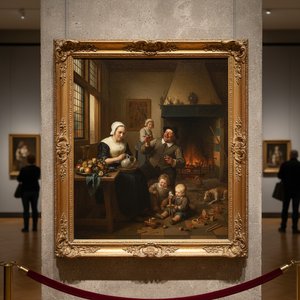
Genre Painting: A Window into Daily Life & Societal Values of the Dutch Golden Age
Explore the captivating world of Dutch Golden Age genre painting! Discover realistic depictions of daily life, masterful artists like Ostade & Metsu, and hidden symbolism. Learn about this influential art movement with OriginalUniqueArt.
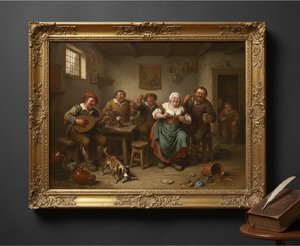
Adriaen van Ostade: A Master of Dutch Genre Painting & Social Commentary
Explore the life & work of Adriaen van Ostade, a leading Dutch Golden Age painter. Discover his realistic genre scenes, social commentary, and lasting influence on art history. Learn more at OriginalUniqueArt.

I 10 Capolavori del Barocco Olandese che Hanno Definito un'Epoca | OriginalUniqueArt
Esplora i 10 capolavori del Barocco olandese con OriginalUniqueArt. Scopri Rembrandt, Vermeer e altri maestri. Quadri antichi, luce intensa e storie affascinanti per decorare la tua casa con arte di qualità museale. Esplora la collezione online!

Golden Age Reflections: Dutch Baroque Painting & Cultural Innovation
Explore the Dutch Golden Age of painting! Discover key artists like Vermeer & ter Borch, their innovative techniques, and the rich cultural context behind these Baroque masterpieces. Learn about collecting & appreciating this iconic art period.


