
 Anteprima in scala reale
 Condividi
 Condividi
 Dettagli

 Scarica immagine
 Articoli simili
 Radiografia
 Slideshow
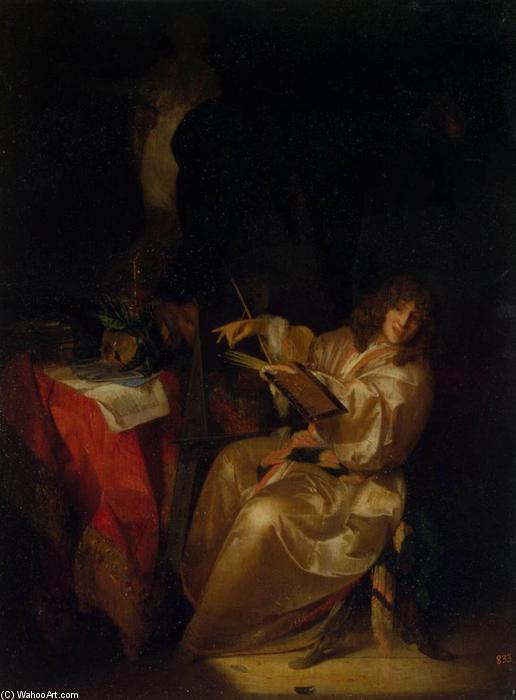
Self-Portrait
 Acrylic On Canvas
- WallArt
- Dutch Baroque
 1696
1696 39.0 x 29.0 cm
 Museo dell'Ermitage
 Leggi tutto
Giclée / Stampe d'arte
Stampa giclée o su tela di qualità museale, con produzione rapida e diverse opzioni di finitura. ( Passa alla versione dipinta a mano Passa all'immagine)




P118B $10

P118H $10

P118W $10

P438Z $10

P508JH $12

P508YH $12

P805H $10

P805Z $10

P919BZ $10

P919G $10

P919XJ $10

P959ZH $10

P968JZ $12

W106C $8

W218G $10

W218JH $8

W218Y $10

W307PJ $10

W316G $10

W316PJ $8

W316Y $10

W398PJ $8

W4111J $10

W500HY $15

W500JH $15

W692G $12

W849H $8

W940BG $15

W953PJ $8




Scegli tra le nostre dimensioni predefinite, che rispettano le proporzioni originali dell'opera d'arte.

È possibile inserire dimensioni personalizzate per adattare l'opera a una cornice o a uno spazio specifico. Se la dimensione selezionata non corrisponde alle proporzioni dell'immagine originale, procederemo al ritaglio dell'opera o all'estensione dell'immagine con un bordo specchiato o a tinta unita. Un mockup digitale ti verrà inviato per approvazione prima dell'inizio della produzione.
Si prega di notare che l'anteprima a schermo non riflette il ritaglio o l'estensione effettivi. Solo il mockup mostrerà accuratamente la composizione finale.
Sebbene siano disponibili dimensioni personalizzate, si raccomanda di selezionare una dimensione dall'elenco predefinito per preservare le proporzioni originali.
Consegna in tutto il mondo () in 2 settimane invece delle normali 4/5 settimane. (5 Agosto)

Spedizione espressa gratuita in tutto il mondo

Tela in lino di alta qualità

Assicurazione completa sulla spedizione

Garanzia di rimborso dei dazi doganali

Garanzia di fedeltà cromatica dell'originale

Politica di reso entro 60 giorni (solo per difetti di fabbricazione)

Garanzia di rimborso al 100%

Sconto per acquisti multipli
 L'opzione vetro è disponibile solo per dimensioni inferiori a 110 cm

Self-Portrait
Giclée / Stampe d'arte
Dimensioni della riproduzione
-


Prezzo totale
$ 80
Descrizione del pezzo
A Window Into Baroque Soul: Exploring Adriaen van der Werff’s Self-Portrait
Adriaen van der Werff's Self-Portrait stands as an emblem of Dutch Golden Age artistry—a testament to meticulous observation and profound psychological insight. Completed in 1696, this oil on panel painting resides within the hallowed halls of The Hermitage Museum in St. Petersburg, Russia, ensuring its legacy continues to inspire admiration centuries later. More than just a depiction of an individual, it’s a masterful distillation of Baroque principles, inviting viewers into a contemplative dialogue about identity and artistic ambition.Style and Technique: Mastering Light and Shadow
The painting embodies the stylistic hallmarks of its era—a deliberate rejection of idealized beauty in favor of realism imbued with dramatic emotion. Van der Werff's technique is characterized by an unparalleled command of chiaroscuro, skillfully manipulating light and shadow to sculpt form and convey mood. Layers upon layers of pigment were painstakingly applied, allowing for gradual drying times that maximized control over texture and luminosity. The artist’s gaze directly confronts the viewer, establishing a palpable intimacy—a hallmark of Baroque portraiture intended to capture not merely appearance but also inner character. Notice how the subtle illumination highlights the contours of his face and clothing, creating an illusion of depth and dimensionality that transcends mere representation.Historical Context: Reflecting Enlightenment Ideals
Painted during the height of Dutch intellectual fervor – a period marked by burgeoning scientific inquiry and philosophical debate – Van der Werff’s Self-Portrait speaks to the broader cultural currents of its time. The Baroque aesthetic, originating in Italy, prioritized grandeur and theatricality alongside emotional intensity; this painting exemplifies these ideals through its formal composition and dramatic use of light. Furthermore, it aligns with the emerging fascination for psychological portraiture, reflecting a desire to delve beneath surface appearances and explore the complexities of human consciousness—a trend foreshadowed by thinkers like Descartes and Leibniz. The inclusion of a book symbolizes erudition and intellectual contemplation, mirroring the values championed during the Enlightenment.Symbolism: Beyond Appearance – An Examination of Inner Reflection
The posture of Van der Werff—seated calmly with his gaze fixed outward—suggests introspection and self-awareness. This deliberate positioning underscores the painting’s symbolic significance, inviting viewers to contemplate themes of contemplation, dignity, and artistic vocation. The robe he wears is a common motif in portraits of wealthy patrons, signifying status and authority but also hinting at moral virtue – an important consideration within the Baroque worldview. The book itself serves as a potent emblem of knowledge and intellectual pursuit, reinforcing the artist’s commitment to both craftmanship and philosophical inquiry.Emotional Impact: Capturing the Essence of Human Experience
Ultimately, Van der Werff's Self-Portrait transcends mere visual representation; it succeeds in conveying a profound sense of human emotion—a quiet confidence mingled with thoughtful contemplation. The painting’s enduring appeal lies in its ability to resonate with viewers across time and culture, prompting reflection on questions of identity, ambition, and the pursuit of wisdom. It remains a captivating example of Baroque artistry – a beautifully rendered image that speaks volumes about the artist's inner life and his masterful grasp of artistic technique.Biografia dell'artista
Adriaen van der Werff: A Titan of Dutch Baroque
Adriaen van der Werff (1659-1722) stands as one of the most celebrated figures in Dutch Baroque painting, a master whose meticulous technique and profound understanding of human emotion cemented his place among the giants of his era. Born in The Hague, he emerged from a family steeped in artistic tradition—his father was also a painter—and quickly demonstrated prodigious talent, embarking on formal training at a young age under the tutelage of Eglon van der Neer, a renowned specialist in drapery and costume design. This formative influence would shape his distinctive style, characterized by an unparalleled attention to detail and a masterful command of chiaroscuro. His brother, Pieter van der Werff (1661–1722), served as his loyal pupil and collaborator, fostering a creative partnership that produced some of the finest portraits of their time. Together they established a studio in Rotterdam where Van der Werff ascended to leadership of the Saint Luke Guild, a position he held with distinction for decades. This association provided him with invaluable access to influential patrons and fostered an environment conducive to artistic innovation. Van der Werff’s artistic journey began modestly, honing his skills through diligent observation and experimentation. However, it swiftly gained momentum as he captivated audiences with his depictions of biblical narratives and mythological scenes—subjects that demanded both intellectual depth and visual splendor. His ability to convey psychological complexity within exquisitely rendered compositions quickly garnered him recognition throughout Europe. Notably, commissions from Johann Wilhelm, elector palatine and Anna Maria Luisa de' Medici brought him into contact with the Florentine court, resulting in two monumental paintings destined for Cosimo III—a testament to his ambition and artistic prowess. Throughout his prolific career, Van der Werff traveled extensively between Düsseldorf and Rotterdam, absorbing influences from German Baroque art while maintaining a steadfast commitment to Dutch artistic standards. He was appointed official court painter under Johann Wilhelm’s reign, receiving the honorific knighthood and securing substantial patronage—a privilege that allowed him to dedicate himself fully to his craft. His output included numerous portraits of nobility and dignitaries, as well as grand mythological canvases that showcased his mastery of color and form. The elector's unwavering support fueled his artistic endeavors, resulting in breathtaking works like “Nymphes dansant” and “The Judgement of Paris,” which continue to inspire admiration today. Despite criticisms leveled against him in the 19th century—accusations of abandoning Dutch naturalism for stylistic excess—Van der Werff’s legacy endured. Arnold Houbraken, a prominent art historian of his time, hailed him as "the greatest of the Dutch painters," an opinion that resonated throughout the eighteenth century and largely prevailed into the Victorian era. However, much of Van der Werff's oeuvre languished in obscurity until rediscovered in the Alte Pinakothek, where it now commands considerable attention from scholars and connoisseurs alike. He remains a cornerstone of Dutch Baroque art, embodying the ideals of elegance, intellect, and artistic virtuosity—a true testament to the enduring power of talent and dedication.- Early Life & Training: Adriaen van der Werff was born in The Hague around 1659, into a family with a tradition of painting. His father practiced the craft, providing him with an early exposure to artistic principles.
- Influence of Eglon van der Neer: He received instruction from Eglon van der Neer, a celebrated drapery and costume designer, who instilled in him a meticulous attention to detail and mastery of fabric rendering—a technique that would become central to his distinctive style.
- Collaboration with Pieter van der Werff: His brother, Pieter van der Werff, joined him as a pupil and collaborator, establishing a renowned studio in Rotterdam where they produced some of the most admired portraits of their time.
- Saint Luke Guild Leadership: Van der Werff became leader of the Saint Luke Guild in Rotterdam, securing invaluable access to influential patrons and fostering an environment that nurtured artistic innovation.
- Biblical & Mythological Commissions: He gained renown for his depictions of biblical narratives and mythological scenes—subjects that demanded both intellectual depth and visual splendor—particularly commissions from Johann Wilhelm and Anna Maria Luisa de' Medici.
- Florentine Court Patronage: His involvement with the Florentine court resulted in two monumental paintings destined for Cosimo III, demonstrating his ambition and artistic prowess.
- Travels & Artistic Development: He traveled extensively between Düsseldorf and Rotterdam, absorbing influences from German Baroque art while maintaining a steadfast commitment to Dutch artistic standards.
- Notable Works: Among his most celebrated paintings are “SAINTE MADELEINE MEDITANT DANS LA SOLITUDE,” “ADAM ET EVE,” and “SARAH PRESENTE AGAR A ABRAHAM”—works that exemplify his mastery of composition, color, and psychological realism.
- Recognition & Legacy: Arnold Houbraken recognized Van der Werff as "the greatest of the Dutch painters," securing his place in art history and ensuring that his legacy endured beyond his lifetime.

Adriaen Van Der Werff
1659 - 1722 , Paesi Bassi
Informazioni rapide
- Artistic Movement Or Style: Baroque
- Artists Or Movements Influenced By This Artist: ['Dutch Masters']
- Artists Who Influenced This Artist: ['Eglon van der Neer']
- Date Of Birth: The Hague, Netherlands (1659)
- Date Of Death: Rotterdam, 1722
- Full Name: Adriaen van der Werff
- Nationality: Dutch
- Notable Artworks:
- SAINTE MADELEINE MEDITANT DANS LA SOLITUDE
- ADAM ET EVE
- SARAH PRESENTE AGAR A ABRAHAM
- Place Of Birth: The Hague
Articoli correlati

Rembrandt van Rijn: I 25 Capolavori Immortali da Ammirare | OriginalUniqueArt
Esplora i 25 capolavori di Rembrandt van Rijn, da 'La Ronda di Notte' ai suoi intensi autoritratti. Scopri la storia, le tecniche e l'arte barocca del maestro olandese. Riproduzioni di alta qualità su OriginalUniqueArt.com.
I 25 Capolavori del Metropolitan Museum di New York: Arte, Storia e Decorazioni Raffinate
Esplora i 25 capolavori del Metropolitan Museum di New York! Scopri la storia, gli artisti (Van Gogh, Monet, Rembrandt) e le emozioni dietro dipinti iconici. Trova riproduzioni artistiche di alta qualità per decorare casa con stile su OriginalUniqueArt.com.

James Abbott McNeill Whistler: I 25 Capolavori che Definirono un'Epoca - Arte e Decorazioni di Lusso
Esplora i 25 capolavori di James Abbott McNeill Whistler, il maestro dell'estetismo e dei notturni. Scopri la storia, le tecniche e l'armonia unica nei suoi dipinti più famosi. Stampe d'arte e riproduzioni di alta qualità su OriginalUniqueArt.com.

I 10 Capolavori del Barocco Olandese che Hanno Definito un'Epoca | OriginalUniqueArt
Esplora i 10 capolavori del Barocco olandese con OriginalUniqueArt. Scopri Rembrandt, Vermeer e altri maestri. Quadri antichi, luce intensa e storie affascinanti per decorare la tua casa con arte di qualità museale. Esplora la collezione online!
I Capolavori della National Gallery di Washington: 25 Opere Indimenticabili per la Tua Casa
Esplora i 25 capolavori imperdibili della National Gallery di Washington! Scopri la storia di Cézanne, Matisse, Picasso e altri maestri. Trova l'arte perfetta per la tua casa su OriginalUniqueArt.com.



