
 Anteprima in scala reale
 Condividi
 Condividi
 Dettagli

 Scarica immagine
 Articoli simili
 Radiografia
 Slideshow
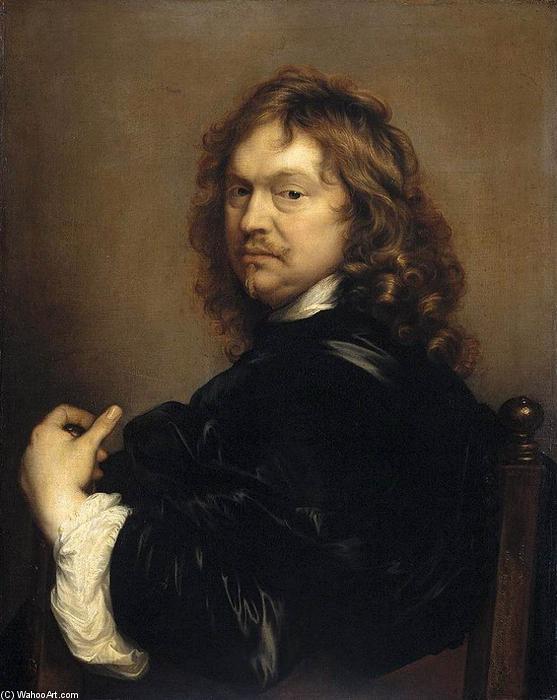
Self-Portrait


 Leggi tutto
Giclée / Stampe d'arte
Stampa giclée o su tela di qualità museale, con produzione rapida e diverse opzioni di finitura. ( Passa alla versione dipinta a mano Passa all'immagine)




P118B $10

P118H $10

P118W $10

P438Z $10

P508JH $12

P508YH $12

P805H $10

P805Z $10

P919BZ $10

P919G $10

P919XJ $10

P959ZH $10

P968JZ $12

W106C $8

W218G $10

W218JH $8

W218Y $10

W307PJ $10

W316G $10

W316PJ $8

W316Y $10

W398PJ $8

W4111J $10

W500HY $15

W500JH $15

W692G $12

W849H $8

W940BG $15

W953PJ $8




Scegli tra le nostre dimensioni predefinite, che rispettano le proporzioni originali dell'opera d'arte.

È possibile inserire dimensioni personalizzate per adattare l'opera a una cornice o a uno spazio specifico. Se la dimensione selezionata non corrisponde alle proporzioni dell'immagine originale, procederemo al ritaglio dell'opera o all'estensione dell'immagine con un bordo specchiato o a tinta unita. Un mockup digitale ti verrà inviato per approvazione prima dell'inizio della produzione.
Si prega di notare che l'anteprima a schermo non riflette il ritaglio o l'estensione effettivi. Solo il mockup mostrerà accuratamente la composizione finale.
Sebbene siano disponibili dimensioni personalizzate, si raccomanda di selezionare una dimensione dall'elenco predefinito per preservare le proporzioni originali.
Consegna in tutto il mondo () in 2 settimane invece delle normali 4/5 settimane. (11 Agosto)

Spedizione espressa gratuita in tutto il mondo

Tela in lino di alta qualità

Assicurazione completa sulla spedizione

Garanzia di rimborso dei dazi doganali

Garanzia di fedeltà cromatica dell'originale

Politica di reso entro 60 giorni (solo per difetti di fabbricazione)

Garanzia di rimborso al 100%

Sconto per acquisti multipli
 L'opzione vetro è disponibile solo per dimensioni inferiori a 110 cm

Self-Portrait
Giclée / Stampe d'arte
Dimensioni della riproduzione
-


Prezzo totale
$ 81
Descrizione del pezzo
A Window into the Seventeenth Century: Adriaen Hanneman’s Self-Portrait
Adriaen Hanneman's 1656 self-portrait offers a remarkably intimate glimpse into the world of a Dutch Golden Age artist, revealing not just his likeness but also the social and intellectual currents of his time. This painting transcends a simple depiction of an individual; it’s a carefully constructed statement about identity, status, and the burgeoning artistic conventions of the era. The work immediately draws the eye with its restrained elegance – a deliberate choice that speaks volumes about Hanneman's considered approach to portraiture.
- The Figure: Seated in a comfortable chair, likely of considerable quality given the detail, the subject presents himself as a man of means and standing. His posture is upright, suggesting confidence and self-awareness. The dark coat, adorned with a crisp white collar – a hallmark of 17th-century Dutch attire – immediately establishes his social position.
- The Face: Hanneman’s face is the focal point, rendered with meticulous realism. The subtle lines etched around his eyes and mouth hint at experience and perhaps contemplation. His mustache and beard are carefully executed, adding to the authenticity of the portrait and reflecting prevailing male beauty standards. Crucially, his expression isn't overtly cheerful or dramatic; it’s a quiet seriousness, suggesting an intellectual bent – a man accustomed to thought and observation.
- Background & Composition: The stark simplicity of the background—a plain wall—is a masterstroke. It serves to isolate the subject entirely, amplifying his importance within the frame and directing all attention towards his personality and bearing. This technique was common in portraiture during this period, prioritizing the individual over elaborate settings.
A Masterclass in Dutch Portrait Technique
Hanneman’s skill lies not just in capturing likeness but also in employing a sophisticated understanding of light, shadow, and texture. The painting is executed with a realistic style, demonstrating a deep knowledge of anatomy and the effects of light on form. Notice how he uses subtle gradations of tone to create a sense of volume and depth – particularly evident in the rendering of the clothing and the folds of his hair. This masterful use of chiaroscuro (the contrast between light and dark) lends the portrait a three-dimensional quality, making it feel remarkably lifelike.
- Brushwork: The brushstrokes are generally smooth and controlled, reflecting Hanneman’s training under Jan Antonisz. van Ravesteyn the Younger. Van Ravesteyn instilled in him a precise, sculptural approach to rendering form – a legacy that is clearly visible in the carefully modeled features of the face and the detailed fabric of the coat.
- Color Palette: The muted tones—primarily blacks, whites, and browns—are typical of Dutch portraiture during this period. These restrained colors allowed Hanneman to focus on capturing subtle nuances of expression and texture rather than relying on vibrant hues.
Historical Context & Artistic Influences
Created in 1656, this self-portrait is firmly rooted within the Dutch Golden Age – a period of unprecedented artistic flourishing fueled by wealth, trade, and intellectual curiosity. Hanneman’s work reflects the influence of his contemporary, Anthony van Dyck, whose elegant and dynamic portraits were immensely popular throughout Europe. Hanneman's early years in England further shaped his style, exposing him to new trends and broadening his artistic horizons. His time with Constantijn Huygens, a prominent poet and composer, also suggests an engagement with the intellectual life of the court.
Interestingly, Hanneman’s background as a Catholic in a predominantly Protestant Netherlands subtly informed his career trajectory, potentially influencing his subject matter and patronage networks.Symbolism & Emotional Resonance
Beyond its technical brilliance, the self-portrait carries a subtle symbolic weight. The serious expression on Hanneman's face suggests an introspective nature – perhaps reflecting his role as an artist grappling with questions of identity and representation. The formality of his attire speaks to his social standing, while the quiet dignity of his pose conveys a sense of self-assuredness. Ultimately, this painting is not merely a likeness; it’s a carefully constructed portrait of a man, a time, and an artistic sensibility – inviting us to contemplate the complexities of human experience within the context of 17th-century Dutch society.
Biografia dell'artista
Primi Anni e Formazione
- Adriaen Hanneman nacque a L'Aia, nei Paesi Bassi, intorno al 1603 o 1604 in una ricca famiglia patrizia cattolica.
- Iniziò la sua formazione artistica nel 1619 come allievo di Jan Antonisz. van Ravesteyn il Giovane, un importante pittore ritrattista dell'Aia.
- Van Ravesteyn instillò in Hanneman una solida base nella ritrattistica e uno stile nitido e scultoreo che avrebbe caratterizzato gran parte del suo lavoro iniziale.
Carriera in Inghilterra e Influenze
- Nel 1626, Hanneman si trasferì in Inghilterra, dove rimase per circa sedici anni.
- Durante questo periodo, fu profondamente influenzato dall'opera di Anthony van Dyck, arrivato a Londra nel 1632 come pittore di corte di Carlo I.
- Hanneman potrebbe aver lavorato anche nello studio di Van Dyck, assorbendo il suo stile elegante, la tavolozza vibrante e la pennellata dinamica.
- Incontrò e fu influenzato anche da altri importanti artisti come Cornelis Janssens van Ceulen e Daniel Mytens.
- Hanneman godette del patrocinio di Constantijn Huygens, che lo presentò alla corte inglese e facilitò il suo avanzamento di carriera.
Ritorno all'Aia e Sviluppo Artistico
- Intorno al 1638, Hanneman tornò all'Aia e sposò Maria van Ravesteyn, figlia del suo ex insegnante.
- Diventò diacono della Gilda di San Luca nel 1645 e in seguito ebbe un ruolo nella Confrerie Pictura, una società artistica che contribuì a guidare.
- Hanneman continuò a dipingere ritratti, emulando principalmente lo stile di Van Dyck, rivolgendosi alla nobiltà olandese e ai membri della corte inglese in esilio che cercarono rifugio all'Aia dopo la guerra civile inglese.
- I suoi soggetti includevano figure importanti come Constantijn Huygens, Carlo II (come Principe del Galles) e Guglielmo III, principe d'Orange.
Ultimi Anni, Eredità e Opere Principali
- Hanneman affrontò difficoltà finanziarie negli ultimi anni di vita, in particolare durante il “Rampjaar” (Anno del Disastro) del 1672, un periodo di guerra e difficoltà economiche per la Repubblica olandese.
- Morì all'Aia nel 1671, lasciando i suoi disegni e incisioni al suo allievo Simon du Parcq.
- Hanneman’s patrimonio si rivelò sorprendentemente modesto nonostante il suo precedente successo, riflettendo il difficile clima economico dell'epoca.
- Le sue opere più importanti includono ritratti di Enrico, duca di Gloucester (National Gallery of Art, Washington D.C.), Guglielmo III da giovane (Rijksmuseum, Amsterdam) e un ritratto postumo di Maria I Stuart (Mauritshuis, Paesi Bassi).
- È ricordato per i suoi eleganti ritratti di corte che catturarono abilmente la somiglianza e lo status dei suoi aristocratici soggetti.
- Hanneman’s influenza si estese ad altri pittori, tra cui Govert Flinck, dimostrando il suo impatto sulla ritrattistica olandese durante l'età dell'oro.

Adriaen Hanneman
1603 - 1671 , Paesi Bassi
Informazioni rapide
- Artisti Che Lo Influenzarono:
- Van Dyck
- Janssens
- Mytens
- Artisti Influenzati: ['Govert Flinck']
- Data Di Morte: 1671
- Data Di Nascita: 1603 o 1604
- Luogo Di Nascita: L'Aia, Paesi Bassi
- Movimento Artistico: Ritratto dell'Età d'Oro
- Nazionalità: Olandese
- Nome Completo: Adriaen Hanneman
- Opere Notevoli:
- Duca di Gloucester
- Guglielmo III da giovane
- Maria I Stuart
- Huygens
Articoli correlati

I 10 Capolavori dell'Età d'Oro Olandese: Arte, Storia e Stile per la Tua Casa
Esplora i 10 capolavori dell'Età d'Oro Olandese con ! Rembrandt, Vermeer e altri maestri rivivono in dipinti iconici. Scopri storia, tecnica e colori di opere senza tempo per arredare la tua casa con arte di qualità museale. Esplora la collezione online!

Golden Age Reflections: Dutch Baroque Painting & Cultural Innovation
Explore the Dutch Golden Age of painting! Discover key artists like Vermeer & ter Borch, their innovative techniques, and the rich cultural context behind these Baroque masterpieces. Learn about collecting & appreciating this iconic art period.

Ferdinand Bol: Il Maestro Olandese della Luce e del Ritratto nel Secolo d'Oro
Scopri Ferdinand Bol, il maestro olandese del ritratto e della luce drammatica. Analisi approfondita dello stile, dei capolavori e dell'influenza di Rembrandt. Esplora la sua eredità artistica con OriginalUniqueArt.

Rembrandt van Rijn: Luce, Ombra e Anima del Secolo d'Oro Olandese – Innovazione, Emozione e il Ritratto dell'Umanità
Esplora la vita e l'opera di Rembrandt van Rijn, il maestro del Secolo d'Oro olandese. Approfondisci la sua tecnica rivoluzionaria del chiaroscuro, i suoi ritratti intensi e l'eredità artistica che continua a ispirare.
Gerard van Honthorst: Illuminare l'Età dell'Oro Olandese tra Caravaggismo e Grazia di Corte
Esplora la vita e le opere di Gerard van Honthorst, maestro del Caravaggismo olandese. Analisi approfondita del suo stile unico, dai ritratti di corte alle scene illuminate dalla luce drammatica. Scopri l'eredità di questo artista straordinario.

