Text size

() ·

A painting made for you, by hand

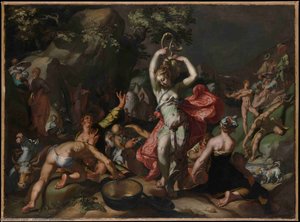
Mosè che percuote la roccia

Riproduzione a olio fatta a mano

Olio su tela dipinto a mano nelle tue dimensioni e con la tua cornice, realizzato su ordinazione dai nostri artisti. ( Passa alle stampe Passa all'immagine digitale)

Descrizione del reperto

Il drammatico Mosè di Bloemaert unisce Manierismo e Barocco nel miracolo del Mar Rosso. Scopri quest'opera iconica e la sua eredità.

Biografia dell'artista

Scopri Abraham Bloemaert (1564-1651), maestro olandese del Barocco e influenzato dal Mannerismo! Storia, paesaggi e una tecnica innovativa che hanno lasciato un segno nella storia dell'arte.

from ·

Chapter 1

How large should it be?

Slide to change the size; the picture on the left shows the frame at its real width. The proportions of the original are kept.

Formato standard
su misura
CM
INCH

Scegli tra le nostre dimensioni predefinite, che rispettano le proporzioni originali dell'opera d'arte.

larghezza
altezza

Inserisci la larghezza e l'altezza desiderate, per adattarle alla tua cornice o alla tua parete. Trattandosi di un'opera dipinta a mano, in caso di dimensioni con un formato differente, l'artista può estendere leggermente il dipinto oltre i bordi dell'immagine o ritagliare una piccola parte — la scelta spetta a te. Ti invieremo un mockup digitale da approvare prima che la realizzazione abbia inizio. L'immagine mostrata in questa pagina non rappresenta il risultato finale — solo il mockup lo fa.

Chapter 2

How should it arrive?

Choose the edges of the stretched canvas

Choose your frame

Corner sample of the WhiteWrap canvas edge finish, stretched on legno massello bars
White €1
Corner sample of the BlurSideWrap canvas edge finish, stretched on legno massello bars
Blurside €1
Corner sample of the ExtendedWrap canvas edge finish, stretched on legno massello bars
Extended €1
Corner sample of the P118B picture frame: polistirene stampato, 5 cm wide and 3 cm thick
P118B €10
Corner sample of the P118H picture frame: polistirene stampato, 5 cm wide and 3 cm thick
P118H €10
Corner sample of the P118W picture frame: polistirene stampato, 5 cm wide and 3 cm thick
P118W €10
Corner sample of the P438Z picture frame: polistirene stampato, 5.5 cm wide and 3.5 cm thick
P438Z €10
Corner sample of the P508JH picture frame: polistirene stampato, 7 cm wide and 3.5 cm thick
P508JH €12
Corner sample of the P508YH picture frame: polistirene stampato, 7 cm wide and 3.5 cm thick
P508YH €12
Corner sample of the P805H picture frame: polistirene stampato, 5 cm wide and 3.5 cm thick
P805H €10
Corner sample of the P805Z picture frame: polistirene stampato, 5 cm wide and 3.5 cm thick
P805Z €10
Corner sample of the P919BZ picture frame: polistirene stampato, 7 cm wide and 3.5 cm thick
P919BZ €10
Corner sample of the P919G picture frame: polistirene stampato, 7 cm wide and 3.5 cm thick
P919G €10
Corner sample of the P919XJ picture frame: polistirene stampato, 7 cm wide and 3.5 cm thick
P919XJ €10
Corner sample of the P959ZH picture frame: polistirene stampato, 5 cm wide and 3 cm thick
P959ZH €10
Corner sample of the P968JZ picture frame: polistirene stampato, 6 cm wide and 4 cm thick
P968JZ €12
Corner sample of the W106C picture frame: legno massello, 5 cm wide and 3 cm thick
W106C €8
Corner sample of the W218G picture frame: legno massello, 5 cm wide and 3 cm thick
W218G €10
Corner sample of the W218JH picture frame: legno massello, 5 cm wide and 3 cm thick
W218JH €8
Corner sample of the W218Y picture frame: legno massello, 5 cm wide and 3 cm thick
W218Y €10
Corner sample of the W307PJ picture frame: legno massello, 6 cm wide and 3 cm thick
W307PJ €10
Corner sample of the W316G picture frame: legno massello, 6 cm wide and 3 cm thick
W316G €10
Corner sample of the W316PJ picture frame: legno massello, 6 cm wide and 3 cm thick
W316PJ €8
Corner sample of the W316Y picture frame: legno massello, 6 cm wide and 3 cm thick
W316Y €10
Corner sample of the W398PJ picture frame: legno massello, 5 cm wide and 3 cm thick
W398PJ €8
Corner sample of the W4111J picture frame: legno massello, 6.5 cm wide and 3.5 cm thick
W4111J €10
Corner sample of the W500HY picture frame: legno massello, 7 cm wide and 5 cm thick
W500HY €15
Corner sample of the W500JH picture frame: legno massello, 7 cm wide and 5 cm thick
W500JH €15
Corner sample of the W692G picture frame: legno massello, 8 cm wide and 4 cm thick
W692G €12
Corner sample of the W849H picture frame: legno massello, 5 cm wide and 3 cm thick
W849H €8
Corner sample of the W940BG picture frame: legno massello, 7.5 cm wide and 4.5 cm thick
W940BG €15
Corner sample of the W953PJ picture frame: legno massello, 6 cm wide and 3.5 cm thick
W953PJ €8
Corner sample of the H24-GOLD picture frame: legno intagliato e gessato, 10 cm wide and 6 cm thick
H24-GOLD €30
Corner sample of the H24-SILVER picture frame: legno intagliato e gessato, 10 cm wide and 6 cm thick
H24-SILVER €30
Corner sample of the H36-GOLD picture frame: legno intagliato e gessato, 15 cm wide and 6.5 cm thick
H36-GOLD €45
Corner sample of the H36-SILVER picture frame: legno intagliato e gessato, 15 cm wide and 6.5 cm thick
H36-SILVER €45
Anteprima cornice
Con cornice

Moulding: . Overall size with the frame: .

Chapter 3

Who paints it, and should anything change?

Examples of what can be changed: Replace face with customer photo; Add pet (e.g., replace cat with dog); Include hidden message in background; Change background landscape or elements.
After order, OriginalUniqueArt.com team will email client for instructions and provide a mockup preview

Consegna in tutto il mondo () in 3/4 settimane anziché nelle normali 5 settimane. (31 Ottobre). Nessun compromesso sulla qualità.

Chapter 4

The finishing touches

A nameplate, as in a museum?

Dettagli della targhetta in bronzo inciso

This elegant plaque features the artist's name and the title of the artwork, finely engraved for a timeless presentation.

It is made from bronze with a refined, elegant finish. The text is precisely laser-engraved for a sharp and permanent result. Measuring 9x2 cm, the plaque is compact yet easy to read. It's built to be durable and scratch-resistant, offering a professional, museum-quality look. Mounting is simple thanks to the included adhesive backing.

Dettagli della targhetta in acrilico trasparente

The plaque includes essential engraved details such as the artist's name, the title of the artwork, the date it was created, the type of media used-like oil on canvas or watercolor-a brief description of the piece, and a QR code that links to the complete artwork information.

It is crafted from clear acrylic, offering a sleek, modern appearance. The text is UV-engraved in black to ensure strong visual contrast. With a size of 10x15 cm, it ensures optimal readability. It comes equipped with two metal hooks for secure wall mounting. The plaque is designed to be weather-resistant, making it suitable for various environments, and it includes interactive features that work seamlessly with smartphone scanning.

Dettagli della targhetta in acrilico nero

This elegant plaque includes engraved information such as the artist's name, the title of the artwork, the date it was created, the type of media used (like oil on canvas or watercolor), a short description of the artwork, and a QR code for quick access to more information.

The plaque itself is made from refined black acrylic with a premium finish. The text is laser-engraved in white for high contrast and readability. Its size is 10x15 cm, designed to be easy to read. It comes with two metal hooks for professional mounting. The design is sleek and fits any interior style. It is also weather-resistant and durable, with built-in digital integration for mobile compatibility.

A protective varnish?

When do you need it?

Chapter 5

Your painting, as you ordered it

Mosè che percuote la roccia

Tecnica di riproduzione

Dimensioni riproduzione

-

Artisti di alto livello

Maggiore dettaglio, finezza e tempi di produzione dedicati

-

Cornice per riproduzione

-

-

Per opere d'arte o riproduzioni con un lato superiore a 105 cm (circa 41 pollici), la cornice verrà spedita in forma di kit smontato. Questo metodo garantisce una consegna sicura e previene danni durante il trasporto.

Montaggio professionale richiesto - non è un prodotto fai-da-te.
Il kit deve essere assemblato e la tela tesa da un esperto cornice professionista, utilizzando colla per legno (non inclusa), una pinza per tendere la tela e morsetti per mantenere i listelli in squadra durante l'asciugatura della colla. Un montaggio errato o una tensione non uniforme della tela possono danneggiare permanentemente l'opera d'arte e non sono coperti dalla nostra garanzia.

  • Tutte le barre in legno massello sono incluse, tagliate con precisione alle dimensioni corrette.

  • Da assemblare con le viti fornite e con la colla per legno per gli incastri degli angoli, che non è inclusa e dovrà essere reperita dal vostro corniceio.

  • Sono necessari strumenti professionali non inclusi: una pinza tendicanvas (tenditore) e dei morsetti per mantenere i listelli in squadra durante l'asciugatura della colla.

Importante:
Gli incastri d'angolo richiedono colla per legno, i listelli devono essere mantenuti in posizione con dei morsetti finché la colla non è completamente asciutta, e il tensionamento della tela sulla cornice assemblata richiede una pinza per tendere la tela. Nessuno di questi strumenti è incluso nel kit. Si prega di consultare un incorniciatore professionista esperto prima di ordinare questa misura.

Didascalia

-

-

Vernice protettiva

Vernice lucida (esalta i colori, protegge da luce e umidità)

-

Personalizza la mia opera

Esempi di personalizzazione: sostituire il volto con una foto del cliente; aggiungere un animale domestico (ad esempio, sostituire un gatto con un cane); inserire un messaggio nascosto nello sfondo; cambiare il paesaggio o gli elementi dello sfondo.

-

Consegna rapida

Consegna in tutto il mondo () in 3/4 settimane anziché nelle normali 5 settimane. (31 Ottobre). Nessun compromesso sulla qualità.

-

Spedizione espressa

Spedizione in tutto il mondo () in 5 settimane. (7 Novembre).

Spedizione inclusa

Prezzo finale calcolato

€ 267

Prezzo totale € 267

L'opzione vetro è disponibile solo per dimensioni inferiori a 110 cm

Included with every order

  • Spedizione espressa gratuita in tutto il mondo
  • Tela in lino di alta qualità
  • Assicurazione completa sulla spedizione
  • Garanzia di rimborso dei dazi doganali
  • Garanzia di fedeltà cromatica assoluta
  • Politica di reso entro 100 giorni (solo per difetti di fabbricazione)
  • Garanzia di rimborso al 100%
  • Offerta per acquisti multipli

Un Drammatico Incontro con il Potere Divino: Mosè che percuote la roccia di Abraham Bloemaert

L'opera "Mosè che percuote la roccia" di Abraham Bloemaert si erge come una testimonianza del fervore del periodo Barocco nell'arte olandese, catturando un momento cruciale della narrazione biblica con un dinamismo mozzafiato e una meticolosa precisione nei dettagli. Dipinta nel 1596, questa tela monumentale trascende la semplice rappresentazione; essa incarna un'intensità emotiva che parla di temi quali la fede, la leadership e l'intervento divino, elementi profondamente risonanti nella sua epoca e che continuano a affascinare il pubblico contemporaneo. L'opera risiede con rilievo all'interno della collezione del Metropolitan Museum of Art, a riprova del suo duraturo valore artistico.
  • Soggetto: Il dipinto ritrae Mosè che comanda a Dio di dividere il Mar Rosso, un evento narrato nell'Esodo 17:1–6, pietra angolare delle Scritture ebraiche e cristiane, che simboleggia la liberazione dall'oppressione e la provvidenza divina.
  • Stile e Influenze: Lo stile di Bloemaert si ancora saldamente al Manierismo, un movimento stilistico caratterizzato da figure allungate, pose stilizzate e drammatici contrasti di luce e ombra. Tuttavia, l'artista incorpora con maestria elementi Barocchi — in particolare l'uso teatrale dello spazio e del gesto — riflettendo le sensibilità artistiche prevalenti a Utrecht durante la sua epoca. Notevolmente, Bloemaert trasse ispirazione dall'arte italiana contemporanea, specificamente dalle opere di Michelangelo Buonarroti e Raffaello Sanzio, la cui maestria nell'anatomia e nella composizione influenzò profondamente i pittori olandesi.
  • Brillantezza Tecnica: Composizione e Tavolozza Cromatica

    La perizia tecnica di Bloemaert è evidente in ogni singola pennellata. L'artista ha reso la muscolatura con un livello di realismo senza precedenti — tratto distintivo del Manierismo — enfatizzando la statura eroica di Mosè mentre solleva il braccio per colpire la roccia, evocando l'acqua per gli Israeliti. La composizione piramidale dirige lo sguardo dello spettatore verso l'alto, verso Mosè, rinforzando l'importanza della figura centrale e trasmettendo un senso di movimento ascendente e aspirazione. Inoltre, Bloemaert ha impiegato una ricca tavolozza cromatica dominata da toni caldi e terrosi — ocra, bruni e rossi — creando un'atmoscia di solenne grandezza e mettendo in risalto il drammatico intreccio tra luce e oscurità. Le sottili sfumature di colore contribuiscono all'impatto emotivo del dipinto, specchiando il fervore della devozione religiosa.

    Simbolismo e Profondità Narrativa

    Oltre allo splendore visivo, “Mosè che percuote la roccia” è carico di significati simbolici. Mosè rappresenta la guida, la fede e l'obbedienza, qualità venerate nella teologia cristiana come essenziali per il raggiungimento della salvezza. La roccia simboleggia il potere e la provvidenza di Dio, una manifestazione tangibile dell'intervento divino in mezzo all'avversità. Le figure circostanti — inclusa la donna che regge un brocca d'acqua — servono ad amplificare il dramma della narrazione e a sottolineare l'importanza dello sforzo comunitario nel superare gli ostacoli. La rappresentazione di Bloemaert cattura non solo un evento, ma anche la sua dimensione psicologica, trasmettendo la tensione palpabile tra la convinzione incrollabile di Mosè e la volontà di Dio di dimostrare la Sua benevolenza.

    Eredità e Significato Artistico

    "Mosè che percuote la roccia" di Abraham Bloemaert rimane un'opera seminale dell'arte Barocca, un pilastro dello stile dei Caravaggeschi di Utrecht. Essa esemplifica l'ambizione artistica del suo tempo, fondendo il formalismo manierista con la teatralità barocca per produrre un'immagine che continua a ispirare stupore e contemplazione. La sua influenza può essere tracciata lungo tutta la storia della pittura olandese, plasmando le generazioni successive di artisti che cercarono di emulare la tecnica magistrale e la visione espressiva di Bloemaert. Oggi, le riproduzioni di quest'opera iconica offrono una finestra sullo spirito artistico del Rinascimento — una celebrazione della fede, dell'eroismo e della sublime bellezza del potere divino.

Domande e risposte

Che dimensione dovrei scegliere per la stampa di "Mosè che percuote la roccia" in base alla mia stanza?

Per un Zona living, si consiglia di stampare "Mosè che percuote la roccia" con una dimensione di Grande formato.

Qual è la dimensione di stampa consigliata per "Mosè che percuote la roccia" di Abraham Bloemaert?

Per "Mosè che percuote la roccia", si consiglia un formato di stampa Grande formato. Sono disponibili altri formati con le stesse proporzioni.

L'opera "Mosè che percuote la roccia" di Abraham Bloemaert trasmette una sensazione di luminosità o di oscurità?

Nel complesso, "Mosè che percuote la roccia" è classificata come ombre profonde. La luminosità percepita indica quanto l'opera appaia chiara o scura.

More about this painting

Anteprima in scala reale Anteprima in AR Passa alle stampe Passa all'immagine digitale Invia
Dettagli opera Guida Aggiungi ai preferiti Scarica Simili Radiografia Slideshow Q&A Statistiche

In numbers

  • 1596the year it was painted
  • 29frames to choose from
  • standard sizes, in its own proportions
  • 5weeks to paint and deliver it
Abraham Bloemaert

Abraham Bloemaert

1564 - 1651, Paesi Bassi

Quick facts about Abraham Bloemaert

  • Artistic Movement Or Style: Barocco, Mannerismo
  • Artists Or Movements Influenced By This Artist: ['Utrecht Caravaggisti']
  • Artists Who Influenced This Artist:
    • Gerrit Splinter
    • Joos de Beer
  • Date Of Birth: 1564
  • Date Of Death: 1651
  • Full Name: Abraham Bloemaert
  • Nationality: Paesi Bassi
  • Notable Artworks:
    • Espulsione di Hagar e Ismaele
    • Venere e Adone
    • Paesaggio con contadini
  • Place Of Birth: Gorinchem, Paesi Bassi

Biografia dell'artista

A Life Immersed in Art: The World of Abraham Bloemaert

Abraham Bloemaert, born in Gorinchem in 1564 and passing away in Utrecht in 1651, stands as a pivotal figure bridging the Mannerist and Baroque periods in Dutch painting. His long and prolific career unfolded against a backdrop of religious and political upheaval, yet he consistently produced works imbued with both dramatic intensity and subtle beauty. Bloemaert’s journey began under the tutelage of his father, Cornelis Bloemaert I, an architect who instilled in him a foundational understanding of form and composition. This early training was further refined through studies with Gerrit Splinter and Joos de Beer in Utrecht, laying the groundwork for his artistic explorations. A crucial period followed – three years spent in Paris from 1581 to 1583. There, he absorbed influences from Jehan Bassot and Maistre Herry, while also encountering the works of Hieronymus Francken, a fellow Dutch artist who broadened his stylistic horizons. This Parisian sojourn proved formative, exposing him to the refined elegance of the French School and setting the stage for his later innovations.

From Mannerism to Baroque: A Shifting Aesthetic

Upon returning to Utrecht, Bloemaert quickly established himself as a leading artist. Initially, his style aligned with the prevailing Haarlem Mannerism – characterized by elongated figures, elegant poses, and often complex allegorical narratives. However, he was not content to remain solely within this framework. As the 17th century dawned, Bloemaert began to embrace the emerging Baroque aesthetic, a shift marked by increased dynamism, emotional intensity, and a heightened sense of realism. This transition wasn’t abrupt; rather, it represented a gradual evolution, blending elements of both styles into a uniquely personal artistic language. He skillfully incorporated dramatic lighting effects, rich color palettes, and expressive gestures to convey powerful narratives and evoke profound emotions in his viewers. His paintings began to resonate with a new energy, reflecting the changing cultural landscape of the Dutch Republic. He mastered techniques that allowed him to capture fleeting moments of emotion and movement—a hallmark of Baroque art.

A Master of Diverse Subjects and Techniques

Bloemaert’s artistic output was remarkably diverse. He excelled in history painting, bringing biblical stories and classical myths to life with compelling detail and emotional depth. Landscapes also held a special place in his repertoire, often serving as settings for religious or mythological scenes, but increasingly becoming subjects in their own right – picturesque vistas populated with figures engaged in everyday activities. Beyond painting, Bloemaert was a highly skilled printmaker, proficient in both etching and engraving. These prints served to disseminate his artistic vision more widely, contributing significantly to his reputation and influence. His technical mastery extended to still lifes and animal paintings as well, demonstrating an exceptional versatility that set him apart from many of his contemporaries. Notable works such as “The Expulsion of Hagar and Ishmael,” “Venus and Adonis”, and "Warrior & Young Standard-Bearer" exemplify this range, showcasing his ability to handle complex compositions and convey nuanced emotions with equal skill.

Influences and Artistic Legacy

Bloemaert’s artistic development was profoundly shaped by the artists who preceded him. Hieronymus Francken, a fellow Utrecht Caravaggisti, instilled in him an appreciation for dramatic realism and expressive gesture—influences that would permeate his later paintings. Gerrit Splinter and Joos de Beer provided invaluable training in composition and technique, grounding Bloemaert’s artistic practice in established traditions. Furthermore, the Parisian encounter with French Baroque art broadened his stylistic horizons, exposing him to new visual vocabularies and fostering experimentation. His students—Hendrick Bloemaert, Frederick Bloemaert, Cornelis Bloemaert, Adriaan Bloemaert—carried forward his legacy, establishing a vibrant Utrecht workshop and perpetuating his distinctive artistic style. Bloemaert’s enduring influence can be seen in the works of numerous artists who followed him, cementing his position as one of the most important figures in Dutch Baroque painting. His paintings continue to captivate audiences today with their masterful execution and profound emotional resonance—a testament to a lifetime dedicated to artistic excellence.

Major Achievements

Abraham Bloemaert achieved considerable renown during his lifetime for his prolific output and exceptional skill. He produced an impressive catalog of paintings, encompassing history scenes, landscapes, portraits, and mythological subjects—each imbued with meticulous detail and expressive emotion. His prints—particularly etchings—were widely circulated throughout Europe, furthering the dissemination of his artistic vision and establishing him as a celebrated printmaker. Bloemaert’s role as a teacher was equally significant; he nurtured the talents of generations of Dutch artists, shaping the stylistic trajectory of Utrecht Caravaggisti and contributing to the flourishing artistic culture of his era. His enduring legacy resides in the beauty and power of his paintings—works that continue to inspire admiration and scholarly study centuries after their creation.

Informazioni rapide

  • Anno: 1596
  • Titolo: Mosè che percuote la roccia
  • Elementi o tecniche degni di nota: Composizione drammatica; stile manierista
  • Artista: Abraham Bloemaert
  • Soggetto o tema: Narrativa biblica
  • Influenze: Arte Italiana

Quiz d'arte

Per ogni domanda è presente una sola risposta corretta.

Domanda 1:
A quale movimento artistico è associata principalmente l'opera 'Mosè che percuote la roccia' di Abraham Bloemaert?
Domanda 2:
Il dipinto raffigura una scena biblica in cui Mosè compie quale azione significativa?
Domanda 3:
Quale artista ha influenzato le scelte stilistiche di Bloemaert durante il suo soggiorno a Parigi?
Domanda 4:
Qual è una caratteristica notevole della raffigurazione del corpo di Mosè da parte di Bloemaert, che riflette l'influenza del Manierismo?
Domanda 5:
Dove è conservata attualmente l'opera 'Mosè che percuote la roccia'?