Anteprima in scala reale
 Invia
Invia Condividi
 Dettagli opera
 Guida
Guida

 Scarica
 Simili
 Radiografia
 Slideshow
 Statistiche
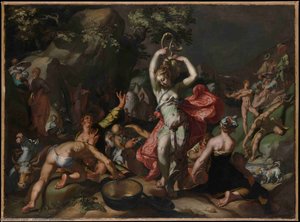
Landscape with Peasants Resting
 Oil On Canvas
- WallArt
- Dutch Golden Age
 1650
1650 91.0 x 133.0 cm
 Staatliche Museen zu Berlin
 Espandi i dettagli
Giclée / Stampe d'arte
Stampa giclée o su tela di qualità museale, con produzione rapida e diverse opzioni di finitura. ( Acquista il dipinto realizzato a mano Passa all'immagine digitale)




P118B €10

P118H €10

P118W €10

P438Z €10

P508JH €12

P508YH €12

P805H €10

P805Z €10

P919BZ €10

P919G €10

P919XJ €10

P959ZH €10

P968JZ €12

W106C €8

W218G €10

W218JH €8

W218Y €10

W307PJ €10

W316G €10

W316PJ €8

W316Y €10

W398PJ €8

W4111J €10

W500HY €15

W500JH €15

W692G €12

W849H €8

W940BG €15

W953PJ €8




Scegli tra le nostre dimensioni predefinite, che rispettano le proporzioni originali dell'opera d'arte.

Inserisci la larghezza e l'altezza desiderate, per adattarle alla tua cornice o alla tua parete. Una stampa può essere solo ritagliata, mai resa più grande dell'immagine originale; pertanto, un formato con una forma differente comporterà la perdita di una parte dell'opera. Ti invieremo un mockup digitale da approvare prima di procedere con la stampa. L'immagine mostrata in questa pagina non rappresenta il ritaglio reale — solo il mockup lo mostra.
Consegna in tutto il mondo () in 2 settimane invece delle normali 4/5 settimane. (25 Ottobre)

Spedizione espressa gratuita in tutto il mondo

Tela in lino di alta qualità

Assicurazione completa sulla spedizione

Garanzia di rimborso dei dazi doganali

Garanzia di fedeltà cromatica assoluta

Politica di reso entro 100 giorni (solo per difetti di fabbricazione)

Garanzia di rimborso al 100%

Offerta per acquisti multipli
 L'opzione vetro è disponibile solo per dimensioni inferiori a 110 cm

Landscape with Peasants Resting
Giclée / Stampe d'arte
Dimensioni riproduzione
-


Prezzo finale calcolato
€ 70
A Window Into Seventeenth Century Dutch Pastoral
The painting “Landscape with Peasants Resting,” attributed to Abraham Bloemaert and completed in 1650, offers a captivating glimpse into the artistic sensibilities of the Dutch Golden Age—a period characterized by unparalleled creativity and intellectual fervor. Currently residing at Staatliche Museen Berlin, this monumental canvas (91 x 133 cm) transcends mere depiction; it embodies an idealized vision of rural tranquility deeply rooted in humanist ideals prevalent during its creation. Bloemaert’s masterful command of oil paint on canvas—a technique perfected by artists like Rembrandt and Frans Hals—allows for a remarkable level of textural detail, capturing the subtle nuances of light and shadow that imbue the scene with palpable atmosphere.Style and Technique: Echoes of Mannerism and Embracing Baroque Luminosity
Bloemaert’s stylistic approach skillfully blends elements characteristic of Mannerism – notably asymmetrical compositions and stylized figures – with burgeoning Baroque principles emphasizing dramatic lighting and vibrant color palettes. The artist eschews strict realism, favoring instead a carefully crafted illusion that prioritizes expressive beauty over photographic accuracy. Observe how Bloemaert employs chiaroscuro—the interplay between light and dark—to sculpt the forms of the peasants beneath the sheltering branches of an ancient oak tree. This technique not only enhances visual impact but also serves to convey a profound sense of solemn contemplation, mirroring the spiritual concerns that underpinned much Baroque art.Historical Context: Reflecting Religious Reform and Societal Values
Painted amidst the turbulent backdrop of the Dutch Reformation—a movement aimed at purging Catholicism from Dutch society—Bloemaert’s landscape reflects broader societal anxieties regarding morality and faith. The depiction of peasants engaging in quiet repose underscores the importance of piety and contemplation within the everyday lives of ordinary citizens. Furthermore, the inclusion of livestock – cows and chickens – speaks to the economic realities of rural communities and reinforces the prevailing belief in God's provision for humankind. Bloemaert’s work stands as a testament to the humanist conviction that beauty could inspire moral virtue and elevate the human spirit.Symbolism: Oak Tree, Hearth Fire, and the Cycle of Life
The oak tree dominating the composition symbolizes strength, resilience, and longevity—attributes revered in medieval symbolism and retained throughout the Baroque era. Its expansive branches provide refuge from the sun’s glare, representing divine protection and fostering a sense of serenity among the resting peasants. Equally significant is the depiction of a humble wooden house with a thatched roof and a flickering hearth fire. This domestic emblem embodies warmth, comfort, and familial unity—values central to Dutch cultural identity during Bloemaert's time. The presence of animals reinforces the cyclical nature of life – birth, growth, decay, and renewal – mirroring God’s eternal dominion over creation.Emotional Impact: A Balm for Troubled Times
Ultimately, “Landscape with Peasants Resting” transcends its formal qualities to evoke a powerful emotional response in the viewer. The painting's serene beauty offers respite from the anxieties of Reformation-era Holland—a balm for troubled souls seeking solace amidst worldly concerns. Bloemaert’s masterful use of color and light creates an immersive experience that transports us back to a bygone era, reminding us of the enduring power of art to inspire contemplation and reaffirm our connection to the natural world. It remains a timeless masterpiece—a testament to the artistic genius of Abraham Bloemaert and the profound spiritual values of the Dutch Golden Age.Domande e risposte
È possibile visualizzare un'anteprima in realtà aumentata di "Landscape with Peasants Resting"?
"Landscape with Peasants Resting" dispone di un'anteprima in realtà aumentata: la pagina Anteprima in AR dell'opera ti permette di visualizzarla nel tuo spazio tramite un dispositivo compatibile.
Quali sono le dimensioni dell'originale "Landscape with Peasants Resting" di Abraham Bloemaert?
Le dimensioni dell'opera "Landscape with Peasants Resting" di Abraham Bloemaert sono 91 x 133 cm. È possibile ordinare riproduzioni in altri formati, mantenendo le stesse proporzioni.
Quanto sono armoniosi i colori di "Landscape with Peasants Resting" di Abraham Bloemaert?
"Landscape with Peasants Resting" di Abraham Bloemaert presenta un'armonia cromatica Unified Palette.
Biografia dell'artista
A Life Immersed in Art: The World of Abraham Bloemaert
Abraham Bloemaert, born in Gorinchem in 1564 and passing away in Utrecht in 1651, stands as a pivotal figure bridging the Mannerist and Baroque periods in Dutch painting. His long and prolific career unfolded against a backdrop of religious and political upheaval, yet he consistently produced works imbued with both dramatic intensity and subtle beauty. Bloemaert’s journey began under the tutelage of his father, Cornelis Bloemaert I, an architect who instilled in him a foundational understanding of form and composition. This early training was further refined through studies with Gerrit Splinter and Joos de Beer in Utrecht, laying the groundwork for his artistic explorations. A crucial period followed – three years spent in Paris from 1581 to 1583. There, he absorbed influences from Jehan Bassot and Maistre Herry, while also encountering the works of Hieronymus Francken, a fellow Dutch artist who broadened his stylistic horizons. This Parisian sojourn proved formative, exposing him to the refined elegance of the French School and setting the stage for his later innovations.From Mannerism to Baroque: A Shifting Aesthetic
Upon returning to Utrecht, Bloemaert quickly established himself as a leading artist. Initially, his style aligned with the prevailing Haarlem Mannerism – characterized by elongated figures, elegant poses, and often complex allegorical narratives. However, he was not content to remain solely within this framework. As the 17th century dawned, Bloemaert began to embrace the emerging Baroque aesthetic, a shift marked by increased dynamism, emotional intensity, and a heightened sense of realism. This transition wasn’t abrupt; rather, it represented a gradual evolution, blending elements of both styles into a uniquely personal artistic language. He skillfully incorporated dramatic lighting effects, rich color palettes, and expressive gestures to convey powerful narratives and evoke profound emotions in his viewers. His paintings began to resonate with a new energy, reflecting the changing cultural landscape of the Dutch Republic. He mastered techniques that allowed him to capture fleeting moments of emotion and movement—a hallmark of Baroque art.A Master of Diverse Subjects and Techniques
Bloemaert’s artistic output was remarkably diverse. He excelled in history painting, bringing biblical stories and classical myths to life with compelling detail and emotional depth. Landscapes also held a special place in his repertoire, often serving as settings for religious or mythological scenes, but increasingly becoming subjects in their own right – picturesque vistas populated with figures engaged in everyday activities. Beyond painting, Bloemaert was a highly skilled printmaker, proficient in both etching and engraving. These prints served to disseminate his artistic vision more widely, contributing significantly to his reputation and influence. His technical mastery extended to still lifes and animal paintings as well, demonstrating an exceptional versatility that set him apart from many of his contemporaries. Notable works such as “The Expulsion of Hagar and Ishmael,” “Venus and Adonis”, and "Warrior & Young Standard-Bearer" exemplify this range, showcasing his ability to handle complex compositions and convey nuanced emotions with equal skill.Influences and Artistic Legacy
Bloemaert’s artistic development was profoundly shaped by the artists who preceded him. Hieronymus Francken, a fellow Utrecht Caravaggisti, instilled in him an appreciation for dramatic realism and expressive gesture—influences that would permeate his later paintings. Gerrit Splinter and Joos de Beer provided invaluable training in composition and technique, grounding Bloemaert’s artistic practice in established traditions. Furthermore, the Parisian encounter with French Baroque art broadened his stylistic horizons, exposing him to new visual vocabularies and fostering experimentation. His students—Hendrick Bloemaert, Frederick Bloemaert, Cornelis Bloemaert, Adriaan Bloemaert—carried forward his legacy, establishing a vibrant Utrecht workshop and perpetuating his distinctive artistic style. Bloemaert’s enduring influence can be seen in the works of numerous artists who followed him, cementing his position as one of the most important figures in Dutch Baroque painting. His paintings continue to captivate audiences today with their masterful execution and profound emotional resonance—a testament to a lifetime dedicated to artistic excellence.Major Achievements
Abraham Bloemaert achieved considerable renown during his lifetime for his prolific output and exceptional skill. He produced an impressive catalog of paintings, encompassing history scenes, landscapes, portraits, and mythological subjects—each imbued with meticulous detail and expressive emotion. His prints—particularly etchings—were widely circulated throughout Europe, furthering the dissemination of his artistic vision and establishing him as a celebrated printmaker. Bloemaert’s role as a teacher was equally significant; he nurtured the talents of generations of Dutch artists, shaping the stylistic trajectory of Utrecht Caravaggisti and contributing to the flourishing artistic culture of his era. His enduring legacy resides in the beauty and power of his paintings—works that continue to inspire admiration and scholarly study centuries after their creation.
Abraham Bloemaert
1564 - 1651 , Paesi Bassi
Dettagli rapidi
- Artistic Movement Or Style: Barocco, Mannerismo
- Artists Or Movements Influenced By This Artist: ['Utrecht Caravaggisti']
- Artists Who Influenced This Artist:
- Gerrit Splinter
- Joos de Beer
- Date Of Birth: 1564
- Date Of Death: 1651
- Full Name: Abraham Bloemaert
- Nationality: Paesi Bassi
- Notable Artworks:
- Espulsione di Hagar e Ismaele
- Venere e Adone
- Paesaggio con contadini
- Place Of Birth: Gorinchem, Paesi Bassi
Articoli correlati
Nicolaes Berchem e l'Età dell'Oro Olandese: Un Rifugio Idilliaco tra Realismo e Mito
Esplora l'incantevole mondo di Nicolaes Berchem e la pittura del Secolo d'Oro Olandese. Analisi approfondita, simbolismo nascosto e l'eredità artistica di un maestro del paesaggio arcadiaco.

Golden Light & Dutch Skies: Bringing the Magic of Dutch Golden Age Landscapes into Your Home
Transform your home with the breathtaking light of Dutch Golden Age landscapes. Discover how hand-painted oil reproductions of masterworks like Ruisdael and Vermeer bring timeless elegance, atmosphere, and soulful texture to modern interiors. Elevate your space with museum-quality art.

I 10 Capolavori dell'Età d'Oro Olandese: Arte, Storia e Stile per la Tua Casa
Esplora i 10 capolavori dell'Età d'Oro Olandese con ! Rembrandt, Vermeer e altri maestri rivivono in dipinti iconici. Scopri storia, tecnica e colori di opere senza tempo per arredare la tua casa con arte di qualità museale. Esplora la collezione online!
Charles Leickert: Capturing the Dutch Golden Age Light – A Comprehensive Study of Technique, Context, and Legacy
Explore the captivating winter landscapes of Charles Leickert, a master of Dutch Golden Age light & atmosphere. Discover his techniques, symbolism, and lasting legacy – a comprehensive study for art enthusiasts and collectors.

Golden Light & Dutch Skies: The Timeless Magic of Dutch Golden Age Landscapes
Discover the breathtaking beauty of Dutch Golden Age landscapes. Explore the mastery of light, chiaroscuro, and 17th-century realism through an expert art history lens, celebrating the enduring legacy of the Dutch Masters for discerning collectors and art lovers.