Anteprima in scala reale
 Invia
Invia Condividi
 Dettagli opera
 Guida
Guida

 Scarica
 Simili
 Radiografia
 Slideshow
 Domande e risposte
 Statistiche
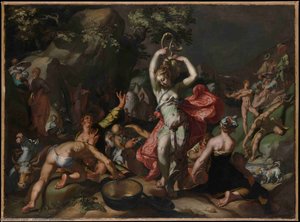
Il Riposo sull'Ingresso in Egitto

- 25.0 x 20.0 cm


 Espandi i dettagli
Giclée / Stampe d'arte
Stampa giclée o su tela di qualità museale, con produzione rapida e diverse opzioni di finitura. ( Acquista il dipinto realizzato a mano Passa all'immagine digitale)




P118B €10

P118H €10

P118W €10

P438Z €10

P508JH €12

P508YH €12

P805H €10

P805Z €10

P919BZ €10

P919G €10

P919XJ €10

P959ZH €10

P968JZ €12

W106C €8

W218G €10

W218JH €8

W218Y €10

W307PJ €10

W316G €10

W316PJ €8

W316Y €10

W398PJ €8

W4111J €10

W500HY €15

W500JH €15

W692G €12

W849H €8

W940BG €15

W953PJ €8




Scegli tra le nostre dimensioni predefinite, che rispettano le proporzioni originali dell'opera d'arte.

Inserisci la larghezza e l'altezza desiderate, per adattarle alla tua cornice o alla tua parete. Una stampa può essere solo ritagliata, mai resa più grande dell'immagine originale; pertanto, un formato con una forma differente comporterà la perdita di una parte dell'opera. Ti invieremo un mockup digitale da approvare prima di procedere con la stampa. L'immagine mostrata in questa pagina non rappresenta il ritaglio reale — solo il mockup lo mostra.
Consegna in tutto il mondo () in 2 settimane invece delle normali 4/5 settimane. (5 Novembre)

Spedizione espressa gratuita in tutto il mondo

Tela in lino di alta qualità

Assicurazione completa sulla spedizione

Garanzia di rimborso dei dazi doganali

Garanzia di fedeltà cromatica assoluta

Politica di reso entro 100 giorni (solo per difetti di fabbricazione)

Garanzia di rimborso al 100%

Offerta per acquisti multipli
 L'opzione vetro è disponibile solo per dimensioni inferiori a 110 cm

Il Riposo sull'Ingresso in Egitto
Giclée / Stampe d'arte
Dimensioni riproduzione
-


Prezzo finale calcolato
€ 72
Abraham Bloemaert e la Maestria Barocca: Uno Sguardo alla “Riposo sulla fuga in Egitto”
La tela di Abraham Bloemaert, datata 1590, rappresenta una delle opere più significative del suo periodo creativo e un esempio emblematico della maestria barocca che caratterizza l'arte olandese dell’epoca. Questo dipinto, noto come “Riposo sulla fuga in Egitto”, offre uno sguardo affascinante alla visione religiosa e simbolica di quel momento storico, catturando l'attenzione dello spettatore con una composizione dinamica e un uso sapiente della luce e del colore.Un Composizione Drammatica nel Cuore della Natura
Il soggetto principale è la Vergine Maria con il Bambino Gesù, raffigurati in una scena ambientata in un giardino o campo aperto. Bloemaert abbandona la prospettiva lineare tradizionale tipica del Rinascimento per abbracciare uno stile barocco che privilegia l’effetto drammatico e l'importanza della luce naturale. La composizione è organizzata secondo principi geometrici, con Maria al centro e gli angeli circostanti creando una piramide stabile che guida lo sguardo verso l'alto, simbolo di trascendenza divina. L'artista utilizza linee curve per esprimere movimento ed energia, elementi essenziali nella rappresentazione delle emozioni e della spiritualità dell’epoca.Tecnica Pittorica Innovativa: Luce e Ombra come Elementi Narrativi
La maestria tecnica di Bloemaert si rivela evidente nell’esecuzione del dipinto. L'artista impiega pennellate ampie e fluide, creando superfici ricche di texture che imitano la naturalezza delle forme rappresentate. Una particolare attenzione viene dedicata alla resa dei tessuti e della pelle, ottenuta attraverso studi approfonditi sull'anatomia umana e sulla fisica della luce. Lo sfondo è dominato da un cielo tempestoso illuminato da una luce calda e intensa, creando forti contrasti tra luce e ombra che enfatizzano i volti delle figure principali e contribuiscono a comunicare il senso di emozione e dramma. L’uso del colore è armonioso ma espressivo: tonalità calde come l'ocra e l'oro predominano nella rappresentazione della Vergine Maria e degli angeli, mentre tonalità fredde come il blu dominano lo sfondo creando un effetto atmosferico coinvolgente.Simbolismo Religioso e Significati Profondi
La “Riposo sulla fuga in Egitto” è ricca di simbolismi religiosi che invitano alla riflessione. Gli elementi naturali presenti nella scena – piante, frutta e animali – hanno un significato allegorico legato alla fertilità, all'abbondanza divina e alla protezione materna. La presenza degli angeli rappresenta la grazia divina e l’intervento divino nella vita umana. Il gesto della Vergine Maria, seduta sulla terra con il Bambino Gesù tra le braccia, simboleggia la dolcezza e la misericordia di Dio verso la sua creazione. Questo dipinto è un vero e proprio monumento alla fede cristiana e alla bellezza dell'arte barocca, capace di comunicare emozioni profonde e ispirazione allo spettatore contemporaneo.Un’Opera Perfetta per l'Interior Design
Grazie alle riproduzioni ad alta qualità disponibili su OriginalUniqueArt.com, questo splendido quadro può essere portato nella vostra casa o ufficio, aggiungendo un tocco di eleganza classica e profondità emotiva ai vostri spazi abitativi. Un vero tesoro artistico che celebra la potenza della bellezza e della spiritualità!Domande e risposte
Posso visualizzare "Il Riposo sull'Ingresso in Egitto" come una presentazione a schermo intero?
È disponibile un diaporama: la pagina Slideshow di "Il Riposo sull'Ingresso in Egitto" di Abraham Bloemaert.
Che tipo di opera è "Il Riposo sull'Ingresso in Egitto"?
"Il Riposo sull'Ingresso in Egitto" di Abraham Bloemaert è classificato come Opere da parete. La categoria descrive la tipologia di opera d'arte dell'originale.
Quali sono la forma e le dimensioni di "Il Riposo sull'Ingresso in Egitto" di Abraham Bloemaert?
"Il Riposo sull'Ingresso in Egitto" di Abraham Bloemaert è una composizione in Portrait che misura 25 x 20 cm nell'originale.
Biografia dell'artista
A Life Immersed in Art: The World of Abraham Bloemaert
Abraham Bloemaert, born in Gorinchem in 1564 and passing away in Utrecht in 1651, stands as a pivotal figure bridging the Mannerist and Baroque periods in Dutch painting. His long and prolific career unfolded against a backdrop of religious and political upheaval, yet he consistently produced works imbued with both dramatic intensity and subtle beauty. Bloemaert’s journey began under the tutelage of his father, Cornelis Bloemaert I, an architect who instilled in him a foundational understanding of form and composition. This early training was further refined through studies with Gerrit Splinter and Joos de Beer in Utrecht, laying the groundwork for his artistic explorations. A crucial period followed – three years spent in Paris from 1581 to 1583. There, he absorbed influences from Jehan Bassot and Maistre Herry, while also encountering the works of Hieronymus Francken, a fellow Dutch artist who broadened his stylistic horizons. This Parisian sojourn proved formative, exposing him to the refined elegance of the French School and setting the stage for his later innovations.From Mannerism to Baroque: A Shifting Aesthetic
Upon returning to Utrecht, Bloemaert quickly established himself as a leading artist. Initially, his style aligned with the prevailing Haarlem Mannerism – characterized by elongated figures, elegant poses, and often complex allegorical narratives. However, he was not content to remain solely within this framework. As the 17th century dawned, Bloemaert began to embrace the emerging Baroque aesthetic, a shift marked by increased dynamism, emotional intensity, and a heightened sense of realism. This transition wasn’t abrupt; rather, it represented a gradual evolution, blending elements of both styles into a uniquely personal artistic language. He skillfully incorporated dramatic lighting effects, rich color palettes, and expressive gestures to convey powerful narratives and evoke profound emotions in his viewers. His paintings began to resonate with a new energy, reflecting the changing cultural landscape of the Dutch Republic. He mastered techniques that allowed him to capture fleeting moments of emotion and movement—a hallmark of Baroque art.A Master of Diverse Subjects and Techniques
Bloemaert’s artistic output was remarkably diverse. He excelled in history painting, bringing biblical stories and classical myths to life with compelling detail and emotional depth. Landscapes also held a special place in his repertoire, often serving as settings for religious or mythological scenes, but increasingly becoming subjects in their own right – picturesque vistas populated with figures engaged in everyday activities. Beyond painting, Bloemaert was a highly skilled printmaker, proficient in both etching and engraving. These prints served to disseminate his artistic vision more widely, contributing significantly to his reputation and influence. His technical mastery extended to still lifes and animal paintings as well, demonstrating an exceptional versatility that set him apart from many of his contemporaries. Notable works such as “The Expulsion of Hagar and Ishmael,” “Venus and Adonis”, and "Warrior & Young Standard-Bearer" exemplify this range, showcasing his ability to handle complex compositions and convey nuanced emotions with equal skill.Influences and Artistic Legacy
Bloemaert’s artistic development was profoundly shaped by the artists who preceded him. Hieronymus Francken, a fellow Utrecht Caravaggisti, instilled in him an appreciation for dramatic realism and expressive gesture—influences that would permeate his later paintings. Gerrit Splinter and Joos de Beer provided invaluable training in composition and technique, grounding Bloemaert’s artistic practice in established traditions. Furthermore, the Parisian encounter with French Baroque art broadened his stylistic horizons, exposing him to new visual vocabularies and fostering experimentation. His students—Hendrick Bloemaert, Frederick Bloemaert, Cornelis Bloemaert, Adriaan Bloemaert—carried forward his legacy, establishing a vibrant Utrecht workshop and perpetuating his distinctive artistic style. Bloemaert’s enduring influence can be seen in the works of numerous artists who followed him, cementing his position as one of the most important figures in Dutch Baroque painting. His paintings continue to captivate audiences today with their masterful execution and profound emotional resonance—a testament to a lifetime dedicated to artistic excellence.Major Achievements
Abraham Bloemaert achieved considerable renown during his lifetime for his prolific output and exceptional skill. He produced an impressive catalog of paintings, encompassing history scenes, landscapes, portraits, and mythological subjects—each imbued with meticulous detail and expressive emotion. His prints—particularly etchings—were widely circulated throughout Europe, furthering the dissemination of his artistic vision and establishing him as a celebrated printmaker. Bloemaert’s role as a teacher was equally significant; he nurtured the talents of generations of Dutch artists, shaping the stylistic trajectory of Utrecht Caravaggisti and contributing to the flourishing artistic culture of his era. His enduring legacy resides in the beauty and power of his paintings—works that continue to inspire admiration and scholarly study centuries after their creation.
Abraham Bloemaert
1564 - 1651 , Paesi Bassi
Dettagli rapidi
- Artistic Movement Or Style: Barocco, Mannerismo
- Artists Or Movements Influenced By This Artist: ['Utrecht Caravaggisti']
- Artists Who Influenced This Artist:
- Gerrit Splinter
- Joos de Beer
- Date Of Birth: 1564
- Date Of Death: 1651
- Full Name: Abraham Bloemaert
- Nationality: Paesi Bassi
- Notable Artworks:
- Espulsione di Hagar e Ismaele
- Venere e Adone
- Paesaggio con contadini
- Place Of Birth: Gorinchem, Paesi Bassi
Articoli correlati

The Dramatic Flourish: Exploring the Baroque Movement's Enduring Legacy in Art History
Explore the dramatic world of Baroque art! Discover iconic artists like Caravaggio & Rubens, defining techniques, and its lasting impact on art history. Expert insights for collectors & enthusiasts at OriginalUniqueArt.

I 10 Capolavori Barocchi che Hanno Definito un'Epoca | Arte e Decorazioni di Lusso
Esplora i 10 capolavori barocchi di Caravaggio, Bernini e Rembrandt che hanno rivoluzionato l'arte. Scopri storie, tecniche e colori iconici. Trova riproduzioni d'arte di alta qualità per la tua casa su !

Il Dramma Barocco: Portare Splendore ed Emozione negli Interni Contemporanei
Scopri come portare il dramma e lo splendore dell'arte barocca nei tuoi interni con . Riproduzioni di alta qualità, consulenza d'arte personalizzata e ispirazione per uno stile unico.

Baroque Classicism: The Grandeur of Order and Drama in 17th-Century Art History
Explore the profound elegance of Baroque Classicism. Discover how 17th-century masters synthesized dramatic emotion with classical order through the lens of the Counter-Reformation and the works of legends like Carlo Maratta and Andrea Sacchi.

The Visceral Stage: Exploring Dramatic Narratives & Emotional Intensity in Baroque Art
Explore the dramatic world of Baroque art! Discover iconic masters like Caravaggio & Rembrandt, their techniques, and the movement's lasting impact. Expert insights for collectors & enthusiasts at OriginalUniqueArt.