
Egy utazás Oroszország lelkébe: Az Állami Orosz Múzeum
Szentpéterburg lélegzetelállító pompájában terülő Állami Orosz Múzeum évszázadok művészeti és kulturális fejlődésének monumentális tanúja. Ez a hely nem csupán a műalkotások gyűjtőhelye, hanem egy mély ébredés, egy zarándoklat Oroszország identitásának szívén keresztül, ahol a palotákon, kertekben és termekben csengenek a cárésok, a forradalmárok és egy nemzet örök lancos szellemiségének történetei. Az 1896-ban, III. Alekszandr cár tiszteletére alapított múzeum gyökerei az orosz művészet legfontosabb esszenciájának megőrzésében rejlenek, a korai szent ikonoktól a legmerészebb modern kifejezésekig. Napjainkban ez a világ elsőleg meghatározó gyűjteménye, amely kizárólag az orosz szépművészetnek szentelt, és összehasonlítatlan lehetőséget nyújt a nemzet kreatív utának nyomon követésére több mint 4 Száz ezer lenyűgöző darab révén.
A múzeumkomplexum építészeti tája legalább annyira lenyűgöző, mint az itt őrzött mesterművek. Az elsődleges épület, a Mihailovszkij-palota, amely a legendás Carlo Rossi neoklasszikus tervezésének remekműve, azonnal a császári korszakba repíti a látogatókat. Eredetileg Mihail Pavlovics nagydúk számára készült rezidencia, díszes stukkóasztalokkal, magas mennyezetekkel és aprólékosan kidolgozott parkettákkal büszkélkedhet, tükrözve az orosz uralkodó elit kifinomult ízlését. Múzeumunk története azonban messze túlmutat ezen egyetlen épületen; magában foglalja a történelmi ékköveket, mint a Marmor-palota, a Stroganov-palota csodálatos Rastrelli-barokk stílusa, vagy akár az intim Michael-vár. Ezeken a változatos terekben vándorlva nem egy galériát látogatunk, hanem az időben hátrafelé lépünk, teljesen elmerülve abban a világszínvonalú alkotások születtek világában.
Szent ikonok és császári pompázat
A múzeum gyűjteményének szívét extraordinary ikon-összesítmény alkotja, amely mély spirituális jelentékkel és művészi mesterséglegességgel bír. Ezek a bibliai jelenetek és szentek vibráló ábrázolásai az orosz ortodox művészet alapkövei, gyűjteményük pedig a 10. századi Kijev-iskolától a kifinomult Novrod és Moszkva hagyományokig terjed. Minden egyes ikon nem csupán egy festmény; ez egy ablak Oroszország lelkébe, amely a hit, az áldozatkészség és a technikai innováció évszázadait tükrözi. Ezek a munkák aprólékos részletei és szimbolikus gesztusai erőteljes kapcsolódást kínálnak egy olyan szellemi örökséghez, amely a modern kontextusban is érezhető marad.
Ezen a spirituális síkon túl múlus, a múzeum a császári korszak kincseivel teli, a fényesség és a hatalom lenyűgöző prezentációjaként szolgál. Itt a gyűjtők és a művészet szerelmesei cárák portréit, pompás ünnepi viseleteket, bonyolult porcelánokat és a legendás Fabergé-tojásokat találják, amelyek a Romanov-ház rendkívüli gazdagságának bizonyítékai. A gyűjtemény Simon Uszakov és Vaszilij Polenov mesterei alkotásaival ragadja meg a császári élet pompáját, feltárva egy eltűnt kor fényességét és társadalmi összetettségét. A belsőépítészek vagy a koneszørek számára ezek az alkotások a dekoratív kiválóság és a történelmi narratíva csúcspontját jelentik.
A modernitás és az innováció lüktetése
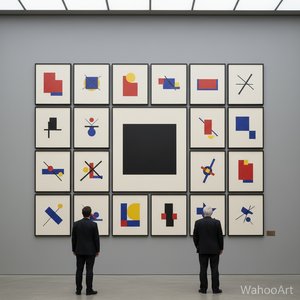
Bár mélyen gyökerezik a hagyományokban, az Állami Orosz Múzeum befogadja a modern művészet radikális dinamizmusát is. A múzeum termei a 20. századi mesterművek lenyűgöző választékát mutatják be, beleértve Kazimir Maleovics forradalmi alkotásait is, melynek ikonikus Fekete négyzet című műve a hagyományos művészeti konvencióktól való határozott szakítást jelent. Ez a gyűjtemény a 20. század zűrzavaros eseményeit tükrözi – az orosz forradalom energiájától a konstruktivizmus és a szocialista realizmus strukturált esztétikájáig. Ez egy olyan hely, ahol a művészet az identitás, a forradalom és a modernitás maga mint téma küzdelmének színtere. p>
Ami az Állami Orosz Múzeumot valóban egyedivé teszi, az az a képesség, amellyel képes egy összefüggő narratívát alkotni ilyen hatalmas időszakon keresztül. Ellentétben sok olyan intézménnyel, amely különálló szárnyakba választja az érakot, az Orosz Múzeum minden korszakból származó művészetet úgy mutat be, hogy lehetővé teszi a néző számára a múlt és a jelen közötti folyamatos párbeszéd megfigyelését. Élő kulturális központként működik, amely kutatási kezdeményezésekkel és oktatási programokkal állandóan fejlődik, biztosítva, hogy nagyszerű gyűjteménye vonzó, élő történet maradjon a jövő generációi művészrajongói számára.