

A Kövekbe és az Időbe Ült Örökség
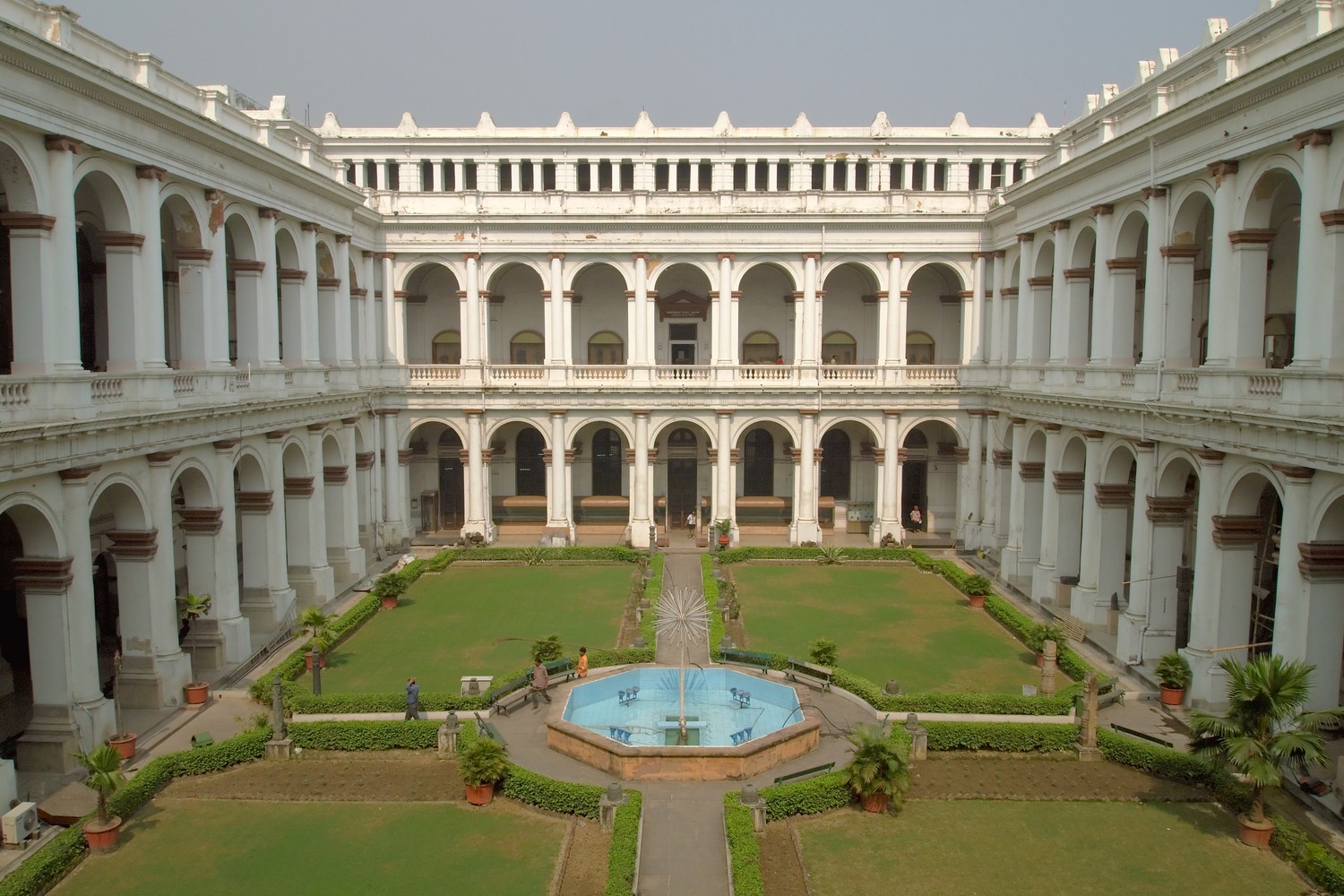
Az Indian Museum monumentális bizonyítékként áll Kolkata intellektuális örökségének – a tudás fékylámpájaként, amely évszációk művészi kifejezéseit és tudományos felfedezéseit világítja meg. Ahogy az impozáns homlokzat felé haladunk, azonnal awe-t внуjącó érzés kerít be minket, felismerve, hogy egy olyan tér kapuján állunk, ahol a birodalmak visszhangjai az ősi civilizációk suttogásaival fonódnak össze. Maga az épület egy lenyűgöző neoklasszikus szerkezet, amelyet William Lawrence Granville tervezett Sir Thomas Oldham konzultációjával; tudatos brit koloniális hatást sugallva, mégis zökkenőmentesen illeszkedik Kolkata vibráló városi tájába. Elsősorban homokkőből épített, hatalmas udvara és magas mennyezete mély kontemplációt idéztet, arra invitálva a látogatókat, hogy merüljenek el hatalmas kincseiben. p>
Belépni az épületbe olyan, mintha egy rendkívüli utazásra indultunk volna az időkön és a kontinenseken keresztül. A múzeum egy lenyűgöző gyűjteményt ölel körbe, amely áthidalja a szakadékot az emberi szellem és a természet világ között. A művészet szerelmesei vagy a történelem gyűjtői számára az archeológiai galériák különösen lélegzetellegzőek: itt az Indus-völgyi civilizáció relikviái, Bharrutból származó gyönyörű buddhista szobrok, valamint a Gandhara-művészet bonyolult alkotásai mutatják be a görög és az indiai művészeti hagyományok gy beauties találkozását. Ezeken a csarnokokban csodálhatjuk a hindu isteneket és mitológiai történeteket ábrázoló terracotta figurákat, amelyek az ősi hitvilág vibráló pillanatképeként szolgálnak.
A Művészet és a Tudomány Találkozása
Az archeológiai csodákon túl a múzeum olyan globális perspektívákat kínál, amelyek a távoli földekre repítik a lelket. Az Egyiptomi Galéria lenyűgözően jól megőrzött múmiáival és szarkofágjaival felemlékeztet Égyptom gazdag kulturális örökségére és döntő szerepére a nyugati civilizáció alakításában. Az emberi történelem ezen utazását gyönyörűen egészíti ki a természet világának csodái is. A fosszílíum-gyűjtemények – beleértve a monumentális dinoszaurusz csontvázakat – ablakot nyitnak a prehisztorikus életre, míg a zoológiai galériák a hatalmas emlősöktől a finom apróلقív até leglenyűgözőbb példányokat bemutatják. p>
A belsőépítészek vagy a részletek szerelmesei számára a múzeum képesse, hogy ötvözze a tudományos és az esztétikai szempontokat, végtelen inspirációforrást nyújtva. A gyűjtemény gazdag textúrákkal és történelmi narratívákkal, beleértve az alábbiakat:
- Mughal-festmények: Egy pillantást kínálnak India császári múltjának pompás udvaraira és kifinomult esztétikájára.
- A Formák Mesterei: Olyan művészek alkotásai, mint Raja Ravi Varma és Bharat Chandra Bose , amelyek a királyi menetek pompáját és a hindu istenek idealizált ábrázolását örökítik meg.
- Ősi Kincstár: A válogatott páncélzatok, ékszerek és őregedett tárgyak, amelyek a múltbeli korok mesteri kidolgozottságáról beszélnek.
Az Indian Museum nem csupán egy statikus monumentum, hanem egy élő intézmény, amely folyamatosan fejlődve alkalmazkodik az új technológiákhoz és tudományos nézőpontokhoz. Marad a művészi párbeszéd vitalis szívverése, ahol a kutatás találkozik a csodával, és ahol minden tárgy az emberi kitartás és a kreatív zsenialitás történetét meséli el.