Edgar Degas portréja

Edgar Degas festményei: A 100 leghíresebb alkotás, egy galéria szemével

Frissítve: november 2026 · rangsorolva népszerűségi pontszámunk alapján (minden mű keresései, látogatásai és megrendelései alapján) · 1 074 mű Edgar Degas alkotása a katalógusunkban

Röviden

A galéria szerint Edgar Degas leghíresebb festménye a Észembe ülő Szüzet (1876), amelynek eredeti példája a Musée d'Orsay múzeumában található, Párizs városában. A nő, aki törölkozik és A tánc órája (1873) kiegészítik azt a triót, amelyet minden szem felismer. A katalógusunkban szereplő 1,074 művész Edgar Degas alkotásából a galéria az alábbi 100 leghíresebbet mutatja be, amelyek mind egyedi originális művek, a készítés évszámával, a múzeum megnevezésével és a különlegességük leírásával.

1834 – 1917, Párizs Impressionizmus A legtöbb mű: Metropolitan Művészeti Múzeum

A galéria top 10 Edgar Degas festménye

1
Észembe ülő Szüzet (1876) (1889) -ja Edgar Degas

Észembe ülő Szüzet

1876 · Olajfestmény vászonon · Musée d'Orsay, Párizs

Edgar Degas „Észembe ülő Szüzet” (1876) című műve a párizsi kávéházi kultúra megható ábrázolása, amely a 19. századi városi élet magányát és belső visszahúzódását foglalja meg. Ez a remekmű egy csendes kontempláció pillanatába hívja a nézőt, amelyben két alak egymás mellett ül, mégis világok távolságára kerül egymástól, egyenként elmerülve a saját gondolataikba.

2
A nő, aki törölkozik (1889) -ja Edgar Degas

A nő, aki törölkozik

Akril festmény vászonon · National Gallery, London

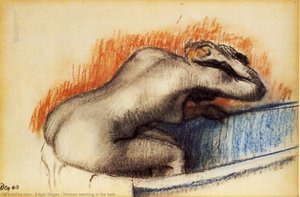
Intim Nyugalmi Pillanat: A Degas-féle „A nő, aki törölkozik” felfedezése Edgar Degas „A nő, aki törölkozik” című műve egy lenyűgöző pastellrajz, amely a Impressionizmus, pontosabban pedig az *Intimista* mozgalom szellemezését testesíti meg. Ez a alkotás nem csupán egy akt ábrázolása; inkább a magánpillanatok, a sebezhetőség és az mindennapi élet csendes szépségének kutatása – olyan témák, amelyek központi jelentőséget kapnak Degas művészeti látásmódjában. A mű egy pillanatszerű, személyes téri térbe hívja…

3
A tánc órája (1873) (1889) -ja Edgar Degas

A tánc órája

1873 · Olajfestmény vászonon · Musée d'Orsay, Párizs

Belépni Edgar Degas „A tánc órája” című művébe az idő határai mögött, a fegyelmezett zsenialitás szentélyébe való belépést jelenti. Ez a masterpiece, melyet körülbelül 1873 körül festettek, nem csupán egy balettpróba jelenetét mutatja be; egy intim, szinte megfigyelő szemlélődésével bíró ablakot nyit a táncstúdió csendes intenzitására. A operával gyakran asszociált nagyszabású, színpadias látománnyal ellentétben Degas tekintetünket a gyakorlás nyers valóságára irányítja. Itt megfigyeljük egy izom feszültségének finom mozgását, egy fiatal…

4
A Bellelli család (1889) -ja Edgar Degas

A Bellelli család

Olajfestmény vászonon · Musée d'Orsay, Párizs

Egy párizsi szoba csendes, árnyékos sarkai között Edgar Degas valami sokkal mélyebb pillanatot örökít meg, mint egy egyszerű családi összejövetelt. A Bellelli család, amelyet 1858 és 1867 között festettek, egy olyan lenyűgöző remekműként áll a hagyományos portretművészet határain túl. Ez nem csupán arcok rögzítése, hanem egy olyan pszichológiai táj, ahol minden tekintet és testbeszéd a kimondottan nem említett feszültségekről és a mélyebb érzelmekről suttog. Ahogy a néző a monumentális vászonra…

5
Belső tér (a Rablás néven is ismert) (1868) (1889) -ja Edgar Degas

Belső tér (a Rablás néven is ismert)

1868 · Olajfestmény vászonon · Philadelphia Művészeti Múzeum, Philadelphia

Edgar Degas’s “Interior,” often referred to as “The Rape,” is not merely a painting; it's an experience—a carefully constructed tableau of psychological tension and unspoken drama. Completed in 1868, this grisaille masterpiece resides within the Philadelphia Museum of Art, yet its power transcends its physical location, resonating with viewers long after they’ve turned away. It’s a work that invites speculation, prompting us to confront uncomfortable truths about human relationships and…

6
Portrék egy New Orleans-i pamutcánál (1889) -ja Edgar Degas

Portrék egy New Orleans-i pamutcánál

Olajfesték · Musée des Beaux-Arts de Pau, Pau

Ez a festmény egy döntő fordulópontot jelöl Degas művészeti pályájában. Ez volt az első művészeti alkotás, amelyet egy múzeum megvásárolt – egy olyan meghatározó pillanat, amely a nem ismert tehetségből elismert és anyagsagilag biztos helyzetű művévé való átalakulását jelezte. Marilyn Brown könyve, Degas and the Business of Art: A Cotton Office in New Orleans, apró részletekig pontosan felக்ínálja ezt a transzformatív pillanatot.

7
Színben úszó táncosok (1885) (1889) -ja Edgar Degas

Színben úszó táncosok

1885 · Olajfestmény vászonon · Hill-Stead Museum, Farmington

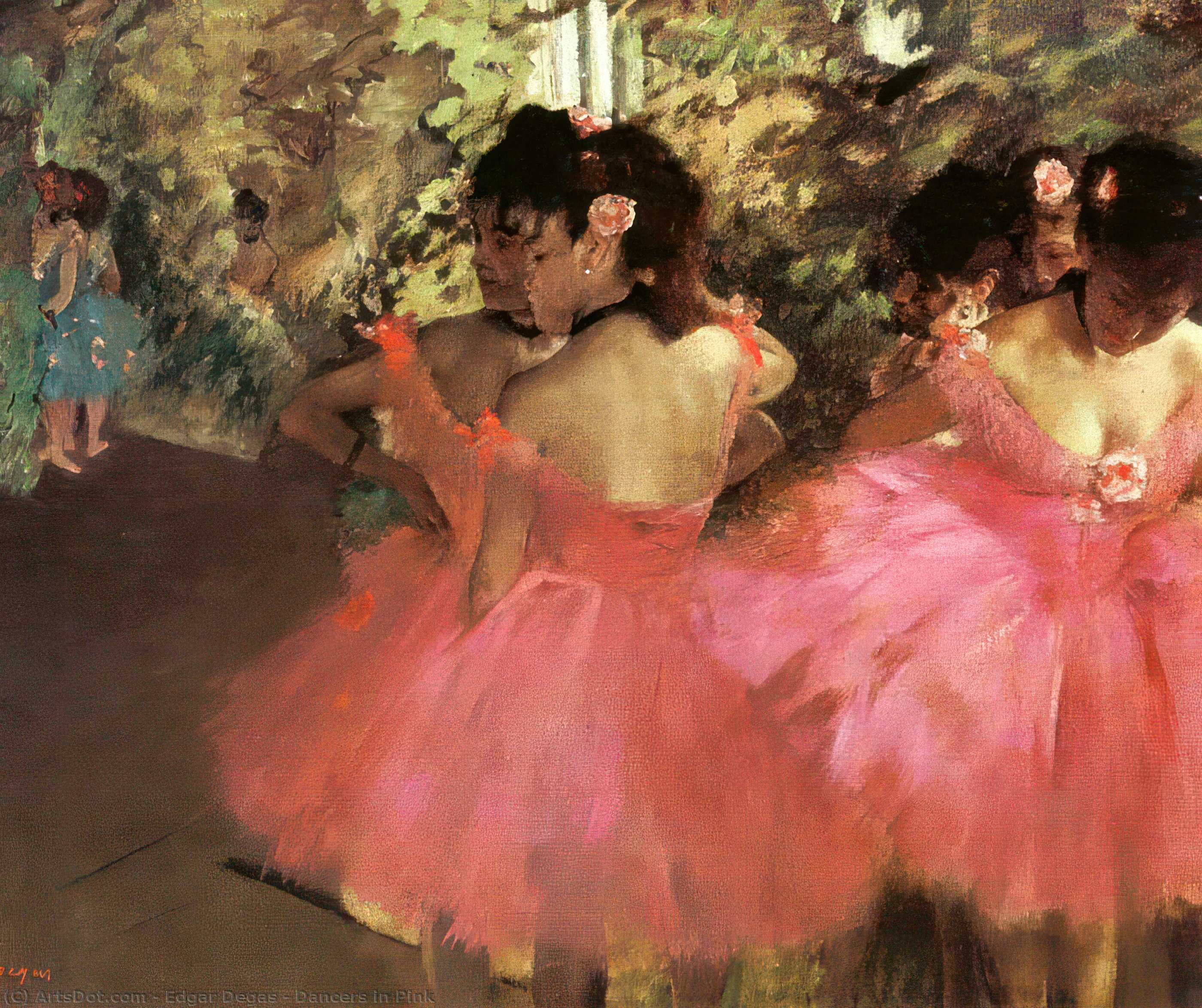
Edgar Degas, a 19. századi Franciaország egyik legjelentősebb művésze, a „Dancers in Pink” című alkotással egyedi megközelítést alkalmazott a kortárs élet és a művészet kapcsolatára. Ez a festmény nem pusztán egy balettelődyűgöt ábrázolja; az a mozgás, a fény, a hangulat – mindannyiuk egyetlen, lenyűgöző egységet alkot. A kép egy párisi opera ház hátsó szcenikében játszódik, ahol a színésznők, elegáns pink tutájukban, felkészülnek a színpadra. A festmény nem a tökéletes realitást…

8
A táncos virágokkal (A balett csillaga) (1878) (1889) -ja Edgar Degas

A táncos virágokkal (A balett csillaga)

1878 · Akril festmény vászonon

Edgar Degas, a század egyik legjelentősebb festőművésze, a „Balett Táncosnője” című alkotásával egy pillanatnyi rácsázást ad át nekünk. Ez a 1878-ban született műve nem csupán egy táncossal ábrázoló kép; az inkább egy elmosolyogó, felemelkedő pillanat leképezése, egy mozdulat és a szépség közötti árnyalatok bemutatása. A festmény a párizsi balett világába nyújt betekintést, nem a pompás előadások által, hanem az intim megfigyelések révén. Egy fiatal táncosnő, akinek testtartása egyformán erőteljes és…

9
Miss Lola, a Cirque Fernandoban (1879) (1889) -ja Edgar Degas

Miss Lola, a Cirque Fernandoban

1879 · Olajfestmény vászonon

Edgar Degas, a figure perpetually caught between the rigid conventions of academic art and the vibrant pulse of modern life, offers us in “Miss Lola, au Cirque Fernando” a truly remarkable glimpse into 19th-century Paris. This isn't merely a depiction of a circus performer; it’s an immersive experience, a carefully constructed tableau brimming with energy, tension, and a profound understanding of the human spirit striving for both beauty and daring.…

10
Dancer at the Barre 1 (1888) (1889) -ja Edgar Degas

Dancer at the Barre 1

1888 · Olajfestmény vászonon · The Phillips Collection, Washington, D.C.

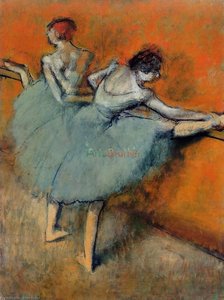
Edgar Degas, a századforduló Franciaországának egyik legjelentősebb művésze, a „Dancers at the Barre 1” alkotása egy olyan pillanatot rögzít, amelyben a szépség, a szorgalom és a művészet találkoznak. Ez a pastel festmény, melyet 1888-ban teremtett meg, nem csupán egy tájkép, hanem egy mélyen személyes és érzelmes portré a tánc világából, a klasszikus eleganciájából és a művész sajátos látásmódjából. A festmény a balett táncosainak gyakorlásának jelenetet ábrázolja, két fiatal lány a…

Edgar Degas festményei, 11. helyezéstől 100. helyezésig

11A Kávéház Koncerte (A Kutya Dalol) (1877) (1889) -ja Edgar DegasA Kávéház Koncerte (A Kutya Dalol)1877 12Női fürdés alatt (1892) (1889) -ja Edgar DegasNői fürdés alatt1892 13Ápolóőrség (1873) (1889) -ja Edgar DegasÁpolóőrség1873 14Egy kávézóban, más néven is (1889) -ja Edgar DegasEgy kávézóban, más néven isGrand Palais 15A tánc című alkotás magyar nyelvére: Táncosok (1898) (1889) -ja Edgar DegasA tánc című alkotás magyar nyelvére: Táncosok1898 16Táncterület (1874) (1889) -ja Edgar DegasTáncterület1874 · Metropolitan Művészeti Múzeum 17Versenylovagok a Longchampban (1874) (1889) -ja Edgar DegasVersenylovagok a Longchampban1874 · Művészeti Múzeum, Boston 18Táncos a színpadon (1880) (1889) -ja Edgar DegasTáncos a színpadon1880 · Hamburger Kunsthalle 19Two Dancers in Their Dressing Room (1880) (1889) -ja Edgar DegasTwo Dancers in Their Dressing Room1880 · National Gallery 20The Star (1889) -ja Edgar DegasThe Star 21Two Dancers Entering the Stage (1878) (1889) -ja Edgar DegasTwo Dancers Entering the Stage1878 22A Ballerina és Egy Szőke Nő Szeretője (1885) (1889) -ja Edgar DegasA Ballerina és Egy Szőke Nő Szeretője1885 23The Ballet Rehearsal on Stage (1874) (1889) -ja Edgar DegasThe Ballet Rehearsal on Stage1874 24Head of a Woman (1874) (1889) -ja Edgar DegasHead of a Woman1874 · National Gallery 25Two harlequins (1886) (1889) -ja Edgar DegasTwo harlequins1886 26Fan Mount: Ballet Girls (1879) (1889) -ja Edgar DegasFan Mount: Ballet Girls1879 · Metropolitan Művészeti Múzeum 27Ültéri nő haját combogatva (1890) (1889) -ja Edgar DegasÜltéri nő haját combogatva1890 · Musée d'Orsay 28Yellow Dancers (In the Wings) (1875) (1889) -ja Edgar DegasYellow Dancers (In the Wings)1875 · Art Institute of Chicago 29Café Singer (1879) (1889) -ja Edgar DegasCafé Singer1879 · Art Institute of Chicago 30The Milliners (1882) (1889) -ja Edgar DegasThe Milliners1882 · J. Paul Getty Múzeum 31Women Combing Their Hair (1876) (1889) -ja Edgar DegasWomen Combing Their Hair1876 · The Phillips Collection 32Three Dancers Preparing for Class (1878) (1889) -ja Edgar DegasThree Dancers Preparing for Class1878 · Metropolitan Művészeti Múzeum 33A Római Szegény Nő (1857) (1889) -ja Edgar DegasA Római Szegény Nő1857 · Birmingham Museum and Art Gallery 34At the Ballet (1881) (1889) -ja Edgar DegasAt the Ballet1881 35Dancer in Her Dressing Room (1879) (1889) -ja Edgar DegasDancer in Her Dressing Room1879 36The Blue Dancers (1889) -ja Edgar DegasThe Blue Dancers 37Seated Nude Combing Her Hair (1890) (1889) -ja Edgar DegasSeated Nude Combing Her Hair1890 38Dancer in her dressing room (1879) (1889) -ja Edgar DegasDancer in her dressing room1879 · Norton Simon Múzeum 39Tuileries, the woman with a parasol (1877) (1889) -ja Edgar DegasTuileries, the woman with a parasol1877 · Burrell Collection 40Orchestra of the Opera (1869) (1889) -ja Edgar DegasOrchestra of the Opera1869 41The Bather (La Baigneuse) (1895) (1889) -ja Edgar DegasThe Bather (La Baigneuse)1895 · Reading Public Museum 42Russian Dancers (1899) (1889) -ja Edgar DegasRussian Dancers1899 43A Cotton Office in New Orleans (1873) (1889) -ja Edgar DegasA Cotton Office in New Orleans1873 44Woman in Blue (Portrait of Mlle. Helene Rouart) (1886) (1889) -ja Edgar DegasWoman in Blue (Portrait of Mlle. Helene Rouart)1886 45Manet at the Races (1870) (1889) -ja Edgar DegasManet at the Races1870 46Singer in Green (1884) (1889) -ja Edgar DegasSinger in Green1884 · Metropolitan Művészeti Múzeum 47Három Táncos, Kék szoknya, Piros blúzok (1903) (1889) -ja Edgar DegasHárom Táncos, Kék szoknya, Piros blúzok1903 48Женщина расчесывает волосы (1894) (1889) -ja Edgar DegasЖенщина расчесывает волосы1894 · Metropolitan Művészeti Múzeum 49Danseuse rajustant son chausson (1880) (1889) -ja Edgar DegasDanseuse rajustant son chausson1880 50Three Dancers in Purple Skirts (1898) (1889) -ja Edgar DegasThree Dancers in Purple Skirts1898 51Woman at a Window (1872) (1889) -ja Edgar DegasWoman at a Window1872 · Courtauld Gallery 52Ballet Scene (1880) (1889) -ja Edgar DegasBallet Scene1880 · Dixon Gallery and Gardens 53Four Dancers (1902) (1889) -ja Edgar DegasFour Dancers1902 54A Carriage at the Races (1872) (1889) -ja Edgar DegasA Carriage at the Races1872 · Művészeti Múzeum, Boston 55Lady with a Parasol (1871) (1889) -ja Edgar DegasLady with a Parasol1871 · Courtauld Gallery 56Ballet Rehearsal on Stage, oil on canvas, Musée (1874) (1889) -ja Edgar DegasBallet Rehearsal on Stage, oil on canvas, Musée1874 57Singer with a glove (1878) (1889) -ja Edgar DegasSinger with a glove1878 58Mme Jacques Fourchy (1883) (1889) -ja Edgar DegasMme Jacques Fourchy1883 59Field of Flax (1892) (1889) -ja Edgar DegasField of Flax1892 60The Return of the Herd (1896) (1889) -ja Edgar DegasThe Return of the Herd1896 · New Walk Museum - Art Gallery 61Woman Seated on a Canape (1872) (1889) -ja Edgar DegasWoman Seated on a Canape1872 62Balett próbája az Ópera műhelyében (1895) (1889) -ja Edgar DegasBalett próbája az Ópera műhelyében1895 · Norton Simon Múzeum 63Woman Tying the Ribbons of Her Hat (1882) (1889) -ja Edgar DegasWoman Tying the Ribbons of Her Hat1882 64Group of Dancers (1905) (1889) -ja Edgar DegasGroup of Dancers1905 65Standing Female Figure with Bared Torso (1868) (1889) -ja Edgar DegasStanding Female Figure with Bared Torso1868 · Kunstmuseum Basel 66Dancer with Bouquet (1877) (1889) -ja Edgar DegasDancer with Bouquet1877 67Conversation (1895) (1889) -ja Edgar DegasConversation1895 · Yale University Art Gallery 68The Rehearsal of the Ballet on Stage (1874) (1889) -ja Edgar DegasThe Rehearsal of the Ballet on Stage1874 · Metropolitan Művészeti Múzeum 69Two Dancers (1898) (1889) -ja Edgar DegasTwo Dancers1898 · Staatliche Kunstsammlungen Dresden 70Spanish dance (2018) (1889) -ja Edgar DegasSpanish dance2018 · Asociación Española de Pintores y Escultores 71On the Stage (1880) (1889) -ja Edgar DegasOn the Stage1880 72Horses and Jockeys (1886) (1889) -ja Edgar DegasHorses and Jockeys1886 73The Dancers (1885) (1889) -ja Edgar DegasThe Dancers1885 · Metropolitan Művészeti Múzeum 74Four dancers, ca National Galler (1899) (1889) -ja Edgar DegasFour dancers, ca National Galler1899 · National Gallery of Art 75Dancer Tilting (1883) (1889) -ja Edgar DegasDancer Tilting1883 76Ballet Scene (1889) -ja Edgar DegasBallet SceneDixon Gallery and Gardens 77Melancholy (1874) (1889) -ja Edgar DegasMelancholy1874 78Dancer's Dressing Room (1878) (1889) -ja Edgar DegasDancer's Dressing Room1878 79három táncos színpadon egy mély piros övvel (1899) (1889) -ja Edgar Degashárom táncos színpadon egy mély piros övvel1899 80M. and Mme Edouard Manet (1869) (1889) -ja Edgar DegasM. and Mme Edouard Manet1869 81Dancers Practicing at the Barre (1877) (1889) -ja Edgar DegasDancers Practicing at the Barre1877 · Metropolitan Művészeti Múzeum 82Woman in a Café (1877) (1889) -ja Edgar DegasWoman in a Café1877 83Dancers (1895) (1889) -ja Edgar DegasDancers1895 84Dancer Looking at the Sole of Her Right Foot (1921) (1889) -ja Edgar DegasDancer Looking at the Sole of Her Right Foot1921 · Tel Aviv Művészeti Múzeum 85Észrevétel előtted ülő nő tükör előtt kefével járja meg haja haját. (1877) (1889) -ja Edgar DegasÉszrevétel előtted ülő nő tükör előtt kefével járja meg haja haját.1877 · Norton Simon Múzeum 86Dancers in the Wings (1885) (1889) -ja Edgar DegasDancers in the Wings1885 87Negyedik táncos (1900) (1889) -ja Edgar DegasNegyedik táncos1900 · National Gallery of Art 88A Fürdő (1889) (1889) -ja Edgar DegasA Fürdő1889 89Before the Curtain Call (1892) (1889) -ja Edgar DegasBefore the Curtain Call1892 90Dancer on Stage with a Bouquet (1876) (1889) -ja Edgar DegasDancer on Stage with a Bouquet1876 91Woman with a Bandage (1873) (1889) -ja Edgar DegasWoman with a Bandage1873 · Detroit Institute of Arts 92Dancers (8) (1900) (1889) -ja Edgar DegasDancers (8)1900 93Cafe-Concert Singer (1878) (1889) -ja Edgar DegasCafe-Concert Singer1878 94The Rehearsal (1878) (1889) -ja Edgar DegasThe Rehearsal1878 · Dumbarton Oaks 95Dancers Practicing at the Barre (1877) (1889) -ja Edgar DegasDancers Practicing at the Barre1877 96Russian Dancer (1895) (1889) -ja Edgar DegasRussian Dancer1895 97Olive Trees against a Mountainous Background (1893) (1889) -ja Edgar DegasOlive Trees against a Mountainous Background1893 98View of Saint-Valery-sur-Somme (1898) (1889) -ja Edgar DegasView of Saint-Valery-sur-Somme1898 · Metropolitan Művészeti Múzeum 99Leon Bonnat (1863) (1889) -ja Edgar DegasLeon Bonnat1863 100Two Dancers in the Studio (Dance School) (1875) (1889) -ja Edgar DegasTwo Dancers in the Studio (Dance School)1875

Edgar Degas híres festményei, korszakonként

A témák, amelyek Edgar Degas figyelmét meghúzták

A négy leggyakorobban előforduló téma ebben az eredeti művekben, mindegyik a legkiválóbb példájával.

A műemlékek, amelyek Edgar Degas eredeti műveit őrzik

A 8 olyan múzeum, amely a legtöbb ezen az oldalon szereplő festményet őrzi.

Múzeum Város Edgar Degas művei Ebből a listából származó festmények
Metropolitan Művészeti Múzeum, New YorkMetropolitan Művészeti Múzeum New York 52 Táncterület, Fan Mount: Ballet Girls, Three Dancers Preparing for Class
Musée d'Orsay, PárizsMusée d'Orsay Párizs 55 Észembe ülő Szüzet, A tánc órája, A Bellelli család
National Gallery, LondonNational Gallery London 17 A nő, aki törölkozik, Two Dancers in Their Dressing Room, Head of a Woman
Norton Simon Múzeum, PasadenaNorton Simon Múzeum Pasadena 5 Dancer in her dressing room, Balett próbája az Ópera műhelyében, Észrevétel előtted ülő nő tükör előtt kefével járja meg haja haját.
National Gallery of Art, WashingtonNational Gallery of Art Washington 28 Four dancers, ca National Galler, Negyedik táncos
Művészeti Múzeum, Boston, BostonMűvészeti Múzeum, Boston Boston 8 Versenylovagok a Longchampban, A Carriage at the Races
Art Institute of Chicago, ChicagoArt Institute of Chicago Chicago 8 Yellow Dancers (In the Wings), Café Singer
Courtauld Gallery, LondonCourtauld Gallery London 7 Woman at a Window, Lady with a Parasol

Edgar Degas, egy aláírott festmény évtizedenként

Művek évtizedenként

Váassz ki egy évtizedet, hogy megnézhesd az azt meghatározó eredetiműveket.

Edgar Degas festményei: a galéria válaszai

Melyik Edgar Degas festmény a leghíresebb?Fedje fel a választ

Észembe ülő Szüzet (1876), Musée d'Orsay, Párizs. Ezután A nő, aki törölkozik és A tánc órája (1873) következik.

Hány éves volt Edgar Degas, amikor elkészítette a(t): Észembe ülő Szüzet?Fedje fel a választ

42 éves: Észembe ülő Szüzet 1876-ből származik, Edgar Degas pedig 1834-ben született.

Melyek Edgar Degas top 10 festménye?Fedje fel a választ

Észembe ülő Szüzet, A nő, aki törölkozik, A tánc órája, A Bellelli család, Belső tér (a Rablás néven is ismert), Portrék egy New Orleans-i pamutcánál, Színben úszó táncosok, A táncos virágokkal (A balett csillaga), Miss Lola, a Cirque Fernandoban és Dancer at the Barre 1. A fenti rangsor a művek évszamarát és a múzeumát jelzi.

Hány műve született Edgar Degas nevére?Fedje fel a választ

Katalógusunkban 1,074 mű található Edgar Degas alkotótól, 1857 és 1905 év közötti időszakból.

Hol találhatóak Edgar Degas leghíresebb eredeti művei?Fedje fel a választ

Leginkább Metropolitan Művészeti Múzeum (New York), Musée d'Orsay (Párizs) és National Gallery (London) található. A fenti múzeumi táblázatban mindegyik felsorolásra került.

Mikor festette Edgar Degas le leghíresebb műveit?Fedje fel a választ

1870s alatt: a jelen laphonon található 100 műből 40 készült ebben az időszakban, köztük Észembe ülő Szüzet.

Melyek Edgar Degas legkorábbi és legutóbbi híres művei?Fedje fel a választ

Ezen az oldalon a leghitelesebb A Római Szegény Nő (1857), a legutóbbi pedig Group of Dancers (1905).

Mely témakörökkel foglaltaszkodott a legtöbbször Edgar Degas?Fedje fel a választ

Ballet (19), Dance (13) és Dancers (12), a jelen oldalon található 100 műművészeti alkotás között.

Melyik technikával foglalt leginkább Edgar Degas?Fedje fel a választ

Oil On Canvas, a jelen oldalon található 100 műből 26 darab esetén.

Mely művészeti irányhoz tartozik Edgar Degas?Fedje fel a választ

Impressionizmus, ezen az oldalon található eredetiek alapján.

Mely Edgar Degas eredeti műveit őrzi a Metropolitan Művészeti Múzeum?Fedje fel a választ

Táncterület, Fan Mount: Ballet Girls és Three Dancers Preparing for Class: a Metropolitan Művészeti Múzeum, New York 9 művet őrzi ezen az oldalon.

Edgar Degas: a művész

The Life of Edgar Degas

Paris, 1834. A child is born into a moderately wealthy family to Hilaire-Germain-Edgar De Gas. The name he would eventually simplify to Edgar Degas marks the beginning of a life defined by the tension between social expectation and artistic obsession. He grows up within the sophisticated atmosphere of the French capital, a setting that will later serve as the backdrop for his observations of modern life.

The years pass in a blur of study and shifting interests. He moves from the structured environment of his upbringing toward the grit of the city's working spaces. He does not seek the sunlight of the outdoors, preferring the controlled, artificial light of the studio and the theater. His gaze settles on the dancers, the laundresses, and the racehorses of Paris, capturing the physical toll of labor and the fleeting movements of the stage. He remains a man of contradictions, often resisting the labels his contemporaries apply to him, insisting instead on his identity as a realist.

The end comes in Paris on 27 September 1917. He leaves behind a vast body of work that spans many decades, including:

Early Life, Family and Training

Paris, 1834. The son of a banker and Célestine Musson De Gas, a Creole from New Orleans, Louisiana, Hilaire-Germain-Edgar De Gas enters a world of bourgeois stability. At eleven, he is enrolled at the Lycée Louis-le-Grand. The academic path is set, yet the boy’s focus drifts toward the halls of the Louvre. By 1853, having graduated from the Lycée with a baccalauréat in literature, he bypasses his father's expectations of a legal career. Instead, he registers as a copyist in the Louvre Museum, spending his hours tracing the lines of the masters.

The training intensifies at the École des Beaux-Arts in Paris. He moves through the rigors of classical instruction, honing a precision that would define his later work. In 1855, a meeting occurs that leaves a permanent mark on his development: he meets Jean-Auguste-Dominique Ingres. The encounter cements a respect for draftsmanship and the importance of the line, even as he begins to move toward the modern subjects that would eventually define his career.

Technique and Artistic Style

Degas rejects the label of Impressionist. He prefers the term "Realist," a choice that dictates his entire approach to the canvas. He avoids the outdoor landscape and the loose, flickering brushstrokes favored by his contemporaries. Instead, he retreats into the controlled environment of the studio. Here, he masters the human form through rigorous draftsmanship. He is a superb draftsman, possessing a specific, technical command over the depiction of movement. He does not wait for the sun to hit a subject; he constructs his scenes through careful study in pencil or pastel. This preparation allows him to freeze a fleeting moment of motion with anatomical precision.

Light in a Degas composition is rarely natural. He utilizes artificial light to emphasize the figures, creating a sense of theatricality and depth. One notable method is contre-jour, where he places his subject in shadow while the background remains brightly lit. This technique isolates the figure, pulling it forward from the environment. The result is a tension between the subject and the space they inhabit, often revealing the physical strain or the quiet, unposed reality of modern life.

Key Works and Subjects

The stage and the stable dominate his visual world. More than half of his output focuses on dancers, capturing them in moments of rehearsal and performance. He moves between the grace of a pirouette and the physical strain of the dance class. Beyond the theater, he turns his gaze toward the speed of the racetrack, documenting racehorses and the jockeys who ride them. These subjects are not merely decorative; they are studies in tension and movement.

His reach extends into the private and the psychological. He produces portraits that reveal a complex inner life, often using unconventional angles to isolate his subjects. This focus on the human form is not limited to oil on canvas. He works through a variety of media, including prints, drawings, and wax sculptures. His ability to render the human figure is evident in his many studies of women, often focusing on the body in private, unobserved moments.

Legacy and Lasting Impact

The shift in late 19th-century art finds a central figure in Degas. Though he resisted the label, his presence helped establish the foundations of Impressionism. He moved away from the rigid, historical subjects of the academy, choosing instead to document the grit and grace of modern Parisian life. This departure from tradition paved the way for future generations of artists to explore the unvarnished reality of the human condition.

His influence reaches far beyond the initial Impressionist circle. The structural innovations and unconventional compositions he developed left a mark on the trajectory of modern art. Specifically, his approach to form and movement can be seen in the later works of Pablo Picasso and Henri Matisse. He taught the art world to look at the world through asymmetrical angles and unexpected crops, turning the private, fleeting moments of a dancer or a laundress into permanent studies of motion.

Where to See the Works Today

The traces of Degas's observation remain scattered across major institutions, preserved in the quiet halls of Paris and beyond. In France, the Musée d'Orsay holds significant collections of his work, capturing the movement he spent a lifetime studying. The Louvre Museum also houses his art, while the Bibliothèque Nationale de France in Paris maintains his works within its archives. These collections offer a direct look at the technical precision and the study of form that defined his career.

Across the Atlantic, the reach of his vision extends into the United States. The Metropolitan Museum of Art in New York holds his paintings, providing a window into the modern life he depicted with such scrutiny. In Philadelphia, the Philadelphia Museum of Art contains his works, ensuring his influence remains accessible to international audiences. These sites act as physical anchors for his legacy, where the lines and light he mastered are still visible to the modern eye.