Érezségbe festett élet: Charles Burton Barber világa
Charles Burton Barber neve szinonimája a viktoriánus érzelmességnek és a családi élet szívmelengető ábrázolásának, művészete pedig olyan korszakban virágzott, amelyet az ember és az állat közötti kötelék ragadott meg. 1845-ben, Great Yarmouthban született, és festészetének utazása egy gyorsan változó Brit Birodalom háttere előtt bontakozott ki; mégis, alkotmányai következetesen nyújtottak egy megnyugtató betekintést az ártatlanság és a szeretet idealizált világába. Bár hivatalos képzése körüli részletek némi rejtélyességet őriznek, egyértelmén látszik, hogy Barber birtokában volt az a veleszületett tehetség, amelyet elkötelezett gyakorlás és éles megfigyelés öltött meg. Első kiállítását 1866-ban mutatta be a tekintélyes Royal Academy kínálatában, ami döntő pillanat volt karrierje megalapozásában a londoni művészeti Szférában, és 1893-ig rendszeresen alkotódott ott. Ez a folyamatos jelenlét megszilárdította hírnevét, és lehetővé tette számára, hogy hű követőket gyűjtsön a gyűjtők körében, akik értékelniérték képességét, amellyel festékkel képes volt valódi érzelmeket ébreszteni.Szív megnyergelés: Stílus és témák
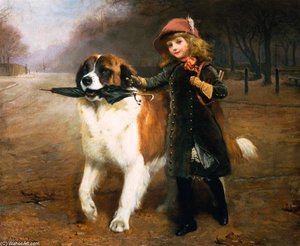
Barber művészi sokoldalúsága kiemelkedő volt; könnyedén mozgott a rendkívül részletes, szinte fotórealisztikus alkotások és a spontánabb, vázlatos kompozíciók között. Azonban ma is azért ismert a gyermekek érzelmes ábrázolásáról, miközben állattársakkal – különösen kutyákkal – interakcióba lépnek. Festményei nem csupán jelenetek ábrázolásai, hanem gondosan felépített narratívák, amelyek tele vannak melegen, gyengédséggel és érezhető érzelmi kapcsolódással. Kivételes képességgel rendelkezett az emberi és az állati arckifejezések finom árnyalatainak megörökítésében, személyiséggel és bájjal felruházva alanyait. A Suspense, az Off to School és a <A Special Pleader remek példái ennek a képességnek, ahol minden egyes alkotás egy néma történetet mesél, amely mélyen rezonál a nézővel. Művészete gyakran alkalmazott rétegzett glazúrokat a gazdag színek és textúrák eléréséhez, növelve a realizmus érzetét, és meghívva a nézőt az általa teremtett intim világba. Nem csupán háziállatokat festett; a család megszeretett tagjait ábrázolta, megörökítve a gyermekek és kedves állataik közötti egyedülálló kapcsolatot.Királyi elismerés és tragikus vég
Barber karrierje csúcspontja 1883-ban érkezett el, amikor taggá választották a Royal Institute of Oil Painters testületébe, ami a brit művészeti világban egyre növekvő tekintélyének bizonyítékaként szolgált. Azonban az 1894-ben kapott megrendelés határozta meg végleg örökségét – és tragikus módon egybeesett korai halálával is. Büszke állatbarát királynő, Viktória, felkérte Barberet, hogy ábrázolja őt unokáival együtt a lovas kocsijukban. Ez a tekintélyes feladat volt a művész évek során finomított mesterségének és a viktoriánus családi élet lényegének megörökítésének csúcspontja. Szomorú módon Barber nem sokkal később, Londonban távozott el e földről, mindössze 49 éves korában, miután befejeத்தினை ezt a jelentős alkotást. A királynő maga is kifejezte csodálatát Barber tehetsége iránt, koszorút küldve temetésére, amely egy „csodálat és tisztelet jelét” tartalmazott felirat. Ez a királyi protekció aláhúzta azt a mély hatást, amelyet Barber ébredt a kortárs művészeti tájban.Hatások és maradandó jelentőség
Barber munkássága gyökerezik a viktoriánus korszak háziasodásba, érzelmességbe és a család élete idealizált ábrázolásába való vonzalmában. Bár konkrét művészeti hatások pontos meghatározása nehézkes, festményei egyértelműen illeszkednek a korszak domináns trendjeihez – különösen a viktoriánus zsánerfestészethez és az *animalier* (állatábrázolásos) művészethez. Hasonló fókuszt alkalmazott az érzelmi történetek megörökítésében olyan művészekkel, mint Arthur Elsley, aki később őt váltotta fel a gyermekek és háziállatok legkiemelkedőbb festőjeként. Barber stílusa azonban egyedi minőségre обладаott: finom egyensúlyt teremtett a realizmus és az érzelmesség között, ami megkülönböztette másoktól. Annak ellenére, hogy néhány kortárs kritikus túl édesnek (saccharine) ítélte alkotásait, Barber festményei népszerűsége kitartott technikai tudásuk és erőteljes érzelmek kiváltására való képességük miatt. Műveinek széles körű reprodukciója a fotogravíra nyomtat 통해 tovább erősítette elérhetőségét, ezek a bájjal teli jelenetek pedig számtalan otthonba kerültek Británában és azon túl is. Napjainkban Barber életművének jelentős része a Port Sunlightban található Lady Lever Art Gallery gyűjteményében található, biztosítva, hogy öröksége továbbra is inspirálja és örömet okozzon a következő generációknak. Festményei a viktoriánus értékek és az ember–állat kötelék maradandó erejének megható emlékeformái maradnak.Jelentős alkotások
- Suspense (1894): Egy lenyűgöző jelenet tele várakozással, amely Barber váratlan érzelmek megörökítésének mesteri tudását mutatja be.
- Off to School (1883): A gyermekkor ártatlanságának és egy hűséges kutyabarát társaságának idilli ábrázolása.
- Queen Victoria with John Brown (1894): Egy történelmileg jelentős alkotás, amelyet maga a királynő rendelt be, egy egyedülálló kapcsolat megörökítésére.
- A Special Pleader (1893): Demonstrálja Barber képességét az állati személyiség ábrázolásában és magával ragadó történetek alkotásában.
- Gellert: Egy gyönyörű kutyaportré, amely kiemeli a művész tehetségét az állatábrázolásban.
- The New Keeper: Egy másik bájjal teli jelenet, amely a gyermekek és háziállataik közötti köteléket emeli ki.
Gyakran Ismételt Kérdések
Hol tekinthetném meg Charles Burton Barber műveit hangulat alapján csoportosítva?
A művész Hangulat alapú gyűjtemény oldala Charles Burton Barber alkotásait hangulat alapján csoportosítva mutatja be.
Charles Burton Barber műveit témák szerint is felfedezhetem?
Charles Burton Barber Témakör-atlasz oldala olyan felület, amely a művész alkotásait témák szerint rendszerezi.
Létezik-e egy időrendi áttekintés Charles Burton Barber műveiről?
Megக் exists egy időrendi áttekintés Charles Burton Barber műveiről: a művész Műalkotások időrendje oldala a alkotások létrehozásának dátuma szerint rendszerezi a műveket.