
 Megtekintés
 Küldés
 Megosztás
 Részletek

 Letöltés
 Hasonló darabok
 X-ray felvétel
 Diavetítés
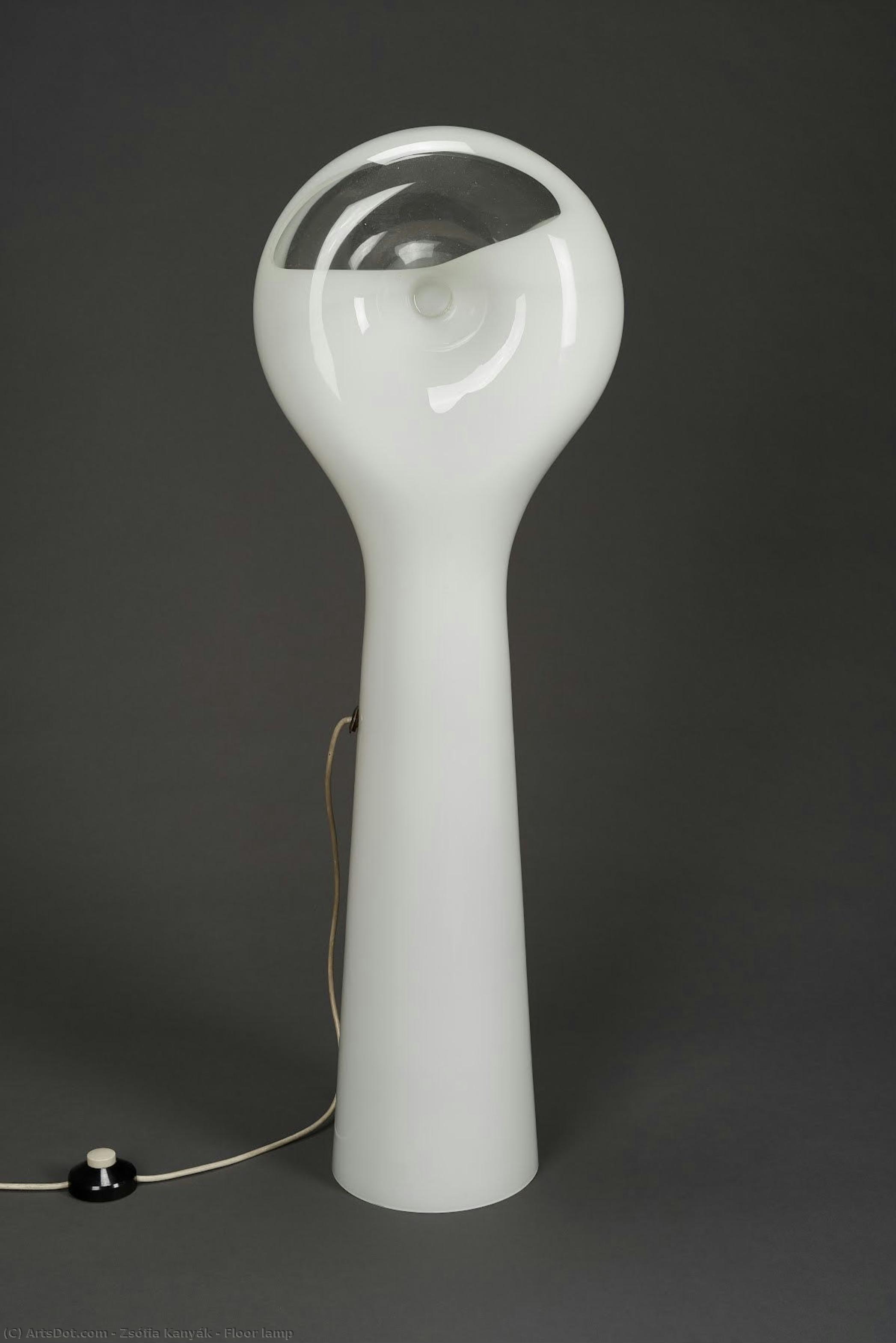
Floor lamp
 1971
1971 5.0 x 29.0 cm
 Iparművészeti Múzeum
 Összes részlet megjelenítése
Vásároljon nagy felbontású, javított digitális képet, amely minőségében messze felülmúlja az online előnézetet.
Minden fájlt szakembereink a legmodernebb eszközök és precíz, kézi retusálás segítségével készítenek el aprólékosan. Gondoskodunk arról, hogy minden kép kivételes tisztasággal, pontos színhelyességgel és részletgazdag finomsággal rendelkezzen.
A végleges fájl 72 órán belül e-mailben megérkezik, professzionális, szerkesztői és nyomtatási környezetbe optimalizálva az azonnali használathoz. Ez ugyanaz a minőség, amelyben a legmeghatározóbb tervezőstúdiók, kiadók és galériák is megbízhatnak.
Digitális kép
Töltsön le nagy felbontású fájlt személyes kiállításokhoz, nyomtatáshoz és kreatív projektekhez. ( Nyomat rendelése Kézzel festett másolat rendelése)
Minden digitális kép rendeléséhez tartozó extrák
Szakértői digitális kézbesítés, garantáltan
Amikor a OriginalUniqueArt.com szolgáltatást választja, nem csupán egy képet kap – professzionálisan felmagasított digitális műalkotást kap, amely precizitással készült, és amelyet megelégsedési gwarancia tesz biztoslássá. Az alábbiakban automatikusan minden benne 】

Gyors e-mail teslimítés
A nagy felbontású digitális képmásolatát a megrendelést követő 72 órán belül e-mailben elküldjük Önnek – azonnal használható formátumban.

MI-alapú digitális fejlesztésű fájl
Műve professzionális módon kerül optimalizálásra fejlett mesterséges intelligencia eszközök és manuális szerkesztés segítségével, biztosítva a maximális részletességet, tisztaságot és színpontosságot.

Örök életű ingyenes újradelivery
Véletlenül törölted vagy elvesztetted a fájlodat? Ne aggódj – bármikor ingyen újra megküldjük neked.

Nincs importköltség – soha
Élvezze műalkotásait azonnal, vám, illeték vagy szállítási költség nélkül – a digitális letöltések mindig adamentesek.

Színpontosság garantálása
Professzionális eszközök és színkezelés segítségével garantáljuk, hogy digitális képe a lehető legpontosabban tükrözze az eredeti színeket.

60 napos elégedettségi garancia
Ha nemມີ elégedett a digitális képpel, 60 napon belül átmunkáljuk azt, vagy 100% visszatérítjük az amountot – kérdés nélkül.

100% Pénzvisszatérítési garancia
Nem érheted el a teljes elégedettséget? 60 napon belül teljes visszatérítést kapsz a digitális fájlod megérkezése után – kérdés nélkül.

Tömegrendelési kedvezmények
Vásároljon 3 képet, spóroljon 10%-et - Vásároljon 5-öt, spóroljon 15%-et - Vásároljon 10+ képet, spóroljon 20%-at. Kiváló kreatív projektekhez, galériákhoz és ügynökségekhez.
A gyűjtemény részletei
A művész életrajza
A Visionary of Light and Glass
The brief, luminous career of Zsófia Kanyák (1944–1975) remains one of the most poignant chapters in the history of Hungarian mid-century modernism. Emerging from the vibrant artistic landscape of Budapest, Kanyák possessed a rare ability to marry the structural rigor of industrial design with the ethereal, organic grace of fine sculpture. Her work did not merely occupy space; it manipulated light, transforming cold glass into breathing, sculptural forms that seemed to pulse with an inner vitality. Though her life was tragically cut short, the legacy she left behind—a collection of pieces that bridge the gap between functional utility and pure aesthetic expression—continues to resonate within the halls of prestigious institutions like the Museum of Applied Arts in Budapest.
Kanyák’s artistic journey began with a profound exploration of texture and tradition. During her formative years at the College of Applied Arts, she was mentored by the esteemed Zoltán Gács György, a relationship that proved foundational to her technical mastery. Under his guidance, she delved into the intricate complexities of Gobeline weaving, a craft that instilled in her a deep respect for interlacing patterns and structural integrity. This early immersion in textile arts would later manifest in her glasswork through a sophisticated understanding of layering, opacity, and the delicate interplay between transparent and solid surfaces.
The Venetian Influence and Global Horizons
As her talent expanded beyond the borders of Hungary, Kanyák sought to refine her mastery of medium and form on the international stage. Her studies at the École Nationale Supérieure des Beaux-Arts in Paris under Jean Aujam provided a cosmopolitan perspective, but it was her transformative encounter with the glassmaking traditions of Italy that would redefine her aesthetic. In 1971, through a prestigious scholarship, Kanyák immersed herself in the legendary workshops of Murano, specifically at the La Murrina and Moretti factories. This period of intense study allowed her to absorb the centuries-old secrets of Venetian artisans, particularly their mastery of vibrant color and fluid, molten shapes.
The influence of Murano is etched into the very DNA of her most celebrated works. One can observe a subtle dialogue between her Hungarian roots—characterized by a certain disciplined elegance—and the exuberant, flowing energy of Italian glass artistry. This synthesis allowed her to develop a signature style that felt both modern and timeless. Her ability to manipulate glass to create pieces like her iconic floor lamp, which features a tapering cylindrical form and a large, disc-like head, demonstrates a profound command over the medium's capacity for both simplicity and complexity.
A Legacy of Innovation and Design
Kanyák’s professional trajectory was marked by remarkable achievements that saw her work move from local workshops to the global stage. In 1971, she joined the Hollow Glass Works of Salgótarján as a designer, where she began translating her sculptural visions into tangible objects. Her designs were not confined to the studio; they were celebrated at the prestigious Milan Fair, proving that her aesthetic language possessed universal appeal. This success even led to an invitation to work within the Design Studio of the renowned German company Rosenthal in 1972, further cementing her status as a leading figure in European design.
The breadth of her creative output can be categorized by several key elements:
- Sculptural Innovation: The development of the Lichtobjekt series, which included glass sculptures, lidded boxes, and lamps that utilized organic, soft forms.
- Material Mastery: An expert use of contrasting textures, such as layering opaque white glass over translucent bases to create depth and mystery.
- Functional Elegance: The seamless integration of art into daily life through objects that served a purpose while maintaining the presence of high art.
Though she passed away at the young age of thirty-one, Zsófia Kanyák’s impact on the world of glass design remains undiminished. Her work stands as a testament to a period of intense creativity and the enduring power of a singular vision that sought to capture the very essence of light itself.

zsófia kanyák
1944 - 1975 , Hungary
Érdekességek
- Artistic Movement Or Style: Modern Glass Art
- Artists Or Movements Influenced By This Artist: ['Murano glass design']
- Artists Who Influenced This Artist: ['Jean Aujam']
- Date Of Birth: Budapest, Hungary (1944)
- Date Of Death: Amszterdam, Netherlands (1975)
- Full Name: Zsófia Kanyák
- Nationality: Hungarian
- Notable Artworks:
- Just a moment...
- Floor lamp
- Place Of Birth: Budapest

