

 Előnézet
 Megosztás
 Megosztás
 Részletek
 Útmutató

 Letöltés
 Hasonló darabok
 X-ray felvétel
 Diavetítés
 Statisztika
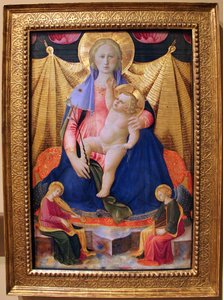
The Nativity
 1433
1433 19.0 x 44.0 cm
 Tovább olvasom
Giclée / Műnyomat
Múzeumi minőségű giclée vagy vászonnyomat, gyors gyártással és rugalmas finomítási lehetőségekkel. ( Kézzel festett másolat vásárlása Áttérés digitális képre)




































Válasszon előre meghatározott méreteink közül, amelyek megfelelnek a műalkotás eredeti arányainak.

Írja be a keretének vagy a falának megfelelő szélességet és magasságot. A nyomatot csak le lehet vágni, soha nem tehető nagyobbá, mint az eredeti kép, így egy eltérő alakú méretnél a kép egy része elveszik. Mielőtt bármit kinyatintanánk, küldünk egy digitális próbamodellt jóváhagyásra. Az oldalon látható kép nem tartalmazza a valós levágást — ezt csak a próbamodell mutatja meg.
Világszerte történő kiszállítás területére mindössze 2 hét alatt, a szokásos 4-5 hét helyett. (24 október)

Ingyenes globális expressz szállítás

Prémium minőségű len vászon

Teljes körű szállítási biztosítás

Vámvisszatérítési Garancia

Tökéletes színarányosság garancia

100 napos visszaküldési garancia (csak gyártási hibás termékek esetén)

100% pénzvisszatérítési garancia

Több darab vásárlásakor kedvezmény
 Az üvegkeretes opció csak 110 cm alatti méretben érhető el

The Nativity
Giclée / Műnyomat
Reprodukció méretei
-


Összesített ár
Ft 25718
Gyakran Ismételt Kérdések
Elérhető diaporáma „The Nativity”, Zanobi Strozzi alkotása alkotáshoz?
A "The Nativity" diaporámája megtekinthető a mű Diaváltás oldalán.
Van-e rozšíngtott valóság (AR) előnézete a(z) "The Nativity" alkotásnak?
A „The Nativity”, Zanobi Strozzi alkotása mű kedvező esetben megtekinthető a saját falán is a mű AR előnézet oldalán keresztül, az argementált valóság technológiájának alkalmazásával egy kompatibilis eszközön.
Elérhető-e a "The Nativity" nagy felbontású letöltése?
A "The Nativity" elérhető magas felbontású digitális kép letöltés formátumban, amelyet közvetlenül a Digitális kép oldalon vásárolhat meg.
A művész életrajza
A florentiai víziós: Zanobi Strozzi élete és öröksége
A florentiai Reneszánsz aranykorában, ahol a fény és az árnyék egy újfajta humanisztikus mélységgel kezdtek táncolni, Zanobi Strozzi neve létfontosságú szálként tűnt fel a város művészeti szövetében. Zanobi 1412-ben született a fényes Strozzi családba, korai életét Firenze mély politikai változásai formálták. Bár származása a nemességhez kötötte, apja idő előtti halála – amikor Zanobi mindössze tizenöt éves volt – egy másfajta sors felé terelte őt. Ez a személyes veszteség vezetett el őt Battista di Biálló Sanguigni tanítása alá, egy olyan mesteri kapcsolat, amely végül finomította kezet, és beágyazta bele azt a technikai precizitást, amely a kézirvi ilumináció és a táblaképes festészet kímélő művészete mesterének elsajátításához nélkülözhetetlen volt.
Strozzi művészeti fejlődése szorosan összefonódott ideje spirituális és esztétikai áramlataival. Legfontosabb kapcsolata azonban az üdvözölt Fra Angelico-val való kapcsolódás volt. Ezen a befolyásos körön belül diákként Strozzi nem csupán lemásolta a mestert; magába szívta az áhmeráció mély érzését és a színek fénytermelő megközelítését, amely saját stílusának jellegzetességeivé vált. Ez a kapcsolat gyönyörű stilisztikai konvergenciát eredményezett, ahol Fra Angelico égi, isteni fénye találkozott Strozzi aprányművészetre vonatkozó precíz részletgazdagságával. Műve gyakran áthidalta a szakadékot az iluminált kézirvek intim, miniatűr világai és a vallási oltárképek monumentális, érzelmekkel teli jelenléte között.
A részletek mesterléte és az áhmeráció szépsége
Strozzi tehetségének szélessége leginkább abban nyilvánul meg, hogy képes volt egyaránt eleganciával uralni a különböző médiumokat. A panelre festett tempera mestere volt, egy olyan technikában, amely hatalmas türelmet és stabil kezet igényelt a vallási műveiben látható vibráló, ékszerű tónusok eléréséhez. Repertoárjába tartozott több jelentős oltárkép és a Szűz Mária és a Gyermek megható ábrázolása, alkotások, amelyeket úgy terveztek, hogy mély spirituális elmélyülést ébreszteneksen a nézőben. Ezekben a művekben Strozzi a florentiai korai reneszánsz stílust alkalmazta az hit narratívájának sződéséhez, puha átmeneteket és bonyolult mintákat használva, hogy életet lehessen fújni a szent alakokba.
A nagyobb táblák túlmutatva Strozzi legendás státuszot ért el a kézirvi iluminációk hozzájárulása révén. Képes volt uralni a kis területeket, így lélegzetelállító komplexitású miniatűr világokat hozott létre. Legkiemelkedőbb művészeti eredményei közé tartozik:
- Szent Cosmas és Damian megmentése a fulladástól: Egy 1435-ös remekmű, amely a isteni beavatkozás megható pillanatát örökíti meg, bemutatva képességét a közösségi hit és a drámai mozgás ábrázolásában.
- Szent Ágnes: 1448-ban készült alkotás, amely példaként szolgál arra, hogyan képes nyugodt, profilból készült portrékat alkotni, melyeket a korszak eleganciáját hangsúlyozó, förögő, dekoratív minták keretelnek.
- Római használatra szánt Órák könyve: Tanúbizonyság az iluminátor tudásáról, ahol minden folyó egy ablakként szolgál a florentiai skriptorium aprólékos kézművesedésére.
Tartós nyom a Reneszánsnak
Zanobi Strozzi történelmi jelentősége abban rejlik, mint híd a dekoratív ilumináció középkori hagyományai és a reneszánsz fejlődő emberi érzelmekre és naturalizmusra fókuszáló irányzata között. Bár művei nagy része a Firenze hatalmas rezidenciáiban, magán áhmerációra szánt volt, befolyása áradt a város műhelyeiben keresztül. Segített terjesztni a florentiai szépség egy specifikus formáját – amely egyszerre volt intellektuálisan szigorú és érzelmileg elérhető. Keze által a szentek és a Szűz Mária szent történetei olyan tisztasággal és vibráltsággal ttént meg, amely magát a Quattrocento szellemét fogta le.
Bár 1468-ban meghalt, aranyozott levélre és temperára vésve hagyva örökségét, Strozzi marad az alkotó képességének szimbóluma, amely képes mély jelentést találni a legkisebb részletekben is. Élete – amely egy nemes árvától felismert mesterré vált – tükrözi maga Firenze átalakulását is: az utazást a múlt strukturált hagyományaiból a reneszánsz fénytermelő, emberközpontú ragyogás felé.
Zanobi Strozzi
1412 - 1468
Gyors információk
- Artistic Movement Or Style: Korai reneszánsz
- Artists Or Movements Influenced By This Artist: ['Bizánci']
- Artists Who Influenced This Artist: ['Fra Angelico']
- Date Of Birth: 1412. november 17.
- Date Of Death: 1468. december 6.
- Full Name: Zanobi di Benedetto di Caroccio degli Strozzi
- Nationality: Olasz reneszánsz
- Notable Artworks:
- Szent Ágnes
- Római használatú Óraegyéb
- Szent bejelentés
- Place Of Birth: Firenze, Olaszország