

 Előnézet
 Megosztás
 Megosztás
 Részletek
 Útmutató

 Letöltés
 Hasonló darabok
 X-ray felvétel
 Diavetítés
 Statisztika
Behind Me
 Acrylic On Canvas
- WallArt
- Contemporary Realism
 1933
1933 230.0 x 318.0 cm
 CAFA Art Museum
 Tovább olvasom
Giclée / Műnyomat
Múzeumi minőségű giclée vagy vászonnyomat, gyors gyártással és rugalmas finomítási lehetőségekkel. ( Kézzel festett másolat vásárlása Áttérés digitális képre)




P118B Ft10

P118H Ft10

P118W Ft10

P438Z Ft10

P508JH Ft12

P508YH Ft12

P805H Ft10

P805Z Ft10

P919BZ Ft10

P919G Ft10

P919XJ Ft10

P959ZH Ft10

P968JZ Ft12

W106C Ft8

W218G Ft10

W218JH Ft8

W218Y Ft10

W307PJ Ft10

W316G Ft10

W316PJ Ft8

W316Y Ft10

W398PJ Ft8

W4111J Ft10

W500HY Ft15

W500JH Ft15

W692G Ft12

W849H Ft8

W940BG Ft15

W953PJ Ft8




Válasszon előre meghatározott méreteink közül, amelyek megfelelnek a műalkotás eredeti arányainak.

Írja be a keretének vagy a falának megfelelő szélességet és magasságot. A nyomatot csak le lehet vágni, soha nem tehető nagyobbá, mint az eredeti kép, így egy eltérő alakú méretnél a kép egy része elveszik. Mielőtt bármit kinyatintanánk, küldünk egy digitális próbamodellt jóváhagyásra. Az oldalon látható kép nem tartalmazza a valós levágást — ezt csak a próbamodell mutatja meg.
Világszerte történő kiszállítás területére mindössze 2 hét alatt, a szokásos 4-5 hét helyett. (23 október)

Ingyenes globális expressz szállítás

Prémium minőségű len vászon

Teljes körű szállítási biztosítás

Vámvisszatérítési Garancia

Tökéletes színarányosság garancia

100 napos visszaküldési garancia (csak gyártási hibás termékek esetén)

100% pénzvisszatérítési garancia

Több darab vásárlásakor kedvezmény
 Az üvegkeretes opció csak 110 cm alatti méretben érhető el

Behind Me
Giclée / Műnyomat
Reprodukció méretei
-


Összesített ár
Ft 25718
A Chronicle of Suffering and Hope – The Genesis of “Behind Me”
Xu Beihong's "Behind Me," a monumental oil on canvas measuring 230 x 318 cm, isn’t merely a depiction of a scene; it’s a visceral embodiment of historical turmoil and the enduring spirit of resistance. Painted in 1933 during a period of profound upheaval – the Mukden Incident and the looming shadow of Japanese aggression over China – the artwork transcends its immediate context to resonate with universal themes of oppression, resilience, and the yearning for liberation. The painting’s genesis is deeply intertwined with Xu's own personal experiences; he deliberately chose this subject matter as a response to the injustices faced by his people, drawing inspiration from historical accounts detailing the brutal reign of Emperor Jie of Xia, a figure synonymous with tyranny and suffering.
The narrative itself, gleaned from ancient Chinese texts, centers on King Tang’s righteous intervention against Jie. Tang's unwavering declaration – “Succor will follow me” – becomes the painting’s central motif, representing not just military strength but a profound commitment to alleviating the plight of the oppressed. Xu Beihong masterfully translates this historical drama into a visual language that speaks volumes about the desperation and hope intertwined within the scene. The composition is deliberately stark; a collection of figures, rendered with a remarkable blend of realism and emotional intensity, stand amidst a desolate landscape – a deliberate choice mirroring the bleakness of their circumstances.
The Language of Form: Technique and Composition
Xu Beihong’s technical prowess is immediately evident in “Behind Me.” He skillfully employs a technique that bridges Eastern and Western influences. While rooted in traditional Chinese ink wash painting, he seamlessly integrates oil painting techniques – particularly in the rendering of textures and the use of light and shadow – demonstrating his commitment to innovation. The figures are not idealized; they possess an earthy quality, reflecting their humble origins and the hardships they endure. Notice the deliberate use of muted tones, punctuated by flashes of color that draw attention to key elements within the composition. The arrangement of the figures is carefully considered, creating a dynamic flow that guides the viewer’s eye through the scene, emphasizing the collective weight of their suffering.
- Brushwork: A masterful blend of Chinese and Western styles – loose washes for background elements combined with more controlled strokes for figure details.
- Color Palette: Dominated by earthy browns, grays, and ochres, punctuated by strategic use of red to highlight key figures and symbols.
- Composition: A pyramid-like structure draws the eye towards the central figures, reinforcing their importance within the narrative.
Symbolism and Emotional Resonance
Beyond its historical context, “Behind Me” is rich in symbolic meaning. The bowl and spoon held by several individuals represent a desperate plea for sustenance – a poignant reminder of the basic necessities denied to the oppressed. The animal present in the scene—often interpreted as a dog—further amplifies this theme of vulnerability and loyalty. More profoundly, the painting embodies the spirit of resistance against injustice. It’s not simply a depiction of suffering; it's an assertion of hope – a belief that even in the darkest of times, the desire for liberation will ultimately prevail. The phrase “Succor will follow me” isn’t just a historical quote; it becomes a powerful visual mantra within the artwork itself.
A Legacy of Social Commentary and Artistic Innovation
“Behind Me” stands as a testament to Xu Beihong's artistic vision and his commitment to using art as a vehicle for social commentary. Created during a turbulent period in Chinese history, it reflects the anxieties and aspirations of a nation grappling with foreign invasion and internal strife. Xu’s decision to embrace both traditional Chinese techniques and Western influences marked a pivotal moment in the development of modern Chinese painting, paving the way for future generations of artists to explore new forms of expression while retaining their cultural heritage. Reproductions of this powerful work continue to resonate today, serving as a potent reminder of the enduring struggle for justice and the unwavering spirit of humanity.
Gyakran Ismételt Kérdések
Megtekinthető „Behind Me”, Xu Beihong alkotása a saját falamon vásárlás előtt?
A(z) "Behind Me" mű kiterjesztett valóság (AR) előnézettel rendelkezik: a mű AR előnézet oldala kompatibilis eszközön megtekinthető saját környezetében.
A „Behind Me” Xu Beihong fejlődésének mely szakaszát képviseli?
A "Behind Me" Xu Beihong pályájának a Mature Period szakaszába tartozik. Ez a besorolás összekapcsolja a művet a művész fejlődésével.
Mely színek dominálnak a(z) „Behind Me”, Xu Beihong alkotása alkotásban?
A "Behind Me" alkotást egy Earthy színekből álló paletta határozza meg, melyet Espresso (#3e352e) dominál."
A művész életrajza
A Pioneer Bridging Worlds: The Life and Art of Xu Beihong
Xu Beihong, born Xu Shoukang in 1895 in the tranquil town of Yixing, Jiangsu province, stands as a monumental figure in 20th-century Chinese art. His life was a compelling narrative of artistic evolution, dedicated to forging a new path for Chinese painting—one that harmoniously blended the rich traditions of his homeland with the innovations of Western art. From humble beginnings steeped in classical learning and traditional brushwork under the tutelage of his father, Xu Dazhang, a struggling artist himself, young Beihong’s early life was marked by both artistic promise and economic hardship. This formative period instilled within him not only technical skill but also a deep appreciation for Chinese culture and a resilient spirit that would define his career. The family's itinerant existence, painting portraits and landscapes to make ends meet, exposed him to the realities of rural China and fueled an early ambition to elevate the status of art and artists. A pivotal moment arrived when he adopted the name “Beihong,” meaning "sad wild goose," a reflection perhaps of his youthful anxieties and aspirations—a poignant symbol of both longing and determination.The European Awakening: Forging a New Artistic Vision
Driven by a thirst for knowledge and a desire to modernize Chinese art, Xu Beihong embarked on a transformative journey to Europe in 1917. Initially studying in Tokyo, he soon secured a coveted scholarship to the prestigious École Nationale Supérieure des Beaux-Arts in Paris. This period proved crucial in shaping his artistic philosophy and technique. Immersed in the heart of European art, he meticulously studied oil painting and drawing, mastering Western principles of perspective, composition, and realism. While embracing these new techniques, Xu Beihong remained critical of certain modernist trends prevalent at the time, favoring instead the classical traditions he encountered. He adopted the French name "Ju Péon" during his stay, a testament to his immersion in European culture—a deliberate choice that signaled his intention to absorb and synthesize Western artistic knowledge while retaining his Chinese identity. He spent years absorbing the techniques of masters like Ingres and Delacroix, not simply copying them, but analyzing their approaches to form, color, and light. This wasn’t a rejection of Chinese art, but rather an expansion of his understanding – a belief that true innovation stemmed from a deep respect for both traditions. The Parisian atelier became a crucible where Eastern sensibilities met Western mastery, laying the groundwork for his unique artistic voice.Iconic Motifs and Artistic Style: A Synthesis of East and West
Upon returning to China in 1927, Xu Beihong embarked on a prolific career marked by groundbreaking works that captured the spirit of a nation undergoing profound change. He quickly became renowned for his dynamic depictions of horses and birds—motifs that transcended mere representation to become powerful symbols of strength, freedom, and national pride. His horses, in particular, are celebrated for their muscularity, energy, and expressive power, often depicted galloping across vast landscapes with a sense of untamed spirit – a visual embodiment of China’s enduring resilience. Consider *Galloping Horse*, perhaps his most iconic work; the sheer dynamism of the image, combined with the subtle integration of Chinese brushwork, speaks volumes about his artistic vision. Beyond these signature subjects, Xu Beihong also excelled in portraiture and historical painting, demonstrating his mastery of both oil painting and traditional ink wash techniques. His style was characterized by a unique blend of bold brushstrokes, precise delineation, and a masterful command of light and shadow – a testament to the years spent studying European masters. He seamlessly integrated Western perspective and composition into the fluidity of Chinese brushwork, creating a visual language that was both innovative and deeply rooted in tradition. Works like *Foolish Old Man Who Removed the Mountains*, inspired by a traditional Chinese fable, demonstrate his ability to imbue classical themes with modern energy and social commentary – a reflection of his engagement with contemporary issues.Legacy and Influence: Shaping Modern Chinese Art Education
Xu Beihong’s impact extended far beyond his own artistic creations; he was also a pioneering art educator who profoundly shaped the development of modern Chinese art education. After returning to China, he held teaching positions at several prestigious universities, including National Central University and Peking University, where he tirelessly advocated for curriculum reform. He championed the incorporation of Western sketching and oil painting techniques into traditional Chinese art programs, believing that this integration was essential for revitalizing Chinese artistic expression – a bold move that challenged established norms and paved the way for a new generation of artists. Following the founding of the People's Republic of China in 1949, he became president of the Central Academy of Fine Arts and chairman of the China Artists Association, further solidifying his influence on the nation’s artistic landscape. He trained generations of artists who went on to become leading figures in Chinese art, carrying forward his vision of a modern yet culturally grounded aesthetic. Xu Beihong's emphasis on artistic conception, the importance of life experiences, and the integration of Eastern and Western traditions left an indelible mark on Chinese art history, cementing his legacy as one of its most influential figures. His work continues to inspire artists and captivate audiences worldwide, serving as a powerful reminder of the enduring power of art to bridge cultures and transcend boundaries.Key Achievements and Recognition
Throughout his illustrious career, Xu Beihong garnered numerous accolades and cemented his place among China’s most celebrated artists. He was one of the “Four Great Academy Presidents” – a distinguished group recognized for their contributions to Chinese art education. His monumental oil paintings, such as *The Founding of the Communist Party*, showcased his technical prowess and artistic vision on a grand scale. His work was exhibited internationally, bringing Chinese art to a global audience. Xu Beihong’s influence extended beyond the realm of painting; he played a vital role in shaping the cultural landscape of China during a period of significant transformation. His dedication to preserving traditional arts while embracing modern techniques ensured that Chinese art would continue to evolve and thrive for generations to come. His legacy is not just one of artistic achievement, but also of intellectual leadership and unwavering commitment to his craft.
Xu Beihong
1895 - 1953 , Kína
Gyors információk
- Artistic Movement Or Style: Modern kínai festészet
- Artists Or Movements Influenced By This Artist: ['Western művészet']
- Date Of Birth: 1895. 07. 19.
- Date Of Death: 1953. 09. 26.
- Full Name: Xu Beihong
- Nationality: Kínai
- Notable Artworks:
- Lo Volano
- Idiótikus öreg
- Szülő és gyermek
- Place Of Birth: Jingling, Yixing
Kapcsolódó cikkek

Oil on Canvas: A Historical & Technical Exploration of a Timeless Artistic Medium
Explore the rich history & enduring techniques of oil painting on canvas. Discover the science behind its longevity, conservation practices, and contemporary relevance. Expert insights for art enthusiasts.
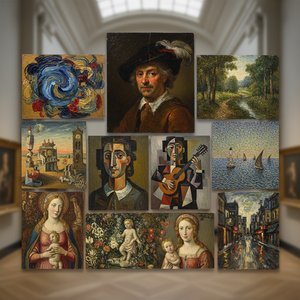
A művészettörténet 10 ikonikus olajfestménye – Vászonra ragasztott örökség a OriginalUniqueArt-tal
Fedezze fel a művészettörténet 10 legikonikusabb olajfestményét! Ismerje meg a híres festők, mint például Van Gogh és Monet történetét. Vászonképek eladó – inspirálja otthonát OriginalUniqueArt-tal! Explore the full collection online.

The Enduring Power of Painting: A Historical & Contemporary Exploration of Form and Emotion
Explore the rich history & enduring techniques of oil painting with OriginalUniqueArt. Discover masterpieces, learn about art collecting, and find authentic handmade reproductions crafted by skilled artists.

Az olajfestészet örökös hagyatéka: technika, történelem és kortárs gyakorlat
Fedezze fel az olajfestészet történetét, technikáit és a kortárs művészeti trendeket! Szakértői útmutatók, híres festők alkotásai és tippek az olajfestmény ápolásához. Inspirálódjon most!

The Enduring Legacy of Oil on Canvas: Technique, History & Aesthetic Impact
Explore the rich history & techniques of oil painting – from Renaissance masters to Impressionism. Discover pigments, layering methods, and why this timeless medium endures. Expert insights for artists & art enthusiasts.
