
 Megtekintés
 Küldés
 Megosztás
 Részletek

 Letöltés
 Hasonló darabok
 X-ray felvétel
 Diavetítés
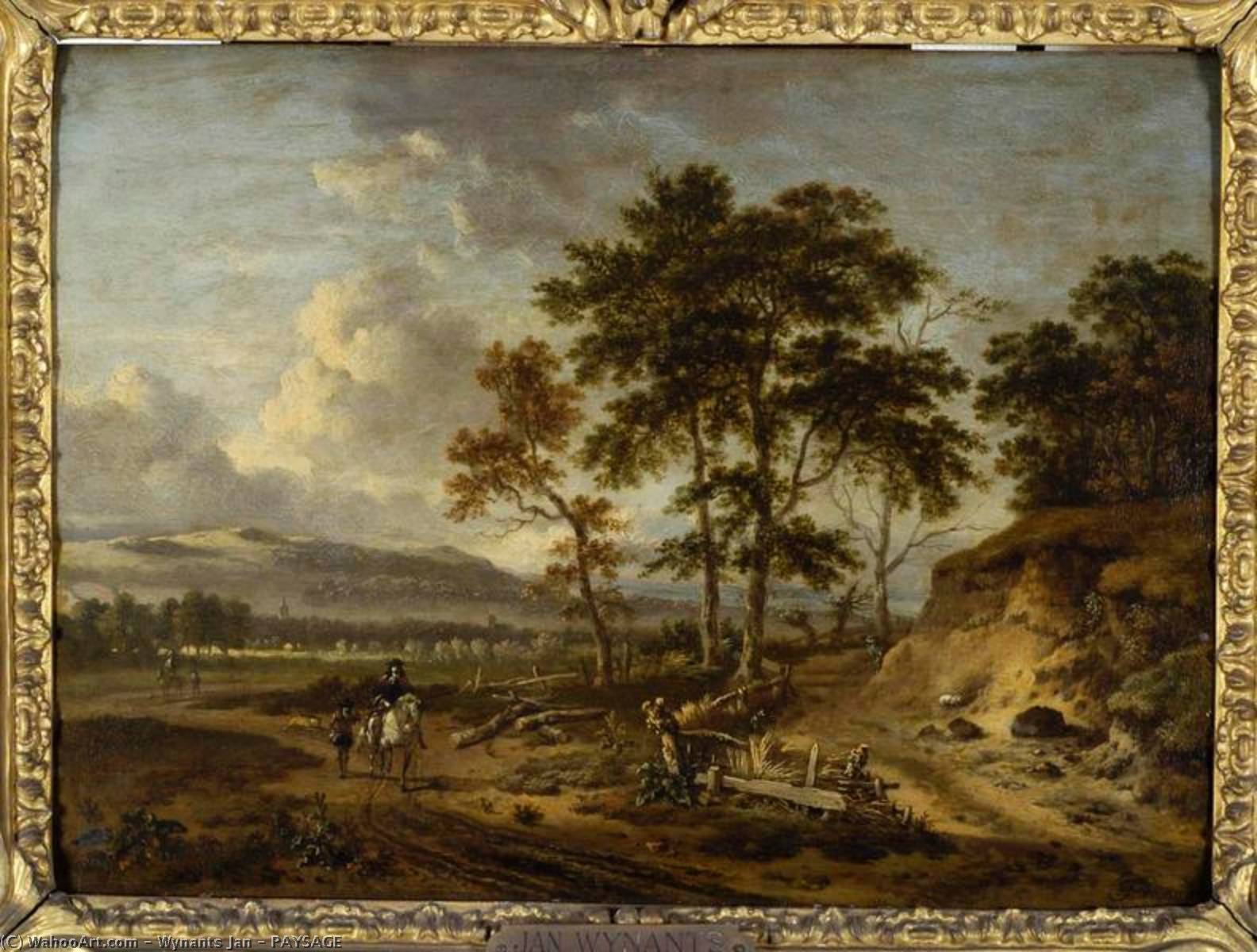
PAYSAGE
 Összes részlet megjelenítése
Vásároljon nagy felbontású, javított digitális képet, amely minőségében messze felülmúlja az online előnézetet.
Minden fájlt szakembereink a legmodernebb eszközök és precíz, kézi retusálás segítségével készítenek el aprólékosan. Gondoskodunk arról, hogy minden kép kivételes tisztasággal, pontos színhelyességgel és részletgazdag finomsággal rendelkezzen.
A végleges fájl 72 órán belül e-mailben megérkezik, professzionális, szerkesztői és nyomtatási környezetbe optimalizálva az azonnali használathoz. Ez ugyanaz a minőség, amelyben a legmeghatározóbb tervezőstúdiók, kiadók és galériák is megbízhatnak.
Digitális kép
Töltsön le nagy felbontású fájlt személyes kiállításokhoz, nyomtatáshoz és kreatív projektekhez. ( Nyomat rendelése Kézzel festett másolat rendelése)
Minden digitális kép rendeléséhez tartozó extrák
Szakértői digitális kézbesítés, garantáltan
Amikor a OriginalUniqueArt.com szolgáltatást választja, nem csupán egy képet kap – professzionálisan felmagasított digitális műalkotást kap, amely precizitással készült, és amelyet megelégsedési gwarancia tesz biztoslássá. Az alábbiakban automatikusan minden benne 】

Gyors e-mail teslimítés
A nagy felbontású digitális képmásolatát a megrendelést követő 72 órán belül e-mailben elküldjük Önnek – azonnal használható formátumban.

MI-alapú digitális fejlesztésű fájl
Műve professzionális módon kerül optimalizálásra fejlett mesterséges intelligencia eszközök és manuális szerkesztés segítségével, biztosítva a maximális részletességet, tisztaságot és színpontosságot.

Örök életű ingyenes újradelivery
Véletlenül törölted vagy elvesztetted a fájlodat? Ne aggódj – bármikor ingyen újra megküldjük neked.

Nincs importköltség – soha
Élvezze műalkotásait azonnal, vám, illeték vagy szállítási költség nélkül – a digitális letöltések mindig adamentesek.

Színpontosság garantálása
Professzionális eszközök és színkezelés segítségével garantáljuk, hogy digitális képe a lehető legpontosabban tükrözze az eredeti színeket.

60 napos elégedettségi garancia
Ha nemມີ elégedett a digitális képpel, 60 napon belül átmunkáljuk azt, vagy 100% visszatérítjük az amountot – kérdés nélkül.

100% Pénzvisszatérítési garancia
Nem érheted el a teljes elégedettséget? 60 napon belül teljes visszatérítést kapsz a digitális fájlod megérkezése után – kérdés nélkül.

Tömegrendelési kedvezmények
Vásároljon 3 képet, spóroljon 10%-et - Vásároljon 5-öt, spóroljon 15%-et - Vásároljon 10+ képet, spóroljon 20%-at. Kiváló kreatív projektekhez, galériákhoz és ügynökségekhez.
A művész életrajza
A Master of Dutch Pastoral: The Life and Art of Jan Wijnants
Jan Wijnants, a name perhaps less immediately recognizable than some of his Golden Age contemporaries, nevertheless occupies a significant place in the history of Dutch landscape painting. Born and continuing to live during a period of immense artistic flourishing in the Netherlands, Wijnants carved out a distinctive niche for himself with his serene depictions of Italianate landscapes and meticulously rendered topographical views. While biographical details remain somewhat sparse – a common challenge when studying artists from this era – we can piece together a compelling narrative through analysis of his work and its context within the broader artistic currents of the 17th century. He was not an artist who sought dramatic innovation, but rather one who perfected existing forms, imbuing them with a quiet beauty and technical mastery that appealed to discerning collectors.Early Influences and Artistic Development
Wijnants’ artistic journey began in the vibrant cultural milieu of Amsterdam. The early 17th century saw an explosion of interest in landscape painting within Dutch art, driven by economic prosperity and a growing appreciation for the natural world. He was deeply influenced by Nicolaes de Vree, another painter specializing in Italianate landscapes, whose work provided a foundational model for Wijnants’ own style. However, Wijnants didn't simply imitate his predecessor; he also drew inspiration from the English landscape tradition, particularly the works of Thomas Gainsborough. This is evident in the atmospheric quality and subtle color palettes found in many of his paintings. His early pieces often feature a more direct emulation of De Vree’s compositions, but quickly evolved to incorporate a greater sense of depth, light, and individualized detail. He wasn't interested in portraying specific locations so much as creating idealized visions of pastoral tranquility – landscapes that evoked a feeling rather than documented a place.The Italianate Landscape: A Signature Style
Wijnants became particularly renowned for his *Italianate landscapes*. These paintings, though often created without the artist ever having visited Italy, were inspired by prints and drawings of the Roman countryside and its surroundings. They typically feature classical ruins, picturesque villages nestled amongst rolling hills, and figures engaged in leisurely activities – shepherds tending their flocks, travelers resting along a road, or farmers working in the fields. The key to Wijnants’ success lay in his ability to create a convincing sense of atmosphere and light. He employed a delicate brushstroke and subtle gradations of color to depict the effects of sunlight filtering through trees, casting shadows across meadows, and illuminating distant mountains. His skies are often particularly noteworthy, filled with soft clouds and a luminous quality that adds to the overall feeling of serenity. He excelled at capturing the golden hour light, imbuing his scenes with a warmth and inviting glow.Technique and Materials: A Pursuit of Realism
Wijnants was a meticulous craftsman, paying close attention to every detail in his paintings. He employed high-quality pigments and carefully prepared canvases to achieve the desired effects. His technique involved building up layers of paint gradually, using thin glazes to create depth and luminosity. He was particularly skilled at rendering foliage, capturing the intricate patterns of leaves and branches with remarkable precision. His attention to detail extended to the figures in his landscapes, though they are often secondary to the overall composition and serve primarily as staffage – elements added to enhance the sense of scale and narrative. He frequently collaborated with other artists who specialized in figure painting, ensuring that these details were executed to a high standard. The use of warm earth tones—ochres, browns, and siennas—predominates in his palette, contributing to the overall harmonious quality of his work.Legacy and Historical Significance
While not achieving the widespread fame of artists like Rembrandt or Vermeer, Jan Wijnants enjoyed a solid reputation during his lifetime and continued to be appreciated by collectors for generations afterward. His paintings were sought after for their beauty, tranquility, and technical skill. He influenced numerous other Dutch landscape painters, contributing to the development of the Italianate style within the Netherlands. His work provides valuable insight into the artistic tastes of the 17th century – a period characterized by a growing appreciation for idealized landscapes and a desire to escape the realities of everyday life through art. Today, his paintings are held in major museums around the world, serving as a testament to his enduring legacy as a master of Dutch pastoral painting.- His work exemplifies the Golden Age’s focus on atmospheric perspective.
- Wijnants' influence can be seen in later topographical painters.
- He remains an important figure for understanding the development of landscape art.


