

 Megtekintés
 Küldés
 Megosztás
 Részletek

 Letöltés
 Hasonló darabok
 X-ray felvétel
 Diavetítés
Eight Bells
 Oil On Canvas
- WallArt
- American Realism
 64.0 x 76.0 cm
 Addison Gallery of American Art
 Összes részlet megjelenítése
Vásároljon nagy felbontású, javított digitális képet, amely minőségében messze felülmúlja az online előnézetet.
Minden fájlt szakembereink a legmodernebb eszközök és precíz, kézi retusálás segítségével készítenek el aprólékosan. Gondoskodunk arról, hogy minden kép kivételes tisztasággal, pontos színhelyességgel és részletgazdag finomsággal rendelkezzen.
A végleges fájl 72 órán belül e-mailben megérkezik, professzionális, szerkesztői és nyomtatási környezetbe optimalizálva az azonnali használathoz. Ez ugyanaz a minőség, amelyben a legmeghatározóbb tervezőstúdiók, kiadók és galériák is megbízhatnak.
Digitális kép
Töltsön le nagy felbontású fájlt személyes kiállításokhoz, nyomtatáshoz és kreatív projektekhez. ( Nyomat rendelése Kézzel festett másolat rendelése)
Minden digitális kép rendeléséhez tartozó extrák
Szakértői digitális kézbesítés, garantáltan
Amikor a OriginalUniqueArt.com szolgáltatást választja, nem csupán egy képet kap – professzionálisan felmagasított digitális műalkotást kap, amely precizitással készült, és amelyet megelégsedési gwarancia tesz biztoslássá. Az alábbiakban automatikusan minden benne 】

Gyors e-mail teslimítés
A nagy felbontású digitális képmásolatát a megrendelést követő 72 órán belül e-mailben elküldjük Önnek – azonnal használható formátumban.

MI-alapú digitális fejlesztésű fájl
Műve professzionális módon kerül optimalizálásra fejlett mesterséges intelligencia eszközök és manuális szerkesztés segítségével, biztosítva a maximális részletességet, tisztaságot és színpontosságot.

Örök életű ingyenes újradelivery
Véletlenül törölted vagy elvesztetted a fájlodat? Ne aggódj – bármikor ingyen újra megküldjük neked.

Nincs importköltség – soha
Élvezze műalkotásait azonnal, vám, illeték vagy szállítási költség nélkül – a digitális letöltések mindig adamentesek.

Színpontosság garantálása
Professzionális eszközök és színkezelés segítségével garantáljuk, hogy digitális képe a lehető legpontosabban tükrözze az eredeti színeket.

60 napos elégedettségi garancia
Ha nemມີ elégedett a digitális képpel, 60 napon belül átmunkáljuk azt, vagy 100% visszatérítjük az amountot – kérdés nélkül.

100% Pénzvisszatérítési garancia
Nem érheted el a teljes elégedettséget? 60 napon belül teljes visszatérítést kapsz a digitális fájlod megérkezése után – kérdés nélkül.

Tömegrendelési kedvezmények
Vásároljon 3 képet, spóroljon 10%-et - Vásároljon 5-öt, spóroljon 15%-et - Vásároljon 10+ képet, spóroljon 20%-at. Kiváló kreatív projektekhez, galériákhoz és ügynökségekhez.
Eight Bells
Winslow Homer, one of the most celebrated American artists of his time, created a series of paintings that captured the essence of life at sea. Among these works, “Eight Bells” stands out as a testament to his skill in depicting the harsh realities and serene moments experienced by sailors. It’s more than just a seascape; it's an exploration of human resilience against the forces of nature—a theme that resonates powerfully even today.The Painting
“CITE”>Eight Bells, painted in oil on canvas, measures 64 x 76 cm. It is currently housed at the Addison Gallery of American Art in Massachusetts, United States. The painting presents a realistic depiction of two men standing on the deck of a ship amidst rough seas. Their uniforms and guns suggest they are soldiers or sailors, engaged in their duties while observing their surroundings. The scene is set during daytime, with the sky visible above them. Two boats are present in the painting: one near the center-left area and another smaller boat further back on the right side. The men's gaze out over the water adds a sense of vigilance and preparedness to the scene. Homer’s masterful use of color—deep blues and greens dominating the seascape—creates an atmosphere of brooding intensity, punctuated by flashes of sunlight that illuminate the faces of the figures.Artistic Style
Winslow Homer was known for his realistic style, which is evident in “Eight Bells.” His dedication to capturing precise details – from the texture of the weathered wood of the ship’s deck to the folds of the sailors' uniforms—demonstrates a profound respect for observation and accuracy. Unlike Impressionists who sought to convey fleeting impressions, Homer aimed to portray the world as he saw it, imbued with emotional depth. He achieved this through careful brushwork and layering of paint, resulting in an image that feels both tangible and emotionally resonant. The painting’s simplicity—the limited palette and uncluttered composition—further enhances its impact, focusing attention on the central figures and their contemplative gaze.Other Works by Winslow Homer
Winslow Homer was prolific in his work, creating many notable paintings that reflect his fascination with the sea and its inhabitants. Some of his other works include:- “The West Wind,” another oil on canvas painting housed at the Addison Gallery of American Art.
- “Country School” and “The Country School,” both depicting scenes of rural life, with one located at the Addison Gallery of American Art and the other at the St. Louis Art Museum.
Conclusion
“CITE”>Eight Bells by Winslow Homer is a masterpiece that showcases his skill in capturing the essence of life at sea. The painting’s realism and attention to detail make it a compelling piece for art enthusiasts. For those interested in exploring more of Homer's works, “Winslow Homer: Eight Bells” is available on OriginalUniqueArt.com, offering high-quality reproductions that bring the original painting to life. To learn more about Winslow Homer and his contributions to American art, visit Wikipedia's page on Winslow Homer.A művész életrajza
A Brush with the American Spirit: The Life and Art of Winslow Homer
Winslow Homer, born in Boston in 1836, wasn’t sculpted by the traditional European art academies that shaped so many of his contemporaries. Instead, he emerged from a distinctly American experience, one rooted in practicality and observation. His journey began not with grand historical canvases, but as a commercial illustrator at the tender age of twelve for Harper's Weekly. This early apprenticeship was formative, honing an exceptional ability to capture scenes with clarity and detail – skills that would become hallmarks of his mature work. He wasn’t learning perspective in Paris; he was learning to *see* America, its people, and its unfolding story. The bustling streets of Boston, the quiet dignity of rural New England life, these were his first subjects, rendered with a precision born of necessity for the demands of print media. This foundation allowed him to transition into painting, initially in watercolor, before fully embracing the expressive potential of oil paints.Early Life and Artistic Beginnings
Homer’s childhood was marked by a close relationship between his parents—Charles Savage Homer, a merchant with restless ambitions, and Henrietta Maria Benson Homer, a gifted amateur watercolorist who instilled in him a lifelong appreciation for artistic observation. His father's entrepreneurial spirit propelled him to seek fortune abroad, leaving young Winslow largely under his mother’s tutelage. From Cambridge, Massachusetts, where he attended school, Homer developed an early fascination with drawing and sketching—skills that would prove invaluable throughout his career. He began honing his craft by copying the works of established artists, gaining experience in mastering technique and capturing visual impressions. This formative period instilled in him a disciplined approach to artmaking that would characterize his later work. His mother’s encouragement fostered his artistic talent and nurtured his innate sensitivity to beauty—traits that would become integral to Homer's distinctive style.The Civil War Years: Witnessing History Through Art
The American Civil War profoundly impacted Homer’s artistic vision, transforming him from a painter of idyllic landscapes into a chronicler of the brutal realities of conflict. As a war correspondent for Harper’s Weekly, he documented the daily lives of soldiers and civilians—not grand battles or strategic maneuvers—but rather the quiet moments of grief, resilience, and human suffering amidst chaos. This experience instilled in him an unwavering commitment to portraying truthfulness and empathy—values that would permeate his paintings throughout his life. Homer eschewed romanticized depictions of heroism, focusing instead on capturing the psychological impact of war on ordinary people. His sketches for Harper’s Weekly are considered singular examples of wartime reporting, demonstrating his remarkable ability to convey emotion through visual imagery. The Civil War served as a catalyst for Homer's artistic evolution, prompting him to explore themes of trauma and vulnerability—themes that would become central to his oeuvre.A Master of Watercolor and Oil: Exploring Diverse Techniques
Homer’s artistic versatility extended beyond watercolor; he excelled in oil painting, achieving remarkable textural depth and luminosity through a technique rooted in direct observation from nature. He embraced the expressive potential of oil paints while retaining the fluidity and spontaneity characteristic of watercolor—a duality that defined his distinctive style. Homer's studio was located primarily in New York City, yet he frequently traveled to Pennsylvania, the Catskills, and Gloucester, Maine, drawing inspiration from these varied landscapes. These excursions fueled his creativity and informed his artistic vision, resulting in paintings that captured both grandeur and intimacy. He meticulously built up layers of paint—often applying them with a palette knife—creating surfaces rich in texture and color—a technique that distinguishes Homer’s work from many of his contemporaries. His masterful handling of light—particularly the dramatic effects achieved during Maine summers—became a hallmark of his artistic style.Legacy: An Icon of American Realism
Winslow Homer stands as one of America's most celebrated painters, recognized for his unflinching portrayal of the human condition and his profound engagement with the natural world. His paintings—particularly *The Gulf Stream*, *Breezing Up (A Fair Wind)*, and *Innocence*—remain enduring symbols of American artistic achievement. Homer’s influence extended beyond his own time, inspiring subsequent generations of artists who sought to capture the spirit of their nation with similar honesty and conviction. He rejected academic conventions in favor of a direct painting approach—a stylistic choice that cemented his place as a pioneer of American Realism. His legacy is defined by his ability to convey emotion through visual imagery—to communicate profound truths about human experience without resorting to sentimentality or embellishment. Homer’s enduring appeal lies in his unwavering commitment to portraying the beauty and complexity of America—a commitment that continues to resonate with audiences today. He remains a pivotal figure in the history of American art, ensuring his place as one of its most influential voices.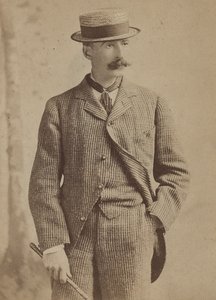
Winslow Homer
1836 - 1910 , Egyesült Államok
Érdekességek
- Artistic Movement Or Style: Amerikai Realizmus
- Artists Or Movements Influenced By This Artist: ['Amerikai festők']
- Artists Who Influenced This Artist:
- Barbizon Schule
- Courbet
- Millet
- Date Of Birth: Feb 24, 1836
- Date Of Death: Sept 29, 1910
- Full Name: Winslow Homer
- Nationality: Amerikai
- Notable Artworks:
- Breezing Up
- A Szántóföldi Gyűjtő
- A Gulf Stream
- Place Of Birth: Boston, USA

