Megtekintés
 Küldés
 Megosztás
 Részletek
 Útmutató

 Letöltés
 Hasonló darabok
 X-ray felvétel
 Diavetítés
 Statisztika
Cannon Rock
 Olajfestmény vászonon
- Falfeliratok és faldekoráció
- Contemporary Realism
 1895
1895 Metropolitan Művészeti Múzeum
 Összes részlet megjelenítése
Giclée / Műnyomat
Múzeumi minőségű giclée vagy vászonnyomat, gyors gyártással és rugalmas finomítási lehetőségekkel. ( Kézzel festett másolat rendelése Áttérés digitális képre)




P118B Ft10

P118H Ft10

P118W Ft10

P438Z Ft10

P508JH Ft12

P508YH Ft12

P805H Ft10

P805Z Ft10

P919BZ Ft10

P919G Ft10

P919XJ Ft10

P959ZH Ft10

P968JZ Ft12

W106C Ft8

W218G Ft10

W218JH Ft8

W218Y Ft10

W307PJ Ft10

W316G Ft10

W316PJ Ft8

W316Y Ft10

W398PJ Ft8

W4111J Ft10

W500HY Ft15

W500JH Ft15

W692G Ft12

W849H Ft8

W940BG Ft15

W953PJ Ft8




Válasszon előre meghatározott méreteink közül, amelyek megfelelnek a műalkotás eredeti arányainak.

Írja be a keretének vagy a falának megfelelő szélességet és magasságot. A nyomatot csak le lehet vágni, soha nem tehető nagyobbá, mint az eredeti kép, így egy eltérő alakú méretnél a kép egy része elveszik. Mielőtt bármit kinyatintanánk, küldünk egy digitális próbamodellt jóváhagyásra. Az oldalon látható kép nem tartalmazza a valós levágást — ezt csak a próbamodell mutatja meg.
Világszerte történő kiszállítás területére mindössze 2 hét alatt, a szokásos 4-5 hét helyett. (27 október)

Ingyenes globális expressz szállítás

Prémium minőségű len vászon

Teljes körű szállítási biztosítás

Vámvisszatérítési Garancia

Hiteles színarányosság garancia

100 napos visszaküldési lehetőség (csak hibás termékek esetén)

100% pénzvisszatérítési garancia

Több darab vásárlásakor kedvezmény
 Az üvegkeretes opció csak 110 cm alatti méretben érhető el

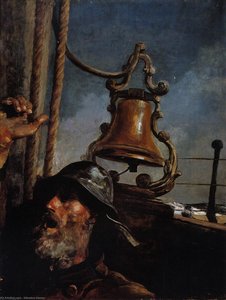
Cannon Rock
Giclée / Műnyomat
Reprodukció mérete
-


Összesített ár
Ft 25827
Cannon Rock: A Masterpiece of Atmospheric Impressionism
Winslow Homer’s *Cannon Rock*, completed in 1895, stands as an enduring testament to the artist's unparalleled ability to capture the sublime beauty and raw power of the Maine coastline. Currently residing within the Metropolitan Museum of Art’s collection, this oil on canvas painting transcends mere depiction; it embodies a profound engagement with the elemental forces shaping the American landscape.
Composition and Technique: Embracing Dynamic Movement
The artwork's composition is characterized by bold brushstrokes—a hallmark of Homer’s Impressionistic style—that convey an exhilarating sense of movement. Homer skillfully utilizes a triangular arrangement, anchoring the eye to the prominent rock formations dominating the foreground. These rocks aren’t rendered with meticulous detail but rather treated as textural surfaces, subtly varied in tone and hue to create a palpable illusion of depth. The artist’s masterful manipulation of light and shadow—particularly the dappled sunlight illuminating the spray of crashing waves—further amplifies the drama and evokes an atmosphere of misty contemplation.
Historical Context: Echoes of Victorian Romanticism
Painted during the height of Victorian Romanticism, *Cannon Rock* reflects a fascination with untamed nature and its capacity to inspire awe. Homer’s work aligns with the broader artistic movement's preoccupation with capturing fleeting moments of beauty and conveying emotional intensity—themes central to the era’s literary and philosophical discourse. The painting speaks to a deeper yearning for connection with the natural world, mirroring the Victorian desire for spiritual solace amidst industrial progress.
Symbolism: Confrontation with Nature’s Majesty
Beyond its aesthetic qualities, *Cannon Rock* carries symbolic weight. The towering rock formations represent resilience and permanence against the relentless onslaught of the sea—a visual metaphor for humanity's struggle to endure adversity. Homer’s depiction of turbulent waves embodies both destructive force and regenerative energy, suggesting that beauty can emerge from chaos. The solitary boat in the distance symbolizes human vulnerability within the grandeur of nature, prompting reflection on our place within the cosmos.
Emotional Impact: Capturing the Sublime
*Cannon Rock* achieves its profound emotional impact through Homer’s masterful use of color and texture. The dominant hues—deep blues and greens—evoke the coolness and mystery of the ocean depths, while flashes of sunlight imbue the scene with warmth and vibrancy. More importantly, Homer succeeds in conveying a visceral experience of awe—the sublime—that resonates deeply within the viewer. It’s a painting that invites contemplation on the grandeur of creation and the insignificance of human existence against its immensity.
- Artist: Winslow Homer
- Year Created: 1895
- Location: Metropolitan Museum of Art, New York City
- Medium: Oil on Canvas
For a stunning handmade reproduction of *Cannon Rock*, explore OriginalUniqueArt. Discover similar masterpieces by Ivan Aivazovsky at /art/list/?Filter=8XY9EL-Ivan-Aivazovsky-Surf-near-coast-of-Crimea and Arthur Bowen Davies at /art/list/?Filter=8DP2MA-Arthur-Bowen-Davies-By-the-Roaring-Bull. Also, delve into the broader collection of European and American art at https://OriginalUniqueArt.com and explore the Metropolitan Museum of Art’s website: https://www.metmuseum.org/
Kérdések és válaszok
Letölthető-e a(z) "Cannon Rock"?
A „Cannon Rock”, Winslow Homer alkotása letölthető a mű Letöltés oldaláról, magas felbontású digitális kép letöltése formátumban.
Melyik tér harmonizál a „Cannon Rock”, Winslow Homer alkotása színeivel?
A „Cannon Rock”, Winslow Homer alkotása Földszínek színei tökéletesen illeszkednek a javasolt helyiséghez: egy Nappali.
Hogyan kapcsolódnak „Cannon Rock”, Winslow Homer alkotása színei a mű érzelmi töltetéhez?
A „Cannon Rock”, Winslow Homer alkotása egy Földszínek színpalettát ötvöz a Erőteljes hangulatú tónussal.
A művész életrajza
A Brush with the American Spirit: The Life and Art of Winslow Homer
Winslow Homer, born in Boston in 1836, wasn’t sculpted by the traditional European art academies that shaped so many of his contemporaries. Instead, he emerged from a distinctly American experience, one rooted in practicality and observation. His journey began not with grand historical canvases, but as a commercial illustrator at the tender age of twelve for Harper's Weekly. This early apprenticeship was formative, honing an exceptional ability to capture scenes with clarity and detail – skills that would become hallmarks of his mature work. He wasn’t learning perspective in Paris; he was learning to *see* America, its people, and its unfolding story. The bustling streets of Boston, the quiet dignity of rural New England life, these were his first subjects, rendered with a precision born of necessity for the demands of print media. This foundation allowed him to transition into painting, initially in watercolor, before fully embracing the expressive potential of oil paints.Early Life and Artistic Beginnings
Homer’s childhood was marked by a close relationship between his parents—Charles Savage Homer, a merchant with restless ambitions, and Henrietta Maria Benson Homer, a gifted amateur watercolorist who instilled in him a lifelong appreciation for artistic observation. His father's entrepreneurial spirit propelled him to seek fortune abroad, leaving young Winslow largely under his mother’s tutelage. From Cambridge, Massachusetts, where he attended school, Homer developed an early fascination with drawing and sketching—skills that would prove invaluable throughout his career. He began honing his craft by copying the works of established artists, gaining experience in mastering technique and capturing visual impressions. This formative period instilled in him a disciplined approach to artmaking that would characterize his later work. His mother’s encouragement fostered his artistic talent and nurtured his innate sensitivity to beauty—traits that would become integral to Homer's distinctive style.The Civil War Years: Witnessing History Through Art
The American Civil War profoundly impacted Homer’s artistic vision, transforming him from a painter of idyllic landscapes into a chronicler of the brutal realities of conflict. As a war correspondent for Harper’s Weekly, he documented the daily lives of soldiers and civilians—not grand battles or strategic maneuvers—but rather the quiet moments of grief, resilience, and human suffering amidst chaos. This experience instilled in him an unwavering commitment to portraying truthfulness and empathy—values that would permeate his paintings throughout his life. Homer eschewed romanticized depictions of heroism, focusing instead on capturing the psychological impact of war on ordinary people. His sketches for Harper’s Weekly are considered singular examples of wartime reporting, demonstrating his remarkable ability to convey emotion through visual imagery. The Civil War served as a catalyst for Homer's artistic evolution, prompting him to explore themes of trauma and vulnerability—themes that would become central to his oeuvre.A Master of Watercolor and Oil: Exploring Diverse Techniques
Homer’s artistic versatility extended beyond watercolor; he excelled in oil painting, achieving remarkable textural depth and luminosity through a technique rooted in direct observation from nature. He embraced the expressive potential of oil paints while retaining the fluidity and spontaneity characteristic of watercolor—a duality that defined his distinctive style. Homer's studio was located primarily in New York City, yet he frequently traveled to Pennsylvania, the Catskills, and Gloucester, Maine, drawing inspiration from these varied landscapes. These excursions fueled his creativity and informed his artistic vision, resulting in paintings that captured both grandeur and intimacy. He meticulously built up layers of paint—often applying them with a palette knife—creating surfaces rich in texture and color—a technique that distinguishes Homer’s work from many of his contemporaries. His masterful handling of light—particularly the dramatic effects achieved during Maine summers—became a hallmark of his artistic style.Legacy: An Icon of American Realism
Winslow Homer stands as one of America's most celebrated painters, recognized for his unflinching portrayal of the human condition and his profound engagement with the natural world. His paintings—particularly *The Gulf Stream*, *Breezing Up (A Fair Wind)*, and *Innocence*—remain enduring symbols of American artistic achievement. Homer’s influence extended beyond his own time, inspiring subsequent generations of artists who sought to capture the spirit of their nation with similar honesty and conviction. He rejected academic conventions in favor of a direct painting approach—a stylistic choice that cemented his place as a pioneer of American Realism. His legacy is defined by his ability to convey emotion through visual imagery—to communicate profound truths about human experience without resorting to sentimentality or embellishment. Homer’s enduring appeal lies in his unwavering commitment to portraying the beauty and complexity of America—a commitment that continues to resonate with audiences today. He remains a pivotal figure in the history of American art, ensuring his place as one of its most influential voices.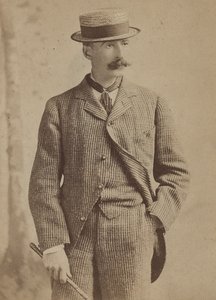
Winslow Homer
1836 - 1910 , Egyesült Államok
Rövid információk
- Artistic Movement Or Style: Amerikai Realizmus
- Artists Or Movements Influenced By This Artist: ['Amerikai festők']
- Artists Who Influenced This Artist:
- Barbizon Schule
- Courbet
- Millet
- Date Of Birth: Feb 24, 1836
- Date Of Death: Sept 29, 1910
- Full Name: Winslow Homer
- Nationality: Amerikai
- Notable Artworks:
- Breezing Up
- A Szántóföldi Gyűjtő
- A Gulf Stream
- Place Of Birth: Boston, USA
Kapcsolódó cikkek
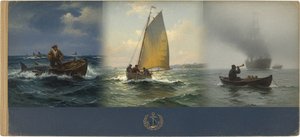
Winslow Homer 25 Mesterműve: Az Amerikai Tájkép Lelkét Megragadó Festmények
Fedezze fel Winslow Homer 25 legikonikusabb művét! Olajfestményei, akvarelljei az amerikai tájkép és tengerpartok lélegzetelállító szépségét ábrázolják. Művészeti reprodukciók galéria minőségben a OriginalUniqueArt.com-on. Explore the full collection online!
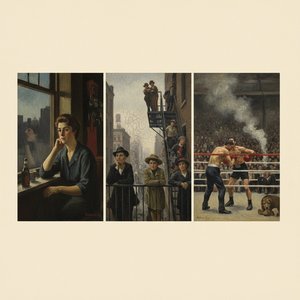
American Realism: Social Commentary & Artistic Representation in Early 20th-Century Painting
Explore the powerful social commentary & artistic representation of American Realism. Discover key artists like Bellows & Sloan, and understand the movement's lasting impact on 20th-century art history.

The Unvarnished Truth: A Cultural Journey Through the Soul of American Realism
Explore the profound beauty of American Realism. From the Ashcan School's urban grit to intimate portraits, discover how artists captured the authentic soul of a nation through unvarnished truth and masterful observation.

Az amerikai realizmus 10 ikonikus remekműve – festmények otthonra a OriginalUniqueArt kínálatából
Fedezze fel az amerikai realizmus 10 legikonikusabb remekművét! Ismerje meg Andrew Wyeth, Edward Hopper és más festők történetét. Múzeumi minőségű reprodukciók otthonra a OriginalUniqueArt kínálatából – inspiráló faliképek és dekorációk online.

American Realism: Capturing the Soul of Everyday Life through the Lens of Art History
Explore the profound beauty of American Realism. From Winslow Homer’s rural landscapes to the dignity of everyday life, discover how master artists captured the soul of a nation through evocative oil paintings and timeless fine art techniques.