Megtekintés
 Küldés
 Megosztás
 Részletek
 Útmutató

 Letöltés
 Hasonló darabok
 X-ray felvétel
 Diavetítés
 Statisztika
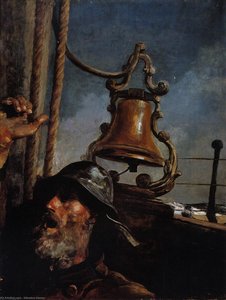
A Ködjelzés
 Olajfestmény vászonon
- Falfeliratok és faldekoráció
- American Realism
 1885
1885- 19. század
 Művészeti Múzeum, Boston
 Összes részlet megjelenítése
Kézzel készített olajfestmény reprodukció
Kézzel festett olajvastú vászon, az Ön által választott méretben és keretben, művészeink készítik meglévőre. ( Váltás nyomtatványra Áttérés digitális képre)




P118B Ft10

P118H Ft10

P118W Ft10

P438Z Ft10

P508JH Ft12

P508YH Ft12

P805H Ft10

P805Z Ft10

P919BZ Ft10

P919G Ft10

P919XJ Ft10

P959ZH Ft10

P968JZ Ft12

W106C Ft8

W218G Ft10

W218JH Ft8

W218Y Ft10

W307PJ Ft10

W316G Ft10

W316PJ Ft8

W316Y Ft10

W398PJ Ft8

W4111J Ft10

W500HY Ft15

W500JH Ft15

W692G Ft12

W849H Ft8

W940BG Ft15

W953PJ Ft8




Válasszon előre meghatározott méreteink közül, amelyek megfelelnek a műalkotás eredeti arányainak.

Írja be a kívánt szélességet és magasságot, hogy illeszkedjen a keretéhez vagy a falához. Mivel ez kézzel festett alkotás, egy eltérő formájú méret esetén a művész akár festhet is valamivel többet a kép körül, vagy korolathat is belőle — az Ön döntésének megfelelően. A festés megkezdése előtt küldünk egy digitális tervezetet jóváhagyásra. Az oldalon látható kép nem tartalmazza a végeredményt — csak a tervezet mutatja meg a valódi eredményt.
A rendelést követően a OriginalUniqueArt.com csapata e-mailt küld az ügyfélnek az instrukciókért, és biztosít egy előnézeti képet (mockup).
Világszerte elérhető szállítás () 3-4 hét alatt a szokásos 5 hét helyett. (27 október). A minőség nem kérdőjelezhető.

Ingyenes globális expressz szállítás

Prémium minőségű len vászon

Teljes körű szállítási biztosítás

Vámvisszatérítési Garancia

Hiteles színarányosság garancia

100 napos visszaküldési lehetőség (csak hibás termékek esetén)

100% pénzvisszatérítési garancia

Több darab vásárlásakor kedvezmény
 Az üvegkeretes opció csak 110 cm alatti méretben érhető el

A Ködjelzés
Reprodukciós technika
Reprodukció mérete
-


Összesített ár
Ft 96304
A Köd Felbukkanása: Winslow Homer remekműve és az emberi lélek küzdelme a természet erőivel
Winslow Homer 1885-ös alkotása, „A Köd Felbukkanása” (The Fog Warning) nem csupán egy halász ábrázolása munkájában; ez egy mély meditáció az ember és a természet kapcsolatáról, a nehézségekkel szembeni ellenállásról és az élet törékenységéről. Homer ebben a festményben megragadja azt a pillanatot, amikor a magányos halász szembeszáll a tenger hatalmával, egy olyan jelenetet ábrázolva, amely egyszerre lenyűgöző és elgondolkodtató.
Realizmus és az amerikai szellem
A festmény a realizmus csúcspontján született, elutasítva a romantikus idealizációkat a mindennapi élet kíméletlen ábrázolásával szemben. Homer mesterien ragadja meg a tengeren élők kemény valóságát. Bár stílusában hasonlóságot mutat az amerikai luminizmus légköri hatásaival, eltér annak idilli szépségétől, inkább drámai feszültségre és komorabb hangulatokra helyezve a hangsúlyt. Ez a munka példázza Homer elmozdulását a súlyos témák felé – az ember állandó harcát a természet elemi erőivel szemben.
Technika és művészi mesterség
Homer olajfestészeti tudása azonnal szembetűnik a textúrált felületen és a dinamikus ecsetkezeken. Látható, kifejező vonásokat használ a hullámok ábrázolására, lenyűgöző pontossággal közvetítve azok súlyát és mozgását. A rétegezés és a glazúrozási technikák mélységet és árnyalatbeli változásokat hoznak létre, míg az *alla prima* alkalmazásának érzete azonnaliséget kölcsönöz a jelenetnek. A tompított színpaletta – szürkék, kékelek, barnák és okker színek dominálják – megerősíti a festmény komor hangulatát és kiemeli a környezet nyers erejét.
Történelmi kontextus és tengeri élet
A festmény 1885-ben született, amikor Homer letelepedett Prout's Neckben, Maine államban. Ez a munka tükrözi mély kapcsolatát a partmenti közösségekkel és az ott élők életmódjával. Miután időt töltött halászok festésével Angliában, Homer visszatért Amerikába, és arra összpontosított, hogy megragadja a tengeri lét nehézségeit. A nagy hal – valószínűleg tőkehal vagy szürkehal – mind sikeres fogást, mind pedig további terhet jelent a magányos halász számára, ahogy siet a közeledő köd ellen. Eredetileg „Halászat” címen állították ki, a cím megváltoztatása („A Köd Felbukkanása”) aláhúzza a festmény központi narratíváját: a leselkedő veszélyt és a biztonságos visszatérés sürgős szükségességét.
Szimbolizmus és érzelmi hatás
Realista ábrázolása mellett ez a mű gazdag szimbolikus jelentéssel bír. A magányos alak az emberi sérülékenységet testesíti meg a tenger végtelensége előtt. A közeledő köd metaforaként szolgál az élet bizonytalanságára és potenciális veszélyeire. A halász görnyedt testtartása és fókuszált pillantása elszántságot és aggodalmat közvetít – olyan érzelmeket, amelyek még ma is mélyen rezonálnak bennünk. „A Köd Felbukkanása” több mint egy gyönyörű kép; ez egy erőteljes állítás az emberi létről. Drámai kompozíciója, mesteri technikája és időtálló témái miatt lenyűgöző kiegészítője bármely műgyűjteménynek vagy belső térnek. Egy kiváló minőségű reprodukció lehetővé teszi, hogy ezt az ikonikus alkotást otthonába hozza, gondolkodásra ösztönözve és évekig beszélgetést keltve.
Kérdések és válaszok
Mely színek dominálnak a(z) „A Ködjelzés”, Winslow Homer alkotása alkotásban?
A „A Ködjelzés”, Winslow Homer alkotása egy Földszínek színpalettát használ, melynek domináns színe a Szürke (#75756a).
Megtekinthető a "A Ködjelzés" teljes képernyős diaporámaként is?
Elérhető egy diaváltó: a Diaváltás oldala a(z) „A Ködjelzés”, Winslow Homer alkotása alkotáshoz.
Mely korszakban készült a „A Ködjelzés”, Winslow Homer alkotása?
A „A Ködjelzés”, Winslow Homer alkotása a 19. század korszakból származik. Ez az időszak adja meg a mű történelmi kontextusát.
A művész életrajza
A Brush with the American Spirit: The Life and Art of Winslow Homer
Winslow Homer, born in Boston in 1836, wasn’t sculpted by the traditional European art academies that shaped so many of his contemporaries. Instead, he emerged from a distinctly American experience, one rooted in practicality and observation. His journey began not with grand historical canvases, but as a commercial illustrator at the tender age of twelve for Harper's Weekly. This early apprenticeship was formative, honing an exceptional ability to capture scenes with clarity and detail – skills that would become hallmarks of his mature work. He wasn’t learning perspective in Paris; he was learning to *see* America, its people, and its unfolding story. The bustling streets of Boston, the quiet dignity of rural New England life, these were his first subjects, rendered with a precision born of necessity for the demands of print media. This foundation allowed him to transition into painting, initially in watercolor, before fully embracing the expressive potential of oil paints.Early Life and Artistic Beginnings
Homer’s childhood was marked by a close relationship between his parents—Charles Savage Homer, a merchant with restless ambitions, and Henrietta Maria Benson Homer, a gifted amateur watercolorist who instilled in him a lifelong appreciation for artistic observation. His father's entrepreneurial spirit propelled him to seek fortune abroad, leaving young Winslow largely under his mother’s tutelage. From Cambridge, Massachusetts, where he attended school, Homer developed an early fascination with drawing and sketching—skills that would prove invaluable throughout his career. He began honing his craft by copying the works of established artists, gaining experience in mastering technique and capturing visual impressions. This formative period instilled in him a disciplined approach to artmaking that would characterize his later work. His mother’s encouragement fostered his artistic talent and nurtured his innate sensitivity to beauty—traits that would become integral to Homer's distinctive style.The Civil War Years: Witnessing History Through Art
The American Civil War profoundly impacted Homer’s artistic vision, transforming him from a painter of idyllic landscapes into a chronicler of the brutal realities of conflict. As a war correspondent for Harper’s Weekly, he documented the daily lives of soldiers and civilians—not grand battles or strategic maneuvers—but rather the quiet moments of grief, resilience, and human suffering amidst chaos. This experience instilled in him an unwavering commitment to portraying truthfulness and empathy—values that would permeate his paintings throughout his life. Homer eschewed romanticized depictions of heroism, focusing instead on capturing the psychological impact of war on ordinary people. His sketches for Harper’s Weekly are considered singular examples of wartime reporting, demonstrating his remarkable ability to convey emotion through visual imagery. The Civil War served as a catalyst for Homer's artistic evolution, prompting him to explore themes of trauma and vulnerability—themes that would become central to his oeuvre.A Master of Watercolor and Oil: Exploring Diverse Techniques
Homer’s artistic versatility extended beyond watercolor; he excelled in oil painting, achieving remarkable textural depth and luminosity through a technique rooted in direct observation from nature. He embraced the expressive potential of oil paints while retaining the fluidity and spontaneity characteristic of watercolor—a duality that defined his distinctive style. Homer's studio was located primarily in New York City, yet he frequently traveled to Pennsylvania, the Catskills, and Gloucester, Maine, drawing inspiration from these varied landscapes. These excursions fueled his creativity and informed his artistic vision, resulting in paintings that captured both grandeur and intimacy. He meticulously built up layers of paint—often applying them with a palette knife—creating surfaces rich in texture and color—a technique that distinguishes Homer’s work from many of his contemporaries. His masterful handling of light—particularly the dramatic effects achieved during Maine summers—became a hallmark of his artistic style.Legacy: An Icon of American Realism
Winslow Homer stands as one of America's most celebrated painters, recognized for his unflinching portrayal of the human condition and his profound engagement with the natural world. His paintings—particularly *The Gulf Stream*, *Breezing Up (A Fair Wind)*, and *Innocence*—remain enduring symbols of American artistic achievement. Homer’s influence extended beyond his own time, inspiring subsequent generations of artists who sought to capture the spirit of their nation with similar honesty and conviction. He rejected academic conventions in favor of a direct painting approach—a stylistic choice that cemented his place as a pioneer of American Realism. His legacy is defined by his ability to convey emotion through visual imagery—to communicate profound truths about human experience without resorting to sentimentality or embellishment. Homer’s enduring appeal lies in his unwavering commitment to portraying the beauty and complexity of America—a commitment that continues to resonate with audiences today. He remains a pivotal figure in the history of American art, ensuring his place as one of its most influential voices.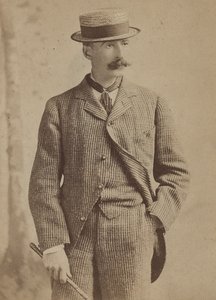
Winslow Homer
1836 - 1910 , Egyesült Államok
Rövid információk
- Artistic Movement Or Style: Amerikai Realizmus
- Artists Or Movements Influenced By This Artist: ['Amerikai festők']
- Artists Who Influenced This Artist:
- Barbizon Schule
- Courbet
- Millet
- Date Of Birth: Feb 24, 1836
- Date Of Death: Sept 29, 1910
- Full Name: Winslow Homer
- Nationality: Amerikai
- Notable Artworks:
- Breezing Up
- A Szántóföldi Gyűjtő
- A Gulf Stream
- Place Of Birth: Boston, USA
Kapcsolódó cikkek

Az amerikai realizmus 10 ikonikus remekműve – festmények otthonra a OriginalUniqueArt kínálatából
Fedezze fel az amerikai realizmus 10 legikonikusabb remekművét! Ismerje meg Andrew Wyeth, Edward Hopper és más festők történetét. Múzeumi minőségű reprodukciók otthonra a OriginalUniqueArt kínálatából – inspiráló faliképek és dekorációk online.

American Realism: Capturing the Soul of Everyday Life through the Lens of Art History
Explore the profound beauty of American Realism. From Winslow Homer’s rural landscapes to the dignity of everyday life, discover how master artists captured the soul of a nation through evocative oil paintings and timeless fine art techniques.
A Boston Szépművészeti Múzeum 25 Gyöngyszeme: Mesterművek és Inspiráció Otthonra
Fedezze fel a Boston Szépművészeti Múzeum 25 legikonikusabb műalkotását! Monet, Renoir és más mesterek festményeinek története, inspiráló otthoni dekorációk. Prémium minőségű reprodukciók a OriginalUniqueArt.com-on – fedezze fel a teljes gyűjteményt online!
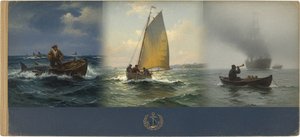
Winslow Homer 25 Mesterműve: Az Amerikai Tájkép Lelkét Megragadó Festmények
Fedezze fel Winslow Homer 25 legikonikusabb művét! Olajfestményei, akvarelljei az amerikai tájkép és tengerpartok lélegzetelállító szépségét ábrázolják. Művészeti reprodukciók galéria minőségben a OriginalUniqueArt.com-on. Explore the full collection online!

Grant Wood & American Regionalism: Identity, Myth & the Rural Landscape
Explore the world of Grant Wood & American Regionalism with OriginalUniqueArt. Discover the symbolism behind 'American Gothic', recurring themes, and the movement's lasting impact on art history. High-quality reproductions available.