Előnézet
 Megosztás
 Megosztás
 Részletek
 Útmutató

 Letöltés
 Hasonló darabok
 X-ray felvétel
 Diavetítés
 Statisztika
A Garden Gate
 Akril vászonon
- Falfeliratok és faldekoráció
- American Watercolor
 1885
1885- 19. század
 Worcester Art Museum
 Tovább olvasom
Giclée / Műnyomat
Múzeumi minőségű giclée vagy vászonnyomat, gyors gyártással és rugalmas finomítási lehetőségekkel. ( Kézzel festett másolat vásárlása Áttérés digitális képre)




P118B Ft10

P118H Ft10

P118W Ft10

P438Z Ft10

P508JH Ft12

P508YH Ft12

P805H Ft10

P805Z Ft10

P919BZ Ft10

P919G Ft10

P919XJ Ft10

P959ZH Ft10

P968JZ Ft12

W106C Ft8

W218G Ft10

W218JH Ft8

W218Y Ft10

W307PJ Ft10

W316G Ft10

W316PJ Ft8

W316Y Ft10

W398PJ Ft8

W4111J Ft10

W500HY Ft15

W500JH Ft15

W692G Ft12

W849H Ft8

W940BG Ft15

W953PJ Ft8




Válasszon előre meghatározott méreteink közül, amelyek megfelelnek a műalkotás eredeti arányainak.

Írja be a keretének vagy a falának megfelelő szélességet és magasságot. A nyomatot csak le lehet vágni, soha nem tehető nagyobbá, mint az eredeti kép, így egy eltérő alakú méretnél a kép egy része elveszik. Mielőtt bármit kinyatintanánk, küldünk egy digitális próbamodellt jóváhagyásra. Az oldalon látható kép nem tartalmazza a valós levágást — ezt csak a próbamodell mutatja meg.
Világszerte történő kiszállítás területére mindössze 2 hét alatt, a szokásos 4-5 hét helyett. (23 október)

Ingyenes globális expressz szállítás

Prémium minőségű len vászon

Teljes körű szállítási biztosítás

Vámvisszatérítési Garancia

Tökéletes színarányosság garancia

100 napos visszaküldési garancia (csak gyártási hibás termékek esetén)

100% pénzvisszatérítési garancia

Több darab vásárlásakor kedvezmény
 Az üvegkeretes opció csak 110 cm alatti méretben érhető el

A Garden Gate
Giclée / Műnyomat
Reprodukció méretei
-


Összesített ár
Ft 25718
A Halomkert – A Csendes Víz Szelleme
Winslow Homer, a 19. századi amerikai festőművész, nem egy hagyományos akadémiai képzőhelyen kształkult, hanem egy amerikai élményben, mely a praktikumra és az obserwációra épült. Utazása nem nagy történelmi vászonokkal kezdődött, hanem tizenkét éves korában kereskedelmi illusztrátorként a Harper's Weekly lapjainál. Ez az időjárás volt, ami formálta őt, egyedülálló képességre fejlesztve, hogy jeleneteket érezzen és rögzítse velük – készségek, melyek később felvillanó stílusának jellegzetességeivé váltak. Nem tanult perspektívát Párizsból; látta Amerikát, a népét és az életének áramlását. A bostoni forrongás utcái, az új-engliszi élet csendes dicsősége – ezek voltak először a témái, kidolgozva precízen, a nyomtatási igények szükségletei miatt. Ez a felkészültség lehetővé tette számára, hogy átváltszon festővé, egy örökös keresésbe kezdve a természet és az emberi tapasztalatok lényegének megörökítésére.
A Halomkert – A Nyári Napfény Titka
Winslow Homer 1885-ben készített vízfestménye, "A Halomkert", jellegzetes stílusának példája – deceptív egyszerű megjelenés, tele finom megfigyelésekkel és érzelmi rézslettel. A festményt precíz ecsetvonásokkal és mesterséges tonal gradációval festette meg, melyek egy nyugodt kontempláció légkörét teremtik meg. A kompozíció két nőt mutat be, akik egy fal mellett állnak, a testtartásuk sugallja a pihenést és a környezetükkel való foglalkozást. Az alkotások részletei, például a nők sapkorai, a nők táskájának helyzete – mind hozzájárulnak a festmény realisztikus megjelenéséhez, miközben finom hintákat adnak az átlagos emberek életére. A Halomkert egy menedék a városi nyomásra gyakorolt stresszus ellen – egy csendes reflexió és a természet közelségének helye. Homer ügyesen használja a laza ecsetvonásokat, hogy kifejezze a fény szétillantását a növényzetben, létrehozva egy nyugodt kontempláció légkörét.
Technika és Impresszionista Vizuális Érzelem
Homer technikája a hagyományos akadémiai konvenciók elutasításával jellemezhető, melyek helyett közvetlen kapcsolatot épít ki a természettel. Elutasította az ecsetvonások finom felépítését, melyet sok társai használt, és beágyazta a pigment vékony rétegeit, hogy textúrát és fényt építsen fel. Ez az megközelítés tökéletesen illeszkedik az áramló impresszionista mozgalomhoz, mely a pillanatnyi fények és színek rögzítését hangsúlyozta – egy keresés, amelyre Homer lelkesen vágyott. Az eredményül kapott vízfestmény éteri jelleget mutat, tükrözve a trópusi tájak homályos légkörét és mély nyugalmát. Homer mesterséges tonal értékek nagyszerű kontrollja különösen megfigyelhető, mely finoman formálja az érzelmeket és hangsúlyozza a jelenet vizuális hatásait.
Szimbolizmus Az Egész Naplóban
A "Halomkert" nemcsak esztétikai szépsége miatt vonz, hanem a nagyobb témákra is felhívja a figyelmet. A kert maga egy menedék a városi nyomásra gyakorolt stresszus ellen – egy csendes reflexió és a természet közelségének helye. Homer beépített paraszfalai az esővédelmi fontosságát jelzik, melyek a vágyakozás és az alkalmazkodóképesség szimbólumai. A nők pozíciója finom dialógust sugall a nőiesség és a megfigyelés között – egy finom kommentár a nők szerepéről a környezetük percepciósában. A festmény alacsony lényegű eleganciája arra ösztönzi a nézőket, hogy elgondolkodjanak a szépségen, mely a hétköznapokban rejlik. Homer művei egyedülállóan képesek bevonni a nézőt a festmény világába, és megmutatni a természettől való távolságot.
Egy örök hagyomány, mely reprodukciókon keresztül él
Ma a "Halomkert" a Worcester Art Museumben található, ami egyértelmű bizonyíték Homer örökös örökségére az amerikai művészetben. A kiváló minőségű reprodukciók lehetőséget kínálnak arra, hogy közvetlenül éljünk át ezt a mesebeli alkotást – értékeljük annak éles vízfestői technikáját és gondolkodjunk el a szimbólumok iránti vonzó ereje. Az OriginalUniqueArt omfattó gyűjteményének részeként Homer látását otthon vagy irodában hozhatja, ami inspirációt ad és gazdagítja az művészet átalakító erejének értékelését. Fedezze fel Winslow Homer további lenyűgöző alkotásait Rum Cay és Louis Haghe oldalakon, és merüljön el a művész alkotói útja mélyebb betekintésébe Wikipedia: Winslow Homer.
Gyakran Ismételt Kérdések
Milyen hangulat és érzelem ötvöződik a "A Garden Gate" alkotásban?
A "A Garden Gate" alkotásban egy Békés hangulat kíséri egy Békés érzelmet.
Vannak a „A Garden Gate” alkotáshoz hasonló művek?
A „A Garden Gate”, Winslow Homer alkotása Hasonló műalkotások oldala kapcsolódó műalkotásokat mutat be.
Milyen technikával készült a(z) „A Garden Gate”, Winslow Homer alkotása?
A „A Garden Gate”, Winslow Homer alkotása technikája Akril vászonon. A reprodukciók célja ezen technika megjelenítésének hiteles återadása.
A művész életrajza
A Brush with the American Spirit: The Life and Art of Winslow Homer
Winslow Homer, born in Boston in 1836, wasn’t sculpted by the traditional European art academies that shaped so many of his contemporaries. Instead, he emerged from a distinctly American experience, one rooted in practicality and observation. His journey began not with grand historical canvases, but as a commercial illustrator at the tender age of twelve for Harper's Weekly. This early apprenticeship was formative, honing an exceptional ability to capture scenes with clarity and detail – skills that would become hallmarks of his mature work. He wasn’t learning perspective in Paris; he was learning to *see* America, its people, and its unfolding story. The bustling streets of Boston, the quiet dignity of rural New England life, these were his first subjects, rendered with a precision born of necessity for the demands of print media. This foundation allowed him to transition into painting, initially in watercolor, before fully embracing the expressive potential of oil paints.Early Life and Artistic Beginnings
Homer’s childhood was marked by a close relationship between his parents—Charles Savage Homer, a merchant with restless ambitions, and Henrietta Maria Benson Homer, a gifted amateur watercolorist who instilled in him a lifelong appreciation for artistic observation. His father's entrepreneurial spirit propelled him to seek fortune abroad, leaving young Winslow largely under his mother’s tutelage. From Cambridge, Massachusetts, where he attended school, Homer developed an early fascination with drawing and sketching—skills that would prove invaluable throughout his career. He began honing his craft by copying the works of established artists, gaining experience in mastering technique and capturing visual impressions. This formative period instilled in him a disciplined approach to artmaking that would characterize his later work. His mother’s encouragement fostered his artistic talent and nurtured his innate sensitivity to beauty—traits that would become integral to Homer's distinctive style.The Civil War Years: Witnessing History Through Art
The American Civil War profoundly impacted Homer’s artistic vision, transforming him from a painter of idyllic landscapes into a chronicler of the brutal realities of conflict. As a war correspondent for Harper’s Weekly, he documented the daily lives of soldiers and civilians—not grand battles or strategic maneuvers—but rather the quiet moments of grief, resilience, and human suffering amidst chaos. This experience instilled in him an unwavering commitment to portraying truthfulness and empathy—values that would permeate his paintings throughout his life. Homer eschewed romanticized depictions of heroism, focusing instead on capturing the psychological impact of war on ordinary people. His sketches for Harper’s Weekly are considered singular examples of wartime reporting, demonstrating his remarkable ability to convey emotion through visual imagery. The Civil War served as a catalyst for Homer's artistic evolution, prompting him to explore themes of trauma and vulnerability—themes that would become central to his oeuvre.A Master of Watercolor and Oil: Exploring Diverse Techniques
Homer’s artistic versatility extended beyond watercolor; he excelled in oil painting, achieving remarkable textural depth and luminosity through a technique rooted in direct observation from nature. He embraced the expressive potential of oil paints while retaining the fluidity and spontaneity characteristic of watercolor—a duality that defined his distinctive style. Homer's studio was located primarily in New York City, yet he frequently traveled to Pennsylvania, the Catskills, and Gloucester, Maine, drawing inspiration from these varied landscapes. These excursions fueled his creativity and informed his artistic vision, resulting in paintings that captured both grandeur and intimacy. He meticulously built up layers of paint—often applying them with a palette knife—creating surfaces rich in texture and color—a technique that distinguishes Homer’s work from many of his contemporaries. His masterful handling of light—particularly the dramatic effects achieved during Maine summers—became a hallmark of his artistic style.Legacy: An Icon of American Realism
Winslow Homer stands as one of America's most celebrated painters, recognized for his unflinching portrayal of the human condition and his profound engagement with the natural world. His paintings—particularly *The Gulf Stream*, *Breezing Up (A Fair Wind)*, and *Innocence*—remain enduring symbols of American artistic achievement. Homer’s influence extended beyond his own time, inspiring subsequent generations of artists who sought to capture the spirit of their nation with similar honesty and conviction. He rejected academic conventions in favor of a direct painting approach—a stylistic choice that cemented his place as a pioneer of American Realism. His legacy is defined by his ability to convey emotion through visual imagery—to communicate profound truths about human experience without resorting to sentimentality or embellishment. Homer’s enduring appeal lies in his unwavering commitment to portraying the beauty and complexity of America—a commitment that continues to resonate with audiences today. He remains a pivotal figure in the history of American art, ensuring his place as one of its most influential voices.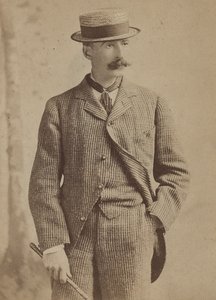
Winslow Homer
1836 - 1910 , Egyesült Államok
Gyors információk
- Artistic Movement Or Style: Amerikai Realizmus
- Artists Or Movements Influenced By This Artist: ['Amerikai festők']
- Artists Who Influenced This Artist:
- Barbizon Schule
- Courbet
- Millet
- Date Of Birth: Feb 24, 1836
- Date Of Death: Sept 29, 1910
- Full Name: Winslow Homer
- Nationality: Amerikai
- Notable Artworks:
- Breezing Up
- A Szántóföldi Gyűjtő
- A Gulf Stream
- Place Of Birth: Boston, USA
Kapcsolódó cikkek

A festészet forradalma: 10 ikonikus akvarellművészeti remekmű, melyek örökre megváltoztatták a művészetet
Fedezze fel a 10 legikonikusabb akvarell festményt, melyek megváltoztatták a művészetet! Ismerje meg Turner, Monet és más mesterek történetét. Vásároljon prémium minőségű reprodukciókat a OriginalUniqueArt.com-on – inspiráló faliképek otthonába!

Ephemeral Visions: Exploring the Artistic Legacy & Contemporary Practice of Watercolor Painting
Explore the captivating world of watercolor painting! Discover its rich history, essential techniques, influential artists & collecting tips. A comprehensive guide for art enthusiasts from OriginalUniqueArt.
Winslow Homer 25 Mesterműve: Az Amerikai Tájkép Lelkét Megragadó Festmények
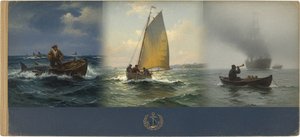
Fedezze fel Winslow Homer 25 legikonikusabb művét! Olajfestményei, akvarelljei az amerikai tájkép és tengerpartok lélegzetelállító szépségét ábrázolják. Művészeti reprodukciók galéria minőségben a OriginalUniqueArt.com-on. Explore the full collection online!

Az amerikai realizmus 10 ikonikus remekműve – festmények otthonra a OriginalUniqueArt kínálatából
Fedezze fel az amerikai realizmus 10 legikonikusabb remekművét! Ismerje meg Andrew Wyeth, Edward Hopper és más festők történetét. Múzeumi minőségű reprodukciók otthonra a OriginalUniqueArt kínálatából – inspiráló faliképek és dekorációk online.

Ephemeral Visions: Exploring the Artistic Legacy & Nuances of Watercolor Painting
Explore the captivating world of watercolor painting! Discover its rich history, essential techniques, influential artists & collecting tips from art experts. A comprehensive guide for enthusiasts.