
 Előnézet
 Megosztás
 Megosztás
 Részletek

 Letöltés
 Hasonló alkotások
 X-ray felvétel
 Diavetítés
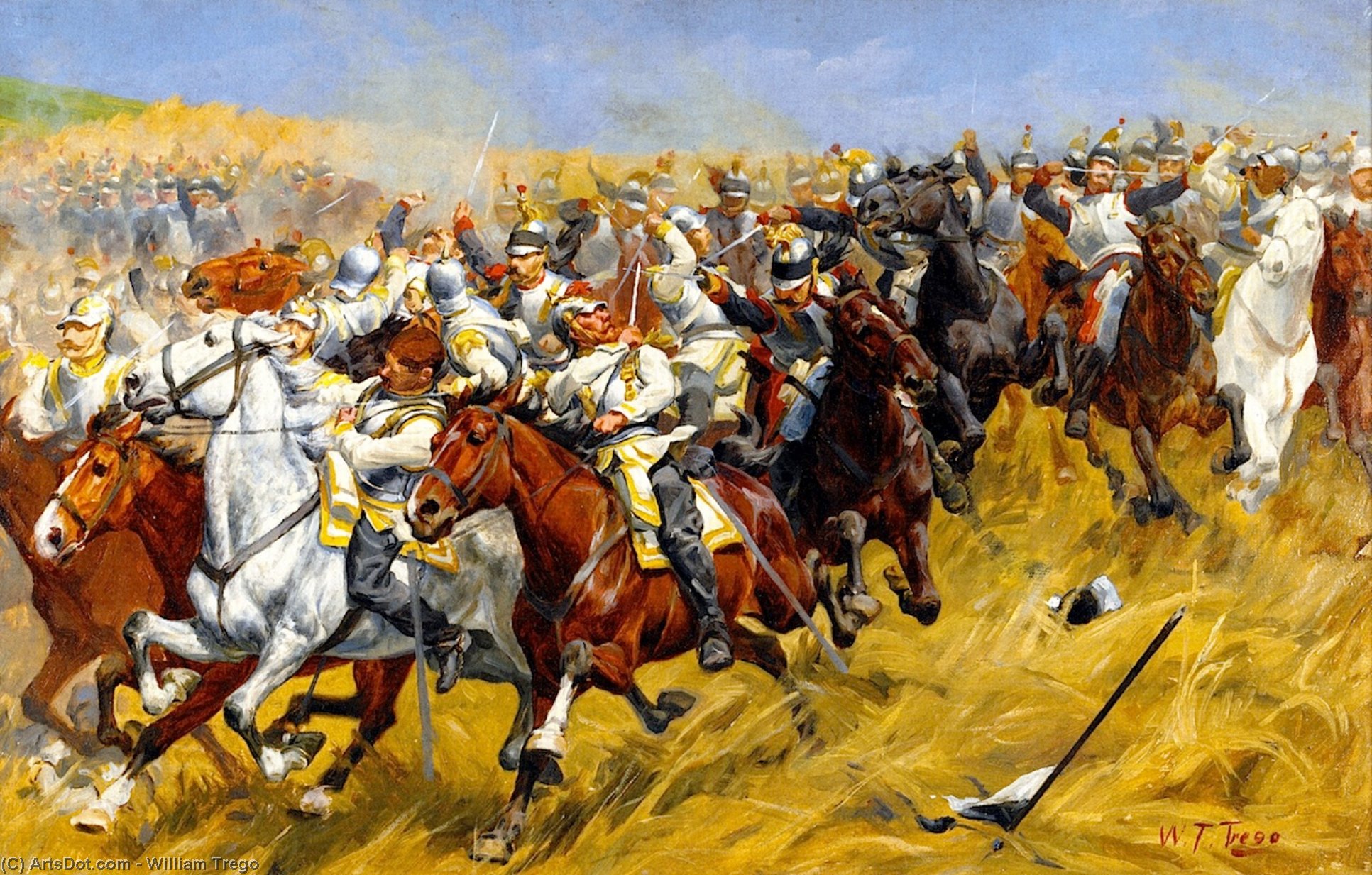
Cavalry Sketch

 Tovább olvasom
Kézzel készített olajfestmény reprodukció
Kézzel festett olajvastú vászon, az Ön által választott méretben és keretben, művészeink készítik meglévőre. ( Nyomat vásárlása Kép vásárlása)




































Válasszon előre meghatározott méreteink közül, amelyek megfelelnek a műalkotás eredeti arányainak.

Ön megadhat saját méreteket egy adott kerethez vagy térhez igazításhoz. Ha a kiválasztott méret nem egyezik az eredeti kép arányával, akkor a műalkotást levágjuk, vagy további kézzel festett elemekkel meghosszabbítjuk a festményt. A gyártás megkezdése előtt küldünk Önnek egy digitális előnézetet jóváhagyásra.
Kérjük, vegye figyelembe, hogy a képernyőn megjelenő előnézet nem tükrözi a tényleges vágást vagy kiterjesztést. Csak az előnézet fog pontosan mutatni a végső kompozíciót.
Bár egyedi méretek állnak rendelkezésre, javasoljuk, hogy válasszon egy méretet az előre meghatározott listából az eredeti arányok megőrzése érdekében.
A rendelést követően a OriginalUniqueArt.com csapata e-mailt küld az ügyfélnek az instrukciókért, és biztosít egy előnézeti képet (mockup).
Világszerte elérhető szállítás () 3-4 hét alatt a szokásos 5 hét helyett. (13 augusztus). A minőség nem kérdőjelezhető.

Ingyenes globális expressz szállítás

Prémium minőségű len vászon

Teljes szállítási biztosítás

Vámvisszatérítési Garancia

Tökéletes színpontosság garancia

60 napos visszaküldési lehetőség (csak gyártási hibák esetén)

100%-os pénzvisszatérítési garancia

Kedvezmény több termény esetén
 Az üvegkeretes opció csak 110 cm alatti méretben érhető el

Cavalry Sketch
Reprodukciós technika
A reprodukció mérete
-


Összesített ár
$ 300
A műalkotás leírása
Historical Context and Artistic Style
The Cavalry Sketch depicts a dramatic scene of horsemen engaged in battle, showcasing William Trego's exceptional skill in capturing movement and energy. This painting is characteristic of the artist's style, which often featured historical and military themes. The use of oil on canvas allowed Trego to achieve a high level of detail and texture, adding depth and realism to the scene.The Cavalry Sketch is not only an impressive work of art but also an important part of American history. It provides a glimpse into the country's past, highlighting the bravery and skill of soldiers on horseback. As a handmade oil painting reproduction, this artwork can be appreciated in a new light, allowing art enthusiasts to experience the beauty and emotion of the original piece.
Similar Works and Artists
Other notable artists, such as Peter Paul Rubens, have also explored historical and military themes in their work. For example, Rubens' The Battle of the Amazons is a famous painting that showcases the artist's mastery of movement and composition. Similarly, Abraham Cooper's Cromwell At Marston Moor and Nc Wyeth's untitled (1907) demonstrate the artists' ability to capture the essence of historical events.- View more information about the Pennsylvania Academy of the Fine Arts on OriginalUniqueArt.com
- Discover William Trego's Cavalry Sketch on OriginalUniqueArt.com
- Learn more about Peter Paul Rubens and his works on OriginalUniqueArt.com
The Cavalry Sketch by William Trego is a remarkable example of American art, showcasing the artist's skill and attention to detail. As a handmade oil painting reproduction, this artwork can be appreciated by art enthusiasts around the world, providing a glimpse into the country's rich history and cultural heritage.
A művész életrajza
A Life Forged in Resilience: The Story of William Trego
Born in the quiet Pennsylvania countryside of Yardley in 1858, William Brooke Thomas Trego’s life was a testament to the power of artistic dedication overcoming immense physical adversity. Son of the accomplished portrait and animal painter Jonathan Kirkbridge Trego, young William inherited not only his father's talent but also a challenging fate. At just two years old, he contracted an illness – possibly polio or a severe reaction to medical treatment – that left his hands and feet nearly paralyzed. This early struggle would profoundly shape his artistic journey, forcing him to develop unconventional techniques and fueling a determination that resonated throughout his career. The family’s move to Detroit when William was sixteen brought another incident—a harrowing accident with a gas jet that cost him his hair—further isolating him within the familial studio where he received most of his formative training. It was there, guided by his father's instruction, that Trego learned to paint, famously maneuvering a brush jammed into his right hand while controlling it with the left, a method born of necessity and refined through sheer willpower.Early Influences and Artistic Beginnings
Trego’s artistic foundation was deeply rooted in his family’s legacy. His father, Jonathan Kirkbridge Trego, was a respected artist known for his skillful color palettes and portraits of local figures. This early exposure to the art world instilled in William a love for painting and a desire to emulate his father's success. However, the physical limitations imposed by his childhood illness presented an immediate obstacle. He began his artistic education under his father’s tutelage, adapting traditional techniques to suit his unique circumstances. The family’s relocation to Detroit provided him with further opportunities for training, though the accident involving the gas jet served as a painful reminder of his vulnerability and contributed to a sense of isolation. Despite these challenges, Trego demonstrated an exceptional aptitude for art, quickly mastering the fundamentals of drawing and composition. His early works reflected a meticulous attention to detail, a characteristic that would become a hallmark of his later paintings.Breakthrough at the Michigan State Fair
Trego’s career gained significant momentum in 1879 with *The Charge of Custer at Winchester*, a dramatic depiction of George Armstrong Custer's final stand that captivated audiences at the Michigan State Fair. This painting, rendered with remarkable dynamism and vividness, showcased Trego’s ability to capture the chaos and intensity of battle. The artwork garnered considerable acclaim, praised for its composition and portrayal of military action. This success provided Trego with the financial means to pursue his artistic ambitions further, leading him to enroll at the prestigious Pennsylvania Academy of the Fine Arts (PAFA) in Philadelphia. This move marked a pivotal moment in his development, exposing him to a wider range of influences and providing access to advanced training under renowned instructors.Training at the Pennsylvania Academy of the Fine Arts
At PAFA, Trego studied under Thomas Eakins, immersing himself in anatomical study and rigorous figure drawing. While benefiting from Eakin’s emphasis on realism, Trego found the instructor's austere approach somewhat challenging. He appreciated Eakins’ technical expertise but longed for a more expressive style. Trego’s time at PAFA was also marked by a significant legal dispute. In 1883, he entered the Temple Competition of Historical Paintings with *Battery of Light Artillery En Route*, a work he believed surpassed all others in quality. However, the Academy jury awarded him only third place, sparking outrage and leading Trego to file a lawsuit against the institution. Despite his talent and conviction, the court ruled against him, highlighting the complex dynamics between artists and academic institutions at the time.A Master of Historical Military Scenes
Following his legal troubles, William Trego established himself as a master of historical military scenes, particularly those depicting the American Revolution and Civil War. His paintings are characterized by an almost obsessive attention to detail, meticulously reconstructing battles and portraying the uniforms, weaponry, and landscapes with remarkable accuracy. He wasn’t merely illustrating events; he was striving for authenticity and honoring the sacrifices of those who fought in these conflicts. Trego's artistic style reflects his academic training, influenced by further studies at the Académie Julian in Paris under Tony Robert-Fleury and William-Adolphe Bouguereau. These masters instilled in him a refined technique and an appreciation for classical composition. Notable works like *Quartermaster’s Department: Train of Pack Mules Attacked by Mexican Cavalry, 1847* showcase his ability to capture both the grandeur and the harsh realities of military life.Later Years and Legacy
Despite continued effort and recognition for his work, Trego faced financial hardship in his later years. He broadened his artistic scope, accepting portrait commissions, genre scenes, and illustration work to supplement his income. He also generously shared his knowledge, taking on students including Walter Emerson Baum and Flora Baum, nurturing the next generation of artists. Tragically, William Trego died unexpectedly in 1909 in North Wales, Pennsylvania, under circumstances that fueled speculation – some suggesting poisoning or overexertion due to the summer heat. Despite a life marked by physical challenges and professional setbacks, William B.T. Trego left behind a body of work that continues to resonate with its meticulous detail, historical accuracy, and poignant portrayal of courage and conflict. His paintings offer not just depictions of battles, but windows into the lives and sacrifices that shaped a nation. He remains a significant figure in American art history, a testament to the enduring power of artistic vision forged in the crucible of adversity.
William Trego
1858 - 1909 , Egyesült Államok
Rövid tények
- Artistic Movement Or Style: Realista
- Artists Or Movements Influenced By This Artist: ['Amerikai realista']
- Artists Who Influenced This Artist:
- Eakins
- Robert-Fleury
- Bouguereau
- Date Of Birth: 1858. szeptember 15.
- Date Of Death: 1909. június 24.
- Full Name: William Brooke Thomas Trego
- Nationality: Amerikai
- Notable Artworks:
- A Custer csata Winchesterben
- Világítóharcosok
- Szállítók ágora
- Place Of Birth: Yardley, USA

