
 Előnézet
 Megosztás
 Megosztás
 Részletek

 Letöltés
 Hasonló alkotások
 X-ray felvétel
 Diavetítés
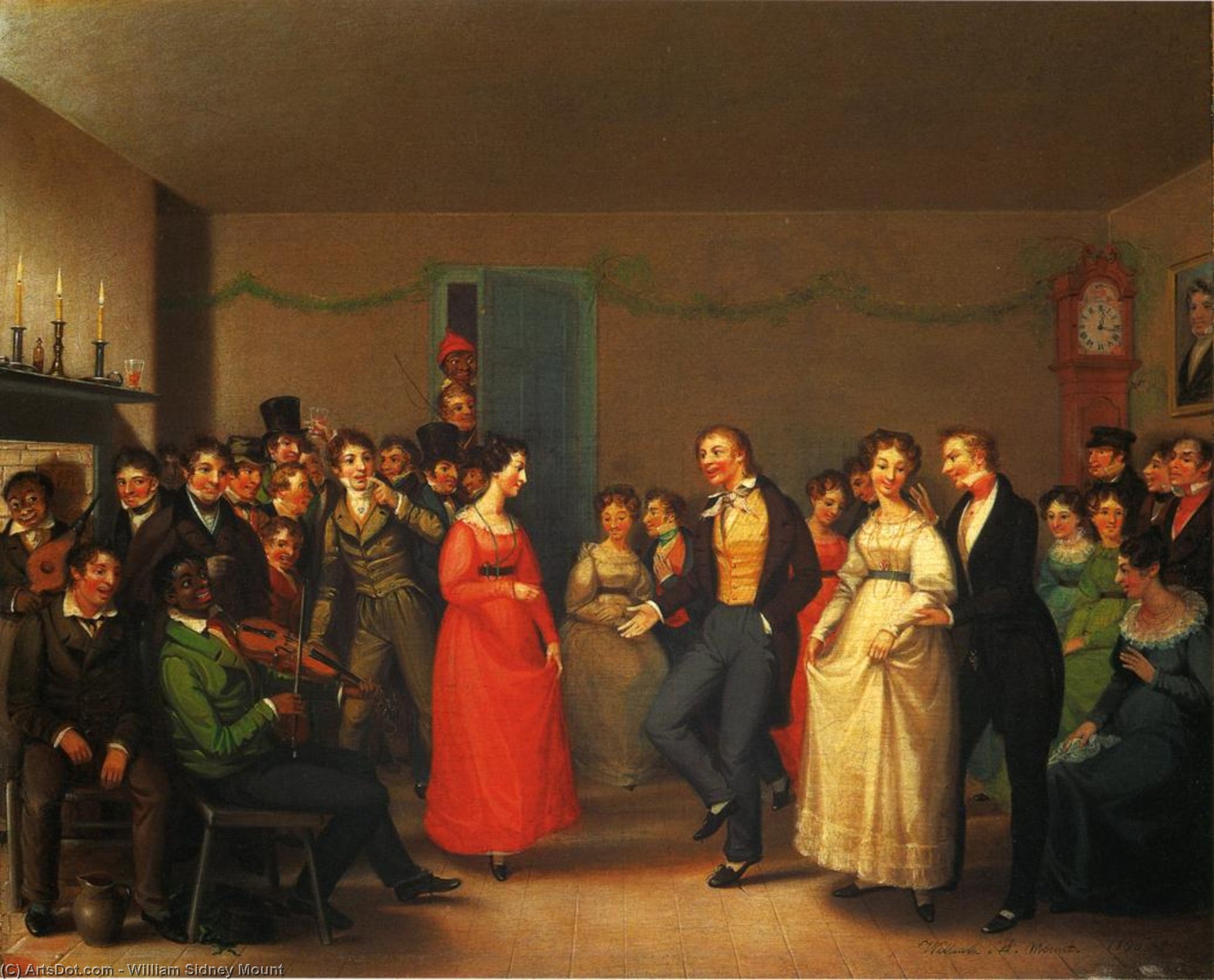
Rustic Dance After a Sleigh Ride


 Tovább olvasom
Kézzel készített olajfestmény reprodukció
Kézzel festett olajvastú vászon, az Ön által választott méretben és keretben, művészeink készítik meglévőre. ( Nyomat vásárlása Kép vásárlása)




P118B $10

P118H $10

P118W $10

P438Z $10

P508JH $12

P508YH $12

P805H $10

P805Z $10

P919BZ $10

P919G $10

P919XJ $10

P959ZH $10

P968JZ $12

W106C $8

W218G $10

W218JH $8

W218Y $10

W307PJ $10

W316G $10

W316PJ $8

W316Y $10

W398PJ $8

W4111J $10

W500HY $15

W500JH $15

W692G $12

W849H $8

W940BG $15

W953PJ $8




Válasszon előre meghatározott méreteink közül, amelyek megfelelnek a műalkotás eredeti arányainak.

Ön megadhat saját méreteket egy adott kerethez vagy térhez igazításhoz. Ha a kiválasztott méret nem egyezik az eredeti kép arányával, akkor a műalkotást levágjuk, vagy további kézzel festett elemekkel meghosszabbítjuk a festményt. A gyártás megkezdése előtt küldünk Önnek egy digitális előnézetet jóváhagyásra.
Kérjük, vegye figyelembe, hogy a képernyőn megjelenő előnézet nem tükrözi a tényleges vágást vagy kiterjesztést. Csak az előnézet fog pontosan mutatni a végső kompozíciót.
Bár egyedi méretek állnak rendelkezésre, javasoljuk, hogy válasszon egy méretet az előre meghatározott listából az eredeti arányok megőrzése érdekében.
A rendelést követően a OriginalUniqueArt.com csapata e-mailt küld az ügyfélnek az instrukciókért, és biztosít egy előnézeti képet (mockup).
Világszerte elérhető szállítás () 3-4 hét alatt a szokásos 5 hét helyett. (12 augusztus). A minőség nem kérdőjelezhető.

Ingyenes globális expressz szállítás

Prémium minőségű len vászon

Teljes szállítási biztosítás

Vámvisszatérítési Garancia

Tökéletes színpontosság garancia

60 napos visszaküldési lehetőség (csak gyártási hibák esetén)

100%-os pénzvisszatérítési garancia

Kedvezmény több termény esetén
 Az üvegkeretes opció csak 110 cm alatti méretben érhető el

Rustic Dance After a Sleigh Ride
Reprodukciós technika
A reprodukció mérete
-


Összesített ár
$ 300
A műalkotás leírása
Rustic Dance After a Sleigh Ride: A Window into 19th-Century American Life
William Sidney Mount’s “Rustic Dance After a Sleigh Ride,” painted in 1830, isn't merely a depiction of a winter gathering; it’s a meticulously crafted tableau that offers a poignant glimpse into the social fabric and evolving attitudes of early America. Housed within the esteemed collection of the Museum of Fine Arts in Boston, this large-scale oil on canvas invites viewers to step back in time and witness a scene brimming with warmth, community, and subtle complexities.
The painting immediately establishes a cozy atmosphere through its warm palette – rich browns, deep reds, and golden yellows dominate, punctuated by the flickering light of a central fireplace. This isn’t a grand ballroom; rather, it's an intimate room, sparsely decorated with a single garland adding a touch of festive cheer. The composition is carefully orchestrated: a woman stands prominently in the center, radiating a quiet authority amidst a lively group of men and women engaged in conversation and what appears to be a spirited dance. A clock on the wall subtly anchors the scene in time, reminding us that this is a specific moment captured for posterity.
The Artist’s Vision: Barbizon Influence and Social Commentary
Mount's work is deeply rooted in the Barbizon School of painting, an influential movement emphasizing realism and a focus on everyday life. This artistic approach, prevalent from 1830 to 1870, championed depicting scenes of rural existence with honesty and detail – a stark contrast to the idealized historical paintings that were then considered the pinnacle of artistic achievement. Mount’s decision to portray this domestic scene, rather than a grand historical event, signaled a shift in American art towards celebrating the lives of ordinary people.
Interestingly, Mount's depiction of African Americans within the painting reveals an evolution in his approach over time. While earlier works might have leaned into stereotypical representations, “Rustic Dance After a Sleigh Ride” presents them with a degree of dignity and integration into the social setting. This reflects a growing awareness and sensitivity regarding racial dynamics during this period – a subtle but significant shift that aligns with broader societal changes.
Details of Technique and Composition
Mount’s technical skill is evident in his masterful rendering of textures and light. The worn wood of the furniture, the plush fabrics of the chairs, and the flickering flames of the fireplace are all depicted with remarkable precision. The figures themselves are rendered with a naturalism that captures their individual personalities – from the animated expressions on the faces of the dancers to the thoughtful gaze of the man observing the scene.
Notice the careful arrangement of the composition, drawing the eye towards the central figure and then branching out to encompass the entire group. The use of diagonals created by the furniture and figures adds dynamism to the scene, while the subtle details – a spilled drink, a folded napkin – contribute to the sense of authenticity. The inclusion of the clock not only establishes time but also subtly suggests the passage of social interaction and shared experience.
Symbolism and Emotional Resonance
Beyond its technical merits, “Rustic Dance After a Sleigh Ride” resonates with viewers on an emotional level. It evokes a sense of nostalgia for a simpler time, a feeling of warmth and connection amidst the bustle of daily life. The scene suggests a moment of respite – a gathering where people can come together to share laughter, conversation, and companionship.
The painting’s enduring appeal lies in its ability to capture not just a specific event but also the spirit of community and the human desire for connection. It's a reminder that even in the midst of change and uncertainty, there is always value to be found in shared experiences and the bonds we forge with one another.
A művész életrajza
A Pioneer of American Genre Painting
William Sidney Mount, born November 26, 1807, in the quiet hamlet of Setauket, Long Island, emerged as a pivotal figure in the development of distinctly American art. He wasn’t drawn to the grand historical narratives or formal portraiture championed by many of his contemporaries; instead, Mount turned his keen eye toward the everyday lives unfolding around him – the farmers, musicians, and ordinary folk who populated the rural landscapes of 19th-century Long Island. This dedication to depicting scenes of common life established him as a pioneer of genre painting in America, a style that celebrated the dignity and inherent beauty found within the mundane. His artistic journey was deeply rooted in his upbringing; his father operated a bustling farm, store, and tavern, while his uncle Micah Hawkins was a man of varied talents – a composer, playwright, mimic, and poet – fostering an environment rich with both artistic expression and observation of human character.Early Training and Artistic Awakening
Mount’s initial foray into the art world began not in a formal academy but through an apprenticeship with his older brother, Henry Smith Mount, a sign painter in New York City. This practical training honed his skills in draftsmanship and painting technique, providing a solid foundation for future endeavors. However, it was a visit to the American Academy of the Fine Arts exhibition in 1825 that truly ignited his artistic passion. Immersed in the works of established artists—particularly Benjamin West and William Hogarth—Mount experienced an awakening, shifting his focus from traditional subjects toward capturing authentic moments from everyday life. He recognized the power of observation and believed that art could illuminate the human condition. This realization spurred him to abandon conventional artistic pursuits and embrace a new path: documenting the realities of American rural existence with unflinching honesty and remarkable sensitivity.Capturing Rural Life with Realism and Warmth
Mount’s artistic style is characterized by an unwavering realism coupled with a remarkable ability to infuse his scenes with warmth and humor. He didn't idealize rural life; rather, he presented it as it was – full of both labor and leisure, hardship and joy. His attention to detail is meticulous, from the textures of clothing to the expressions on faces, creating a sense of immediacy and authenticity. *The Banjo Player* (1856), one of his early successes, exemplifies this approach; it’s a captivating portrait of an African American musician, capturing not only his physical appearance but also his soulful gaze and posture—a testament to Mount's profound understanding of human psychology. Later works like *Dancing on Barn Floor* (1831) demonstrate not only his technical skill but also a deep empathy for his subjects. He skillfully rendered the lively energy of a rural dance, conveying both the physical exertion and the joyous camaraderie of the participants. Other notable paintings include *The Long Story*, *Right and Left*, and *Loss and Gain*, each offering poignant glimpses into the lives and experiences of ordinary Americans.Innovation Beyond the Canvas
Mount’s creativity extended beyond painting; he was also an accomplished musician and inventor. He played the fiddle with considerable skill, composing music that reflected his observations of rural life—often incorporating melodies inspired by folk tunes and dances. Demonstrating a remarkable spirit of innovation, Mount constructed a portable studio within a horse-drawn wagon. This mobile workspace allowed him to travel freely throughout Long Island, painting directly from life and capturing spontaneous moments as they unfolded. It was a bold decision that underscored his commitment to artistic authenticity and his desire to engage with the world around him in a visceral way. He believed that art should be informed by experience and that observation—coupled with technical mastery—was essential for conveying truthfulness and beauty.Legacy and Enduring Influence
William Sidney Mount passed away on November 19, 1868, in his beloved Setauket, leaving behind a rich artistic legacy that continues to resonate today. His pioneering work in genre painting helped establish it as a significant force within the American art landscape, paving the way for future generations of artists who sought to capture the essence of American identity and culture. He is remembered not only for his technical skill and realistic depictions but also for his compassionate portrayal of everyday people—a rare accomplishment at the time—celebrating their lives with dignity and respect. His paintings offer a valuable window into 19th-century American life, reminding us that beauty can be found in the simplest of scenes and gestures. He was truly a chronicler of rural America, an artist who understood the power of art to connect us to our past and to each other.
William Sidney Mount
1807 - 1868 , Egyesült Államok
Rövid tények
- Artistic Movement Or Style: Genre festészet
- Artists Who Influenced This Artist:
- Benjamin West
- William Hogarth
- Date Of Birth: November 26, 1807
- Date Of Death: November 19, 1868
- Full Name: William Sidney Mount
- Nationality: Amerikai
- Notable Artworks:
- A Banjo Szóró
- Az Építkező Szerződés
- Táncolás egy szántóföldi padlóban
- Jobbra és Balra
- Elvesztés és Nyertés
- Szegény fiúk vitája
- Place Of Birth: Setauket, USA
Kapcsolódó cikkek

Grant Wood & American Regionalism: Identity, Myth & the Rural Landscape
Explore the world of Grant Wood & American Regionalism with OriginalUniqueArt. Discover the symbolism behind 'American Gothic', recurring themes, and the movement's lasting impact on art history. High-quality reproductions available.

The Rhythmic Canvas: Exploring Representations of Dance Across Art History
Explore the captivating history of dance in art! From Degas' ballet scenes to abstract expressions, discover how artists have captured movement and cultural significance across time. Expert insights for collectors & enthusiasts.

Az amerikai realizmus 10 ikonikus remekműve – festmények otthonra a OriginalUniqueArt kínálatából
Fedezze fel az amerikai realizmus 10 legikonikusabb remekművét! Ismerje meg Andrew Wyeth, Edward Hopper és más festők történetét. Múzeumi minőségű reprodukciók otthonra a OriginalUniqueArt kínálatából – inspiráló faliképek és dekorációk online.
William H. Johnson: A Life Painted in Bold Strokes – Race, Identity & Modernism
Explore the powerful life & art of William H. Johnson – a pivotal American painter who captured African American experiences with bold expressionism and folk art style. Discover his legacy at OriginalUniqueArt.

American Regionalism: The Soul of the Heartland and the Mastery of Grant Wood
Explore the profound history of American Regionalism. Discover how Grant Wood captured the heart of the Midwest through masterpieces like American Gothic. An expert guide to the movement, its cultural impact, and the enduring beauty of American Realism.

