
 Előnézet
 Megosztás
 Megosztás
 Részletek
 Útmutató

 Letöltés
 Hasonló darabok
 X-ray felvétel
 Diavetítés
 Statisztika
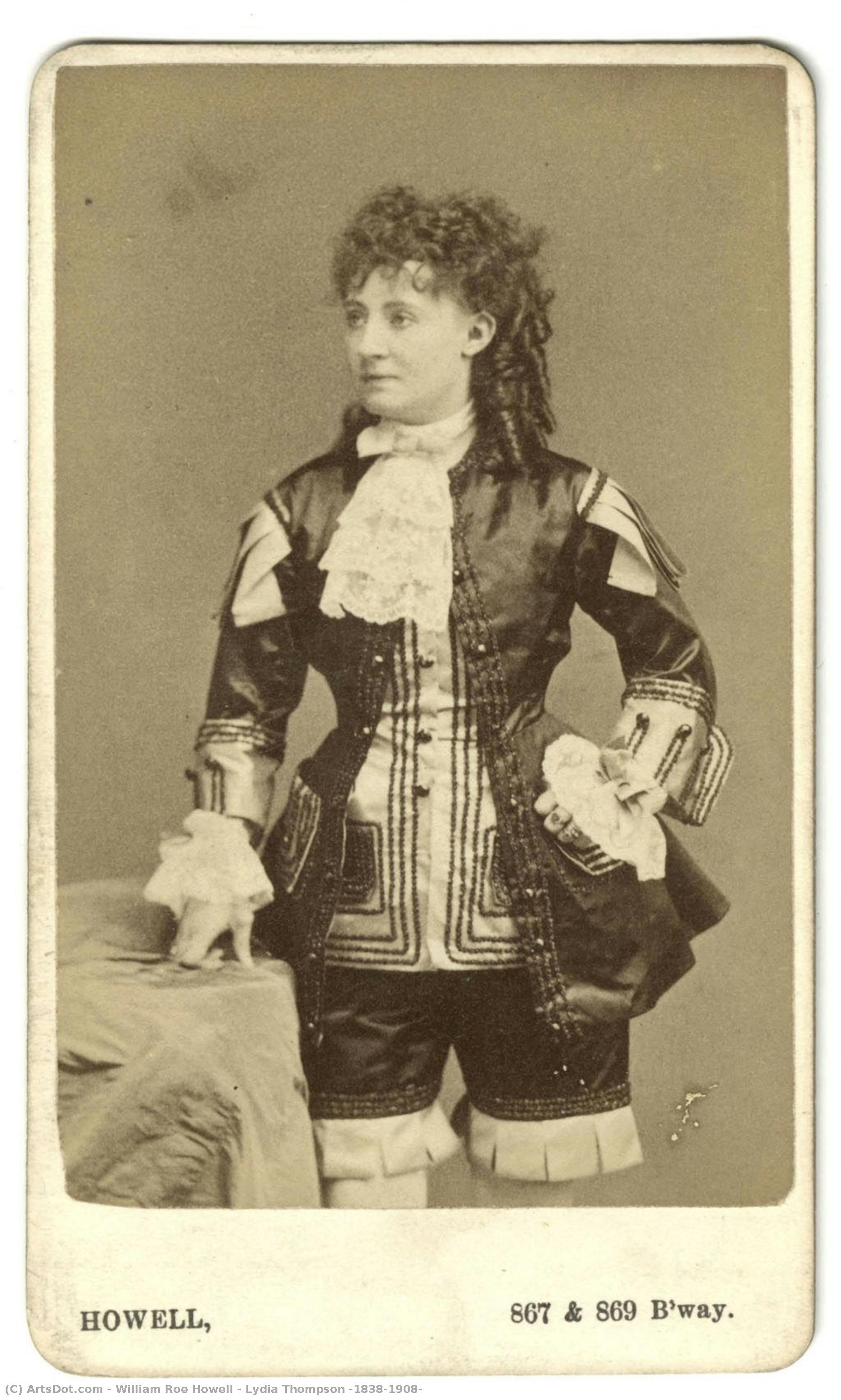
Lydia Thompson (1838-1908)

 Tovább olvasom
Vásároljon nagy felbontású, javított digitális képet, amely minőségében messze felülmúlja az online előnézetet.
Minden fájlt szakembereink a legmodernebb eszközök és precíz, kézi retusálás segítségével készítenek el aprólékosan. Gondoskodunk arról, hogy minden kép kivételes tisztasággal, pontos színhelyességgel és részletgazdag finomsággal rendelkezzen.
A végleges fájl 72 órán belül e-mailben megérkezik, professzionális, szerkesztői és nyomtatási környezetbe optimalizálva az azonnali használathoz. Ez ugyanaz a minőség, amelyben a legmeghatározóbb tervezőstúdiók, kiadók és galériák is megbízhatnak.
Digitális kép
Töltsön le nagy felbontású fájlt személyes kiállításokhoz, nyomtatáshoz és kreatív projektekhez. ( Váltás nyomtatványra Kézzel festett másolat vásárlása)
Minden digitális kép rendeléséhez tartozó extrák
Szakértői digitális kézbesítés, garantáltan
Amikor a OriginalUniqueArt.com szolgáltatást választja, nem csupán egy képet kap – professzionálisan felmagasított digitális műalkotást kap, amely precizitással készült, és amelyet megelégsedési gwarancia tesz biztoslássá. Az alábbiakban automatikusan minden benne 】

Gyors e-mail teslimítés
A nagy felbontású digitális képmásolatát a megrendelést követő 72 órán belül e-mailben elküldjük Önnek – azonnal használható formátumban.

MI-alapú digitális képjavítás
Műve professzionális módon kerül optimalizálásra fejlett mesterséges intelligencia eszközök és manuális szerkesztés segítségével, biztosítva a maximális részletességet, tisztaságot és színpontosságot.

Örök életű ingyenes újradatás
Véletlenül törölted vagy elvesztetted a fájlodat? Ne aggódj – bármikor ingyen újra megküldjük neked.

Nincs importköltség – soha
Élvezze műalkotásait azonnal, vám, illeték vagy szállítási költség nélkül – a digitális letöltések mindig adamentesek.

Színpontosság garantálása
Professzionális eszközök és színkezelés segítségével garantáljuk, hogy digitális képe a lehető legpontosabban tükrözze az eredeti színeket.

100 napos elégedettségi garancia
Ha nemມີ elégedett a digitális képével, 100 napon belül felülvizsgáljuk vagy 100% visszatérítjük az amountot – kérdés बिना.

100% Pénzvisszatérítési garancia
Nem tetszett a vásárlás? 100 napon belül teljes visszatérítést garantálunk a digitális fájl megvételétől számítva – kérdés nélkül.

Tömegrendelési kedvezmények
Vásároljon 3 képet, spóroljon 10%-et - Vásároljon 5-öt, spóroljon 15%-et - Vásároljon 10+ képet, spóroljon 20%-at. Kiváló kreatív projektekhez, galériákhoz és ügynökségekhez.
Művész életrajza
The Lens of Eminence: The Life and Legacy of William Roe Howell
In the flickering light of the Victorian era, a period defined by both rapid industrial progress and a profound fascination with individual identity, William Roe Howell emerged as a master of the captured moment. Born in 1846 in Goshen, Indiana, Howell’s journey from the American Midwest to the bustling heart of New York City’s artistic scene is a narrative of immense talent meeting historical opportunity. While his early years were rooted in the landscapes of his youth, his true calling lay in the meticulous, chemical dance of the photographic darkroom. Before he became a celebrated name in portraiture, Howell honed his eye through formal training in drawing and painting, an education that gifted him with an unparalleled understanding of composition, light, and the subtle nuances of human expression—elements that would later breathe life into his silver-toned masterpieces.
The transition from the brush to the camera was more than a mere change in medium; it was a deliberate pursuit of a new kind of truth. As photography evolved, Howell embraced the technical complexities of the era, particularly the collodion process. This method, though demanding, offered a clarity and sharpness that far surpassed the earlier daguerreotypes, allowing him to document the textures of velvet, the glint of medals, and the profound depth of a subject's gaze. His early professional milestones were marked by significant prestige, most notably in 1873, when he was awarded the Grand Prize at the Vienna International Exposition. This international recognition placed him among the elite photographic innovators of Europe and America, signaling the arrival of a photographer whose technical prowess was matched only by his artistic intuition.
Capturing the Icons of an Age
By the mid-1870s, Howell had established a prominent studio at 867 & 869 Broadway in New York City, a location that served as a crossroads for the era's most influential figures. His work became a vital historical record, documenting the faces that shaped American politics and culture. To step into his studio was to encounter the very essence of Victorian celebrity. Through his lens, the commanding presence of political titans like Ulysses S. Grant was rendered with a dignity that commanded respect, while the luminous, theatrical allure of stars such as Lillian Russell was captured with a romantic grace that captivated the public imagination.
Howell’s artistry extended beyond the grand portraits of the elite; he possessed a unique ability to navigate different social spheres with equal sensitivity. His early work as a class photographer for Princeton College demonstrated his ability to work within specialized environments, even utilizing portable darkrooms and temporary structures to capture the spirit of the student body. This versatility—the ability to move from the academic halls of New Jersey to the high-society studios of Manhattan—defined his professional identity. His portraits were not merely likenesses but albumen prints that carried a sense of permanence, turning fleeting moments of fame into enduring icons of American history.
A Final Chapter and Enduring Significance
Despite the brilliance of his career, Howell’s life was shadowed by the same fragility that often accompanies great passion. His untimely death in 1890 at the age of 44, caused by tuberculosis, brought a premature end to a career that was still reaching new heights of influence. Yet, the impact of his work remained etched in the cultural fabric of the late 19th century. He left behind a visual legacy that serves as a window into a vanished world, providing modern historians with an intimate look at the personalities who navigated the complexities of a changing nation.
The historical significance of William Roe Howell lies in his role as a pioneer of documentary portraiture. He did not simply take pictures; he curated the visual identity of an era. His contributions can be summarized through several key achievements:
- Technical Innovation: Mastery of the collodion process to achieve unprecedented detail and clarity in portraiture.
- International Acclaim: Securing the Grand Prize at the 1873 Vienna International Exposition, elevating American photography on the world stage.
- Cultural Documentation: Creating an irreplaceable archive of political and theatrical luminaries, from statesmen to Broadway legends.
- Artistic Synthesis: Blending the classical principles of fine art painting with the emerging precision of photographic science.
Today, the works of William Roe Howell are cherished not only as technical triumphs of the Victorian age but as soulful explorations of human character. His ability to find the intersection between the public persona and the private individual ensures that his name remains a vital part of the history of American art.

william roe howell
1846 - 1890 , United States of America
Rövid tények
- Artistic Movement Or Style: Victorian Photography
- Artists Or Movements Influenced By This Artist: ['Photographic Realism']
- Artists Who Influenced This Artist: ['George Eastman']
- Date Of Birth: Goshen, Indiana, United States of America (1846)
- Date Of Death: 1890
- Full Name: William Roe Howell
- Nationality: American
- Notable Artworks: ['Portrait of Theodore Roosevelt']
- Place Of Birth: Goshen, Indiana