A szöveg mérete

() ·

Egy Önnek készült, kézzel festett alkotás

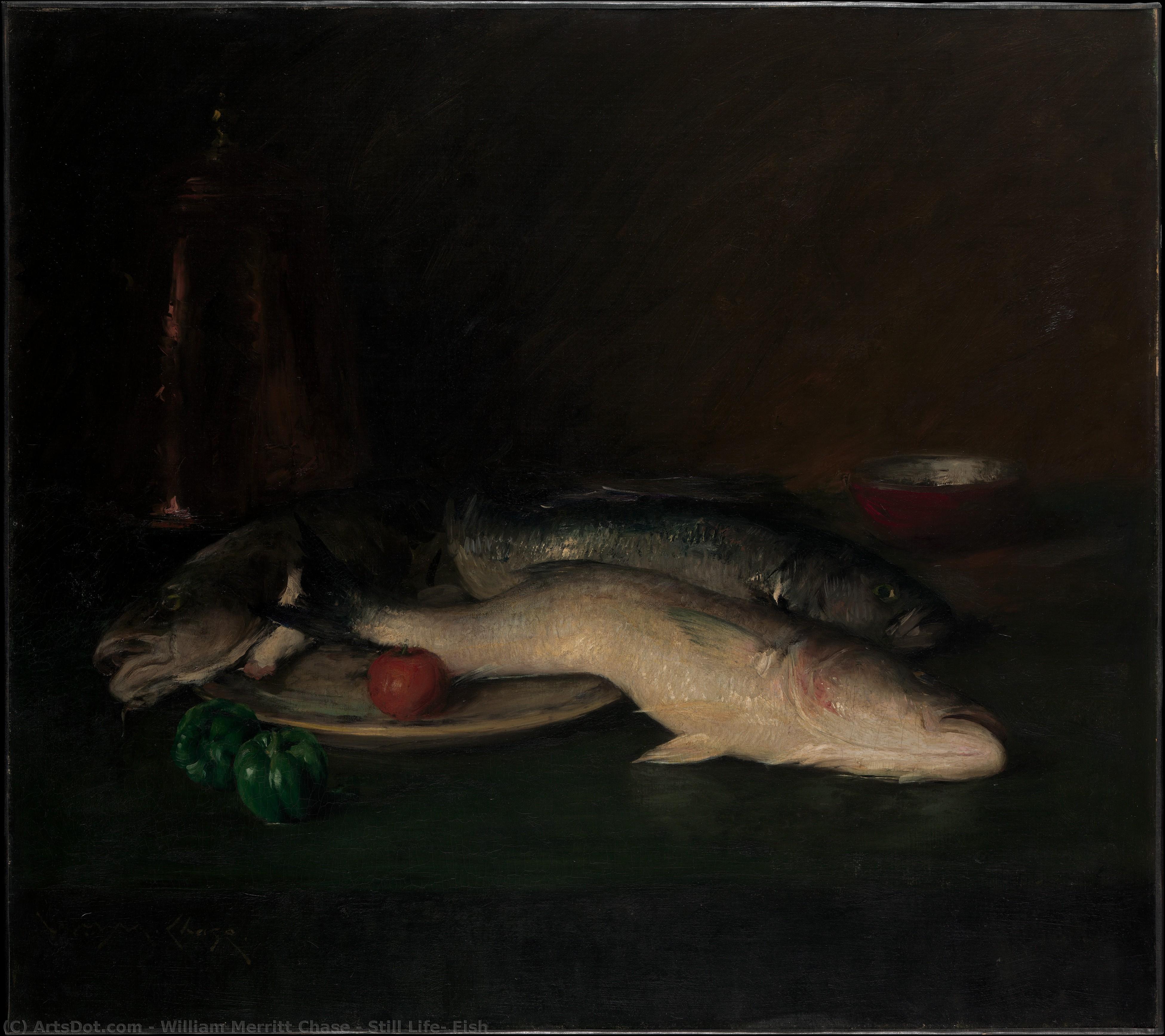
Still Life: Fish

Kézzel készített olajfestmény reprodukció

Kézzel festett olajvastú vászon, az Ön által választott méretben és keretben, művészeink készítik meglévőre. ( Váltás nyomtatványra Áttérés digitális képre)

A gyűjtemény leírása

William Merritt Chase's 'Still Life: Fish' (1908) captures a somber realism with expressive brushwork and dark tones. Explore the influence of Vollon & Spanish still lifes in this captivating study of fish, apples, and tabletop objects.

A művész életrajza

Fedezd fel a William Merritt Chase (1849-1916) amerikai impresszionista művészetét! Élénk portréit, tájképeit és örökségét – a Parsons School alapítója. Együtt jártunk a fényekkel!

előbb ·

1. fejezet

Mekkora méretű legyen?

Húzza a csúszkát a méret megváltoztatásához; a bal oldali kép a keret valós szélességét mutatja. Az eredeti arányok megmaradnak.

Standard méret
egyedi méretű
CM
INCH

Válasszon előre meghatározott méreteink közül, amelyek megfelelnek a műalkotás eredeti arányainak.

szélesség
magasság

Írja be a kívánt szélességet és magasságot, hogy illeszkedjen a keretéhez vagy a falához. Mivel ez kézzel festett alkotás, egy eltérő formájú méret esetén a művész akár festhet is valamivel többet a kép körül, vagy korolathat is belőle — az Ön döntésének megfelelően. A festés megkezdése előtt küldünk egy digitális tervezetet jóváhagyásra. Az oldalon látható kép nem tartalmazza a végeredményt — csak a tervezet mutatja meg a valódi eredményt.

2. fejezet

Hogyan érkezzen meg?

Válaszd ki a feszített vászon széleit

Válassza ki a keretet

Corner sample of the WhiteWrap canvas edge finish, stretched on tömörfa bars
Fehér Ft1
Corner sample of the BlurSideWrap canvas edge finish, stretched on tömörfa bars
Elmosódott szélek Ft1
Corner sample of the ExtendedWrap canvas edge finish, stretched on tömörfa bars
Kiterjesztett Ft1
Corner sample of the P118B picture frame: formázott polisztirol, 5 cm wide and 3 cm thick
P118B Ft10
Corner sample of the P118H picture frame: formázott polisztirol, 5 cm wide and 3 cm thick
P118H Ft10
Corner sample of the P118W picture frame: formázott polisztirol, 5 cm wide and 3 cm thick
P118W Ft10
Corner sample of the P438Z picture frame: formázott polisztirol, 5.5 cm wide and 3.5 cm thick
P438Z Ft10
Corner sample of the P508JH picture frame: formázott polisztirol, 7 cm wide and 3.5 cm thick
P508JH Ft12
Corner sample of the P508YH picture frame: formázott polisztirol, 7 cm wide and 3.5 cm thick
P508YH Ft12
Corner sample of the P805H picture frame: formázott polisztirol, 5 cm wide and 3.5 cm thick
P805H Ft10
Corner sample of the P805Z picture frame: formázott polisztirol, 5 cm wide and 3.5 cm thick
P805Z Ft10
Corner sample of the P919BZ picture frame: formázott polisztirol, 7 cm wide and 3.5 cm thick
P919BZ Ft10
Corner sample of the P919G picture frame: formázott polisztirol, 7 cm wide and 3.5 cm thick
P919G Ft10
Corner sample of the P919XJ picture frame: formázott polisztirol, 7 cm wide and 3.5 cm thick
P919XJ Ft10
Corner sample of the P959ZH picture frame: formázott polisztirol, 5 cm wide and 3 cm thick
P959ZH Ft10
Corner sample of the P968JZ picture frame: formázott polisztirol, 6 cm wide and 4 cm thick
P968JZ Ft12
Corner sample of the W106C picture frame: tömörfa, 5 cm wide and 3 cm thick
W106C Ft8
Corner sample of the W218G picture frame: tömörfa, 5 cm wide and 3 cm thick
W218G Ft10
Corner sample of the W218JH picture frame: tömörfa, 5 cm wide and 3 cm thick
W218JH Ft8
Corner sample of the W218Y picture frame: tömörfa, 5 cm wide and 3 cm thick
W218Y Ft10
Corner sample of the W307PJ picture frame: tömörfa, 6 cm wide and 3 cm thick
W307PJ Ft10
Corner sample of the W316G picture frame: tömörfa, 6 cm wide and 3 cm thick
W316G Ft10
Corner sample of the W316PJ picture frame: tömörfa, 6 cm wide and 3 cm thick
W316PJ Ft8
Corner sample of the W316Y picture frame: tömörfa, 6 cm wide and 3 cm thick
W316Y Ft10
Corner sample of the W398PJ picture frame: tömörfa, 5 cm wide and 3 cm thick
W398PJ Ft8
Corner sample of the W4111J picture frame: tömörfa, 6.5 cm wide and 3.5 cm thick
W4111J Ft10
Corner sample of the W500HY picture frame: tömörfa, 7 cm wide and 5 cm thick
W500HY Ft15
Corner sample of the W500JH picture frame: tömörfa, 7 cm wide and 5 cm thick
W500JH Ft15
Corner sample of the W692G picture frame: tömörfa, 8 cm wide and 4 cm thick
W692G Ft12
Corner sample of the W849H picture frame: tömörfa, 5 cm wide and 3 cm thick
W849H Ft8
Corner sample of the W940BG picture frame: tömörfa, 7.5 cm wide and 4.5 cm thick
W940BG Ft15
Corner sample of the W953PJ picture frame: tömörfa, 6 cm wide and 3.5 cm thick
W953PJ Ft8
Corner sample of the H24-GOLD picture frame: faragott fa gesszóval, 10 cm wide and 6 cm thick
H24-GOLD Ft30
Corner sample of the H24-SILVER picture frame: faragott fa gesszóval, 10 cm wide and 6 cm thick
H24-SILVER Ft30
Corner sample of the H36-GOLD picture frame: faragott fa gesszóval, 15 cm wide and 6.5 cm thick
H36-GOLD Ft45
Corner sample of the H36-SILVER picture frame: faragott fa gesszóval, 15 cm wide and 6.5 cm thick
H36-SILVER Ft45

Keretprofil: . A kerettel együtt vett teljes méret: .

3. fejezet

Ki festi, és változtatni kellene-e bármit?

Példák a módosíthatóságra: Az arc kicserélése a vásárló fotójára; háziállat hozzáadása (pl. macska kicserélése kutyára); rejtett üzenet elhelyezése a háttérben; a háttér tájéképének vagy elemeinek megváltoztatása.
A megrendelést követően a OriginalUniqueArt.com csapat e-mailt küld a vásárlónak az instrukciókkal, és biztosítja a tervezeti előnézetet

Világszerte elérhető szállítás () 3-4 hét alatt a szokásos 5 hét helyett. (6 november). A minőség nem kérdőjelezhető.

4. fejezet

Az utolsó finomhangolás

Egy felirat, mint egy múzeumban?

A gravírozott bronztábla részletei

This elegant plaque features the artist's name and the title of the artwork, finely engraved for a timeless presentation.

It is made from bronze with a refined, elegant finish. The text is precisely laser-engraved for a sharp and permanent result. Measuring 9x2 cm, the plaque is compact yet easy to read. It's built to be durable and scratch-resistant, offering a professional, museum-quality look. Mounting is simple thanks to the included adhesive backing.

Átlátszó akril tábla részletei

The plaque includes essential engraved details such as the artist's name, the title of the artwork, the date it was created, the type of media used-like oil on canvas or watercolor-a brief description of the piece, and a QR code that links to the complete artwork information.

It is crafted from clear acrylic, offering a sleek, modern appearance. The text is UV-engraved in black to ensure strong visual contrast. With a size of 10x15 cm, it ensures optimal readability. It comes equipped with two metal hooks for secure wall mounting. The plaque is designed to be weather-resistant, making it suitable for various environments, and it includes interactive features that work seamlessly with smartphone scanning.

Fekete akril tábla részletei

This elegant plaque includes engraved information such as the artist's name, the title of the artwork, the date it was created, the type of media used (like oil on canvas or watercolor), a short description of the artwork, and a QR code for quick access to more information.

The plaque itself is made from refined black acrylic with a premium finish. The text is laser-engraved in white for high contrast and readability. Its size is 10x15 cm, designed to be easy to read. It comes with two metal hooks for professional mounting. The design is sleek and fits any interior style. It is also weather-resistant and durable, with built-in digital integration for mobile compatibility.

Egy védőréteg?

Mikor lenne szüksége rá?

5. fejezet

Az Ön által megrendelt festmény

Still Life: Fish

Reprodukciós technika

Reprodukció mérete

-

Kiváló mesterművész

Nagyobb részletesség, finomság és bővített gyártási idő

-

Reprodukció keretezése

-

-

A bármely oldalsó méretét túlszálaló 105 cm (kb. 41 hüvelyk) meghaladó műalkotások vagy reprodukciók esetében a keret összeszerelhető készletként, szétszerelve kerül szállításra. Ez a módszer biztosítja a biztonságos szállítást, és megakadályozza a szállítás során fellépő sérüléseket.

Szakmész összeszerelést igényel – ez nem DIY (önösszeszerelhető) termék.
A készletet egy tapasztalt keretező szakembernek kell összeszerelnie és a vásznat feszítenie kell, fa ragasztó (nem tartalmazza a csomag), vásznfeszítő fogó és szorítók használatával, amelyek a ragasztó száradásáig a keretrészeket egymáshoz vuôngjba tartják. A helytelen összeszerelés vagy a nem egyenletes vásznfeszítés maradandó károsíthatja a műalkotást, és ez nem része a garanciánknak.

  • A készlet tartalmazza az összes tömörfa rudat, pontosan méretre vágva.

  • A mellékelt csavarokkal, valamint a sarokszerekhez szükséges faütő ragasztóval kell összeszerelnie (ez nem tartalmazható a csomagban), így a keretrendezőnek külön kell beszereznie.

  • A csomag nem tartalmazza a szükséges professzionális eszközöket: egy vászonfeszítőt és klipseket a rácsok vízszintes tartásához a ragasztó megszáradásáig.

Fontos:
A sarokcsatlakozásokhoz fánylagra van szükség, a keretrudakat szorítókapcsokkal kell rögzíteni, amíg a rag teljesen meg nem szárad, a kész keretre feszített vászonhoz pedig vászonfeszítő fogat szükséges. Ezek egyike sem található meg a készletben. Kérjük, rendelés előtt győződjön meg róla, hogy rendelkezik tapasztalt keretező szakemberrel.

Névtábla

-

-

Védőréteg (Lakk)

Fényes lakk (intenzívabb színek, védelem a fény és a nedvesség hatása ellen)

-

Műalkotásom egyedi igényre szabása

Példák a módosíthatóságra: az arc kicserélése az ügyfél fotójára; háziállat hozzáadása (pl. macska helyett kutya); rejtett üzenet elhelyezése a háttérben; a háttér tájainak vagy elemeinek megváltoztatása.

-

Sürgős

Világszerte szóló szállítás () mindössze 3-4 hét alatt, a szokásos 5 hét helyett. (6 november). A minőség nem kérdőjelezhető.

-

Express szállítás

Világszerte elérhető szállítás területre 5 héten belül. (13 november).

A szállítás díja tartalmazza

Összesített ár

Ft 98120

Összesített ár Ft 98120

Az üvegkeretes opció csak 110 cm alatti méretben érhető el

Minden rendelés mellé tartalmazva

  • Ingyenes globális expressz szállítás
  • Prémium minőségű len vászon
  • Teljes körű szállítási biztosítás
  • Vámvisszatérítési Garancia
  • Hiteles színarányosság garancia
  • 100 napos visszaküldési lehetőség (csak hibás termékek esetén)
  • 100% pénzvisszatérítési garancia
  • Több darab vásárlásakor kedvezmény

A Moment Frozen in Time: The Allure of Chase’s Still Life

William Merritt Chase's "Still Life: Fish," painted in 1908, isn’t merely a depiction of fruit and fish; it’s a carefully constructed tableau that invites contemplation. This work, executed during a period when Chase was deeply influenced by European artistic traditions – particularly the bold brushwork and somber palettes of his Munich contemporaries like Antoine Vollon – offers a glimpse into the evolving landscape of American art at the turn of the 20th century. The painting’s quiet intensity stems from its masterful use of light, shadow, and texture, creating an atmosphere both familiar and subtly unsettling.

The Language of Form: Composition, Color, and Technique

  • Compositional Harmony: The arrangement is deceptively simple yet profoundly effective. A tabletop anchors the scene, providing a horizontal plane for the carefully placed objects – a striped bass and salmon resting on a plate, alongside an apple and peppers. The diagonal line created by the fish’s curves draws the eye through the composition, while the bowl in the background subtly deepens the space.
  • A Palette of Shadows: Chase employs a masterful dark palette dominated by browns, greens, and grays, evoking a mood of quiet reflection. Subtle highlights – the silver sheen on the fish’s scales and the blush of the apple – provide delicate points of contrast, preventing the scene from becoming entirely bleak.
  • Impasto's Embrace: Chase’s technique is characterized by a generous application of oil paint, utilizing impasto to build up thick layers of texture across the canvas. This tactile approach brings the objects to life, emphasizing their wetness and solidity. The visible brushstrokes aren’t concealed; they are integral to the painting’s expressive power.

Echoes of Tradition: Influences and Symbolism

“Still Life: Fish” is deeply rooted in artistic tradition, drawing inspiration from both Spanish still life paintings – a style championed by Vollon – and the burgeoning Impressionist movement. The influence of Spanish masters is evident in the dramatic lighting and the emphasis on capturing the textures of perishable objects. However, Chase’s work transcends mere imitation; he imbues these familiar subjects with a distinctly American sensibility. The abundance of fish itself can be interpreted as a symbol of prosperity or sustenance, yet it also carries a hint of melancholy – perhaps reflecting the fleeting nature of beauty and life itself.

Beyond the Surface: A Window into Chase’s Vision

Writing in 1917, art connoisseur Leo Stein observed that Chase's fish paintings were “the most expressive” among non-sentimental still lifes. This insight speaks to the artist’s ability to transform a commonplace subject into something deeply engaging. Chase wasn’t simply depicting objects; he was striving to capture their essence – their weight, texture, and inherent drama. The painting's loose brushwork and dynamic composition suggest a deliberate attempt to convey a sense of immediacy and spontaneity, as if the artist were capturing a fleeting moment in time. A reproduction of “Still Life: Fish” offers a remarkable opportunity to experience Chase’s artistic vision firsthand – a testament to his skill and a poignant reminder of the beauty that can be found in the ordinary.

Kérdések és válaszok

Mit ábrázol a "Still Life: Fish"?

A „Still Life: Fish”, William Merritt Chase alkotása alkotás témái közé tartozik a still life, fish, brushwork, palette, tabletop, abundance, reflection. Ezek együtt foglalják össze a mű tárgyát.

Hol találhatok olyan műalkotásokat, amelyek hasonlóak a(z) „Still Life: Fish”, William Merritt Chase alkotása alkotáshoz?

A „Still Life: Fish”, William Merritt Chase alkotása alkotással hasonló műalkotások a(z) Hasonló alkotások oldalon találhatók.

Hol tekinthető meg a(z) "Still Life: Fish" előnézete?

A „Still Life: Fish”, William Merritt Chase alkotása reprodukciójának megtekintéséhez nyissa meg a mű Előnézet oldalát.

Több információ erről a festményről

Megtekintés AR előnézet Váltás nyomtatványra Áttérés digitális képre Küldés
Részletek Útmutató Kedvencekhez ad Letöltés Hasonló darabok X-ray felvétel Diavetítés Kérdések és válaszok Statisztika

Számokban kifejezve

  • 1908a festés éve
  • 29választható keretek
  • standard méretek, saját arányokkal
  • 5hetek a festésre és a kézbesítésre
William Merritt Chase

William Merritt Chase

1849 - 1916, Egyesült Államok

Gyors információk William Merritt Chase művészről

  • Artistic Movement Or Style: Impressionista
  • Artists Or Movements Influenced By This Artist: ['Wayman Elbridge Adams']
  • Artists Who Influenced This Artist: ['Jean-Léon Gérôme']
  • Date Of Birth: November 1, 1849
  • Date Of Death: October 25, 1916
  • Full Name: William Merritt Chase
  • Nationality: Amerikai
  • Notable Artworks:
    • Keying Up
    • Idle Hours
    • A Study in Curves
  • Place Of Birth: Nineveh, USA

A művész életrajza

A Life Painted in Light: The World of William Merritt Chase

William Merritt Chase, a name synonymous with the blossoming of American Impressionism, was more than just a painter; he was a pivotal force in shaping the nation’s artistic identity at the turn of the 20th century. Born on November 1, 1849, in the humble surroundings of Williamsburg (later Nineveh), Indiana, Chase's journey from rural beginnings to becoming a celebrated artist and influential educator is a testament to his unwavering dedication and innate talent. His early life was marked by a familial relocation to Indianapolis in 1861, where he initially assisted in his father’s business ventures. However, even amidst these practical obligations, the seeds of artistic passion were sown, nurtured by studies with local instructors Barton S. Hays and Jacob Cox. This foundational training ignited a desire for further exploration, leading him briefly into naval service before ultimately gravitating towards the vibrant art scene of New York City in 1869. There, under the tutelage of Joseph Oriel Eaton at the National Academy of Design, and later Lemuell Wilmarth, a student of Jean-Léon Gérôme, Chase began to hone his skills, laying the groundwork for a career that would redefine American painting. A temporary financial setback forced a move to Saint Louis in 1870, but even this challenge proved fruitful, allowing him to establish himself within the local art community and gain recognition for his burgeoning talent.

From Academic Roots to Impressionistic Brilliance

Chase’s artistic development was not a sudden leap into Impressionism, but rather a gradual evolution informed by rigorous academic training and extensive travels abroad. A crucial turning point came with his extended sojourn in Munich beginning in 1872, where he studied at the Academy of Fine Arts under Alexander von Wagner and Karl von Piloty. This period instilled in him a mastery of traditional techniques and a penchant for dramatic compositions, yet it was during a subsequent visit to Venice with fellow American artists Frank Duveneck and John Twachtman that Chase began to embrace a more liberated approach to painting. Inspired by the luminous light and vibrant colors of the Italian landscape, he started experimenting with looser brushwork and a heightened sensitivity to atmospheric effects. He found himself drawn to the works of masters like Peter Paul Rubens and Frans Hals, absorbing their dynamic energy and masterful use of color. This exposure significantly influenced his later style, particularly in his depictions of urban scenes and portraits. Upon his return to New York in 1878, Chase fully embraced Impressionistic principles, capturing fleeting moments of modern life with an energetic and captivating style. Works like Keying Up – The Court Jester (1876), exhibited to critical acclaim at the Boston Art Club and Philadelphia Centennial Exposition, showcased his ability to convey movement and personality through bold brushstrokes and a dynamic composition. He continued to explore diverse subjects—striking portraits such as Portrait of Virginia Gerson, evocative landscapes like Gowanus Bay (aka Misty Day, Gowanus Bay), and scenes depicting the vibrancy of urban life, including Alice Fernandez. Other notable works include “A Friendly Call,” “A Study in Curves,” and “Terrace at the Mall, Central Park.”

The Educator: Shaping a Generation of Artists

Beyond his accomplishments as a painter, William Merritt Chase left an indelible mark on American art through his dedication to teaching. Recognizing the need for innovative art education, he founded the Chase School in New York City in 1896, which later evolved into Parsons The New School for Design. This institution became a breeding ground for artistic talent, emphasizing direct observation, technical proficiency, and creative experimentation. Unlike many of his contemporaries who favored rigid academic instruction, Chase encouraged his students to develop their individual voices and explore diverse styles. He held teaching positions at the Pennsylvania Academy of the Fine Arts, the Art Students League, and the Brooklyn Art Association, disseminating his artistic philosophy far and wide. His influence extended to numerous artists, including Wayman Elbridge Adams, who openly acknowledged Chase as a mentor. The emphasis on plein air painting—painting outdoors directly from nature—became a cornerstone of his pedagogical approach, fostering a deeper connection between students and their subjects. He believed that true artistry stemmed from understanding the world around them, not merely replicating it from memory or textbooks.

A Palette of Influences: From Old Masters to Modern Life

Chase’s artistic style was remarkably eclectic, reflecting a deep appreciation for diverse influences. Initially trained in academic realism, he quickly absorbed elements of German Romanticism and the dramatic chiaroscuro favored by artists like Gustave Courbet. However, it was his time in Venice that truly unlocked his Impressionistic potential. The vibrant light and atmospheric effects of the Italian landscape profoundly impacted his approach to color and composition. He also drew inspiration from American Realist painters such as Kenyon Cox, whose depictions of everyday life resonated with Chase’s desire to capture the spirit of his era. Furthermore, he was influenced by the works of Japanese woodblock prints, particularly their use of bold outlines and flattened perspectives. This confluence of influences—from Old Master techniques to modern aesthetics—resulted in a uniquely American style characterized by its energy, spontaneity, and emotional depth.

Legacy and Historical Significance

William Merritt Chase’s place in American art history is secure. He bridged the gap between established academic traditions and the burgeoning Impressionist movement, contributing significantly to the development of a distinctly American artistic identity. His commitment to capturing the essence of modern life—the bustling cityscapes, intimate domestic interiors, and leisurely pursuits of his time—resonated with audiences eager for a new visual language. While his later years saw a temporary eclipse in critical recognition, his work has experienced a resurgence in recent decades, solidifying his reputation as one of America’s most important and influential artists. He wasn't merely documenting scenes; he was interpreting the spirit of an evolving nation through the vibrant lens of Impressionism. His legacy extends beyond his canvases to the countless artists he inspired, ensuring that his innovative approach to painting continues to shape the landscape of American art for generations to come.

Gyors információk

  • Subject or theme: Still life, Fish
  • Year: 1908
  • Movement: Impressionism
  • Influences:
    • Vollon
    • Spanish still lifes
  • Artist: William Chase

Művészeti kvíz

Minden kérdésre csak egy helyes válasz létezik.

Kérdés 1:
According to the description, what artistic movement heavily influenced William Merritt Chase’s ‘Still Life: Fish’?
Kérdés 2:
What is the dominant color palette used in ‘Still Life: Fish’?
Kérdés 3:
The description mentions Chase’s goal in creating this painting. What was that goal?
Kérdés 4:
What technique is most prominently used by Chase to create texture in ‘Still Life: Fish’?
Kérdés 5:
The lighting in ‘Still Life: Fish’ is described as coming from an unseen source. What effect does this create?