
 Küldés
 Megosztás
 Részletek
 Útmutató

 Letöltés
 Hasonló darabok
 Diavetítés
 Kérdések és válaszok
 Statisztika
Figure Lying on its Side (No.5)


 Összes részlet megjelenítése
Az ezen az oldalon megjelenített műalkotások szerzői jogi védelem alatt állnak, ami azt jelenti, hogy törvényileg nem készíthetünk és nem adhatunk el belőlük pontos másolatokat. Ez a védelem olyan nemzetközi megállapodások alapján érvényesül, mint például a Berni Egyezmény és a nemzeti jogszabályok által, beleértve azokat is, amelyeket meghatározott Az USA szerzői jogi törvénye – 17. cím.
Ez a módszer teljes mértékben megfelel a szerzői jogi szabályozásnak, mivel nem tartalmazza a védett műalkotás másolását vagy duplikálását. Ehelyett ez egy kreatív újinterpretáció – egy új festmény, amely az eredetivel való összefüggései miatt hatással van rá, de nem az az.
Giclée / Műnyomat
Múzeumi minőségű giclée vagy vászonnyomat, gyors gyártással és rugalmas finomítási lehetőségekkel. ( Kézzel festett másolat rendelése Áttérés digitális képre)




































Válasszon előre meghatározott méreteink közül, amelyek megfelelnek a műalkotás eredeti arányainak.

Írja be a keretének vagy a falának megfelelő szélességet és magasságot. A nyomatot csak le lehet vágni, soha nem tehető nagyobbá, mint az eredeti kép, így egy eltérő alakú méretnél a kép egy része elveszik. Mielőtt bármit kinyatintanánk, küldünk egy digitális próbamodellt jóváhagyásra. Az oldalon látható kép nem tartalmazza a valós levágást — ezt csak a próbamodell mutatja meg.
Világszerte történő kiszállítás területére mindössze 2 hét alatt, a szokásos 4-5 hét helyett. (9 november)

Ingyenes globális expressz szállítás

Prémium minőségű len vászon

Teljes körű szállítási biztosítás

Vámvisszatérítési Garancia

Hiteles színarányosság garancia

100 napos visszaküldési lehetőség (csak hibás termékek esetén)

100% pénzvisszatérítési garancia

Több darab vásárlásakor kedvezmény
 Az üvegkeretes opció csak 110 cm alatti méretben érhető el

Figure Lying on its Side (No.5)
Giclée / Műnyomat
Reprodukció mérete
-


Összesített ár
Ft 26397
The Poetics of Form: Encountering Armitage’s Bronze Vision
In the quiet presence of Figure Lying on its Side (No.5), one is immediately struck by the profound dialogue between weight and vulnerability. Created in 1957 by the master of British post-war sculpture, William Kenneth Armitage, this bronze work serves as a testament to the artist's ability to transmute cold metal into a breathing, emotive entity. The sculpture captures a moment of profound stillness, where the human form is stripped of its social identity and reduced to its most essential, geometric truths. As the eye wanders over the textured surface, the interplay of light and shadow across the bronze creates a sense of movement within stasis, inviting the viewer into a contemplative space that feels both deeply personal and universally resonant.
The technique employed by Armitage reflects his mastery of the semi-abstract tradition. Rather than adhering to strict anatomical realism, he utilizes a rugged, almost tactile approach to the bronze medium. The surface of the sculpture bears the marks of its creation, with a weathered, slightly oxidized patina that suggests the passage of time and the enduring nature of the human spirit. This deliberate roughness avoids the polished sterility of classical works, opting instead for an organic complexity that mirrors the unpredictability of life itself. For the discerning collector or interior designer, this piece offers a sophisticated textural element, providing a focal point that commands attention through its raw, unpretentious elegance.
A Legacy of Resilience and Geometry
To understand the emotional gravity of Figure Lying on its Side (No.5), one must look to the historical landscape from which it emerged. Armitage, a product of both the industrial grit of Leeds and the rigorous training of the Slade School, worked during an era often characterized by the "geometry of fear." This stylistic movement sought to express the underlying anxieties of a post-war world through fragmented and distorted forms. In this specific work, the reclining figure becomes a symbol of both exhaustion and peace—a momentary respite from the tensions of the mid-20th century. The way the limbs are positioned suggests a surrender to gravity, yet there is an inherent strength in the structural integrity of the bronze composition.
Integrating such a masterpiece into a curated space allows for a sophisticated layering of history and emotion. Whether placed in a minimalist contemporary gallery or a richly textured classical study, the sculpture acts as an anchor of intellectual depth. It does not merely occupy space; it defines it. For those seeking to acquire a high-quality reproduction, this piece offers the opportunity to possess a fragment of British sculptural history—a work that continues to whisper stories of resilience, beauty, and the enduring mystery of the human condition.
Kérdések és válaszok
Mennyire intenzívek a "Figure Lying on its Side (No.5)" színei?
A "Figure Lying on its Side (No.5)" színe Muted telítettségű és Monochromatic intenzitású.
Hogyan ötvöli a technika és a stílus magát a "Figure Lying on its Side (No.5)" alkotást?
A "Figure Lying on its Side (No.5)" alkotás Bronze technikával készült, a Modernism stílusban.
Milyen más nevét vagy álneveit használ még William Kenneth Armitage?
William Kenneth Armitage más néven is ismert: Kenneth Armitage, William Armitage.
A művész életrajza
A Life Sculpted in Bronze: The World of Kenneth Armitage
William Kenneth Armitage, known to the art world as Kenneth Armitage, emerged from the industrial heartland of Leeds, England, in 1916, a year steeped in the shadows of the First World War. His journey toward becoming one of Britain’s most significant sculptors of the 20th century was not predetermined but forged through dedication, artistic exploration, and the disruptive forces of global conflict. Early talent blossomed at Leeds College of Art from 1934 to 1937, a foundation upon which he built further skills at the prestigious Slade School of Fine Art in London until 1939. However, the looming specter of war interrupted his studies as he answered the call to serve in the Royal Artillery. This period undoubtedly shaped his perspective, instilling a sense of resilience and perhaps contributing to the underlying tension often perceived within his work. Following demobilization, Armitage found himself drawn to education, taking on a pivotal role at the Bath Academy of Art from 1946 to 1956, where he headed the sculpture department, nurturing a new generation of artists while simultaneously refining his own distinctive style.The Geometry of Fear and Human Form
Armitage’s artistic signature lies in his compelling exploration of the human figure rendered primarily in bronze. He didn't seek to replicate reality but rather to distill it, stripping away extraneous detail to reveal the essence of form and emotion. His sculptures are characterized by a semi-abstract quality; figures remain recognizable as human, yet they are simplified, stylized, and often fragmented. This wasn’t merely an aesthetic choice but a deliberate attempt to convey a sense of vulnerability and existential questioning that resonated with the post-war climate. Geometric shapes play a crucial role in his visual language, lending structure and a certain austerity to his figures. Critics coined the term ‘Geometry of Fear’ to describe the work of Armitage alongside contemporaries like Lynn Chadwick and Henry Moore, recognizing a shared preoccupation with anxiety, alienation, and the fragility of human existence. However, while acknowledging Moore's profound influence – particularly his exploration of the human form in space – Armitage forged his own path, embracing a more angular, geometric approach that set him apart. The echoes of ancient art also resonate within his work; he drew inspiration from the simplified forms and archaic qualities found in Ancient Egyptian and Cycladic sculptures, imbuing his pieces with a timeless quality.Recognition and Lasting Legacy
Throughout his career, Armitage received significant recognition for his contributions to British sculpture. A watershed moment arrived in 1958 when he was awarded Best International Sculpture under Age 45 at the Venice Biennale – an accolade that propelled him onto the international stage. This success was followed by further honors, including appointment as a Commander of the Order of the British Empire (CBE) in 1969 and election as an Associate Royal Academician in 1994. However, perhaps his most poignant legacy is embodied in “Both Arms,” unveiled in Millennium Square, Leeds, in 2001 with Nelson Mandela himself performing the honors. This sculpture became an instant landmark, a powerful symbol of reconciliation and hope for the city he called home. Other notable works like "Figure Lying on its Side (Version V)" – part of the British Council Collection – and “Legs Walking,” erected in City Square, Leeds, in 2018, continue to captivate audiences with their evocative forms and enduring themes.A Continuing Dialogue
Kenneth Armitage passed away in London in 2002, leaving behind a rich artistic legacy that continues to inspire and provoke thought. His sculptures are celebrated not only for their aesthetic qualities but also for their ability to tap into universal human emotions – anxiety, loneliness, resilience, and the search for meaning. He wasn’t simply creating objects; he was initiating a dialogue about what it means to be human in a complex and often unsettling world. His work stands as a testament to the power of art to reflect, challenge, and ultimately transcend the limitations of our time. Today, his pieces are exhibited in major museums and public spaces across the UK and internationally, ensuring that his unique vision continues to resonate with generations to come. Armitage’s influence can be seen in the work of contemporary sculptors who continue to explore the boundaries between abstraction and figuration, demonstrating the enduring relevance of his artistic innovations.
William Kenneth Armitage
1916 - 2002 , United Kingdom
Rövid információk
- Full Name: William Kenneth Armitage
- Nationality: British
- Date Of Birth: 1916
- Date Of Death: 2002
- Place Of Birth: Leeds, United Kingdom
- Notable Artworks:
- Both Arms
- Mother and Child
- Legs Walking
- Artistic Movement Or Style: Semi-abstract sculpture
- Artists Who Influenced This Artist:
- Henry Moore
- Barbara Hepworth
- Artists Or Movements Influenced By This Artist: Abstract figurative art
Kapcsolódó cikkek

A művészettörténet 10 legikonikusabb bronzszobra – OriginalUniqueArt.com
Fedezze fel a művészettörténet 10 legikonikusabb bronzszobrát! Ismerje meg Rodin, Michelangelo és más mesterek alkotásait. Luxus minőségű reprodukciók otthonába – OriginalUniqueArt.com.
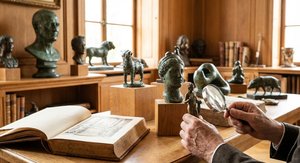
The Enduring Legacy of Bronze Sculpture: A Collector's Guide to Form & Cultural Significance
Explore the rich history & enduring appeal of bronze sculpture with expert insights for collectors at OriginalUniqueArt. Learn about casting techniques, iconic artists, and collecting tips to build a discerning art collection.
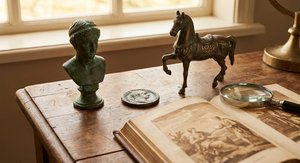
The Enduring Legacy of Bronze: A Historical & Artistic Exploration for the Collector
Explore the rich history & enduring appeal of bronze sculpture with expert insights for collectors at OriginalUniqueArt. Learn about casting techniques, iconic artists, collecting tips & contemporary interpretations.

A művészettörténet 10 legikonikusabb bronzszobra – OriginalUniqueArt.com
Fedezze fel a művészettörténet 10 legikonikusabb bronzszobrát! Ismerje meg Rodint, Michelangelót és más mestereket. Luxus minőségű nyomatok otthonába – OriginalUniqueArt.com.

Geometrikus Absztrakció Mesterei: 10 Alapvető Műalkotás a Lakberendezéshez
Fedezze fel a geometrikus absztrakció 10 legikonikusabb műalkotását! Kandinsky, Mondrian és más mesterek festményeinek története inspirálja otthona dekorációját. Múzeumi minőségű reprodukciók a OriginalUniqueArt.com-on – fedezze fel online!