
 Megtekintés
 Küldés
 Megosztás
 Részletek
 Útmutató

 Letöltés
 Hasonló darabok
 X-ray felvétel
 Diavetítés
 Q&A
Q&A Statisztika
Mahone Bay


 Összes részlet megjelenítése
Giclée / Műnyomat
Múzeumi minőségű giclée vagy vászonnyomat, gyors gyártással és rugalmas finomítási lehetőségekkel. ( Kézzel festett másolat rendelése Áttérés digitális képre)




P118B Ft10

P118H Ft10

P118W Ft10

P438Z Ft10

P508JH Ft12

P508YH Ft12

P805H Ft10

P805Z Ft10

P919BZ Ft10

P919G Ft10

P919XJ Ft10

P959ZH Ft10

P968JZ Ft12

W106C Ft8

W218G Ft10

W218JH Ft8

W218Y Ft10

W307PJ Ft10

W316G Ft10

W316PJ Ft8

W316Y Ft10

W398PJ Ft8

W4111J Ft10

W500HY Ft15

W500JH Ft15

W692G Ft12

W849H Ft8

W940BG Ft15

W953PJ Ft8




Válasszon előre meghatározott méreteink közül, amelyek megfelelnek a műalkotás eredeti arányainak.

Írja be a keretének vagy a falának megfelelő szélességet és magasságot. A nyomatot csak le lehet vágni, soha nem tehető nagyobbá, mint az eredeti kép, így egy eltérő alakú méretnél a kép egy része elveszik. Mielőtt bármit kinyatintanánk, küldünk egy digitális próbamodellt jóváhagyásra. Az oldalon látható kép nem tartalmazza a valós levágást — ezt csak a próbamodell mutatja meg.
Világszerte történő kiszállítás területére mindössze 2 hét alatt, a szokásos 4-5 hét helyett. (2 november)

Ingyenes globális expressz szállítás

Prémium minőségű len vászon

Teljes körű szállítási biztosítás

Vámvisszatérítési Garancia

Hiteles színarányosság garancia

100 napos visszaküldési lehetőség (csak hibás termékek esetén)

100% pénzvisszatérítési garancia

Több darab vásárlásakor kedvezmény
 Az üvegkeretes opció csak 110 cm alatti méretben érhető el

Mahone Bay
Giclée / Műnyomat
Reprodukció mérete
-


Összesített ár
Ft 26198
A Serene Symphony of Light and Water
In the gentle embrace of 1911, William James Glackens captured a moment of profound tranquility in his masterpiece, Mahone Bay. This exquisite oil on canvas serves as a window into a world where time seems to slow, inviting the viewer to drift alongside the graceful sailboats that populate the harbor. As a prominent figure in American Impressionism, Glackens moves beyond mere documentation of a coastal scene, instead weaving a tapestry of light and atmosphere that resonates with an enduring sense of peace. The composition is masterfully balanced; the rhythmic arrangement of vessels, some anchored near the shore and others venturing toward the horizon, creates a visual melody that guides the eye through the shimmering expanse of the bay.
The painting breathes with the vitality of a coastal community in motion. Scattered throughout the landscape, small figures appear as part of the natural rhythm of the harbor, tending to their boats or simply basking in the afternoon glow. This subtle infusion of human presence prevents the scene from feeling static, adding a layer of narrative warmth that suggests a shared, quiet joy found in the simplicity of maritime life. For the collector or interior designer, this piece offers more than just a depiction of nature; it provides an emotional anchor, a way to introduce a sense of serenity and timelessness into any curated space.
The Impressionist Touch: Technique and Color
Glackens’ technical prowess is on full display through his use of bold, expressive brushstrokes that lend the work a palpable texture. Eschewing the rigid lines of traditional realism, he employs the techniques of the Impressionist movement to capture the fleeting qualities of light reflecting off the water's surface. The palette is dominated by warm, luminous tones that evoke the soft glow of a sun-drenched afternoon, creating an atmosphere that feels both nostalgic and vibrantly alive. This mastery of color allows the artist to suggest depth and distance, making the far reaches of the bay feel as vast and inviting as the foreground.
There is a profound connection to be found in Glackens' style, which echoes the coastal brilliance of artists like Eugène Louis Boudin. By focusing on the interplay between the sky, the water, and the man-made elements of the sailboats, Glackens achieves a harmonious unity. The painting does not merely show us a harbor; it allows us to feel the gentle movement of the tide and the warmth of the sun on our skin. For those seeking a high-quality reproduction, Mahone Bay stands as an evocative choice, offering a sophisticated blend of historical significance and aesthetic splendor that can transform a room into a sanctuary of light and color.
Kérdések és válaszok
Milyen fényerő ébreszt fel „Mahone Bay”, William James Glackens alkotása alkotást?
A megjelenő fényerő tekintetében a „Mahone Bay”, William James Glackens alkotása művének brilliant.
Hogyan illeszkedik a "Mahone Bay" William James Glackens témáiba és stílusába?
William James Glackens munkásságán belül a "Mahone Bay" a American Impressionism stílus képét képviseli, a influenced by renoir, american impressionism style, capturing everyday coastal life, mastery of light/color, transition from ashcan school témakörével összefüggésben.
Mennyi volt William James Glackens életkora, amikor a "Mahone Bay" készült?
William James Glackens 41 éves volt, amikor 1911 évben megalkotta a "Mahone Bay" alkotást. A korúsítás az alkotó születési évéből, 1870 fel основании került kiszámítva.
A művész életrajza
William James Glackens: A Pioneer of the Ashcan School
William James Glackens, a name synonymous with gritty realism and vibrant urban life in early 20th-century America, was more than just an artist; he was a documentarian of his time. Born in Philadelphia in 1870, his artistic journey began not within the hallowed halls of formal academies, but amidst the bustling streets and working-class neighborhoods that would become the very subject of his paintings. Glackens’ early years were marked by an innate talent for drawing, nurtured through self-study and a keen observation of the world around him – a foundation that would prove crucial to his later success as a leading figure in the Ashcan School movement.Early Influences and Artistic Training
Glackens' artistic development was profoundly shaped by several key influences. He initially attended the Pennsylvania Academy of the Fine Arts, where he studied under Thomas Anshutz, a renowned realist painter known for his meticulous depictions of everyday life. However, Glackens’ approach diverged from the more traditional academic style favored at the academy. Simultaneously, he found himself immersed in the world of newspaper illustration, working for publications like *The Philadelphia Record* and *The Philadelphia Press*. This experience proved invaluable, honing his skills in capturing fleeting moments and conveying a sense of immediacy – qualities that would later define his artistic vision. It was during this period that Glackens began to develop his distinctive style, characterized by bold brushstrokes, dark palettes, and an unflinching portrayal of the realities of urban existence.The Ashcan School and Urban Realism
Glackens’ most significant contribution to American art lies in his association with the Ashcan School. This movement, emerging around the turn of the 20th century, rejected the idealized subjects and polished techniques of academic painting, instead focusing on depicting contemporary life – often the less glamorous aspects – in a raw and honest manner. Artists like Robert Henri championed this approach, encouraging their followers to paint what they saw, where they saw it: the crowded streets, the bustling markets, the smoky bars, and the diverse faces of New York City and Philadelphia. Glackens embraced this ethos wholeheartedly, producing a prolific body of work that captured the energy, vitality, and sometimes-rough edges of urban America. His paintings weren’t romanticized fantasies; they were snapshots of real life, imbued with a sense of immediacy and authenticity.Notable Works and Artistic Evolution
Glackens' oeuvre is rich in memorable images, each reflecting his unique artistic vision. *Hammerstein’s Roof Garden* (1901) stands as a particularly significant work, capturing the vibrant atmosphere of a popular rooftop entertainment venue – a microcosm of urban life during a period of rapid social and technological change. His series depicting Coney Island, such as “Papa, Carry Me—Take Me Up in Your Arms,” offers glimpses into the leisure activities and social dynamics of working-class communities. Later in his career, Glackens’ style evolved, influenced by the Impressionist painter Pierre Auguste Renoir. He shifted towards brighter colors and softer brushstrokes, while continuing to explore themes of urban life and everyday experiences. His masterpiece, “The Shoppers,” exemplifies this transition, retaining a sense of realism while embracing a more luminous palette.Legacy and Historical Significance
William James Glackens’ legacy extends far beyond his individual paintings. He played a crucial role in shaping the course of American art by challenging conventional artistic norms and paving the way for future generations of realist painters. His work helped to elevate the status of urban life as a subject worthy of serious artistic attention, contributing significantly to the development of modern American painting. Furthermore, Glackens’ collaboration with Albert C. Barnes in acquiring European paintings for the Barnes Foundation enriched the collection and solidified its place as a cornerstone of American art history. Glackens' work continues to resonate today, offering a valuable window into the social and cultural landscape of early 20th-century America – a testament to his enduring artistic vision and his profound impact on the development of modern American painting.
William James Glackens
1870 - 1938 , Egyesült Államok
Rövid információk
- Artistic Movement Or Style: Ashcan School
- Artists Or Movements Influenced By This Artist: ['Pierre Auguste Renoir']
- Artists Who Influenced This Artist: ['Thomas Anshutz']
- Date Of Birth: Philadelphia, ÜSÁ (1870)
- Date Of Death: Westport, CT (1938)
- Full Name: William James Glackens
- Nationality: Amerikai
- Notable Artworks:
- A Nagy Ördög és Az Éjszaka Ruhával Megölt Nő
- Az Égi Üdvözítő
- Place Of Birth: Philadelphia
Kapcsolódó cikkek

Frederick Childe Hassam: American Impressionism's Chronicler of Light & Modern Life
Explore the captivating world of Frederick Childe Hassam, a pioneer of American Impressionism. Discover his iconic paintings capturing light, urban life & coastal beauty. Learn about his legacy and influence on American art history.
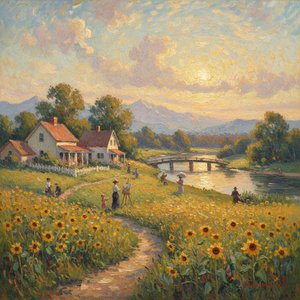
Capturing a Nation's Light: Exploring the American Impressionist Movement
Explore the captivating world of American Impressionism! Discover key artists, techniques & its lasting impact on art history. Find museum-quality reproductions and expert guidance at OriginalUniqueArt.

Claude Monet 25 Mesterműve: A Fény és a Szín Zsenialitása – OriginalUniqueArt.com
Fedezze fel Claude Monet 25 legikonikusabb mesterművét! Ismerje meg az impresszionizmus zseniális festőjének történetét, a fény és szín varázsát. Vásároljon exkluzív reprodukciókat otthona dekorációjához a OriginalUniqueArt.com-on!
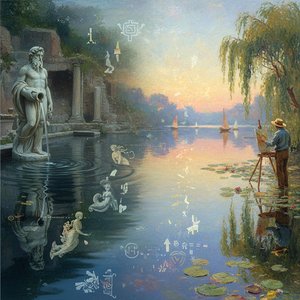
Fluid Reflections: Exploring Water's Symbolism in Art History – From Myth to Impressionism
Explore the rich symbolism of water in art history – from ancient myths to Impressionism's fleeting beauty. Discover masterpieces & find your perfect serene artwork with OriginalUniqueArt.com.

Grant Wood & American Regionalism: Identity, Myth & the Rural Landscape
Explore the world of Grant Wood & American Regionalism with OriginalUniqueArt. Discover the symbolism behind 'American Gothic', recurring themes, and the movement's lasting impact on art history. High-quality reproductions available.

