
 Küldés
 Megosztás
 Részletek

 Letöltés
 Hasonló darabok
 Diavetítés
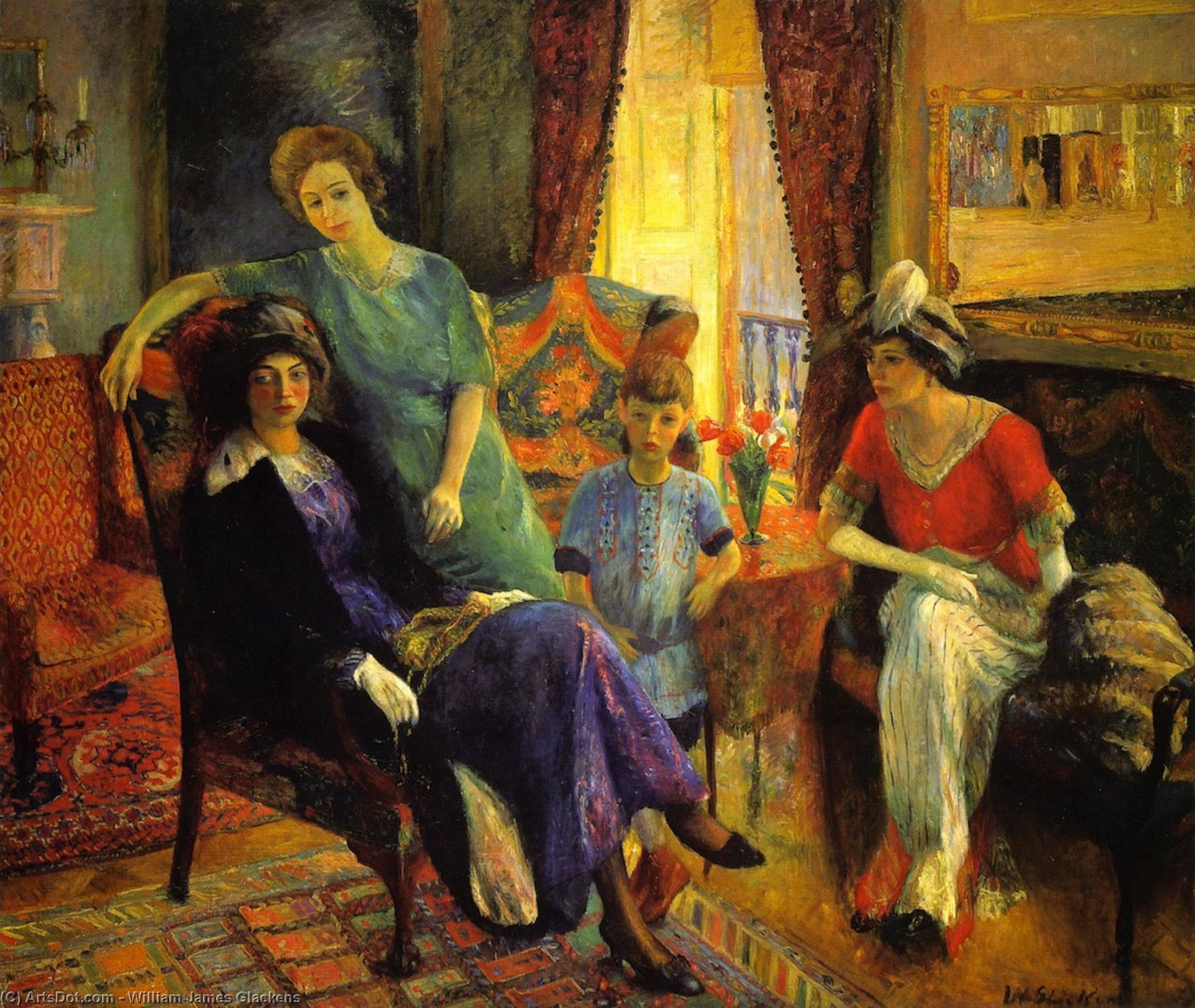
Family group


 Összes részlet megjelenítése
Giclée / Műnyomat
Múzeumi minőségű giclée vagy vászonnyomat, gyors gyártással és rugalmas finomítási lehetőségekkel. ( Kézzel festett másolat rendelése Kép letöltése)




































Válasszon előre meghatározott méreteink közül, amelyek megfelelnek a műalkotás eredeti arányainak.

Megadhat saját méreteket is egy konkrét kerethez vagy helyszínhez igazítva. Amennyiben a kiválasztott méret nem egyezik az eredeti kép arányokkal, a műalkotást le fogjuk vágni, vagy kiegészítjük a képet tükrözött vagy egyszínű szélekkel. A gyártás megkezdése előtt egy digitális tervezetet küldünk jóváhagyásra.
Kérjük, vegye figyelembe, hogy a képernyőn látható előnézet nem tükrözi a tényleges levágást vagy kiegészítést. Csak a tervezet mutatja pontosan a végső kompozíciót.
Bár az egyedi méretek is elérhetőek, az eredeti arányok megőrzése érdekében azt javasoljuk, hogy válasszon a előre meghatározott listából származó méretet.
Világszerte történő kiszállítás területére mindössze 2 hét alatt, a szokásos 4-5 hét helyett. (20 augusztus)

Ingyenes globális expressz szállítás

Prémium minőségű len vászon

Teljes körű szállítási biztosítás

Vámvisszatérítési Garancia

Hiteles színpontosság garancia

60 napos visszaküldési lehetőség (csak hibás termékek esetén)

100% pénzvisszatérítési garancia

Több darab vásárlása esetén kedvezmény
 Az üvegkeretes opció csak 110 cm alatti méretben érhető el

Family group
Giclée / Műnyomat
Reprodukció mérete
-


Összesített ár
$ 80
Gyűjthető leírása
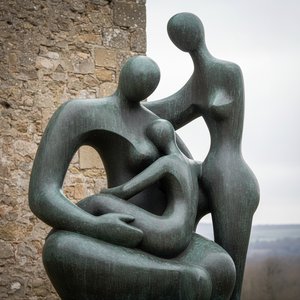
Family Group (1950) - Henry Moore
Henry Moore’s “Family Group,” created in 1950, stands as a cornerstone of British sculpture and exemplifies the artist's signature approach to exploring human form and its relationship with landscape. Commissioned for Barclay School in Stevenage, Hertfordshire, this monumental bronze embodies Moore’s profound belief that art should communicate universal themes of intimacy, vulnerability, and connection—themes powerfully conveyed through his distinctive reductive style.The Artist and His Style: A Pioneer of Organic Form
Henry Moore (1898-1976) was a transformative figure in 20th-century sculpture, rejecting the prevailing geometric abstraction of his time to champion an aesthetic rooted in nature’s contours. Influenced by Surrealism and African art—particularly sculptures depicting stylized human figures—Moore developed a technique known as “organic form,” characterized by simplified shapes that mimic natural forms like pebbles, shells, and tree trunks. This method prioritizes the underlying structure of matter, reducing complex shapes to essential geometric elements while retaining their expressive qualities. Moore’s meticulous attention to detail—evident in the subtle curves and indentations of his sculptures—created a tactile experience for viewers, inviting contemplation on the beauty and resilience of human existence.A Symbol of Family Unity: Composition and Narrative
“Family Group” depicts three figures seated on a bench – a woman, a man, and a child – representing the idealized image of a nuclear family. The sculpture’s deliberate arrangement—the figures leaning slightly back towards each other, their arms curving inwards—creates a sense of warmth and interdependence. Moore famously described this gesture as “the arms of the mother and the father intertwine with the child forming a knot between them, tying the three into a family unity.” This symbolic depiction speaks to fundamental human desires for connection and protection, resonating deeply with audiences across generations. The positioning of the figures—slightly elevated from the bench—suggests a sense of serenity and stability, mirroring the enduring strength of familial bonds.Technique and Material: Bronze Casting – A Legacy of Precision
Moore’s masterful use of bronze casting represents a triumph of craftsmanship and embodies the artist's commitment to exploring material qualities. The sculpture was created using the lost wax method—a technique dating back millennia—which involves creating a detailed clay model, investing it in wax, melting away the wax to create a mold, pouring molten bronze into the mold, and painstakingly removing the solidified metal to reveal the finished piece. This process ensures exceptional accuracy and surface finish, allowing for subtle variations in texture and color that enhance the sculpture’s visual impact. The resulting bronze possesses an inherent luminosity and solidity—a testament to Moore's dedication to capturing both form and substance—creating a timeless artwork that continues to inspire admiration and contemplation.Historical Context: Postwar Britain and Artistic Renewal
“Family Group” emerged during a period of significant artistic renewal in postwar Britain, following the devastation of World War II. The commission for Barclay School reflected a broader effort to revitalize public spaces and foster optimism about the future—themes powerfully expressed through Moore’s sculptural explorations of human form and natural landscapes. This artwork stands as an emblem of British resilience and creativity, demonstrating Moore's ability to translate complex philosophical ideas into emotionally resonant visual experiences. Its enduring appeal underscores the power of art to communicate universal values and inspire a sense of wonder about the beauty of the natural world.A művész életrajza
William James Glackens: A Pioneer of the Ashcan School
William James Glackens, a name synonymous with gritty realism and vibrant urban life in early 20th-century America, was more than just an artist; he was a documentarian of his time. Born in Philadelphia in 1870, his artistic journey began not within the hallowed halls of formal academies, but amidst the bustling streets and working-class neighborhoods that would become the very subject of his paintings. Glackens’ early years were marked by an innate talent for drawing, nurtured through self-study and a keen observation of the world around him – a foundation that would prove crucial to his later success as a leading figure in the Ashcan School movement.Early Influences and Artistic Training
Glackens' artistic development was profoundly shaped by several key influences. He initially attended the Pennsylvania Academy of the Fine Arts, where he studied under Thomas Anshutz, a renowned realist painter known for his meticulous depictions of everyday life. However, Glackens’ approach diverged from the more traditional academic style favored at the academy. Simultaneously, he found himself immersed in the world of newspaper illustration, working for publications like *The Philadelphia Record* and *The Philadelphia Press*. This experience proved invaluable, honing his skills in capturing fleeting moments and conveying a sense of immediacy – qualities that would later define his artistic vision. It was during this period that Glackens began to develop his distinctive style, characterized by bold brushstrokes, dark palettes, and an unflinching portrayal of the realities of urban existence.The Ashcan School and Urban Realism
Glackens’ most significant contribution to American art lies in his association with the Ashcan School. This movement, emerging around the turn of the 20th century, rejected the idealized subjects and polished techniques of academic painting, instead focusing on depicting contemporary life – often the less glamorous aspects – in a raw and honest manner. Artists like Robert Henri championed this approach, encouraging their followers to paint what they saw, where they saw it: the crowded streets, the bustling markets, the smoky bars, and the diverse faces of New York City and Philadelphia. Glackens embraced this ethos wholeheartedly, producing a prolific body of work that captured the energy, vitality, and sometimes-rough edges of urban America. His paintings weren’t romanticized fantasies; they were snapshots of real life, imbued with a sense of immediacy and authenticity.Notable Works and Artistic Evolution
Glackens' oeuvre is rich in memorable images, each reflecting his unique artistic vision. *Hammerstein’s Roof Garden* (1901) stands as a particularly significant work, capturing the vibrant atmosphere of a popular rooftop entertainment venue – a microcosm of urban life during a period of rapid social and technological change. His series depicting Coney Island, such as “Papa, Carry Me—Take Me Up in Your Arms,” offers glimpses into the leisure activities and social dynamics of working-class communities. Later in his career, Glackens’ style evolved, influenced by the Impressionist painter Pierre Auguste Renoir. He shifted towards brighter colors and softer brushstrokes, while continuing to explore themes of urban life and everyday experiences. His masterpiece, “The Shoppers,” exemplifies this transition, retaining a sense of realism while embracing a more luminous palette.Legacy and Historical Significance
William James Glackens’ legacy extends far beyond his individual paintings. He played a crucial role in shaping the course of American art by challenging conventional artistic norms and paving the way for future generations of realist painters. His work helped to elevate the status of urban life as a subject worthy of serious artistic attention, contributing significantly to the development of modern American painting. Furthermore, Glackens’ collaboration with Albert C. Barnes in acquiring European paintings for the Barnes Foundation enriched the collection and solidified its place as a cornerstone of American art history. Glackens' work continues to resonate today, offering a valuable window into the social and cultural landscape of early 20th-century America – a testament to his enduring artistic vision and his profound impact on the development of modern American painting.
William James Glackens
1870 - 1938 , Egyesült Államok
A művészről röviden
- Artistic Movement Or Style: Ashcan School
- Artists Or Movements Influenced By This Artist: ['Pierre Auguste Renoir']
- Artists Who Influenced This Artist: ['Thomas Anshutz']
- Date Of Birth: Philadelphia, ÜSÁ (1870)
- Date Of Death: Westport, CT (1938)
- Full Name: William James Glackens
- Nationality: Amerikai
- Notable Artworks:
- A Nagy Ördög és Az Éjszaka Ruhával Megölt Nő
- Az Égi Üdvözítő
- Place Of Birth: Philadelphia
Kapcsolódó cikkek

A művészettörténet 10 legikonikusabb bronzszobra – OriginalUniqueArt.com
Fedezze fel a művészettörténet 10 legikonikusabb bronzszobrát! Ismerje meg Rodin, Michelangelo és más mesterek alkotásait. Luxus minőségű reprodukciók otthonába – OriginalUniqueArt.com.

A művészettörténet 10 legikonikusabb bronzszobra – OriginalUniqueArt.com
Fedezze fel a művészettörténet 10 legikonikusabb bronzszobrát! Ismerje meg Rodint, Michelangelót és más mestereket. Luxus minőségű nyomatok otthonába – OriginalUniqueArt.com.

The Enduring Legacy of Bronze: A Historical & Artistic Exploration for the Collector
Explore the rich history & enduring appeal of bronze sculpture with expert insights for collectors at OriginalUniqueArt. Learn about casting techniques, iconic artists, collecting tips & contemporary interpretations.
Henry Moore: Sculpting Modernity – Form, Emotion & the Human Condition
Explore the revolutionary sculptures of Henry Moore – abstract forms, reclining figures & powerful expressions of the human condition. Discover his legacy & artistic process with OriginalUniqueArt.
The Enduring Legacy of Bronze: History, Technique & Artistic Expression for the Collector
Explore the rich history & enduring appeal of bronze sculpture with expert insights for collectors at OriginalUniqueArt. Learn about casting techniques, iconic artists, and collecting tips.



