 Megtekintés
 Küldés
 Megosztás
 Részletek
 Útmutató

 Letöltés
 Hasonló darabok
 X-ray felvétel
 Diavetítés
 Q&A
Q&A Statisztika
Visit with the Quack Doctor

- 68.0 x 89.0 cm


 Összes részlet megjelenítése
Giclée / Műnyomat
Múzeumi minőségű giclée vagy vászonnyomat, gyors gyártással és rugalmas finomítási lehetőségekkel. ( Kézzel festett másolat rendelése Áttérés digitális képre)




P118B Ft10

P118H Ft10

P118W Ft10

P438Z Ft10

P508JH Ft12

P508YH Ft12

P805H Ft10

P805Z Ft10

P919BZ Ft10

P919G Ft10

P919XJ Ft10

P959ZH Ft10

P968JZ Ft12

W106C Ft8

W218G Ft10

W218JH Ft8

W218Y Ft10

W307PJ Ft10

W316G Ft10

W316PJ Ft8

W316Y Ft10

W398PJ Ft8

W4111J Ft10

W500HY Ft15

W500JH Ft15

W692G Ft12

W849H Ft8

W940BG Ft15

W953PJ Ft8




Válasszon előre meghatározott méreteink közül, amelyek megfelelnek a műalkotás eredeti arányainak.

Írja be a keretének vagy a falának megfelelő szélességet és magasságot. A nyomatot csak le lehet vágni, soha nem tehető nagyobbá, mint az eredeti kép, így egy eltérő alakú méretnél a kép egy része elveszik. Mielőtt bármit kinyatintanánk, küldünk egy digitális próbamodellt jóváhagyásra. Az oldalon látható kép nem tartalmazza a valós levágást — ezt csak a próbamodell mutatja meg.
Világszerte történő kiszállítás területére mindössze 2 hét alatt, a szokásos 4-5 hét helyett. (3 november)

Ingyenes globális expressz szállítás

Prémium minőségű len vászon

Teljes körű szállítási biztosítás

Vámvisszatérítési Garancia

Hiteles színarányosság garancia

100 napos visszaküldési lehetőség (csak hibás termékek esetén)

100% pénzvisszatérítési garancia

Több darab vásárlásakor kedvezmény
 Az üvegkeretes opció csak 110 cm alatti méretben érhető el

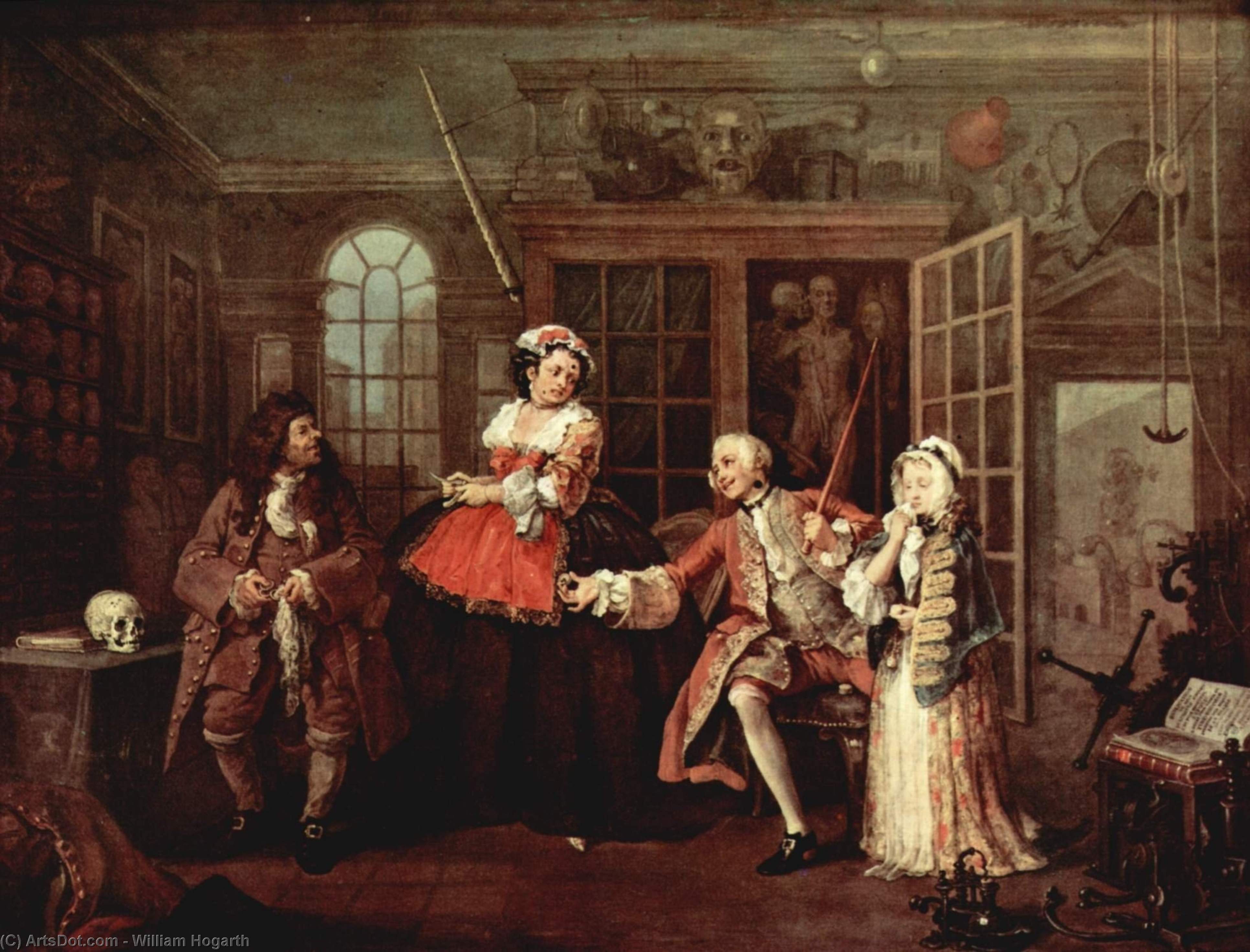
Visit with the Quack Doctor
Giclée / Műnyomat
Reprodukció mérete
-


Összesített ár
Ft 26201
A Satirical Mirror to Enlightenment Excess
In the vibrant yet biting world of 18th-century London, William Hogarth’s “Visit with the Quack Doctor” emerges as a profound theatrical performance captured in paint. Painted around 1745, this masterpiece of the Rococo era serves as much more than a mere medical consultation; it is a searing indictment of the intellectual pretensions and societal hypocrisies that defined Georgian England. The scene unfolds within a room brimming with life, where a physician examines a patient amidst a crowd of observers whose detached curiosity adds a layer of dramatic tension to the composition. Hogarth meticulously arranges his figures with a sense of stagecraft, inviting the viewer to step into a narrative that is as much about the folly of human nature as it is about the dubious medical practices of the age.
The atmosphere of the painting is thick with a palpable sense of unease and disillusionment. As one gazes upon the gathered individuals, there is an unmistakable feeling of being a witness to a charlatanism in progress. Hogarth’s ability to capture the psychological depth of his subjects—conveying suspicion, vanity, and even fear—transforms the canvas into a window through which we glimpse the anxieties of a society caught between burgeoning scientific inquiry and a lingering belief in superstition. For the discerning collector or interior designer, this piece offers a captivating intellectual depth, providing a conversation piece that challenges the viewer to look beneath the surface of social decorum.
Mastery of Line and Symbolic Depth
Technically, “Visit with the Quack Doctor” showcases Hogarth’s extraordinary command over texture and light. Drawing from his roots as an engraver, the artist utilizes a precise linework and tonal shading that lends a remarkable realism to the scene. One can almost feel the weight of the worn fabric on the patient’s clothing and the smooth, polished surface of the dining table. This meticulous attention to detail creates an immersive experience, pulling the viewer into the very heart of the room. The use of light and shadow is particularly effective, creating dramatic contrasts that emphasize the characters' expressions and heighten the sense of potential deception inherent in the quack’s visit.
Beyond its visual realism, the painting is a rich tapestry of symbolic meaning. Hogarth embeds subtle warnings within the composition to provoke contemplation. A skull positioned prominently in the lower left corner serves as a stark memento mori, a chilling reminder of mortality that stands in sharp contrast to the surrounding ostentation and frivolity. Furthermore, the presence of clocks throughout the room acts as a visual metaphor for the relentless march of time, suggesting the futility of pursuing ephemeral pleasures and the vanity of unchecked ambition. It is this seamless blend of technical brilliance and profound symbolism that makes Hogarth’s work an enduring emblem of artistic vision, offering timeless insights into the complexities of the human condition.
Kérdések és válaszok
Milyen fényerő ébreszt fel „Visit with the Quack Doctor”, Hogarth alkotása alkotást?
A „Visit with the Quack Doctor”, Hogarth alkotása érzetelt fényessége deep_shadow. Ez összehangolható az adott tér világításával.
A „Visit with the Quack Doctor” 1745-es dátuma Hogarth pályájának mely szakaszára tekintthető?
A 1745 évszám a "Visit with the Quack Doctor" alkotást Hogarth fejlődésének Mature Period szakaszába helyezi.
Milyen közös tulajdonságokat oszt meg a "Visit with the Quack Doctor" Hogarth további alkotásaival?
A "Visit with the Quack Doctor" Hogarth Rococo korszakának alkotása, melynek témakörében moral critique, social satire, observation, human behavior, genre painting is feltűlik.
A művész életrajza
A London Life in Ink and Paint: The World of William Hogarth
William Hogarth, born into the bustling heart of 18th-century London in 1697, was more than just an artist; he was a visual historian, a keen observer of human nature, and a satirical commentator on the societal currents of his age. His life story is inextricably linked to the very fabric of England during a period of significant transformation – its burgeoning ambitions, underlying anxieties, and pervasive hypocrisies all finding potent expression in his remarkably detailed and often biting works. The son of a struggling Latin schoolmaster, Hogarth’s early experiences instilled within him both a love for learning and a sharp awareness of social inequalities, a foundation that would prove crucial to shaping his artistic vision. Initially apprenticed to an engraver, he quickly demonstrated a talent extending beyond mere technical skill; he possessed an innate ability to observe the nuances of human behavior and translate them into compelling visual narratives. However, he chafed against the constraints of traditional engraving, seeking a more expressive outlet for his burgeoning creativity. This led him to studies at both St Martin’s Lane Academy and under Sir James Thornhill, where he honed his skills in painting and composition, absorbing influences that would later inform his unique style.The Birth of Modern Moral Subjects
Hogarth's true innovation lay not simply *what* he painted, but *how*. He pioneered what he termed “modern moral subjects” – a series of pictures designed to tell a story, often imbued with a strong satirical edge. These weren’t isolated portraits or landscapes; they were visual novels unfolding before the viewer’s eyes, offering pointed commentary on contemporary society. A Harlot's Progress, created in 1742, stands as perhaps his most famous example. This series of six paintings meticulously follows the tragic downfall of Mary, a young woman arriving in London full of hope but quickly succumbing to the temptations and dangers of city life. Each scene is rendered with painstaking detail, filled with symbolic elements that reveal the moral decay surrounding her. The figures are not merely depicted; they are analyzed, their actions and motivations laid bare for the viewer’s scrutiny. Similarly, A Rake's Progress, begun in 1733, charts the reckless decline of Tom Rakewell, a man who squanders his inheritance on gambling, debauchery, and ultimately, madness. These weren’t merely cautionary tales; they were unflinching portraits of a society grappling with issues of class, morality, and social mobility. Hogarth's genius resided in his ability to elevate everyday scenes – the bustling streets of London, the opulent interiors of the wealthy, the squalid lives of the poor – into works of art that resonated deeply with his audience. He didn’t shy away from depicting the harsh realities of life, presenting them with a blend of humor and pathos that forced viewers to confront uncomfortable truths about themselves and their society.Technique and Influences: A Synthesis of Styles
Hogarth's artistic style was a unique amalgamation of diverse influences. He greatly admired the realism and narrative detail found in the works of Dutch genre painters like Pieter de Hooch, evident in his meticulous depictions of interiors and everyday life. The satirical prints produced in France also played a role in shaping his approach to social commentary. However, Hogarth wasn’t simply imitating these sources; he was synthesizing them into something entirely new and distinctly his own. His technique was characterized by a masterful use of line and shading, particularly evident in his engravings. He employed a distinctive cross-hatching technique that created depth and texture, bringing his scenes to life with remarkable clarity. He also possessed an exceptional eye for composition, arranging figures and objects within the frame to create dynamic and engaging narratives. Beyond visual art, Hogarth was influenced by literary works, particularly those of Jonathan Swift and Henry Fielding, whose satirical wit informed his own social observations. He believed that art should not merely be beautiful but should also serve a moral purpose, challenging viewers to think critically about the world around them and their place within it. He sought to hold a mirror up to nature, reflecting both its beauty and its ugliness with unflinching honesty.The Foundling Hospital and Legacy
Hogarth’s commitment to social reform extended beyond his art. He became a staunch supporter of the Foundling Hospital, established by Thomas Coram to care for abandoned children. He actively promoted the hospital's cause through his art, donating numerous paintings and engravings depicting scenes from its history and highlighting the plight of orphaned children. This dedication reflected his deep concern for the vulnerable members of society and underscored his belief in the power of art to effect positive change. His work gained immense popularity thanks to the mass production of prints based on his paintings, making his satirical commentary accessible to a wider audience than ever before. He is widely considered a precursor to political cartooning and comic strips, laying the groundwork for visual storytelling in popular culture. Artists like James Gillray and George Cruikshank were directly influenced by his style, carrying forward his tradition of social satire. Even Charles Lamb, the celebrated essayist, recognized the narrative power of Hogarth’s images, famously remarking that they were “like books to be read rather than merely looked at.” Hogarth died in 1764, leaving behind a legacy that continues to resonate today. He remains a pivotal figure in the history of British art, celebrated for his innovative approach to storytelling, his unflinching social commentary, and his enduring ability to capture the complexities of human life. His paintings and engravings are not merely historical artifacts; they are vibrant windows into a bygone era, offering timeless insights into the follies and foibles of humanity. He demonstrated that art could be both entertaining and enlightening, challenging viewers to think critically about the world around them and their place within it.- Hogarth established a distinctly British artistic identity.
- His work provides invaluable insights into 18th-century English society.
- He influenced generations of artists and satirists.

Hogarth
1697 - 1764 , Egyesült Királyság
Rövid információk
- Artistic Movement Or Style: Moral szatira, Realizmus
- Artists Or Movements Influenced By This Artist:
- James Gillray
- Politikai karikatúra
- Artists Who Influenced This Artist:
- Pieter de Hooch
- Jonathan Swift
- Date Of Birth: 1697. nov. 10.
- Date Of Death: 1764. okt. 26.
- Full Name: William Hogarth
- Nationality: Angol
- Notable Artworks:
- A Harlot's Progress
- A Rake's Progress
- Marriage A-la-Mode
- Place Of Birth: London, Anglia
Kapcsolódó cikkek

A Rokoko Mesterek: 10 alkotás, mely meghatározta a művészetet | OriginalUniqueArt.com
Fedezze fel a Rokoko művészet 10 legikonikusabb remekművét! Ismerje meg Watteau, Boucher és Fragonard festményeinek történetét. Elegáns dekorációk inspirációja – OriginalUniqueArt.com kínálatában megtalálható minden művészi nyomat. Explore the full collection online!
The Sharpest Wit: A Critical Exploration of Satire in Art History – From Hogarth to Contemporary Critique
Explore the history of satire in art! From Hogarth's London to contemporary critique, discover how artists use wit & visual power to reflect and challenge society. Expert insights at OriginalUniqueArt.

William Hogarth: Satire, Social Commentary & the Birth of Modern British Art
Explore the satirical world of William Hogarth, pioneering British painter & engraver. Discover his iconic works like *A Rake's Progress* and insightful social commentary on 18th-century London life.
The Sharpest Wit: A Historical Exploration of Satire in Visual Culture
Explore the history of satire in art! From ancient masters like Aristophanes to Goya & Grosz, discover how artists use wit and critique to reflect—and challenge—society. Expert insights at OriginalUniqueArt.

The Rococo Aesthetic: Opulence, Rebellion & the Pursuit of Pleasure in 18th-Century Art
Explore the opulent world of Rococo art! Discover its origins, key artists like Watteau & Boucher, and lasting influence on design. Expert insights for collectors & enthusiasts.