Menü
Text size

() ·

A painting made for you, by hand

Kézzel készített olajfestmény reprodukció

Kézzel festett olajvastú vászon, az Ön által választott méretben és keretben, művészeink készítik meglévőre. ( Váltás nyomtatványra Áttérés digitális képre)

A gyűjtemény leírása

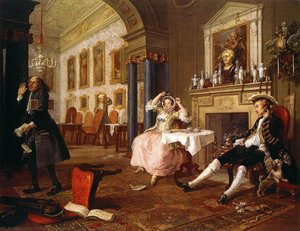
William Hogarth’s "Marriage" (1735) – a detailed Rococo oil painting depicting a bustling church scene. Explore its intricate details, symbolism & 18th-century social commentary.

A művész életrajza

Fedezd fel Hogarth szatirikus világát! A 18. századi london festője, aki a társadalmi kritikával és a realista stílussal alkotott. Nézd meg az A Harlot's Progress és A Rake's Progress sorozatait!

from ·

Chapter 1

How large should it be?

Slide to change the size; the wall on the left shows it at its real scale. The proportions of the original are kept.

Standard méret
egyedi méretű
CM
INCH

Válasszon előre meghatározott méreteink közül, amelyek megfelelnek a műalkotás eredeti arányainak.

szélesség
magasság

Írja be a kívánt szélességet és magasságot, hogy illeszkedjen a keretéhez vagy a falához. Mivel ez kézzel festett alkotás, egy eltérő formájú méret esetén a művész akár festhet is valamivel többet a kép körül, vagy korolathat is belőle — az Ön döntésének megfelelően. A festés megkezdése előtt küldünk egy digitális tervezetet jóváhagyásra. Az oldalon látható kép nem tartalmazza a végeredményt — csak a tervezet mutatja meg a valódi eredményt.

Chapter 2

How should it arrive?

Choose the edges of the stretched canvas

Choose your frame

Corner sample of the WhiteWrap canvas edge finish, stretched on tömörfa bars
White Ft1
Corner sample of the BlurSideWrap canvas edge finish, stretched on tömörfa bars
Blurside Ft1
Corner sample of the ExtendedWrap canvas edge finish, stretched on tömörfa bars
Extended Ft1
Corner sample of the P118B picture frame: formázott polisztirol, 5 cm wide and 3 cm thick
P118B Ft10
Corner sample of the P118H picture frame: formázott polisztirol, 5 cm wide and 3 cm thick
P118H Ft10
Corner sample of the P118W picture frame: formázott polisztirol, 5 cm wide and 3 cm thick
P118W Ft10
Corner sample of the P438Z picture frame: formázott polisztirol, 5.5 cm wide and 3.5 cm thick
P438Z Ft10
Corner sample of the P508JH picture frame: formázott polisztirol, 7 cm wide and 3.5 cm thick
P508JH Ft12
Corner sample of the P508YH picture frame: formázott polisztirol, 7 cm wide and 3.5 cm thick
P508YH Ft12
Corner sample of the P805H picture frame: formázott polisztirol, 5 cm wide and 3.5 cm thick
P805H Ft10
Corner sample of the P805Z picture frame: formázott polisztirol, 5 cm wide and 3.5 cm thick
P805Z Ft10
Corner sample of the P919BZ picture frame: formázott polisztirol, 7 cm wide and 3.5 cm thick
P919BZ Ft10
Corner sample of the P919G picture frame: formázott polisztirol, 7 cm wide and 3.5 cm thick
P919G Ft10
Corner sample of the P919XJ picture frame: formázott polisztirol, 7 cm wide and 3.5 cm thick
P919XJ Ft10
Corner sample of the P959ZH picture frame: formázott polisztirol, 5 cm wide and 3 cm thick
P959ZH Ft10
Corner sample of the P968JZ picture frame: formázott polisztirol, 6 cm wide and 4 cm thick
P968JZ Ft12
Corner sample of the W106C picture frame: tömörfa, 5 cm wide and 3 cm thick
W106C Ft8
Corner sample of the W218G picture frame: tömörfa, 5 cm wide and 3 cm thick
W218G Ft10
Corner sample of the W218JH picture frame: tömörfa, 5 cm wide and 3 cm thick
W218JH Ft8
Corner sample of the W218Y picture frame: tömörfa, 5 cm wide and 3 cm thick
W218Y Ft10
Corner sample of the W307PJ picture frame: tömörfa, 6 cm wide and 3 cm thick
W307PJ Ft10
Corner sample of the W316G picture frame: tömörfa, 6 cm wide and 3 cm thick
W316G Ft10
Corner sample of the W316PJ picture frame: tömörfa, 6 cm wide and 3 cm thick
W316PJ Ft8
Corner sample of the W316Y picture frame: tömörfa, 6 cm wide and 3 cm thick
W316Y Ft10
Corner sample of the W398PJ picture frame: tömörfa, 5 cm wide and 3 cm thick
W398PJ Ft8
Corner sample of the W4111J picture frame: tömörfa, 6.5 cm wide and 3.5 cm thick
W4111J Ft10
Corner sample of the W500HY picture frame: tömörfa, 7 cm wide and 5 cm thick
W500HY Ft15
Corner sample of the W500JH picture frame: tömörfa, 7 cm wide and 5 cm thick
W500JH Ft15
Corner sample of the W692G picture frame: tömörfa, 8 cm wide and 4 cm thick
W692G Ft12
Corner sample of the W849H picture frame: tömörfa, 5 cm wide and 3 cm thick
W849H Ft8
Corner sample of the W940BG picture frame: tömörfa, 7.5 cm wide and 4.5 cm thick
W940BG Ft15
Corner sample of the W953PJ picture frame: tömörfa, 6 cm wide and 3.5 cm thick
W953PJ Ft8
Corner sample of the H24-GOLD picture frame: faragott fa gesszóval, 10 cm wide and 6 cm thick
H24-GOLD Ft30
Corner sample of the H24-SILVER picture frame: faragott fa gesszóval, 10 cm wide and 6 cm thick
H24-SILVER Ft30
Corner sample of the H36-GOLD picture frame: faragott fa gesszóval, 15 cm wide and 6.5 cm thick
H36-GOLD Ft45
Corner sample of the H36-SILVER picture frame: faragott fa gesszóval, 15 cm wide and 6.5 cm thick
H36-SILVER Ft45

Moulding: . Overall size with the frame: .

Chapter 3

Who paints it, and should anything change?

Examples of what can be changed: Replace face with customer photo; Add pet (e.g., replace cat with dog); Include hidden message in background; Change background landscape or elements.
After order, OriginalUniqueArt.com team will email client for instructions and provide a mockup preview

Világszerte elérhető szállítás () 3-4 hét alatt a szokásos 5 hét helyett. (29 október). A minőség nem kérdőjelezhető.

Chapter 4

The finishing touches

A nameplate, as in a museum?

A gravírozott bronztábla részletei

This elegant plaque features the artist's name and the title of the artwork, finely engraved for a timeless presentation.

It is made from bronze with a refined, elegant finish. The text is precisely laser-engraved for a sharp and permanent result. Measuring 9x2 cm, the plaque is compact yet easy to read. It's built to be durable and scratch-resistant, offering a professional, museum-quality look. Mounting is simple thanks to the included adhesive backing.

Átlátszó akril tábla részletei

The plaque includes essential engraved details such as the artist's name, the title of the artwork, the date it was created, the type of media used-like oil on canvas or watercolor-a brief description of the piece, and a QR code that links to the complete artwork information.

It is crafted from clear acrylic, offering a sleek, modern appearance. The text is UV-engraved in black to ensure strong visual contrast. With a size of 10x15 cm, it ensures optimal readability. It comes equipped with two metal hooks for secure wall mounting. The plaque is designed to be weather-resistant, making it suitable for various environments, and it includes interactive features that work seamlessly with smartphone scanning.

Fekete akril tábla részletei

This elegant plaque includes engraved information such as the artist's name, the title of the artwork, the date it was created, the type of media used (like oil on canvas or watercolor), a short description of the artwork, and a QR code for quick access to more information.

The plaque itself is made from refined black acrylic with a premium finish. The text is laser-engraved in white for high contrast and readability. Its size is 10x15 cm, designed to be easy to read. It comes with two metal hooks for professional mounting. The design is sleek and fits any interior style. It is also weather-resistant and durable, with built-in digital integration for mobile compatibility.

A protective varnish?

When do you need it?

Chapter 5

Your painting, as you ordered it

Marriage

Reprodukciós technika

Reprodukció mérete

-

Kiváló mesterművész

Nagyobb részletesség, finomság és bővített gyártási idő

-

Reprodukció keretezése

-

-

A bármely oldalsó méretét túlszálaló 105 cm (kb. 41 hüvelyk) meghaladó műalkotások vagy reprodukciók esetében a keret összeszerelhető készletként, szétszerelve kerül szállításra. Ez a módszer biztosítja a biztonságos szállítást, és megakadályozza a szállítás során fellépő sérüléseket.

Szakmész összeszerelést igényel – ez nem DIY (önösszeszerelhető) termék.
A készletet egy tapasztalt keretező szakembernek kell összeszerelnie és a vásznat feszítenie kell, fa ragasztó (nem tartalmazza a csomag), vásznfeszítő fogó és szorítók használatával, amelyek a ragasztó száradásáig a keretrészeket egymáshoz vuôngjba tartják. A helytelen összeszerelés vagy a nem egyenletes vásznfeszítés maradandó károsíthatja a műalkotást, és ez nem része a garanciánknak.

  • A készlet tartalmazza az összes tömörfa rudat, pontosan méretre vágva.

  • A mellékelt csavarokkal, valamint a sarokszerekhez szükséges faütő ragasztóval kell összeszerelnie (ez nem tartalmazható a csomagban), így a keretrendezőnek külön kell beszereznie.

  • A csomag nem tartalmazza a szükséges professzionális eszközöket: egy vászonfeszítőt és klipseket a rácsok vízszintes tartásához a ragasztó megszáradásáig.

Fontos:
A sarokcsatlakozásokhoz fánylagra van szükség, a keretrudakat szorítókapcsokkal kell rögzíteni, amíg a rag teljesen meg nem szárad, a kész keretre feszített vászonhoz pedig vászonfeszítő fogat szükséges. Ezek egyike sem található meg a készletben. Kérjük, rendelés előtt győződjön meg róla, hogy rendelkezik tapasztalt keretező szakemberrel.

Névtábla

-

-

Védőréteg (Lakk)

Fényes lakk (intenzívabb színek, védelem a fény és a nedvesség hatása ellen)

-

Műalkotásom egyedi igényre szabása

Példák a módosíthatóságra: az arc kicserélése az ügyfél fotójára; háziállat hozzáadása (pl. macska helyett kutya); rejtett üzenet elhelyezése a háttérben; a háttér tájainak vagy elemeinek megváltoztatása.

-

Sürgős

Világszerte szóló szállítás () mindössze 3-4 hét alatt, a szokásos 5 hét helyett. (29 október). A minőség nem kérdőjelezhető.

-

Express szállítás

Világszerte elérhető szállítás területre 5 héten belül. (5 november).

A szállítás díja tartalmazza

Összesített ár

Ft 145583

Összesített ár Ft 145583

Az üvegkeretes opció csak 110 cm alatti méretben érhető el

Included with every order

  • Ingyenes globális expressz szállítás
  • Prémium minőségű len vászon
  • Teljes körű szállítási biztosítás
  • Vámvisszatérítési Garancia
  • Hiteles színarányosság garancia
  • 100 napos visszaküldési lehetőség (csak hibás termékek esetén)
  • 100% pénzvisszatérítési garancia
  • Több darab vásárlásakor kedvezmény

A Tender Moment in Georgian England

In the quiet, flickering light of an eighteenth-century church vestry, William Hogarth captures a scene that transcends mere documentation to become a profound meditation on life’s beginnings. His 1735 masterpiece, often titled Marriage, presents us with an intimate glimpse into the social and religious rituals of Georgian England. While the title may suggest a union of two souls, the canvas breathes with the energy of a different milestone: the presentation of a newborn child. Within this crowded, dynamic composition, we find ourselves amidst the soft rustle of fine fabrics and the hushed tones of a community gathered for a christening or baptism. A clergyman, focused intently on his sacred text, anchors the spiritual gravity of the moment, while a woman reaches out to receive a swaddled infant—a gesture of such tenderness that it pierces through the historical distance to touch the modern viewer.

Hogarth, a master of what he termed modern moral subjects, avoids the purely decorative trappings of the Rococo style to instead offer a meticulously realized window into human character. The painting is a bustling tapestry of social interaction; onlookers lean in with varying degrees of curiosity, devotion, or casual interest, creating a sense of layered narrative that rewards repeated viewing. For the collector or the lover of fine art, this work offers more than just a beautiful image; it provides a complex psychological landscape where every overlapping figure and subtle glance contributes to a larger story of community and continuity.

Mastery of Light and Texture

The technical brilliance of Marriage lies in Hogarth’s ability to transform oil on canvas into a tactile experience. The artist employs rich, layered brushstrokes that lend a palpable weight to the scene, particularly evident in the heavy drapery and the intricate textures of eighteenth-century attire. There is a magnificent sense of depth achieved not through rigid linear perspective, but through the masterful overlapping of bodies and the varying degrees of detail applied to each figure. This technique creates a sense of "organized chaos" that perfectly mirrors the lively atmosphere of a crowded chapel.

Lighting plays a pivotal role in establishing the painting's evocative mood. Rather than harsh, dramatic contrasts, Hogarth utilizes a diffused, warm glow that seems to emanate from within the room itself. This soft illumination avoids stark shadows, instead bathing the figures in a gentle light that emphasizes the organic shapes and flowing lines of the composition. For an interior designer, this quality makes the piece exceptionally versatile; its warm palette and subdued lighting can anchor a room with a sense of historical prestige and quiet elegance, providing a focal point that feels both substantial and inviting.

A Legacy of Observation and Emotion

Beyond its aesthetic splendor, the painting serves as a vital historical document. Hogarth was a pioneer who sought to elevate the depiction of everyday life to the level of high art, moving away from the idealized portraits favored by the aristocracy toward a more honest, observational realism. In this work, we see the seeds of his later, more famous satirical series, yet here, the tone remains one of reverence and communal intimacy. The symbolism is subtle but deeply felt: the clergyman represents the continuity of faith, the swaddled baby embodies the promise of new life, and the surrounding architecture suggests the enduring strength of social institutions.

To possess a reproduction of this work is to invite a piece of British art history into one's personal space. It evokes an emotional response that is simultaneously nostalgic and deeply human. Whether viewed as a study in Georgian social customs or as a breathtaking example of Hogarth’s technical prowess, Marriage remains a captivating testament to the beauty found in life's most sacred transitions. It is an ideal acquisition for those who seek art that speaks of heritage, warmth, and the timeless complexity of the human experience.

Kérdések és válaszok

Hová sorolható a "Marriage" Hogarth ismétlődő témái közé?

Hogarth ismétlődő témái közé tartozik a satirical social commentary, 18th-century manners & morals, religious ceremony depiction, rococo elegance & detail, moralizing narrative style, hogarth's 'modern subjects'", critique of societal norms"; a „Marriage” fókuszál a marriage, baptism, church, social scene, 18th century, rococo style, family event, human interaction témakörre.

Milyen módon ötvöződik az érzelmi töltet és az ajándékozás alkalma a(z) „Marriage”, Hogarth alkotása alkotással?

A Reflective érzelmi hangulatával „Marriage”, Hogarth alkotása ajándékként is ajánlott Wedding.

Melyik évben készült a „Marriage”, Hogarth alkotása?

A „Marriage”, Hogarth alkotása alkotása 1735-ben készült.

In numbers

  • 1735the year it was painted
  • 29frames to choose from
  • standard sizes, in its own proportions
  • 5weeks to paint and deliver it
Hogarth

Hogarth

1697 - 1764, Egyesült Királyság

Rövid információk

  • Artistic Movement Or Style: Moral szatira, Realizmus
  • Artists Or Movements Influenced By This Artist:
    • James Gillray
    • Politikai karikatúra
  • Artists Who Influenced This Artist:
    • Pieter de Hooch
    • Jonathan Swift
  • Date Of Birth: 1697. nov. 10.
  • Date Of Death: 1764. okt. 26.
  • Full Name: William Hogarth
  • Nationality: Angol
  • Notable Artworks:
    • A Harlot's Progress
    • A Rake's Progress
    • Marriage A-la-Mode
  • Place Of Birth: London, Anglia

A művész életrajza

A London Life in Ink and Paint: The World of William Hogarth

William Hogarth, born into the bustling heart of 18th-century London in 1697, was more than just an artist; he was a visual historian, a keen observer of human nature, and a satirical commentator on the societal currents of his age. His life story is inextricably linked to the very fabric of England during a period of significant transformation – its burgeoning ambitions, underlying anxieties, and pervasive hypocrisies all finding potent expression in his remarkably detailed and often biting works. The son of a struggling Latin schoolmaster, Hogarth’s early experiences instilled within him both a love for learning and a sharp awareness of social inequalities, a foundation that would prove crucial to shaping his artistic vision. Initially apprenticed to an engraver, he quickly demonstrated a talent extending beyond mere technical skill; he possessed an innate ability to observe the nuances of human behavior and translate them into compelling visual narratives. However, he chafed against the constraints of traditional engraving, seeking a more expressive outlet for his burgeoning creativity. This led him to studies at both St Martin’s Lane Academy and under Sir James Thornhill, where he honed his skills in painting and composition, absorbing influences that would later inform his unique style.

The Birth of Modern Moral Subjects

Hogarth's true innovation lay not simply *what* he painted, but *how*. He pioneered what he termed “modern moral subjects” – a series of pictures designed to tell a story, often imbued with a strong satirical edge. These weren’t isolated portraits or landscapes; they were visual novels unfolding before the viewer’s eyes, offering pointed commentary on contemporary society. A Harlot's Progress, created in 1742, stands as perhaps his most famous example. This series of six paintings meticulously follows the tragic downfall of Mary, a young woman arriving in London full of hope but quickly succumbing to the temptations and dangers of city life. Each scene is rendered with painstaking detail, filled with symbolic elements that reveal the moral decay surrounding her. The figures are not merely depicted; they are analyzed, their actions and motivations laid bare for the viewer’s scrutiny. Similarly, A Rake's Progress, begun in 1733, charts the reckless decline of Tom Rakewell, a man who squanders his inheritance on gambling, debauchery, and ultimately, madness. These weren’t merely cautionary tales; they were unflinching portraits of a society grappling with issues of class, morality, and social mobility. Hogarth's genius resided in his ability to elevate everyday scenes – the bustling streets of London, the opulent interiors of the wealthy, the squalid lives of the poor – into works of art that resonated deeply with his audience. He didn’t shy away from depicting the harsh realities of life, presenting them with a blend of humor and pathos that forced viewers to confront uncomfortable truths about themselves and their society.

Technique and Influences: A Synthesis of Styles

Hogarth's artistic style was a unique amalgamation of diverse influences. He greatly admired the realism and narrative detail found in the works of Dutch genre painters like Pieter de Hooch, evident in his meticulous depictions of interiors and everyday life. The satirical prints produced in France also played a role in shaping his approach to social commentary. However, Hogarth wasn’t simply imitating these sources; he was synthesizing them into something entirely new and distinctly his own. His technique was characterized by a masterful use of line and shading, particularly evident in his engravings. He employed a distinctive cross-hatching technique that created depth and texture, bringing his scenes to life with remarkable clarity. He also possessed an exceptional eye for composition, arranging figures and objects within the frame to create dynamic and engaging narratives. Beyond visual art, Hogarth was influenced by literary works, particularly those of Jonathan Swift and Henry Fielding, whose satirical wit informed his own social observations. He believed that art should not merely be beautiful but should also serve a moral purpose, challenging viewers to think critically about the world around them and their place within it. He sought to hold a mirror up to nature, reflecting both its beauty and its ugliness with unflinching honesty.

The Foundling Hospital and Legacy

Hogarth’s commitment to social reform extended beyond his art. He became a staunch supporter of the Foundling Hospital, established by Thomas Coram to care for abandoned children. He actively promoted the hospital's cause through his art, donating numerous paintings and engravings depicting scenes from its history and highlighting the plight of orphaned children. This dedication reflected his deep concern for the vulnerable members of society and underscored his belief in the power of art to effect positive change. His work gained immense popularity thanks to the mass production of prints based on his paintings, making his satirical commentary accessible to a wider audience than ever before. He is widely considered a precursor to political cartooning and comic strips, laying the groundwork for visual storytelling in popular culture. Artists like James Gillray and George Cruikshank were directly influenced by his style, carrying forward his tradition of social satire. Even Charles Lamb, the celebrated essayist, recognized the narrative power of Hogarth’s images, famously remarking that they were “like books to be read rather than merely looked at.” Hogarth died in 1764, leaving behind a legacy that continues to resonate today. He remains a pivotal figure in the history of British art, celebrated for his innovative approach to storytelling, his unflinching social commentary, and his enduring ability to capture the complexities of human life. His paintings and engravings are not merely historical artifacts; they are vibrant windows into a bygone era, offering timeless insights into the follies and foibles of humanity. He demonstrated that art could be both entertaining and enlightening, challenging viewers to think critically about the world around them and their place within it.
  • Hogarth established a distinctly British artistic identity.
  • His work provides invaluable insights into 18th-century English society.
  • He influenced generations of artists and satirists.

Gyors információk

  • subject: Christening or baptism of a child; social interaction
  • style: Rococo
  • year: 1735
  • artist: William Hogarth

Művészeti kvíz

Minden kérdésre csak egy helyes válasz létezik.

Kérdés 1:
In what year was William Hogarth's 'Marriage' painted?
Kérdés 2:
Which artistic style is most closely associated with the painting 'Marriage' by Hogarth?
Kérdés 3:
What appears to be the primary subject matter depicted in 'Marriage'?
Kérdés 4:
What is notable about the painting technique used in 'Marriage'?
Kérdés 5:
Approximately what are the dimensions of 'Marriage'?

More about this painting

Megtekintés AR előnézet Váltás nyomtatványra Áttérés digitális képre Küldés
Részletek Útmutató Kedvencekhez ad Letöltés Hasonló darabok X-ray felvétel Diavetítés Q&A Statisztika