Előnézet
 Megosztás
 Megosztás
 Részletek
 Útmutató

 Letöltés
 Hasonló darabok
 X-ray felvétel
 Diavetítés
 Statisztika
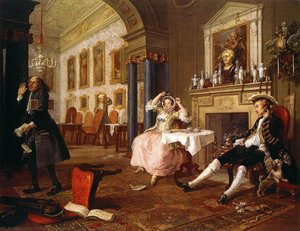
A Harlot's Progress, plate 2


 Tovább olvasom
Giclée / Műnyomat
Múzeumi minőségű giclée vagy vászonnyomat, gyors gyártással és rugalmas finomítási lehetőségekkel. ( Kézzel festett másolat vásárlása Áttérés digitális képre)




P118B Ft10

P118H Ft10

P118W Ft10

P438Z Ft10

P508JH Ft12

P508YH Ft12

P805H Ft10

P805Z Ft10

P919BZ Ft10

P919G Ft10

P919XJ Ft10

P959ZH Ft10

P968JZ Ft12

W106C Ft8

W218G Ft10

W218JH Ft8

W218Y Ft10

W307PJ Ft10

W316G Ft10

W316PJ Ft8

W316Y Ft10

W398PJ Ft8

W4111J Ft10

W500HY Ft15

W500JH Ft15

W692G Ft12

W849H Ft8

W940BG Ft15

W953PJ Ft8




Válasszon előre meghatározott méreteink közül, amelyek megfelelnek a műalkotás eredeti arányainak.

Írja be a keretének vagy a falának megfelelő szélességet és magasságot. A nyomatot csak le lehet vágni, soha nem tehető nagyobbá, mint az eredeti kép, így egy eltérő alakú méretnél a kép egy része elveszik. Mielőtt bármit kinyatintanánk, küldünk egy digitális próbamodellt jóváhagyásra. Az oldalon látható kép nem tartalmazza a valós levágást — ezt csak a próbamodell mutatja meg.
Világszerte történő kiszállítás területére mindössze 2 hét alatt, a szokásos 4-5 hét helyett. (24 október)

Ingyenes globális expressz szállítás

Prémium minőségű len vászon

Teljes körű szállítási biztosítás

Vámvisszatérítési Garancia

Tökéletes színarányosság garancia

100 napos visszaküldési garancia (csak gyártási hibás termékek esetén)

100% pénzvisszatérítési garancia

Több darab vásárlásakor kedvezmény
 Az üvegkeretes opció csak 110 cm alatti méretben érhető el

A Harlot's Progress, plate 2
Giclée / Műnyomat
Reprodukció méretei
-


Összesített ár
Ft 25718
A Window into 18th-Century London: William Hogarth’s *A Harlot's Progress*, Plate 2
This engraving, plate two from William Hogarth’s celebrated series *A Harlot’s Progress*, offers a remarkably detailed and morally charged glimpse into the life of Mary “Moll” Hackabout, a young woman who has recently arrived in London with hopes for a better future – quickly dashed by circumstance and poor choices. Hogarth doesn't simply depict a scene; he constructs a narrative, rich with social commentary and cautionary symbolism.Decoding the Scene: Subject & Narrative
The composition is bustling and deliberately chaotic. We find Moll in a lavishly decorated room, now functioning as a makeshift brothel. She’s surrounded by an assortment of characters – a foppish gentleman attempting to entice her, a procuress overseeing the scene with a calculating gaze, and various other figures engaged in suggestive interactions. The air is thick with intrigue and impending doom. This plate marks Moll's descent into prostitution, having been abandoned by her former master and now under the control of Mrs. Elizabeth Needham, the formidable madam depicted here. Note the discarded sheet music on the floor – a symbol of lost innocence and artistic aspiration.Style & Technique: Rococo Satire
Hogarth’s style is uniquely his own, blending elements of realism with sharp satirical observation. While influenced by the Rococo aesthetic prevalent at the time—evident in the ornate furnishings and decorative details—he subverts its typical frivolity to deliver a potent moral message. The engraving technique itself is masterful. Hogarth employs meticulous line work, utilizing hatching and cross-hatching to create tonal variations and textures that bring the scene to life. The density of lines dictates light and shadow, adding depth and drama to the composition. This isn’t merely illustration; it's a sophisticated exercise in visual storytelling.Historical Context: A Moralizing Series
Created between 1743 and 1745, *A Harlot’s Progress* was conceived as a “modern moral subject” – a series of images designed to instruct and warn the public about the dangers of vice. Hogarth aimed to expose the social ills plaguing London, particularly the plight of vulnerable women and the hypocrisy of the upper classes. The series was immensely popular, not only for its artistic merit but also for its accessibility; individual plates were sold widely, allowing a broad audience to engage with Hogarth’s message. It's important to remember that this work wasn't simply art for art's sake – it was social commentary intended to provoke thought and inspire reform.Symbolism & Emotional Impact
Every detail within the engraving carries symbolic weight. The discarded clothing, the suggestive gestures of the figures, the presence of a skull partially hidden in the background—all contribute to a sense of moral decay and impending tragedy. The overall emotional impact is one of unease and foreboding. Hogarth doesn’t shy away from depicting the harsh realities of 18th-century life, forcing viewers to confront uncomfortable truths about society and human nature. The scene isn't simply scandalous; it's deeply melancholic, hinting at the irreversible loss of innocence and the devastating consequences of moral transgression.For Collectors & Designers
A reproduction of *A Harlot’s Progress*, Plate 2, serves as a compelling statement piece for any collection. Its intricate detail and historical significance make it an engaging conversation starter. For interior designers, this engraving adds a touch of sophisticated drama and intellectual depth to a space. The monochromatic palette lends itself well to various design schemes, from traditional to contemporary settings. Consider framing it with archival materials to preserve its integrity and showcase the artistry of Hogarth’s work.Gyakran Ismételt Kérdések
Mi a "A Harlot's Progress, plate 2" formátuma?
A „A Harlot's Progress, plate 2”, Hogarth alkotása Landscape formátumú alkotás. A formátum a kompozíció arányait határozza meg.
Milyen szín vezeti a „A Harlot's Progress, plate 2”, Hogarth alkotása kompozícióját?
A(z) "A Harlot's Progress, plate 2" alkotásban leginkább a Espresso (#4d4d4d) szín tűnik ki. A domináns szín hasznos, amikor egy műalkotást össze kell egyeztetni egy belső térrel.
Megrendelhető-e a "A Harlot's Progress, plate 2" olajfestmény másolata?
A „A Harlot's Progress, plate 2”, Hogarth alkotása kézzel festett másolataival a ez a weboldal oldalon találkozhat, kézzel festett olajfesték reprodukció lino vászonon formában, melyet a(z) Kézzel festett másolat oldalon lehet megrendelni.
A művész életrajza
A London Life in Ink and Paint: The World of William Hogarth
William Hogarth, born into the bustling heart of 18th-century London in 1697, was more than just an artist; he was a visual historian, a keen observer of human nature, and a satirical commentator on the societal currents of his age. His life story is inextricably linked to the very fabric of England during a period of significant transformation – its burgeoning ambitions, underlying anxieties, and pervasive hypocrisies all finding potent expression in his remarkably detailed and often biting works. The son of a struggling Latin schoolmaster, Hogarth’s early experiences instilled within him both a love for learning and a sharp awareness of social inequalities, a foundation that would prove crucial to shaping his artistic vision. Initially apprenticed to an engraver, he quickly demonstrated a talent extending beyond mere technical skill; he possessed an innate ability to observe the nuances of human behavior and translate them into compelling visual narratives. However, he chafed against the constraints of traditional engraving, seeking a more expressive outlet for his burgeoning creativity. This led him to studies at both St Martin’s Lane Academy and under Sir James Thornhill, where he honed his skills in painting and composition, absorbing influences that would later inform his unique style.The Birth of Modern Moral Subjects
Hogarth's true innovation lay not simply *what* he painted, but *how*. He pioneered what he termed “modern moral subjects” – a series of pictures designed to tell a story, often imbued with a strong satirical edge. These weren’t isolated portraits or landscapes; they were visual novels unfolding before the viewer’s eyes, offering pointed commentary on contemporary society. A Harlot's Progress, created in 1742, stands as perhaps his most famous example. This series of six paintings meticulously follows the tragic downfall of Mary, a young woman arriving in London full of hope but quickly succumbing to the temptations and dangers of city life. Each scene is rendered with painstaking detail, filled with symbolic elements that reveal the moral decay surrounding her. The figures are not merely depicted; they are analyzed, their actions and motivations laid bare for the viewer’s scrutiny. Similarly, A Rake's Progress, begun in 1733, charts the reckless decline of Tom Rakewell, a man who squanders his inheritance on gambling, debauchery, and ultimately, madness. These weren’t merely cautionary tales; they were unflinching portraits of a society grappling with issues of class, morality, and social mobility. Hogarth's genius resided in his ability to elevate everyday scenes – the bustling streets of London, the opulent interiors of the wealthy, the squalid lives of the poor – into works of art that resonated deeply with his audience. He didn’t shy away from depicting the harsh realities of life, presenting them with a blend of humor and pathos that forced viewers to confront uncomfortable truths about themselves and their society.Technique and Influences: A Synthesis of Styles
Hogarth's artistic style was a unique amalgamation of diverse influences. He greatly admired the realism and narrative detail found in the works of Dutch genre painters like Pieter de Hooch, evident in his meticulous depictions of interiors and everyday life. The satirical prints produced in France also played a role in shaping his approach to social commentary. However, Hogarth wasn’t simply imitating these sources; he was synthesizing them into something entirely new and distinctly his own. His technique was characterized by a masterful use of line and shading, particularly evident in his engravings. He employed a distinctive cross-hatching technique that created depth and texture, bringing his scenes to life with remarkable clarity. He also possessed an exceptional eye for composition, arranging figures and objects within the frame to create dynamic and engaging narratives. Beyond visual art, Hogarth was influenced by literary works, particularly those of Jonathan Swift and Henry Fielding, whose satirical wit informed his own social observations. He believed that art should not merely be beautiful but should also serve a moral purpose, challenging viewers to think critically about the world around them and their place within it. He sought to hold a mirror up to nature, reflecting both its beauty and its ugliness with unflinching honesty.The Foundling Hospital and Legacy
Hogarth’s commitment to social reform extended beyond his art. He became a staunch supporter of the Foundling Hospital, established by Thomas Coram to care for abandoned children. He actively promoted the hospital's cause through his art, donating numerous paintings and engravings depicting scenes from its history and highlighting the plight of orphaned children. This dedication reflected his deep concern for the vulnerable members of society and underscored his belief in the power of art to effect positive change. His work gained immense popularity thanks to the mass production of prints based on his paintings, making his satirical commentary accessible to a wider audience than ever before. He is widely considered a precursor to political cartooning and comic strips, laying the groundwork for visual storytelling in popular culture. Artists like James Gillray and George Cruikshank were directly influenced by his style, carrying forward his tradition of social satire. Even Charles Lamb, the celebrated essayist, recognized the narrative power of Hogarth’s images, famously remarking that they were “like books to be read rather than merely looked at.” Hogarth died in 1764, leaving behind a legacy that continues to resonate today. He remains a pivotal figure in the history of British art, celebrated for his innovative approach to storytelling, his unflinching social commentary, and his enduring ability to capture the complexities of human life. His paintings and engravings are not merely historical artifacts; they are vibrant windows into a bygone era, offering timeless insights into the follies and foibles of humanity. He demonstrated that art could be both entertaining and enlightening, challenging viewers to think critically about the world around them and their place within it.- Hogarth established a distinctly British artistic identity.
- His work provides invaluable insights into 18th-century English society.
- He influenced generations of artists and satirists.

Hogarth
1697 - 1764 , Egyesült Királyság
Gyors információk
- Artistic Movement Or Style: Moral szatira, Realizmus
- Artists Or Movements Influenced By This Artist:
- James Gillray
- Politikai karikatúra
- Artists Who Influenced This Artist:
- Pieter de Hooch
- Jonathan Swift
- Date Of Birth: 1697. nov. 10.
- Date Of Death: 1764. okt. 26.
- Full Name: William Hogarth
- Nationality: Angol
- Notable Artworks:
- A Harlot's Progress
- A Rake's Progress
- Marriage A-la-Mode
- Place Of Birth: London, Anglia
Kapcsolódó cikkek
A 18. Század Mesterei: 10 Képi Gyöngyem a Történelemből | OriginalUniqueArt
Fedezze fel a 18. század legikonikusabb műalkotásait! Jacques-Louis David, Fragonard és más mesterek remekművei rokokó stílusban, barokk eleganciával. Művészeti reprodukciók prémium minőségben – inspirálja otthonát a OriginalUniqueArt.com kínálatával! Explore the full collection online.

William Hogarth: Satire, Social Commentary & the Birth of Modern British Art
Explore the satirical world of William Hogarth, pioneering British painter & engraver. Discover his iconic works like *A Rake's Progress* and insightful social commentary on 18th-century London life.
A művészet forradalmárai: 10 ikonikus metszet, melyek örökre megváltoztatták a világot
Fedezze fel a művészettörténet 10 legikonikusabb metszetét! Dürertől Goyáig, ismerje meg a barokk és reneszánsz mesterek lenyűgöző alkotásait. Vászonképek, poszterek – múzeumi minőségben a OriginalUniqueArt.com-on. Explore the full collection online!
The Refined Aesthetic of Victorian Illustration: A Study in Narrative & Technique
Explore the captivating world of Victorian illustration! Discover Pre-Raphaelite influences, key artists like Rossetti & Stephens, and the era's rich narrative detail. A deep dive for art enthusiasts.
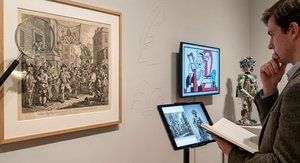
The Sharpest Wit: A Critical Exploration of Satire in Art History – From Hogarth to Contemporary Critique
Explore the history of satire in art! From Hogarth's London to contemporary critique, discover how artists use wit & visual power to reflect and challenge society. Expert insights at OriginalUniqueArt.