
 Megtekintés
 Küldés
 Megosztás
 Részletek

 Letöltés
 Hasonló darabok
 X-ray felvétel
 Diavetítés
 Statisztika
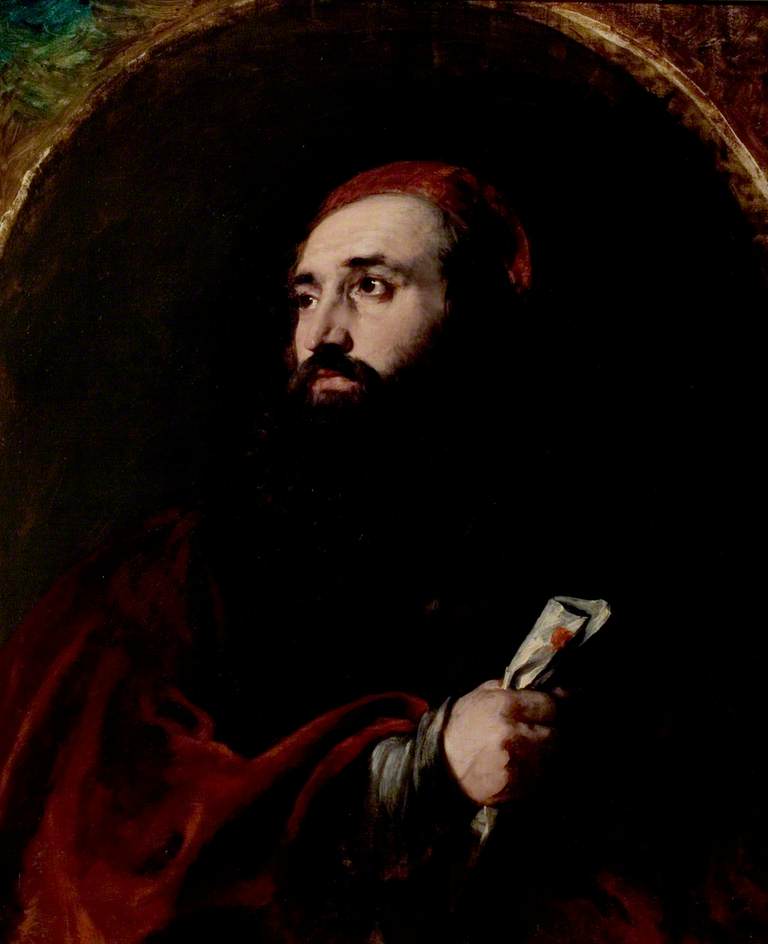
A Jew's Head
 Oil On Canvas
- WallArt
- Victorian Sensibility & Sublime
 77.0 x 64.0 cm
 Nottingham Castle Museum And Art Gallery
 Összes részlet megjelenítése
Kézzel készített olajfestmény reprodukció
Kézzel festett olajvastú vászon, az Ön által választott méretben és keretben, művészeink készítik meglévőre. ( Áttérés Nyomtatványra Áttérés digitális képre)




P118B $10

P118H $10

P118W $10

P438Z $10

P508JH $12

P508YH $12

P805H $10

P805Z $10

P919BZ $10

P919G $10

P919XJ $10

P959ZH $10

P968JZ $12

W106C $8

W218G $10

W218JH $8

W218Y $10

W307PJ $10

W316G $10

W316PJ $8

W316Y $10

W398PJ $8

W4111J $10

W500HY $15

W500JH $15

W692G $12

W849H $8

W940BG $15

W953PJ $8




Válasszon előre meghatározott méreteink közül, amelyek megfelelnek a műalkotás eredeti arányainak.

Ön megadhat saját méreteket egy adott kerethez vagy térhez igazításhoz. Ha a kiválasztott méret nem egyezik az eredeti kép arányával, akkor a műalkotást levágjuk, vagy további kézzel festett elemekkel meghosszabbítjuk a festményt. A gyártás megkezdése előtt küldünk Önnek egy digitális előnézetet jóváhagyásra.
Kérjük, vegye figyelembe, hogy a képernyőn megjelenő előnézet nem tükrözi a tényleges vágást vagy kiterjesztést. Csak az előnézet fog pontosan mutatni a végső kompozíciót.
Bár egyedi méretek állnak rendelkezésre, javasoljuk, hogy válasszon egy méretet az előre meghatározott listából az eredeti arányok megőrzése érdekében.
A rendelést követően a OriginalUniqueArt.com csapata e-mailt küld az ügyfélnek az instrukciókért, és biztosít egy előnézeti képet (mockup).
Világszerte elérhető szállítás () 3-4 hét alatt a szokásos 5 hét helyett. (12 szeptember). A minőség nem kérdőjelezhető.

Ingyenes globális expressz szállítás

Prémium minőségű len vászon

Teljes körű szállítási biztosítás

Vámvisszatérítési Garancia

Hiteles színpontosság garancia

100 napos visszaküldési lehetőség (csak hibás termékek esetén)

100% pénzvisszatérítési garancia

Több darab vásárlása esetén kedvezmény
 Az üvegkeretes opció csak 110 cm alatti méretben érhető el

A Jew's Head
Reprodukciós technika
Reprodukció mérete
-


Összesített ár
$ 300
William Etty: Rediscovering Victorian Sensibility & The Sublime in Historical Painting
William Etty (1787–1849), the seventh son of a York baker and miller, had originally been an apprentice printer in Hull, but on completing his seven-year apprenticeship in 1805 moved to London to become an artist. In January 1807 he was admitted to the Royal Academy Schools as a probationer, and in July of that year became a student of renowned portrait painter Thomas Lawrence, studying under him for a year. Strong influences from Titian and Rubens shaped Etty’s artistic vision, propelling him toward a distinctive style characterized by meticulous realism and an unwavering dedication to capturing the human form with unparalleled accuracy—a hallmark that would earn him considerable respect at the Royal Academy of Arts. Despite facing criticism regarding his unconventional approach to art and his controversial depictions of nude figures, Etty persevered in his pursuit of artistic excellence, securing a place among Britain’s most celebrated painters by 1828 when he was elected a full Royal Academician—the highest honor attainable within the artistic community at that time. Throughout his prolific career, Etty remained steadfastly committed to honing his craft through life classes, defying prevailing societal norms and demonstrating an unwavering passion for mastering the subtleties of artistic technique. His oeuvre encompassed both portraiture and historical paintings, reflecting a profound engagement with the aesthetic ideals of his era—a period marked by burgeoning interest in classical art forms and fueled by a desire to elevate British painting to levels comparable to those achieved by European masters. Notably, Etty’s groundbreaking exploration of the nude figure challenged established conventions and sparked considerable debate within artistic circles, establishing him as a pioneer of Victorian sensibility and solidifying his legacy as one of Britain's foremost artists.- Subject Matter: Etty’s paintings frequently tackled monumental historical narratives—often portraying biblical scenes or mythological tales—with an emphasis on dramatic composition and meticulous detail.
- Style & Technique: He championed a style rooted in Renaissance principles, prioritizing idealized representations of the human body alongside masterful use of chiaroscuro (light and shadow) to imbue his canvases with palpable emotion and psychological depth.
- Historical Context: Etty’s work emerged during a transformative period in British art history—the ascendancy of the Royal Academy Schools and the prevailing aesthetic sensibilities of Victorian society, where idealized beauty and moral contemplation held sway.
- Symbolism: Recurring motifs within his paintings—such as classical drapery and heroic postures—served to convey profound philosophical ideas about virtue, honor, and human dignity.
- Emotional Impact: Etty’s art aimed to evoke a powerful response from viewers—inspiring awe and contemplation while simultaneously conveying narratives of courage, compassion, and spiritual transcendence.
A művész életrajza
A Pioneer of the British Nude: The Life and Art of William Etty
William Etty, a name perhaps less instantly recognizable than his contemporaries like Turner or Constable, nevertheless occupies a pivotal position in 19th-century British art. Born in York on March 10, 1787, above his father’s bakery, Etty's journey from humble beginnings to Royal Academician was one marked by relentless dedication, artistic innovation, and no small measure of controversy. His early life offered little indication of the path he would forge. Apprenticed at age twelve to a printer in Hull, seven years were spent immersed in the practicalities of typography – a world far removed from the canvases that would eventually bear his signature. Yet, even amidst the mechanical demands of printmaking, Etty nurtured a burgeoning passion for drawing, an impulse that ultimately propelled him towards London and the hallowed halls of the Royal Academy Schools in 1807. There, under the tutelage of Thomas Lawrence, he honed his skills through diligent copying, laying the foundation for a career defined by masterful depictions of the human form.The Rise to Prominence: Nudes and Controversy
Etty’s breakthrough arrived in 1821 with *Cleopatra's Arrival in Cilicia*, a painting that immediately ignited both admiration and scandal. The work, teeming with nude figures, was exhibited to widespread acclaim, yet simultaneously earned him a reputation for indecency. This duality would become a defining characteristic of his career. He wasn’t merely depicting nudity; he was exploring the human form with an unprecedented realism and anatomical precision for a British artist of that era. His commitment to accurately rendering flesh tones, light, and shadow – influenced by his study of Venetian masters like Titian and Rubens during travels in Italy and France – set him apart. He continued to produce historical scenes populated with nudes, often drawn from classical mythology or literature, such as *The Sirens and Ulysses*. These works were commercially successful, allowing Etty to thrive despite the constant criticism leveled against his subject matter. The prevailing Victorian sensibilities found his depictions of the human body unsettling, a challenge to established moral codes. Despite this, he remained steadfast in his artistic vision, producing some of the most compelling and technically brilliant nude paintings of the era.Beyond the Nude: Portraits and Still Life
While Etty is most celebrated for his nudes, his artistic range extended beyond this controversial domain. Recognizing the need to broaden his appeal – and perhaps secure a more stable income – he ventured into portraiture during the 1830s. Though not as groundbreaking as his figure paintings, these portraits demonstrate his technical skill and ability to capture character. Furthermore, Etty became one of the first English painters to seriously engage with still life, demonstrating an eye for detail and a sensitivity to texture that rivaled the Dutch masters he admired. This diversification reveals a pragmatic side to Etty’s artistic practice, a willingness to adapt to market demands while remaining true to his core aesthetic principles. He continued, however, to return to the nude form throughout his life, driven by an unwavering fascination with its beauty and expressive potential.Influences and Artistic Development
Etty's early training under Thomas Lawrence provided him with a solid foundation in academic technique and composition. However, it was his travels through Italy and France that truly shaped his artistic vision. He became deeply influenced by the Venetian masters, particularly Titian and Rubens, whose use of color, light, and shadow profoundly impacted his approach to painting. He meticulously studied their techniques, striving to emulate their ability to render the human form with both realism and emotional depth. The influence of classical sculpture was also significant; Etty sought to capture the idealized beauty of the human body in a way that echoed the principles of ancient Greek art. His early works demonstrate a clear debt to these influences, but he gradually developed his own distinctive style—characterized by a remarkable attention to anatomical detail and a sensual quality that set him apart from many of his contemporaries.Legacy and Rediscovery
William Etty died in York on November 13, 1849, leaving behind a substantial body of work that initially enjoyed considerable popularity. However, tastes shifted in the decades following his death, and his paintings fell into relative obscurity. By the late 19th century, his once-celebrated works were largely forgotten, dismissed as outdated or simply too shocking for Victorian sensibilities. A remarkable rediscovery began in the early 21st century. His inclusion in Tate Britain’s landmark *Exposed: The Victorian Nude* exhibition (2001–2002) sparked renewed interest in his art, prompting critical reevaluation and a reassessment of his place in British art history. The restoration of *The Sirens and Ulysses* in 2010 further cemented this revival, revealing the brilliance of his technique and the enduring power of his vision. Today, William Etty is recognized as a pioneering figure who challenged artistic conventions, celebrated the human form with unparalleled realism, and left an indelible mark on the landscape of British art. His works stand as testaments to his skill, dedication, and unwavering commitment to capturing the beauty and complexity of the human experience.Key Works
- Cleopatra's Arrival in Cilicia (1821): The painting that launched Etty’s career and established his reputation for depicting nudes.
- The Sirens and Ulysses (1837): A dramatic depiction of Homer’s epic, showcasing Etty’s mastery of composition and anatomy.
- Reverend William Jay (c. 1836-40): An example of his portraiture work, demonstrating a keen eye for character.
- Standing Female Nude (date unknown): A study showcasing Etty’s exceptional skill in rendering realistic flesh tones and form.

William Etty
1787 - 1849 , Egyesült Királyság
A művészről röviden
- Artistic Movement Or Style: Romanticizmus
- Artists Or Movements Influenced By This Artist:
- Titian
- Rubens
- Artists Who Influenced This Artist: ['Thomas Lawrence']
- Date Of Birth: 1787. március 10.
- Date Of Death: 1849. november 13.
- Full Name: William Etty
- Nationality: Angol
- Notable Artworks:
- Cleopatra érkezése
- A Nymphaeum
- Standing Female Nude
- Place Of Birth: York, Egyesült Királyság
Kapcsolódó cikkek
R.A. Benjamin Williams: Victorian Genre Painting & Social Commentary
Explore the captivating world of Benjamin Williams Leader's Victorian genre paintings. Discover his mastery of naturalism, social commentary & lasting influence on British art. Expert insights at OriginalUniqueArt.
William Collins: A Study in Victorian Narrative Painting & Social Commentary
Explore the captivating world of William Collins (1788-1847), a celebrated Victorian painter known for his charming genre scenes and poignant social commentary. Discover his artistic journey, influences, and lasting legacy with OriginalUniqueArt.

William Powell Frith: Narratives of Victorian Society & the Rise of Realist Painting
Explore the life & works of William Powell Frith, the 'greatest British painter of social scenes.' Discover his iconic Victorian genre paintings and learn about his lasting impact on realist art. Hand-painted reproductions available.

William Etty: Rediscovering Victorian Sensibility & the Sublime in Historical Painting
Explore the captivating world of William Etty, a pioneering Victorian artist famed for his dramatic historical paintings and groundbreaking nude figures. Discover his life, controversial reception, and enduring legacy with our expert analysis.

William James Müller: Navigating Victorian Sentiment & Realism in British Landscape Painting
Explore the captivating landscapes of William James Müller, the leading artist of the Bristol School. Discover his Victorian masterpieces, Egyptian travels & Lycian sketches – a journey through 19th-century art and technique.


