

 Megtekintés
 Küldés
 Megosztás
 Részletek

 Letöltés
 Hasonló darabok
 X-ray felvétel
 Diavetítés
 Statisztika
Winter
 Impressionism
 1931
1931 35.0 x 39.0 cm
 Összes részlet megjelenítése
Giclée / Műnyomat
Múzeumi minőségű giclée vagy vászonnyomat, gyors gyártással és rugalmas finomítási lehetőségekkel. ( Kézzel festett másolat rendelése Áttérés digitális képre)




































Válasszon előre meghatározott méreteink közül, amelyek megfelelnek a műalkotás eredeti arányainak.

Megadhat saját méreteket is egy konkrét kerethez vagy helyszínhez igazítva. Amennyiben a kiválasztott méret nem egyezik az eredeti kép arányokkal, a műalkotást le fogjuk vágni, vagy kiegészítjük a képet tükrözött vagy egyszínű szélekkel. A gyártás megkezdése előtt egy digitális tervezetet küldünk jóváhagyásra.
Kérjük, vegye figyelembe, hogy a képernyőn látható előnézet nem tükrözi a tényleges levágást vagy kiegészítést. Csak a tervezet mutatja pontosan a végső kompozíciót.
Bár az egyedi méretek is elérhetőek, az eredeti arányok megőrzése érdekében azt javasoljuk, hogy válasszon a előre meghatározott listából származó méretet.
Világszerte történő kiszállítás területére mindössze 2 hét alatt, a szokásos 4-5 hét helyett. (10 szeptember)

Ingyenes globális expressz szállítás

Prémium minőségű len vászon

Teljes körű szállítási biztosítás

Vámvisszatérítési Garancia

Hiteles színpontosság garancia

100 napos visszaküldési lehetőség (csak hibás termékek esetén)

100% pénzvisszatérítési garancia

Több darab vásárlása esetén kedvezmény
 Az üvegkeretes opció csak 110 cm alatti méretben érhető el

Winter
Giclée / Műnyomat
Reprodukció mérete
-


Összesített ár
$ 80
A művész életrajza
William Moore I (1730 – 1806): The Painter of Everyday Life
William Moore I was a British artist who achieved considerable renown during the Georgian era, primarily for his unflinching portrayal of London life and social commentary. Unlike many artists of his time focused on grand historical narratives or mythological subjects, Moore dedicated himself to capturing the gritty realities of urban existence – scenes from taverns, marketplaces, and domestic interiors – offering a uniquely insightful glimpse into the lives of ordinary people. Moore’s artistic style is often described as Hogarthian, referencing the celebrated British painter Henry Raeburn's influence. Like Hogarth, Moore employed meticulous detail and realism to depict commonplace subjects with an acute awareness of human psychology. He wasn’t interested in idealizing his subjects; instead, he presented themwarts and all, exposing both their virtues and vices with unflinching honesty. This approach distinguished him from the prevailing artistic conventions of the period, which tended towards decorative elegance rather than social critique. Born in Dublin in 1730, Moore's early life remains somewhat obscure, though he apprenticed under Jonathan Richardson Sr., a prominent portrait painter known for his theatrical and expressive style. Richardson instilled in Moore a commitment to observation and psychological realism—principles that would shape his artistic vision throughout his career. He honed his skills by studying anatomy and drawing from plaster casts, techniques considered essential for achieving accurate representation of the human form. Moore’s prolific output spanned across various mediums including oil paintings, watercolors, mezzotint prints, and etchings. His most celebrated works include “The Gin Drinker,” “Marriage Portfolio,” and “A Laughing Cavalier,” which collectively constitute a powerful indictment of social hypocrisy and moral decay. These prints, particularly "The Gin Drinker," are considered masterpieces of satirical art, skillfully combining visual storytelling with psychological insight to convey complex ideas about human behavior. The Gin Drinker depicts a man consumed by alcohol and despair, highlighting the detrimental effects of excessive indulgence on both body and mind—a theme that resonated deeply with audiences of the time. Furthermore, Moore’s artistic endeavors extended beyond mere depiction; he actively engaged in theatrical productions, designing sets and costumes for operas and plays. This involvement fostered his understanding of visual composition and storytelling within a broader context, enriching his artistic sensibilities. He collaborated extensively with composers like Johann Christian Bach and Giuseppe Sammartini, contributing to the flourishing musical culture of London during the Georgian period. Moore’s influence on subsequent generations of artists is undeniable. His unwavering commitment to realism and psychological observation paved the way for Impressionism and Realism movements in the 19th century. Artists such as Gustave Courbet and Jean-François Millet drew inspiration from Moore's approach, prioritizing truthful representation over idealized beauty—a legacy that continues to inspire contemporary art practitioners today. William Moore I remains a pivotal figure in British art history, remembered not for grand narratives but for his profound understanding of human nature and his courageous portrayal of the everyday world.
A művészről röviden
- Artistic Movement Or Style: Hogarthian Style
- Artists Or Movements Influenced By This Artist: ['British Rococo']
- Artists Who Influenced This Artist:
- Nicolas Poussin
- Joshua Reynolds
- Full Name: William Moore I
- Nationality: British
- Notable Artworks:
- Marriage Portrait
- The Painter's Family
- Place Of Birth: London, England
Kapcsolódó cikkek

A 10 legikonikus impresszionista tájkép: művészeti remekművek otthonába | OriginalUniqueArt.com
Fedezze fel a 10 legikonikus impresszionista tájkép festményt! Monet, Renoir, Degas és más művészek remekművei. Vászonképek, faliképek otthonába – inspirálódjon OriginalUniqueArt.com-on! Explore the full collection online.
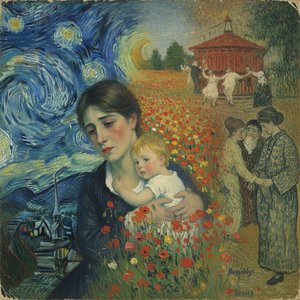
Capturing the Soul: The Most Emotionally Moving Impressionist and Post-Impressionist Masterpieces
Discover the profound emotional depth of Impressionist and Post-Impressionist masterpieces. Explore how legends like Monet, Van Gogh, and Gauguin captured light and soul through evocative landscapes and vibrant brushwork for a timeless connection to art history.

A 10 legikonikus impresszionista tájkép: Művészeti remekművek otthonába – OriginalUniqueArt.com
Fedezze fel a 10 legikonikus impresszionista tájkép festményt! Monet, Renoir és más mesterek alkotásainak története. Olajfestmények, vászonképek otthonába – OriginalUniqueArt.com kínálatából. Explore the full collection online!
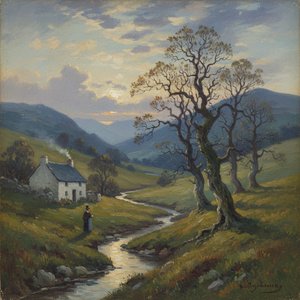
Penry Williams: Evoking Welsh Nostalgia Through Impressionistic Landscapes
Explore the captivating world of Penry Williams (1802-1885), a Welsh artist renowned for his evocative Impressionistic landscapes and scenes of Italy. Discover his life, style & legacy with OriginalUniqueArt.
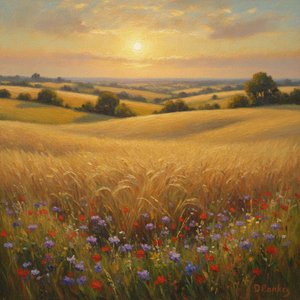
Golden Fields & Sun-Drenched Meadows: Capturing the Soul of Impressionist Landscapes
Immerse yourself in the luminous world of Impressionist landscapes. Discover how masters like Monet and Gauguin captured ephemeral light through plein air painting, and learn to bring the soul of sun-drenched meadows into your home with exquisite, hand-painted oil reproductions.