

 Előnézet
 Megosztás
 Megosztás
 Részletek
 Útmutató

 Letöltés
 Hasonló darabok
 X-ray felvétel
 Diavetítés
 Statisztika
At the Coal Face
 Social Realism
 1946
1946 100.0 x 85.0 cm
 Tovább olvasom
Az ezen az oldalon megjelenített műalkotások szerzői jogi védelem alatt állnak, ami azt jelenti, hogy törvényileg nem készíthetünk és nem adhatunk el belőlük pontos másolatokat. Ez a védelem olyan nemzetközi megállapodások alapján érvényesül, mint például a Berni Egyezmény és a nemzeti törvények által, beleértve azokat is, amelyeket meghatározott Az USA szerzői jogi törvénye – 17. cím.
Ez a módszer teljes mértékben megfelel a szerzői jogi szabályozásnak, mivel nem tartalmazza a védett műalkotás másolását vagy duplikálását. Ehelyett ez egy kreatív újinterpretáció – egy új festmény, amely az eredetivel való összefüggései miatt hatással van rá, de nem az az.
Giclée / Műnyomat
Múzeumi minőségű giclée vagy vászonnyomat, gyors gyártással és rugalmas finomítási lehetőségekkel. ( Kézzel festett másolat vásárlása Áttérés digitális képre)




P118B Ft10

P118H Ft10

P118W Ft10

P438Z Ft10

P508JH Ft12

P508YH Ft12

P805H Ft10

P805Z Ft10

P919BZ Ft10

P919G Ft10

P919XJ Ft10

P959ZH Ft10

P968JZ Ft12

W106C Ft8

W218G Ft10

W218JH Ft8

W218Y Ft10

W307PJ Ft10

W316G Ft10

W316PJ Ft8

W316Y Ft10

W398PJ Ft8

W4111J Ft10

W500HY Ft15

W500JH Ft15

W692G Ft12

W849H Ft8

W940BG Ft15

W953PJ Ft8




Válasszon előre meghatározott méreteink közül, amelyek megfelelnek a műalkotás eredeti arányainak.

Írja be a keretének vagy a falának megfelelő szélességet és magasságot. A nyomatot csak le lehet vágni, soha nem tehető nagyobbá, mint az eredeti kép, így egy eltérő alakú méretnél a kép egy része elveszik. Mielőtt bármit kinyatintanánk, küldünk egy digitális próbamodellt jóváhagyásra. Az oldalon látható kép nem tartalmazza a valós levágást — ezt csak a próbamodell mutatja meg.
Világszerte történő kiszállítás területére mindössze 2 hét alatt, a szokásos 4-5 hét helyett. (23 október)

Ingyenes globális expressz szállítás

Prémium minőségű len vászon

Teljes körű szállítási biztosítás

Vámvisszatérítési Garancia

Tökéletes színarányosság garancia

100 napos visszaküldési garancia (csak gyártási hibás termékek esetén)

100% pénzvisszatérítési garancia

Több darab vásárlásakor kedvezmény
 Az üvegkeretes opció csak 110 cm alatti méretben érhető el

At the Coal Face
Giclée / Műnyomat
Reprodukció méretei
-


Összesített ár
Ft 25718
A művész életrajza
William Dring: A Quiet Master of Post-War British Portraiture
William Dring (1904-1990) wasn’t a flamboyant figure in the art world, yet his quietly assured portraits and landscapes offer a remarkably sensitive glimpse into post-war Britain. Born in Streatham, London, and trained at the prestigious Slade School of Fine Art, Dring’s career unfolded with a deliberate grace, marked by meticulous technique, understated emotion, and a profound understanding of human character. He wasn't driven by grand gestures or revolutionary ideas; instead, he excelled at capturing the essence of his subjects – from royalty to everyday individuals – with an almost uncanny ability to reveal their inner lives.
Dring’s early artistic development was shaped by the rigorous training at the Slade, where he honed his skills in draughtsmanship and composition. He quickly established himself as a talented pastel artist, mastering the medium's capacity for subtle tonal shifts and delicate detail. This technical proficiency would become a hallmark of his work, allowing him to create images that were both precise and deeply expressive. His initial commissions included murals for architects Lutyens and Richardson, providing an early exposure to diverse subjects and styles – a foundation upon which he built his distinctive artistic voice.
The War Artist and the Portrait of a Nation
World War II dramatically altered Dring’s trajectory, thrusting him into the role of official War Artist. He was commissioned by the Admiralty and Air Ministry to document the realities of conflict through portraiture, capturing the faces of those who served – officers, sailors, airmen, and civilians alike. This period represents a crucial phase in his artistic development, as he adapted his skills to meet the urgent demands of wartime service. His portraits weren’t heroic celebrations of military might; rather, they offered intimate studies of individuals grappling with uncertainty, resilience, and loss. The starkness of the war years informed his palette, favoring muted tones and a restrained approach that amplified the emotional weight of each image.
Dring's wartime work is particularly notable for its accessibility and humanity. He eschewed grand poses and theatrical settings, preferring to capture subjects in naturalistic situations – at their desks, during breaks, or engaged in everyday activities. This intimacy created a powerful connection between the viewer and the portrayed individual, offering a poignant reflection on the human cost of conflict. His portraits of figures like Commander William D. King, a submarine officer who faced extraordinary challenges during the Battle of the Atlantic, stand as testaments to his ability to convey both strength and vulnerability.
A Royal Patronage and Beyond
Following the war, Dring continued to work prolifically, establishing himself as one of Britain’s most respected portraitists. He received commissions from prominent figures – including members of the Royal Family – and produced a series of celebrated portraits that captured the dignity and grace of his subjects. His ability to capture not just physical likeness but also personality and character was highly valued by his patrons. Beyond portraiture, Dring also explored landscapes with a similar sensitivity, employing a restrained palette and meticulous attention to detail to evoke the beauty and tranquility of the British countryside.
His work gained recognition through exhibitions at the Royal Watercolour Society and the Royal Academy, solidifying his place within the established art world. He became an Associate Academician in 1944 and a full Academician in 1955 – honors that reflected his enduring contribution to British art. Dring’s legacy lies not in revolutionary innovation but in his quiet mastery of technique, his profound empathy for his subjects, and his ability to capture the spirit of an era through understated yet deeply resonant imagery.
Key Characteristics and Influences
Dring's style is characterized by several key elements. His draughtsmanship was impeccable, evident in the precise lines and careful modeling of his figures and landscapes. He favored pastel as his primary medium, appreciating its versatility for capturing tonal nuances and creating a sense of immediacy. His portraits are notable for their psychological depth – he didn’t simply reproduce appearances but sought to reveal the inner lives of his subjects. Influences on Dring's work can be traced back to the Slade School of Art, particularly the teachings of Henry Tonks, who emphasized observation and technical skill. The influence of British landscape painting traditions is also evident in his depictions of the countryside, reflecting a deep appreciation for the beauty of the natural world.
Dring’s work offers a valuable window into post-war Britain – a nation grappling with the aftermath of conflict while striving to rebuild its society and identity. His portraits are not merely representations of individuals; they are reflections of a time, capturing the hopes, anxieties, and resilience of a generation.
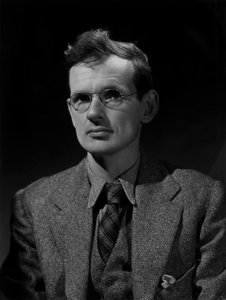
William D Dring
1904 - 1990
Gyors információk
- Full Name: Dennis William Dring
- Nationality: British
- Date Of Birth: 1904
- Date Of Death: 1990
- Place Of Birth: Streatham, London
- Notable Artworks:
- Conversation in the Bar
- Distant View of Worcester
- Miss Elizabeth Bolton
- Artistic Movement Or Style: Portraiture, Landscape
- Artists Who Influenced This Artist: ['Henry Tonks']
- Artists Or Movements Influenced By This Artist:
- Royal Watercolour Society
- Royal Academy
Kapcsolódó cikkek
Realism in Art: A Professional Guide to Authentic Detail and Lifelike Masterpieces for Large-Scale Interior Projects
Master the use of Realism in professional interiors. This expert guide explores 19th-century masterpieces, offering procurement managers and designers technical insights into selecting authentic, hand-painted oil reproductions for high-end hotel and corporate projects.

Oil on Canvas: A Historical & Technical Exploration of a Timeless Artistic Medium
Explore the rich history & enduring techniques of oil painting on canvas. Discover the science behind its longevity, conservation practices, and contemporary relevance. Expert insights for art enthusiasts.

The Enduring Power of Painting: A Historical & Contemporary Exploration of Form and Emotion
Explore the rich history & enduring techniques of oil painting with OriginalUniqueArt. Discover masterpieces, learn about art collecting, and find authentic handmade reproductions crafted by skilled artists.

The Enduring Legacy of Oil on Canvas: Technique, History & Aesthetic Impact
Explore the rich history & techniques of oil painting – from Renaissance masters to Impressionism. Discover pigments, layering methods, and why this timeless medium endures. Expert insights for artists & art enthusiasts.

Romantic Realism's Finest: 10 Masterpieces for Your Home | OriginalUniqueArt
Explore 10 defining masterpieces of Romantic Realism! Discover Courbet, Millet & Daumier's powerful paintings—capturing emotion and social realities. Find museum-quality reproductions for your home at OriginalUniqueArt.com.