 Megtekintés
 Küldés
 Megosztás
 Részletek

 Letöltés
 Hasonló darabok
 X-ray felvétel
 Diavetítés
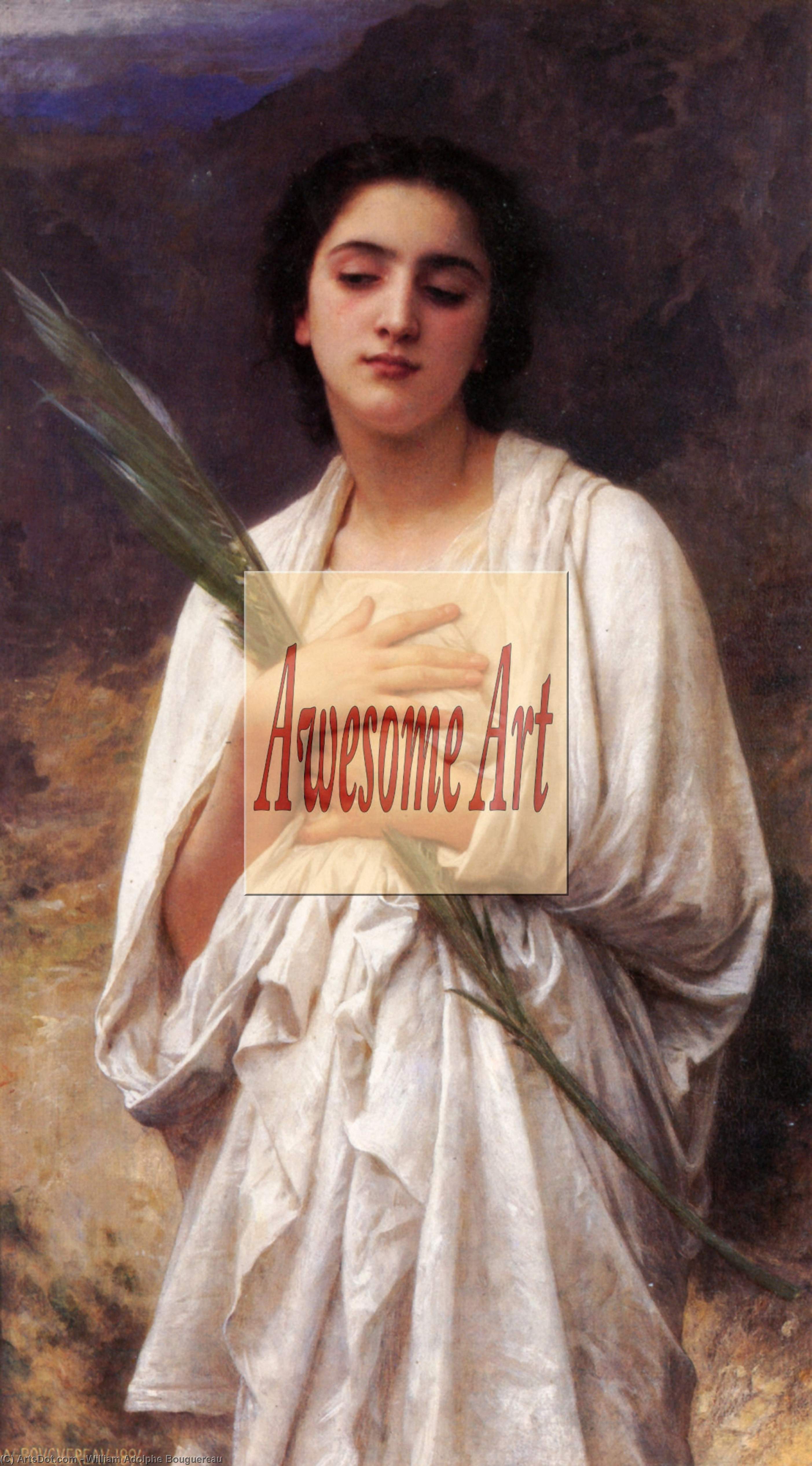
The Palm Leaf


 Összes részlet megjelenítése
Kézzel készített olajfestmény reprodukció
Kézzel festett olajvastú vászon, az Ön által választott méretben és keretben, művészeink készítik meglévőre. ( Nyomat rendelése Kép letöltése)




P118B $10

P118H $10

P118W $10

P438Z $10

P508JH $12

P508YH $12

P805H $10

P805Z $10

P919BZ $10

P919G $10

P919XJ $10

P959ZH $10

P968JZ $12

W106C $8

W218G $10

W218JH $8

W218Y $10

W307PJ $10

W316G $10

W316PJ $8

W316Y $10

W398PJ $8

W4111J $10

W500HY $15

W500JH $15

W692G $12

W849H $8

W940BG $15

W953PJ $8




Válasszon előre meghatározott méreteink közül, amelyek megfelelnek a műalkotás eredeti arányainak.

Ön megadhat saját méreteket egy adott kerethez vagy térhez igazításhoz. Ha a kiválasztott méret nem egyezik az eredeti kép arányával, akkor a műalkotást levágjuk, vagy további kézzel festett elemekkel meghosszabbítjuk a festményt. A gyártás megkezdése előtt küldünk Önnek egy digitális előnézetet jóváhagyásra.
Kérjük, vegye figyelembe, hogy a képernyőn megjelenő előnézet nem tükrözi a tényleges vágást vagy kiterjesztést. Csak az előnézet fog pontosan mutatni a végső kompozíciót.
Bár egyedi méretek állnak rendelkezésre, javasoljuk, hogy válasszon egy méretet az előre meghatározott listából az eredeti arányok megőrzése érdekében.
A rendelést követően a OriginalUniqueArt.com csapata e-mailt küld az ügyfélnek az instrukciókért, és biztosít egy előnézeti képet (mockup).
Világszerte elérhető szállítás () 3-4 hét alatt a szokásos 5 hét helyett. (18 augusztus). A minőség nem kérdőjelezhető.

Ingyenes globális expressz szállítás

Prémium minőségű len vászon

Teljes körű szállítási biztosítás

Vámvisszatérítési Garancia

Hiteles színpontosság garancia

60 napos visszaküldési lehetőség (csak hibás termékek esetén)

100% pénzvisszatérítési garancia

Több darab vásárlása esetén kedvezmény
 Az üvegkeretes opció csak 110 cm alatti méretben érhető el

The Palm Leaf
Reprodukciós technika
Reprodukció mérete
-


Összesített ár
$ 300
A műalkotás leírása
A Moment of Serene Beauty: Exploring Bouguereau’s "The Palm Leaf"
William-Adolphe Bouguereau's “The Palm Leaf,” painted in 1894, is more than just a portrait; it’s an immersion into a world of idealized beauty and tranquil contemplation. This captivating work exemplifies the artist’s mastery of realism blended with romantic sensibilities, creating an image that continues to resonate with viewers today. The scene unfolds with a woman of remarkable grace, her long hair cascading around her shoulders as she delicately holds a vibrant green leaf in her hand. The backdrop – a majestic mountain range bathed in soft light – elevates the piece beyond a simple depiction of a young woman, transforming it into a symbol of serenity and connection to nature.
- Subject Matter: The central figure embodies classical ideals of feminine beauty, reminiscent of Bouguereau’s frequent portrayals of mythological goddesses and allegorical figures.
- Setting: The mountainous landscape isn't merely a decorative element; it suggests a realm of escape, a place of quiet reflection and spiritual connection.
- Symbolism: The palm leaf itself carries rich symbolic weight – representing victory, immortality, and often, the feminine principle in various cultures.
The Painter’s Hand: Technique and Style
Bouguereau's technique is immediately recognizable—a meticulous attention to detail combined with a masterful use of oil paints. He employed a layering approach, building up translucent glazes that create an astonishing sense of depth and luminosity. The skin tones are particularly noteworthy, rendered with a delicate warmth and subtle variations in hue that give the figure an almost ethereal quality. His brushwork is precise yet fluid, contributing to the overall feeling of polished realism. This dedication to technique reflects Bouguereau’s deep respect for the traditions of academic painting, while simultaneously forging his own distinctive style.
- Realism and Romanticism: The work seamlessly blends these two movements, creating a harmonious balance between objective observation and subjective emotion.
- Color Palette: Bouguereau favored a restrained palette of muted tones – greens, whites, and browns – which enhances the sense of tranquility and emphasizes the luminous quality of light.
- Dimensionality: The artist’s skillful use of chiaroscuro (the contrast between light and dark) adds significant depth to the composition, drawing the viewer's eye into the scene.
Historical Context and Artistic Influences
Painted in 1894, “The Palm Leaf” reflects the artistic currents of its time – a revival of interest in classical art and mythology alongside the continued influence of Romanticism. Bouguereau’s work was deeply rooted in the traditions of French academic painting, yet he possessed a unique vision that set him apart from his contemporaries. His admiration for masters like Raphael and Titian is evident in his meticulous attention to anatomy, composition, and color theory. The inclusion of similar works by Monet and Van Gogh on OriginalUniqueArt.com highlights the breadth of artistic inspiration within Bouguereau’s oeuvre and the broader landscape of late 19th-century art.
Capturing the Essence: Reproduction Possibilities
OriginalUniqueArt.com offers meticulously crafted hand-painted reproductions of “The Palm Leaf,” allowing you to bring this timeless masterpiece into your home or office. Each reproduction is created by skilled artisans who replicate Bouguereau’s technique with exacting precision, ensuring that the beauty and emotional impact of the original are faithfully preserved. Whether you're an art collector, interior designer, or simply someone seeking a touch of elegance and serenity, a OriginalUniqueArt.com reproduction offers a unique opportunity to own a piece of art history.
A művész életrajza
A Life Immersed in Beauty: The World of William-Adolphe Bouguereau
William-Adolphe Bouguereau’s life unfolded as a profound celebration of classical ideals and breathtaking realism, beginning amidst the picturesque vineyards and olive groves of La Rochelle, France. From his earliest days, an undeniable artistic inclination guided him, leading to Paris and the prestigious École des Beaux-Arts. There, under the tutelage of François-Edouard Picquenot, he honed his skills, absorbing the timeless lessons imparted by the Old Masters – Raphael and Titian standing as particularly influential figures. These influences weren’t merely superficial imitations; they formed the very bedrock upon which Bouguereau constructed a unique artistic vision: one characterized by meticulous detail, luminous color palettes, and an unwavering dedication to portraying beauty in its most idealized form. He didn't simply capture what he *saw*; rather, he sought to represent what he believed to be inherently beautiful, striving for a level of perfection that resonated deeply with the aesthetic sensibilities of his era.The Architect of Academic Perfection
Bouguereau’s artistic style is often described as “academic realism,” and this description holds considerable truth. He possessed an extraordinary mastery of anatomy, light, and composition – skills honed through rigorous training and a deep understanding of classical principles. His canvases are populated by figures rendered with astonishing precision: the delicate curve of a shoulder, the subtle blush of skin, the expressive depth of an eye. Yet, his work transcends mere technical proficiency; it’s infused with profound emotion and narrative power. Bouguereau frequently depicted mythological scenes, transforming ancient tales into vibrant, emotionally resonant moments. *The Birth of Venus*, for instance, isn't merely a depiction of the goddess emerging from the sea; it’s a powerful celebration of feminine grace and ethereal beauty – an embodiment of classical ideals elevated to their most sublime expression. Similarly, works like *Zenobia Found by Shepherds on the Banks of the Araxes* capture vulnerability and pathos with remarkable sensitivity, revealing a nuanced understanding of human emotion. Beyond mythology, Bouguereau found inspiration in everyday life – portraying shepherdesses tending their flocks, young girls at play, mothers cradling their children. These genre scenes, while seemingly simple, are imbued with a dignity and tenderness that elevates them to the realm of art, demonstrating his ability to find beauty in the ordinary. *Faneuse (1869)* exemplifies this approach, showcasing his meticulous attention to detail and atmospheric rendering.Influences and Artistic Development
Bouguereau’s artistic journey was shaped by a confluence of influences. His early studies in Italy under Raffaello, Andrea del Sarto, and Guido Reni profoundly impacted his style, particularly his interest in mythological subjects. He meticulously studied the works of Raphael and Titian, absorbing their techniques for rendering form, light, and color. However, Bouguereau didn’t simply replicate these masters; he synthesized their lessons into a distinctly personal vision. His work evolved over time, reflecting both his adherence to academic principles and his growing interest in capturing the essence of human emotion. During the 1870s and 1880s, he developed a distinctive style characterized by soft colors, delicate brushwork, and an emphasis on idealized beauty. He was particularly drawn to scenes of childhood innocence and tenderness, as evidenced by paintings like *Child at Bath* and *Tóbiás búcsúja apjától*. His later works often featured religious subjects, rendered with a serene spirituality that resonated with the sensibilities of his time.A Rediscovered Master
For decades following his death in 1905, Bouguereau’s work largely faded from public view. The rise of modern art movements – Impressionism, Post-Impressionism, and Cubism – overshadowed his traditional style, leading to a decline in critical recognition. However, beginning around 1979, there was a gradual but significant revival of interest in Bouguereau’s oeuvre. Art historians began to appreciate the technical brilliance and artistic integrity of his paintings, recognizing them as masterpieces of academic realism. His prices at auction soared, and museums began to exhibit his works with renewed enthusiasm. Today, Bouguereau is widely regarded as one of the most important artists of the 19th century – a testament to the enduring appeal of classical ideals and the power of meticulous craftsmanship.Legacy and Enduring Appeal
Bouguereau’s influence extends far beyond his own paintings. He was a highly respected teacher, shaping the careers of numerous aspiring artists. His dedication to traditional artistic values – anatomical accuracy, compositional balance, and emotional expression – continues to inspire figurative painters today. His works are now housed in prestigious museums around the world, including the Musée d’Orsay in Paris, the Carnegie Museum in Pittsburgh, and The J. Paul Getty Museum in Los Angeles, ensuring that his legacy will endure for generations to come. His paintings remain remarkably popular, reproduced extensively in posters and prints, demonstrating a continued appreciation for his exquisite beauty and timeless appeal. Bouguereau's art stands as a powerful reminder of the enduring value of skill, dedication, and an unwavering commitment to artistic excellence – a true testament to the power of classical ideals.
William-Adolphe Bouguereau
1825 - 1905 , Franciaország
A művészről röviden
- Artistic Movement Or Style: Akadémiai Realizmus
- Artists Or Movements Influenced By This Artist: ['Impressionizmus']
- Artists Who Influenced This Artist:
- Raffaello
- Tiziano
- Date Of Birth: 1825. nov. 30.
- Date Of Death: 1905. aug. 18.
- Full Name: William-Adolphe Bouguereau
- Nationality: Francia
- Notable Artworks:
- A Nymphaeum
- Bergère 1886
- Gyermek a fürdőben
- Szélhúzó dala (1869)
- Place Of Birth: La Rochelle, Francia
Kapcsolódó cikkek

A mesterek másolása: A galéria-minőségű olajfestmények létrehozásának folyamata – Brushstroke by brushstroke
Galéria-minőségű olajfestmény másolatok kézzel festve, a mesterek technikáival! Pontos reprodukciók, egyedi rendelés, prémium minőség. Biztonságos vásárlás és szakértői tanácsadás a OriginalUniqueArt-on!

Az Első Vázlattól a Tartós Örökségig: Az Olajfestmény Reprodukció Készítésének Részletes Utazása
Fedezze fel az olajfestmény reprodukció művészetét a OriginalUniqueArt-tal! Kézműves alkotások, klasszikus technikák és egyedi megrendelések. Minőségi vászonképek élethű részletekkel – örökéletű emlékek otthonába vagy irodájába!
A digitális portré reneszánszának művészete: személyes emlékek időtálló olajfestményékké alakítva
Alakítsa át kedvenc fényképeit időtálló olajfestményékké! Kézműves festők gondos munkája, klasszikus technikák és egyedi stílusok. Prémium minőség, személyre szabott alkotások – örök emlékek a legmagasabb színvonalon.
Művészeti reprodukciók: Útmutató olajfestmények, vászon és papír technikáihoz
Kiváló minőségű művészeti reprodukciók olajfestésben, vászonon és papíron. Szakértői tanácsadás, egyedi megrendelések a -tól. Fedezze fel a klasszikus és modern műalkotások széles választékát!
A digitális festmények és fotónyomatok új korszakának előnyei a hagyományos művészettől: Esztétikai érték, tartósság és érzelmi rezonancia
Fedezze fel a digitális festészet és fotónyomatok új világát! Prémium minőségű alkotások, egyedi rendelés, kínai festészeti inspiráció. Szakértői tanácsadással segítünk tökéletes műalkotást találni otthonába vagy ajándékba.