

 Megtekintés
 Küldés
 Megosztás
 Részletek
 Útmutató

 Letöltés
 Hasonló darabok
 X-ray felvétel
 Diavetítés
 Statisztika
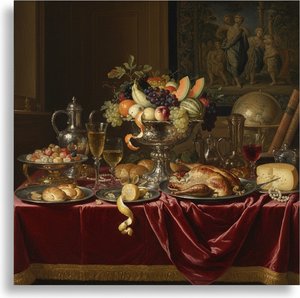
Still-Life
 Oil On Canvas
- WallArt
- Baroque
 1653
1653- Early Modern
 105.0 x 88.0 cm
 Hermitázsmúzeum
 Összes részlet megjelenítése
Giclée / Műnyomat
Múzeumi minőségű giclée vagy vászonnyomat, gyors gyártással és rugalmas finomítási lehetőségekkel. ( Kézzel festett másolat rendelése Áttérés digitális képre)




P118B Ft10

P118H Ft10

P118W Ft10

P438Z Ft10

P508JH Ft12

P508YH Ft12

P805H Ft10

P805Z Ft10

P919BZ Ft10

P919G Ft10

P919XJ Ft10

P959ZH Ft10

P968JZ Ft12

W106C Ft8

W218G Ft10

W218JH Ft8

W218Y Ft10

W307PJ Ft10

W316G Ft10

W316PJ Ft8

W316Y Ft10

W398PJ Ft8

W4111J Ft10

W500HY Ft15

W500JH Ft15

W692G Ft12

W849H Ft8

W940BG Ft15

W953PJ Ft8




Válasszon előre meghatározott méreteink közül, amelyek megfelelnek a műalkotás eredeti arányainak.

Írja be a keretének vagy a falának megfelelő szélességet és magasságot. A nyomatot csak le lehet vágni, soha nem tehető nagyobbá, mint az eredeti kép, így egy eltérő alakú méretnél a kép egy része elveszik. Mielőtt bármit kinyatintanánk, küldünk egy digitális próbamodellt jóváhagyásra. Az oldalon látható kép nem tartalmazza a valós levágást — ezt csak a próbamodell mutatja meg.
Világszerte történő kiszállítás területére mindössze 2 hét alatt, a szokásos 4-5 hét helyett. (26 október)

Ingyenes globális expressz szállítás

Prémium minőségű len vászon

Teljes körű szállítási biztosítás

Vámvisszatérítési Garancia

Hiteles színarányosság garancia

100 napos visszaküldési lehetőség (csak hibás termékek esetén)

100% pénzvisszatérítési garancia

Több darab vásárlásakor kedvezmény
 Az üvegkeretes opció csak 110 cm alatti méretben érhető el

Still-Life
Giclée / Műnyomat
Reprodukció mérete
-


Összesített ár
Ft 25681
A Symphony of Light and Luxury
In the quiet, shadowed corners of the Dutch Golden Age, few masters could command the stage with as much dramatic flair as Willem Kalf. His 1653 masterpiece, Still Life with Lobster, Drinking Horn and Glasses, is not merely a painting of objects; it is a carefully orchestrated performance of light, texture, and prestige. As one gazes upon this canvas, they are immediately transported into an era of unprecedented maritime prosperity, where the spoils of global trade were celebrated through the meticulous brushstrokes of the pronkstilleven—the grand, opulent still life. The composition serves as a window into a world of sensory indulgence, where every glint of silver and every dewdrop on a peach tells a story of wealth, discovery, and the fleeting nature of earthly delights.
The artwork captures a moment of suspended animation, presenting an arrangement that feels both bountiful and profoundly intimate. A vibrant lobster, its shell a testament to Kalf’s ability to render organic complexity, rests amidst the soft, velvety skins of peaches and pears. These natural elements are juxtaposed against the hard, reflective surfaces of man-made treasures: a gleaming silver goblet, a sturdy drinking horn, and delicate glassware that catches the light with ethereal precision. This interplay between the perishable fruit and the enduring precious metals creates a tension that is central to the Baroque experience, inviting the viewer to linger on the exquisite details of each meticulously rendered form.
The Mastery of Chiaroscuro and Texture
Technically, Kalf’s work represents the pinnacle of seventeenth-century Dutch realism. He employs chiaroscuro—the dramatic use of intense light and deep shadow—to sculpt his subjects out of the darkness. This technique does more than provide depth; it breathes life into the inanimate. The way light spills across a silver vessel or pierces through a glass, casting long, evocative shadows across a richly patterned tablecloth, creates a palpable sense of three-dimensionality. For the discerning collector or interior designer, this mastery of contrast offers a profound visual weight that can anchor a room, providing a focal point that changes character as the ambient light of a space shifts throughout the day.
Beyond the play of light, Kalf’s true genius lies in his tactile virtuosity. He possesses an uncanny ability to translate the language of touch into oil on canvas. One can almost feel the cool, smooth surface of the bronze candlestick, the rougher texture of the drinking horn, and the soft, yielding flesh of the ripening fruit. This commitment to hyper-realistic detail ensures that a high-quality reproduction of this piece retains its soul, offering an immersive experience that celebrates the beauty of material existence. It is this level of craftsmanship that makes Kalf’s work eternally relevant for those seeking to infuse their environments with a sense of historical grandeur and sophisticated elegance.
Symbolism and the Soul of the Baroque
To look closely at Kalf’s arrangement is to read a silent poem about the human condition. In the seventeenth century, nothing was purely decorative; every element carried a weight of meaning. The lobster, often associated with luxury and abundance, serves as a symbol of the era's economic triumphs. Meanwhile, the drinking horn alludes to conviviality and social standing, reminding the viewer of the communal joys of the Dutch mercantile class. Yet, beneath this layer of opulence lies a subtle memento mori—a gentle reminder of mortality. The very ripeness of the fruit suggests an approaching decay, a poignant contrast to the enduring brilliance of the silver and gold.
This duality—the celebration of life’s richness alongside a contemplation of its transience—is what gives the painting its profound emotional resonance. It evokes a sense of quiet melancholy wrapped in a cloak of splendor. For those looking to decorate with art that possesses depth and narrative, Kalf’s work offers an unparalleled opportunity. A reproduction of this still life does not just adorn a wall; it invites conversation, stimulates the intellect, and brings a touch of timeless, scholarly prestige to any curated collection or thoughtfully designed interior.
Kérdések és válaszok
Milyen érzelmi hangulatot áraszt a „Still-Life”, Willem Kalf alkotása?
A „Still-Life”, Willem Kalf alkotása egy Dramatic érzelmi hangulatot közvetít.
Mely művészeti irány része a „Still-Life”, Willem Kalf alkotása?
A „Still-Life”, Willem Kalf alkotása a Baroque irányzat része. Ez az irányzat adja a mű stilisztikai kontextusát.
Milyen technikával készült és mikor született meg „Still-Life”, Willem Kalf alkotása?
A "Still-Life" alkotása 1653-ben készült, Oil On Canvas technikával.
A művész életrajza
A pomposságal telített élet: Willem Kalf világa
Willem Kalf neve szinte egyaránt jelzi a holland aranykorta luksuriózus pillanatfordításait; ő Rotterdamban született 1619-ben, egy jómódú családba. Apja, Jan Jansz Calff a városi kormányzatban oszolt részes, így fiatal Willem nevelése egyszerre biztosította a biztonságot és a feltörekvő kereskedelmi világ ismeretét, amely később oly mélyen hatott művészetére. Bár Kalf korai képzése körüli részletek még mindig kissé rejtélyesek, tudatunk, hogy az 1630-as években Párizsban is megfordult, és belemerült a Saint-Germain-des-Prés vibráló flamandi művészközösségébe. Ez a formálódó időszak kezdetben inkább a kisebb méretű, rustikus beltéri ábrázolások felé terelte, s innen indult el az út, amely végül a monumentális „pronkstilleven” – a pompás pillanatfordítások – teremtésébe vezetett, amelyről ma is világhírű. Szülei 1638-ra mindkét távozása Hollandia felé kényszerítette, ami egyben laidolt az érett művészeti korszakának alapjait is.Szerény kezdetektől a mesteri díszletig
Kalf korai párizsi munkái egy olyan művész képe, aki még kereste helyét. Ezek a festmények gyakran egyszerű kompozíciókat ábrázoltak – zöldségeket, hétköznapi konyhai eszközöket, mint vödrök és serpenyők –, s ezeket sötét háttérbe helyezték, ahol az alakok inkább csak sejtettek, nem pedig teljesen megවාlva jelentek. Ez a stílus visszhangozta az 17. század elején Flandériában uralkadó festészeti hagyományokat, különösen olyan művészek munkásságát, mint David Teniers az Fiatal. Kalf ambíciói azonban hamar túlnőtték ezeket a visszafogott kompozíciókat. Hollandia felé való visszatérése után lenyűgöző fejlődés indult el nála, amely vezette őt saját stílusának kialakulásához: a „pronkstilleven” vagyis a „lenylögő pillanatfordítás” művészetéhez. Ezek már nem csupán tárgyak ábrázolásai voltak; aprólékosan felépített gazdagság és kifinomultság jelei váltak, bemutatva az ezüstedényeket, a finom porcelánt, az egzotikus gyümölcsöket és a csillogó üvegáruk lenyűgöző világát.Az illúzió művészete és szimbolikus rétegek
Amit Kalf „pronkstilleven” festményeit valóban megkülönböztetett, az a fény és a textúra páratlan mesteriete volt. Rendkívüli képességgel rendelkezett ahhoz, hogy az ezüst visszaverődő tulajdonságait, az üveg áttetszőségét és a gyümölcsök bársonyos felületét lélegzetelállító realizmusmal örökítse meg. Kompozíciói nem véletlenszerű elrendezések voltak; precízen tervezett szimfóniák voltak, amelyek a fény és az árnyék játéka mentén teremtettek mélységet és drámaiságot. Bár festményeinek alapvető struktúrája – az tárgyak elhelyezkedése – viszonylag állandósága maradt, minden egyes alkotás Kalf képességét bizonyította a különböző textúrák változatos ábrázolásában és a finom fényhatások megörökítésében. Az에는 technikai zsenialitán túl azonban egy mélyebb szimbolikus réteg is rejlett bennük. Az őszi luxus tárgyak, amelyeket ábrázolt, nem csupán gyönyörűek voltak; utalást hordoztak az elbukás, a gazdagság és a földi örömök múlandóságának témáira – egyértelmétlen visszatekintés volt ez a holland festészetben elterjedt vanitas-tradícióra.Örökség és hatás
Willem Kalf hatása túlmutatott saját termékeny alkotói munkáján. Félmonokróm pillanatfordításai jelentős hatást gyakoroltak a francia művészetre, különösen a Le Nain testvérek körében, akik csodálták fényének és árnyékának kifinomult felhasználását. Bár egyes alkotásai talán nem olyan széles körben ismertek, mint kortársaié, Kalf hozzájárulása ezen a műfajon vitathatatlan. Segített meghatározni a „pronkstilleven” stílust, megörökítve a 17. századi holland társadalom szellemiségét – egy olyan korszakot, amelyet példátlan gazdasági jólét és egy felkapcsolódott kereskedelmi osztály vágya jellemezett, akik készen álltak vagyonuk és finom ízlésük bemutatására. Nap idag festményei a világ leghíresebb múzeumainak gyűjteményeiben díszelnek, többek között a rotterdami Museum Boijmans Van Beuningenben, a washingtoni National Gallery of Art-ban és a Getty Museumban, biztosítva, hogy holland pillanatfordítás mesterének öröksége továbbra is csodálatot és tiszteletet ébresztő legyen. Részletgazdág figyelme és a fény mesteri használata a művészi kiválóság jellegzetessége maradt.További felfedezés
- Wikipedia: https://en.wikipedia.org/wiki/Willem_Kalf
- National Gallery of Art: https://www.nga.gov/artists/1430-willem-kalf
- Getty Museum: https://www.getty.edu/art/collection/person/103JR3

Willem Kalf
1619 - 1693 , Hollandia
Rövid információk
- Artistic Movement Or Style: Holland aranykor, Nécstnap
- Artists Or Movements Influenced By This Artist:
- Francia művészet
- Le Nain testvérek
- Artists Who Influenced This Artist:
- Simon Luttichuys
- Pieter Claesz
- Willem Claeszoon Heda
- Date Of Birth: 1619
- Date Of Death: 1693
- Full Name: Willem Kalf
- Nationality: Holland
- Notable Artworks:
- Nautilus-boroskupos csendstill élet
- Le vieux puits
- Ezüst kancsó és porcelán tál
- Place Of Birth: Rotterdam, Holland
Kapcsolódó cikkek

Golden Light & Dutch Skies: The Timeless Magic of Dutch Golden Age Landscapes
Discover the breathtaking beauty of Dutch Golden Age landscapes. Explore the mastery of light, chiaroscuro, and 17th-century realism through an expert art history lens, celebrating the enduring legacy of the Dutch Masters for discerning collectors and art lovers.
Abraham Hendricksz van Beyeren: Pioneering Dutch Still Life & the Banquet Tradition
Explore the captivating world of Dutch Golden Age still life with Abraham van Beyeren. Discover his innovative techniques, symbolic banquet scenes & lasting influence on art history. Learn about collecting these masterpieces.

Illuminating Innovation: Exploring the Dutch Golden Age of Painting
Explore the Dutch Golden Age of painting with OriginalUniqueArt. Discover Rembrandt, Vermeer & other Masters. Learn about key characteristics, iconic artworks, and lasting influence. Expert insights for collectors & enthusiasts.

A Hollandi Aranykor 10 Mesterműve: Festmények, Amelyek Megváltoztatták a Világot | OriginalUniqueArt.com
Fedezze fel a Hollandi Aranykor 10 legikonikusabb műalkotását! Rembrandt, Vermeer és más mesterek festményeinek történeteit olvassa el. Barokk stílus, klasszikus művészet – inspirálódjon otthon dekorációjához a OriginalUniqueArt.com-on! Fedezze fel a teljes gyűjteményt online.

Golden Age Reflections: Dutch Baroque Painting & Cultural Innovation
Explore the Dutch Golden Age of painting! Discover key artists like Vermeer & ter Borch, their innovative techniques, and the rich cultural context behind these Baroque masterpieces. Learn about collecting & appreciating this iconic art period.

