Előnézet
 Megosztás
 Megosztás
 Részletek
 Útmutató

 Letöltés
 Hasonló darabok
 X-ray felvétel
 Diavetítés
 Statisztika
Marilyn Monroe


 Tovább olvasom
Az ezen az oldalon megjelenített műalkotások szerzői jogi védelem alatt állnak, ami azt jelenti, hogy törvényileg nem készíthetünk és nem adhatunk el belőlük pontos másolatokat. Ez a védelem olyan nemzetközi megállapodások alapján érvényesül, mint például a Berni Egyezmény és a nemzeti törvények által, beleértve azokat is, amelyeket meghatározott Az USA szerzői jogi törvénye – 17. cím.
Mint tiszteletes és törvényes alternatívát, olyan egyedi, kézzel festett alkotásokat kínálunk, amelyek az eredetiből merítnek inspirációt. Tapasztalt és professzionális művészeink alaposan tanulmányozzák az eredeti stílusát, hangulatát és művészeti esszenciáját, hogy egy olyan új, egyedi alkotást hozzunk létre, amely ugyanazt az érzést kelti – miközben önálló, eredeti alkotásként létezik.
Ez a módszer teljes mértékben megfelel a szerzői jogi szabályozásnak, mivel nem tartalmazza a védett műalkotás másolását vagy duplikálását. Ehelyett ez egy kreatív újinterpretáció – egy új festmény, amely az eredetivel való összefüggései miatt hatással van rá, de nem az az.
Kézzel készített olajfestmény reprodukció
Kézzel festett olajvastú vászon, az Ön által választott méretben és keretben, művészeink készítik meglévőre. ( Váltás nyomtatványra Áttérés digitális képre)




P118B Ft10

P118H Ft10

P118W Ft10

P438Z Ft10

P508JH Ft12

P508YH Ft12

P805H Ft10

P805Z Ft10

P919BZ Ft10

P919G Ft10

P919XJ Ft10

P959ZH Ft10

P968JZ Ft12

W106C Ft8

W218G Ft10

W218JH Ft8

W218Y Ft10

W307PJ Ft10

W316G Ft10

W316PJ Ft8

W316Y Ft10

W398PJ Ft8

W4111J Ft10

W500HY Ft15

W500JH Ft15

W692G Ft12

W849H Ft8

W940BG Ft15

W953PJ Ft8




Válasszon előre meghatározott méreteink közül, amelyek megfelelnek a műalkotás eredeti arányainak.

Ön megadhat saját méreteket egy adott kerethez vagy térhez igazításhoz. Ha a kiválasztott méret nem egyezik az eredeti kép arányával, akkor a műalkotást levágjuk, vagy további kézzel festett elemekkel meghosszabbítjuk a festményt. A gyártás megkezdése előtt küldünk Önnek egy digitális előnézetet jóváhagyásra.
Kérjük, vegye figyelembe, hogy a képernyőn megjelenő előnézet nem tükrözi a tényleges vágást vagy kiterjesztést. Csak az előnézet fog pontosan mutatni a végső kompozíciót.
Bár egyedi méretek állnak rendelkezésre, javasoljuk, hogy válasszon egy méretet az előre meghatározott listából az eredeti arányok megőrzése érdekében.
A rendelést követően a OriginalUniqueArt.com csapata e-mailt küld az ügyfélnek az instrukciókért, és biztosít egy előnézeti képet (mockup).
Világszerte elérhető szállítás () 3-4 hét alatt a szokásos 5 hét helyett. (8 október). A minőség nem kérdőjelezhető.

Ingyenes globális expressz szállítás

Prémium minőségű len vászon

Teljes körű szállítási biztosítás

Vámvisszatérítési Garancia

Tökéletes színarányosság garancia

100 napos visszaküldési garancia (csak gyártási hibás termékek esetén)

100% pénzvisszatérítési garancia

Több darab vásárlásakor kedvezmény
 Az üvegkeretes opció csak 110 cm alatti méretben érhető el

Marilyn Monroe
Reprodukciós technika
Reprodukció méretei
-


Összesített ár
Ft 93815
A Tempestuous Portrait: De Kooning’s ‘Marilyn Monroe’
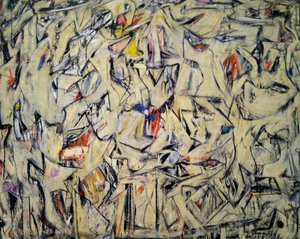
Created in 1954, Willem de Kooning's *Marilyn Monroe* is not a conventional portrait of the iconic actress. Instead, it’s a visceral and emotionally charged interpretation that reflects the artist’s engagement with popular culture and his signature Abstract Expressionist style. This painting offers a fascinating glimpse into De Kooning’s approach to figuration and his ability to convey complex emotions through abstract means.
Deconstructing an Icon: Subject & Style
- Subject Matter: While ostensibly depicting Marilyn Monroe, the painting transcends mere representation. De Kooning doesn’t aim for likeness; rather, he captures a sense of her public persona – the vulnerability and underlying turmoil often masked by glamour.
- Stylistic Influences: The work sits firmly within the realm of Abstract Expressionism, sharing characteristics with artists like Jackson Pollock and Franz Kline. However, De Kooning uniquely blends abstraction with recognizable figuration, creating a dynamic tension that defines his style. Elements of Expressionism are also present in the raw emotionality conveyed.
- A Pivotal Moment: 1954 was a significant year for both De Kooning and American culture. The painting emerged during a period of burgeoning celebrity worship, post-war anxiety, and artistic experimentation.
Technique & Materials: A Gestural Force
- Oil on Canvas: De Kooning’s masterful use of oil paint is central to the painting's impact. The thick, impasto application creates a tactile surface and emphasizes the physicality of the artistic process.
- Gestural Brushwork: Loose, energetic brushstrokes define the form, conveying movement and instability. Drips and splatters add to the sense of spontaneity and raw emotion.
- Color Palette & Composition: Dominated by reds, yellows, and whites, the color scheme is both vibrant and unsettling. The vertical composition focuses attention on the central figure while swirling patterns in the background create a sense of unease and psychological depth.
Symbolism & Emotional Resonance
- Color Symbolism: The intense reds can be interpreted as representing passion, anger, or even violence. Yellows suggest hope, anxiety, or the artificiality of fame.
- Deconstructed Form: The fragmented and distorted depiction of Monroe’s face reflects a sense of inner turmoil and challenges conventional notions of beauty and celebrity.
- Emotional Impact: *Marilyn Monroe* evokes feelings of vulnerability, anxiety, and the pressures of public life. It's a powerful statement about the complexities of identity and the human condition.
Historical Context & Legacy
- Pop Culture Intersection: De Kooning’s engagement with Marilyn Monroe reflects a broader trend in post-war art – the incorporation of popular imagery and themes into high art.
- A Lasting Influence: This painting remains a significant work within De Kooning's oeuvre and a compelling example of Abstract Expressionism. It continues to inspire artists and captivate audiences with its emotional intensity and innovative approach to portraiture.
- The artwork serves as a powerful reminder that even the most iconic figures are subject to inner struggles and complexities, making it a timeless piece for collectors and art enthusiasts alike.
Gyakran Ismételt Kérdések
Mennyire világos összességében "Marilyn Monroe"?
A „Marilyn Monroe”, Willem de Kooning alkotása érzetelt fényessége egyensúlyos. Ez összehangolható az adott tér világításával.
Melyik évben készült a „Marilyn Monroe”, Willem de Kooning alkotása?
A "Marilyn Monroe" művészeti alkotás 1954-ból származik. A dátum Willem de Kooning pályájának és az adott korszaknak is meghatározó pontjaként szolgál.
Milyen nyomtatási méretet javasolunk a(z) „Marilyn Monroe”, Willem de Kooning alkotása alkotáshoz?
A "Marilyn Monroe" alkotás esetében a Nagy nyomtatási méret javasolt. Ugyanakkor ugyanazon arányokban elérhető egyéb méretű változat is.
A „Marilyn Monroe” 1954-es dátuma Willem de Kooning pályájának mely szakaszára tekintthető?
A "Marilyn Monroe", amely 1954 évben készült, Willem de Kooning pályájának Mature Period szakaszába tartozik.
Van-e útmutató a(z) „Marilyn Monroe”, Willem de Kooning alkotása alkotáshoz?
A „Marilyn Monroe”, Willem de Kooning alkotása alkotáshoz elérhető egy Útmutató oldal: egy kinyomtatható információs lap a műről, amelyet diákok és tantervhez készült használatra terveztek.
Mennyi éves volt Willem de Kooning, amikor megalkotta a "Marilyn Monroe" alkotást 1954 årban?
Willem de Kooning 50 éves volt, amikor 1954 évben megalkotta a "Marilyn Monroe" alkotást. A korúsítás az alkotó születési évéből, 1904 fel основании került kiszámítva.
Ki a "Marilyn Monroe" alkotója?
A "Marilyn Monroe" alkotója Willem de Kooning. A mű Willem de Kooning nevére van katalógusozva.
A művész életrajza
A Life Forged in Abstraction
Willem de Kooning, a name synonymous with the raw energy and emotional depth of Abstract Expressionism, was born in Rotterdam, Netherlands, in 1904. His early life was marked by a familial split – his parents divorced when he was young – which perhaps instilled within him a sense of restless searching that would permeate his artistic journey. Leaving formal schooling at twelve, de Kooning apprenticed with a commercial art firm, laying the groundwork for his technical skill while simultaneously fueling a desire to break free from conventional constraints. Evening classes at the Academie van Beeldende Kunsten en Technische Wetenschappen in Rotterdam provided further foundational training, but it was a yearning for something more – a bolder, more expressive language – that ultimately propelled him towards America in 1926. His arrival wasn’t straightforward; he famously stowed away on a ship, embodying the spirit of an outsider seeking new horizons. New York City became his adopted home, and its vibrant, often gritty energy profoundly shaped his evolving style. He navigated various jobs – house painter, carpenter – all while relentlessly pursuing his artistic vision, absorbing the city’s pulse into his work.From Urban Scenes to Abstract Fury
De Kooning's early paintings reflected his immediate surroundings: urban landscapes and portraits that captured the dynamism of New York life. These works, often rendered in a realistic style, showcased the bustling streets, crowded tenements, and diverse faces of the city. However, these were merely stepping stones towards a more profound exploration of form and emotion. A pivotal moment came with his connection to Arshile Gorky, whose influence proved transformative. Gorky encouraged de Kooning’s experimentation with abstraction, fostering a willingness to dismantle traditional representation in pursuit of something deeper. De Kooning recognized the power of simplifying forms and focusing on essential elements – color, line, and gesture – rather than striving for photographic accuracy. This shift marked a significant departure from his earlier work and laid the foundation for his later abstract explorations. The 1930s saw de Kooning engage with social realism and mural projects through the Works Progress Administration (WPA), a period that honed his skills but also highlighted the limitations of purely representational art. He found himself drawn to the works of Stuart Davis and John Graham, artists who were pushing boundaries in their own right, experimenting with flattened perspectives and bold color palettes. This confluence of influences gradually steered him away from literal depiction and toward an increasingly abstract vocabulary. It wasn’t a sudden shift, but rather a slow burn – a deliberate dismantling of established norms fueled by intellectual curiosity and a relentless pursuit of artistic truth.The Woman Series: A Landmark Achievement
Following World War II, de Kooning emerged as a central figure in the burgeoning Abstract Expressionist movement. This period marked a turning point, culminating in his iconic “Woman” series (1950-1953). These paintings – including the monumental *Woman I*, *Woman II*, and *Woman III* – are not merely depictions of female figures; they are visceral explorations of femininity, sexuality, and the complexities of human emotion. Characterized by aggressive brushstrokes, fragmented forms, and a jarring juxtaposition of colors, the “Woman” series challenged conventional notions of beauty and representation. They were controversial, even shocking to some, but their power lay precisely in their refusal to conform. De Kooning wasn’t interested in creating idealized images; he sought to capture the raw, untamed essence of his subjects. The figures are often distorted, partially obscured, and imbued with a sense of unease – reflecting the anxieties and uncertainties of the post-war era. *Woman I*, in particular, is renowned for its unsettling depiction of female anatomy, prompting intense debate about its meaning and intent. Beyond the "Woman" series, works like *The Glazier* and *Excavation* further demonstrated his dynamic approach to painting, showcasing a masterful command of texture, color, and composition. He didn't shy away from chaos or ambiguity; instead, he embraced them as integral components of his artistic language.Evolving Landscapes and Enduring Legacy
In the 1960s and beyond, de Kooning’s style underwent another significant evolution. While abstraction remained central to his work, landscape elements began to play a more prominent role, often rendered with a brighter palette and a looser, more fluid brushstroke. He continued to experiment relentlessly throughout his life, exploring different techniques and materials – including collage and printmaking – never content to rest on his laurels. His later works demonstrate a remarkable ability to reinvent himself while remaining true to his core artistic principles. De Kooning’s historical significance is undeniable. He helped establish New York City as a global center for art, challenging the dominance of European traditions and paving the way for future generations of artists. His work continues to inspire awe and provoke debate, reminding us of the power of abstraction to convey profound emotional truths. Willem de Kooning passed away in 1997, leaving behind a vast and influential body of work that stands as a testament to his unwavering commitment to artistic innovation and his enduring legacy as one of the most important American artists of the 20th century. His impact resonates still.Key Works
Here are some of Willem de Kooning’s most celebrated paintings:- Woman I (1950-1953): A seminal work in the “Woman” series, known for its fragmented and unsettling depiction of female anatomy.
- The Glazier (1947): An early example of de Kooning’s abstract style, characterized by bold colors and dynamic brushstrokes.
- Excavation (1950): A complex and layered painting that reflects de Kooning's exploration of form and gesture.
- Sunday Afternoon on the Beach (1961): A vibrant and energetic depiction of a beach scene, showcasing de Kooning’s later style.
Influences
De Kooning’s artistic development was shaped by a diverse range of influences:- Arshile Gorky: Gorky's encouragement of abstraction proved crucial in de Kooning's transition to a more non-representational style.
- Stuart Davis and John Graham: These American artists, known for their flattened perspectives and bold color palettes, influenced de Kooning’s early abstract experiments.
- European Modernism (De Stijl): De Kooning was deeply interested in the principles of geometric abstraction espoused by the Dutch movement De Stijl.

Willem de Kooning
1904 - 1997 , Holland
Gyors információk
- Artistic Movement Or Style: Ábrázattal keleti
- Artists Or Movements Influenced By This Artist: ['New York School']
- Artists Who Influenced This Artist:
- Arshile Gorky
- Stuart Davis
- John Graham
- Date Of Birth: Április 24, 1904
- Date Of Death: Március 19, 1997
- Full Name: Willem de Kooning
- Nationality: Hollandi-amerikai
- Notable Artworks:
- Nő I
- Marilyn Monroe
- Ültetés
- A Szemlélő Ajtó
- Place Of Birth: Rotterdam, Holland
Kapcsolódó cikkek
Beyond Representation: Exploring the Emotional Landscape of Abstract Expressionism
Explore the profound emotional world of Abstract Expressionism with OriginalUniqueArt. Discover key artists like Pollock & Rothko, learn about collecting, and find museum-quality reproductions to inspire your space.

Goya Mesterművei: A Spanyol Lélek 25 Legikonikus Képe – OriginalUniqueArt
Fedezze fel Goya 25 leglenyűgözőbb mesterművét! Ismerje meg a spanyol festő életművét, portréit és ikonikus képeit. Vásároljon prémium minőségű reprodukciókat a OriginalUniqueArt.com-on, és teremtsen egyedi otthoni dekorációt klasszikus művészettel! Explore the full collection online.

Kandinsky Mesterművei: 25 Lenyűgöző Festmény a Modern Művészet Gyöngyszemeiből | OriginalUniqueArt
Fedezze fel Wassily Kandinsky 25 legikonikusabb művét! Merüljön el az absztrakt művészet világában, ismerje meg a színek és formák lenyűgöző történetét. Prémium minőségű reprodukciók és inspiráló dekorötletek a OriginalUniqueArt.com-on.

Absztrakt Expresszionizmus Mesterei: 10 alkotás, ami meghatározta a művészetet | OriginalUniqueArt.com
Fedezze fel a 10 legikonikusabb absztrakt expresszionista alkotást! Ismerje meg Jackson Pollock, Mark Rothko és más mesterek történetét. Művészeti reprodukciók prémium minőségben – OriginalUniqueArt.com.

Willem de Kooning: Abstraction, Gesture & the Evolution of Post-War American Painting
Explore the evolution of Willem de Kooning's iconic Abstract Expressionist paintings. Discover his signature style, key themes & investment potential with expert insights for discerning art collectors.