
 Megtekintés
 Küldés
 Megosztás
 Részletek
 Útmutató

 Letöltés
 Hasonló darabok
 X-ray felvétel
 Diavetítés
 Kérdések és válaszok
 Statisztika
Unfolding Buds


 Összes részlet megjelenítése
Szerezzen be nyomtatásra kész fájlt, amely messze túlmutat a webes előnézeten. Minden általunk értékesített digitális kép az adatbázisunkban található nagy felbontású mesterfájlból származik – általában 5 000 és 15 000 pixel szélességű –, így magabiztosan nyomtathat nagy méretben, sokat vághat a képen, vagy reprodukálhatja a legfinomabb részleteket is.
Stúdiómból egyetlen fájl sem távozik feltartózkodás nélkül. Egy digitális szakértő az eredeti festménnyel összehasonlítja a színeket, és szükség esetén korrigálja azokat, majd professzionális retusználó eszközökkel javítja a tisztaságot és a részletgazdagságot — miközben mindig hű marad a művész vonalvezetéséhez és stílusához. Az eredmény egy olyan kép, amely úgy néz ki, mint egy festmény, és nem úgy, mint egy szűrőzött szkenn.
A végső munka befejezése előtt jóvá kell hagynia a képet: szakértőnk 72 órán belül elküldi azt e-mailben ellenőrzésre. Nem tetszett? Kérhet javításokat vagy korrekciókat, illetve visszatérítést kérhet, amennyiben a minőség nem felel meg az elvárásoknak.
Ez az a minőség, amelyre a kiadók, a design stúdiók, a galériák és a nyomdaték megbízhatnak.
Digitális kép
Töltsön le nagy felbontású fájlt személyes kiállításokhoz, nyomtatáshoz és kreatív projektekhez. ( Váltás nyomtatványra Kézzel festett másolat rendelése)
Minden digitális kép rendeléséhez tartozó extrák
Szakértői digitális kézbesítés, garantáltan
Amikor a OriginalUniqueArt.com szolgáltatást választja, nem csupán egy képet kap – professzionálisan felmagasított digitális műalkotást kap, amely precizitással készült, és amelyet megelégsedési gwarancia tesz biztoslássá. Az alábbiakban automatikusan minden benne 】

Gyors e-mail teslimítés
A nagy felbontású digitális képmásolatát a megrendelést követő 72 órán belül e-mailben elküldjük Önnek – azonnal használható formátumban.

MI-alapú digitális fájljavítás
Műve professzionális módon kerül optimalizálásra fejlett mesterséges intelligencia eszközök és manuális szerkesztés segítségével, biztosítva a maximális részletességet, tisztaságot és színpontosságot.

Örök életű ingyenes újradelivery
Véletlenül törölted vagy elvesztetted a fájlodat? Ne aggódj – bármikor ingyen újra megküldjük neked.

Nincs importköltség – soha
Élvezze műalkotásait azonnal, vám, illeték vagy szállítási költség nélkül – a digitális letöltések mindig adamentesek.

Színpontosság garantálása
Professzionális eszközök és színkezelés segítségével garantáljuk, hogy digitális képe a lehető legpontosabban tükrözze az eredeti színeket.

100 napos elégedettségi garancia
Ha nemມີ elégedett a digitális képével, 100 napon belül felülvizsgáljuk vagy 100% visszatérítjük az amountot – kérdés बिना.

100% Pénzvisszatérítési garancia
Nem tetszett a vásárlás? 100 napon belül teljes visszatérítést garantálunk a digitális fájl megvételétől számítva – kérdés nélkül.

Tömegrendelési kedvezmények
Vásároljon 3 képet, spóroljon 10%-et - Vásároljon 5-öt, spóroljon 15%-et - Vásároljon 10+ képet, spóroljon 20%-at. Kiváló kreatív projektekhez, galériákhoz és ügynökségekhez.
Willard Leroy Metcalf’s “Unfolding Buds”: A Springtime Reverie
Willard Leroy Metcalf's "Unfolding Buds," painted in 1909, isn’t merely a landscape; it’s an exquisitely rendered distillation of springtime’s promise. Housed within the Detroit Institute of Arts, this oil on canvas transports the viewer to a quiet corner of New England, where the nascent energy of renewal permeates every detail. The painting captures a fleeting moment – perhaps early May – as winter's grip loosens and the first tentative blossoms emerge from the earth, hinting at the vibrant life yet to come. Metcalf’s masterful use of light and color establishes an atmosphere of serene contemplation, inviting us to pause and appreciate the subtle beauty of nature’s awakening.
A Master of Impressionistic Detail
Metcalf was a pivotal figure in the American Impressionist movement, deeply influenced by the French masters while simultaneously forging his own distinct style. “Unfolding Buds” exemplifies this approach – a careful balance between direct observation and expressive brushwork. Notice how Metcalf doesn’t simply depict the scene; he captures its *feeling*. The loose, broken strokes of paint create a shimmering effect, particularly in the dappled sunlight filtering through the trees. He employs a technique known as “broken color,” layering thin washes of pigment to build up depth and luminosity, mimicking the way light interacts with surfaces. This method imbues the painting with an almost palpable sense of warmth and vitality.
Symbolism in the Rural Landscape
Beyond its purely aesthetic qualities, “Unfolding Buds” is rich in symbolic meaning. The hillside itself represents fertility and potential – a promise of abundance after the dormancy of winter. The sheep grazing peacefully suggest contentment and harmony with nature. The presence of the dog, likely accompanying the flock, adds a touch of domesticity and companionship to this wild landscape. Even the bare branches of the trees, now adorned with delicate blossoms, speak of resilience and rebirth. Metcalf’s careful selection of elements creates a narrative of renewal and hope, reflecting the universal human desire for growth and transformation.
Historical Context and Artistic Influences
Painted during a period of significant artistic change in America, “Unfolding Buds” aligns with the burgeoning interest in capturing the beauty of the American landscape. Metcalf’s work reflects the influence of artists like Frederic Church and Albert Bierstadt, who had traveled to Europe and returned with a renewed appreciation for Impressionism. However, Metcalf retained a distinctly American sensibility, focusing on scenes closer to home – New England farmsteads, rural landscapes, and the lives of ordinary people. The painting’s quiet intimacy and understated beauty resonated with a growing public appetite for art that reflected contemporary life.
Further research into Willard Leroy Metcalf reveals his dedication to capturing light and atmosphere, often working outdoors “en plein air” to directly observe nature's effects. His membership in the Ten American Painters, a group who rejected the rigid conventions of the National Academy of Design, solidified his commitment to a more modern and expressive approach to art. The Detroit Institute of Arts holds a significant collection of Metcalf’s work, offering a comprehensive view of his artistic development and enduring legacy.
Kérdések és válaszok
Milyen technikával készült a "Unfolding Buds", és mikor készült?
A „Unfolding Buds”, Metcalf Willard Leroy alkotása technikája Oil On Canvas, a mű alkotási éve pedig 1909.
Milyen domináns alapszín jellemzi „Unfolding Buds”, Metcalf Willard Leroy alkotása alkotást?
A „Unfolding Buds” egy Green to Violet Spectrum tónus felé hajlik.
Milyen más nevét vagy álneveit használ még Metcalf Willard Leroy?
A „Unfolding Buds” alkotójáról, Metcalf Willard Leroy nevű művészről ismert egyéb nevek között szerepel Metcalf Willard, Leroy Metcalf.
Művész életrajza
A Life Immersed in Light and Landscape
Willard Leroy Metcalf, a pivotal figure in the blossoming of American Impressionism, dedicated his life to capturing the ephemeral beauty of the natural world. Born in Lowell, Massachusetts, in 1858, he wasn’t merely a painter of landscapes; he was a poet of light and atmosphere, translating the quietude of New England scenes and beyond onto canvas with a delicate touch and vibrant palette. His journey as an artist was one of rigorous training, extensive travel, and a profound commitment to portraying intimate moments in nature – fleeting glimpses of beauty often overlooked. Metcalf’s story is not simply about artistic development, but also about finding his voice amidst the evolving currents of late 19th and early 20th-century art, and ultimately, leaving an indelible mark on American Impressionism.From Academic Foundations to European Influences
Metcalf’s formal artistic education began at the School of the Museum of Fine Arts in Boston, where he honed his foundational skills until 1878. This was followed by a crucial period of study at the Académie Julian in Paris, a renowned center for American artists seeking classical training. Initially, Metcalf focused on figure painting and illustration – skills that would later inform his compositions – but it was during his extended sojourn in Europe, beginning in 1883, that his artistic trajectory began to shift decisively towards landscape art. He studied with Gustave Boulanger and Jules-Joseph Lefebvre, absorbing the technical expertise of French academic tradition. However, it wasn’t just formal instruction that shaped his vision; it was immersion in the European landscape itself. Travels through England and Brittany exposed him to diverse light conditions and artistic communities. A particularly significant moment arrived in 1886 when Metcalf became the first American artist to visit Claude Monet's garden at Giverny, a watershed experience that profoundly impacted his approach to capturing light, color, and atmosphere. This encounter wasn’t about imitation, but rather an awakening to the possibilities of portraying the subjective experience of seeing – a cornerstone of Impressionist philosophy. The vibrant colors, loose brushstrokes, and focus on capturing fleeting moments of light in Monet's garden became a guiding principle for Metcalf’s own work.The Rise of an American Impressionist
Upon returning to the United States in 1889, Metcalf began to forge his own distinct style, blending academic training with the lessons learned from European masters and his growing sensitivity to the American landscape. He worked as an illustrator and teacher while continuing to paint, gradually moving away from traditional techniques towards a more expressive and atmospheric approach. His paintings of this period often depict serene scenes of New England life – coastal harbors, quiet villages, and sun-dappled meadows. Critics frequently drew parallels between his work and the poetry of Robert Frost and Walt Whitman, recognizing a shared sensibility for capturing the essence of American experience. Metcalf’s palette shifted from the darker tones of academic training to brighter, more luminous colors, reflecting his newfound appreciation for the play of light in nature. He developed a distinctive technique characterized by broken brushstrokes and subtle gradations of color, creating an effect of shimmering atmosphere. Notable works like *Gloucester Harbor* (1895) exemplify his mastery of light and color, while pieces such as *The River Epte, Giverny*, clearly demonstrate the enduring influence of Monet’s garden on his artistic vision.A Member of "The Ten American Painters"
In 1897, Metcalf played a pivotal role in the formation of “The Ten American Painters,” a group that seceded from the Society of American Artists to pursue greater artistic independence and experimentation. This act signified a turning point in American art, marking a shift towards a more modern and individualistic aesthetic. The group, which included artists like Herbert James Draper and Frank Day, sought to break free from the constraints of academic tradition and explore new ways of representing the world around them. Metcalf’s involvement in this movement solidified his position as a leading figure in the American avant-garde. *The Ten American Painters* championed a looser, more expressive style than was typically accepted by the established art establishment, paving the way for future generations of American artists to pursue their own unique visions.Legacy and Enduring Influence
Willard Leroy Metcalf's contribution to American art extends beyond his captivating paintings. He was a dedicated educator, sharing his knowledge and passion for art by teaching at institutions like Cooper Union School of Art for Women in New York City and the Art Students League of New York. His influence on subsequent generations of artists is undeniable. Metcalf’s ability to capture fleeting moments of beauty and tranquility, combined with his technical skill and poetic sensibility, cemented his place as a significant figure in American art history. He wasn't interested in grand narratives or dramatic compositions; instead, he found inspiration in the everyday – the gentle play of light on water, the subtle hues of a twilight sky, the quiet dignity of rural life. His paintings are not merely representations of landscapes; they are evocations of mood and atmosphere, inviting viewers to share in his intimate connection with nature. His work continues to be exhibited and admired for its beauty, tranquility, and insightful portrayal of the American landscape.- He is considered a key figure in American Impressionism.
- His paintings often evoke a sense of quiet contemplation.
- Metcalf’s style evolved from academic training to a more expressive and atmospheric approach.
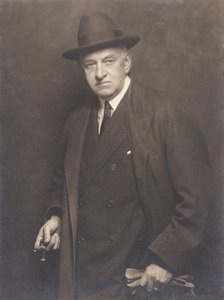
Metcalf Willard Leroy
1858 - 1925 , Egyesült Államok
Érmeradatok
- Artistic Movement Or Style: Amerikai impresszionista
- Artists Or Movements Influenced By This Artist: ['Tíz amerikai festő']
- Artists Who Influenced This Artist: ['Claude Monet']
- Date Of Birth: 1858
- Date Of Death: 1925
- Full Name: Willard Leroy Metcalf
- Nationality: Amerikai
- Notable Artworks:
- Gloucester-harang
- Arany karneval
- Kapitány Lord ház
- Epte folyó
- Lilahajlé
- Place Of Birth: Lowell, USA